When a Doberman Fills Out After Growing Tall
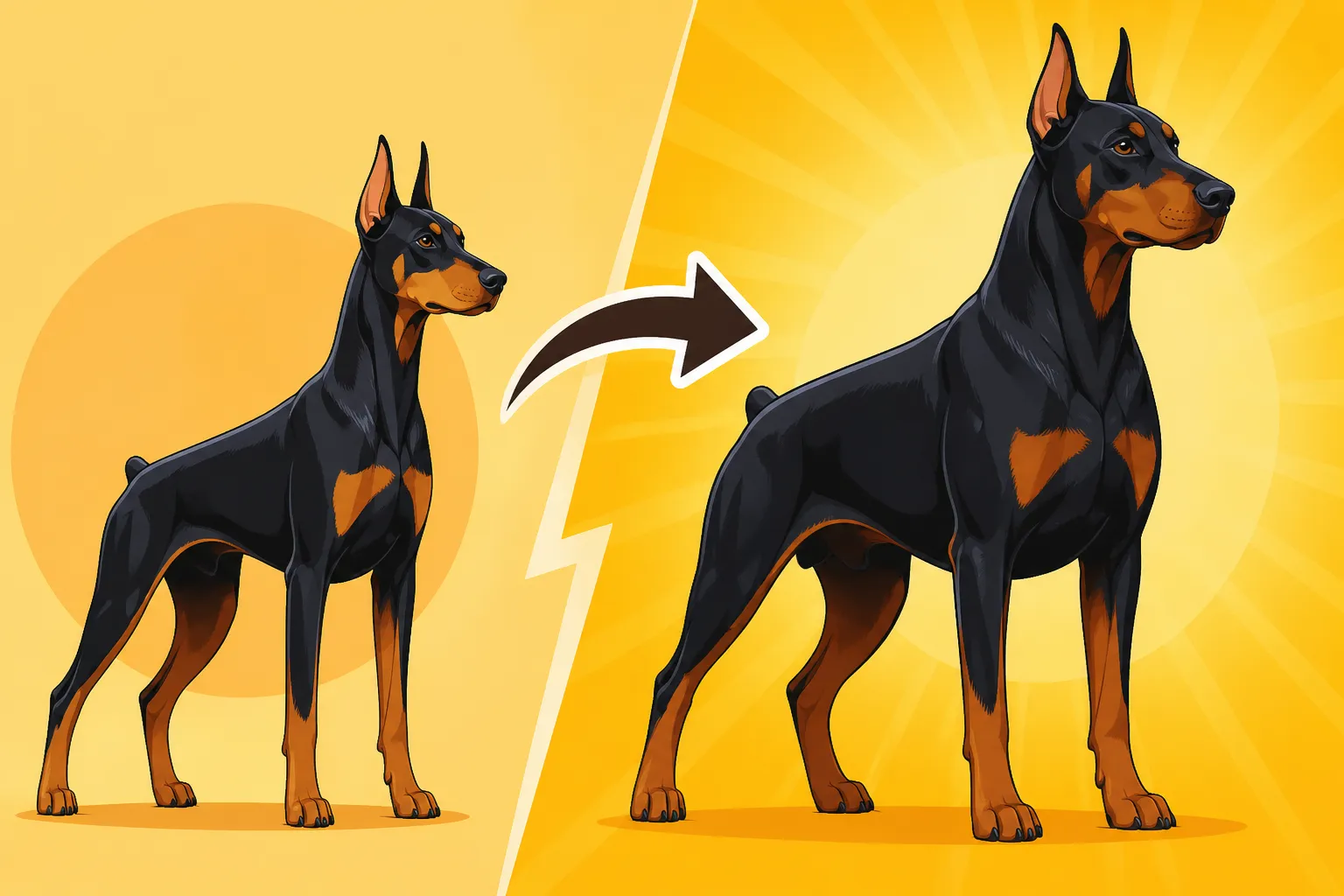
It’s a common sight for Doberman owners: your gangly, energetic puppy seems to sprout upwards almost overnight, reaching an impressive height, but then you look at them and think, "Are they ever going to fill out?" That lanky, somewhat awkward teenage phase can make you wonder if your Doberman will ever achieve that powerful, muscular silhouette the breed is known for. This guide will walk you through the typical growth stages, helping you understand when to expect your Doberman to transition from a tall, slender adolescent to a fully mature, robust adult.
The Early Spurt: Reaching for the Sky
Dobermans, like many large breeds, experience a rapid growth phase during their puppyhood, often prioritizing height before they start to bulk up. This is a completely normal part of their development, but it can certainly make them look a bit like a pre-teen who's outgrown their clothes. You're watching them gain inches at an astonishing rate, sometimes week to week, and it's easy to worry if they're getting enough to eat or if they'll ever look "finished."
Rapid Vertical Growth in Puppyhood
From around 4 to 12 months, your Doberman puppy will be a whirlwind of growth. They'll typically achieve most of their adult height within this period. It’s during these months that their legs seem disproportionately long, and their chest might appear shallow compared to their overall frame. This is just their skeletal structure developing, laying the groundwork for the muscle and depth that will come later. Many owners find themselves constantly adjusting their dog's harness or collar because they're stretching upwards so quickly. It's a testament to the powerful genetics driving their initial growth. You might be interested in understanding The Age a Doberman Reaches Full Height to better manage expectations during this time.
The "All Legs and Ears" Phase
If you’ve ever chuckled at your Doberman puppy's appearance, you're not alone. They often go through a stage where they seem to be composed entirely of legs, ears (if cropped, they stand tall and proud, emphasizing the length), and a surprisingly small body. This gangly look is part of their charm but can also be concerning if you're expecting that broad, powerful Doberman physique right away. Patience is key here. This phase is temporary, and it's essential not to try to "force" them to bulk up prematurely with excessive food, which can put undue stress on their developing joints and skeleton. Proper nutrition is critical, but more isn't always better. Consider carefully Whether a Doberman Puppy Should Take Calcium or other supplements during this delicate growth period.
The Maturing Physique: Filling Out and Gaining Depth
Once the majority of their vertical growth is complete, usually between 12 and 18 months, your Doberman will begin the process of "filling out." This is where they start to put on muscle, their chest deepens, and their overall frame widens, giving them that distinct, elegant, yet powerful appearance. This is often a slower, more subtle change than the rapid height gain, but it's equally important in their development. It’s also when their head might seem to "catch up" to their body, appearing more proportionate.
Developing Muscle and Chest Depth
The period from roughly 18 months to 3 years old is when most Dobermans really start to develop their mature musculature and chest depth. Their once-lanky frame begins to broaden, shoulders become more defined, and the rib cage expands, giving them that deep-chested look so characteristic of the breed. This isn't just about aesthetics; a strong, well-developed chest provides ample room for their vital organs, particularly their heart and lungs. You'll notice their energy output becomes more efficient, and their movements gain a new level of grace and power. Many owners appreciate seeing this transformation, as it signals that their Doberman is truly coming into its own. This filling out is a gradual process, so don't expect it to happen overnight. It's often so subtle that you might not fully appreciate the change until you compare current photos to those from their lanky adolescent days.
When the Head Catches Up
It's not just the body that needs to fill out; often, a Doberman's head will also appear disproportionately small during their lanky growth phase. As they mature, their skull will broaden and their muzzle will lengthen and deepen, creating that noble, wedge-shaped head that the breed standard describes. This "catching up" of the head often coincides with the body filling out, usually completing around 2 to 3 years of age. It's an important part of their overall balance and breed type, contributing to their striking and intelligent expression. Observing this gradual change is part of the joy of raising a Doberman, watching all the pieces come together to form that magnificent adult dog.
Factors Influencing a Doberman's Full Development
Several key factors play a significant role in how and when a Doberman fills out. Genetics lay the foundation, but nutrition, exercise, and overall health management are crucial for supporting optimal development. Understanding these elements can help you guide your Doberman through their growth stages effectively and ensure they reach their full potential.
The Role of Genetics and Lineage
Just like people, Dobermans inherit their growth patterns and ultimate size and build from their parents. Some lines, particularly those from working or European backgrounds, might inherently be broader-chested and more heavily muscled, tending to fill out more robustly. American lines might often present a slightly leaner, more refined appearance, even at full maturity. This genetic predisposition means that while you can support healthy growth, you can't fundamentally change the blueprint your dog was born with. A reputable breeder will be able to show you the parents and even grandparents, giving you a good indication of what to expect in terms of mature size and build. This also ties into Whether a European Doberman Is Bigger than their American counterparts, which is a common discussion among enthusiasts.
Optimal Nutrition for Growth and Development
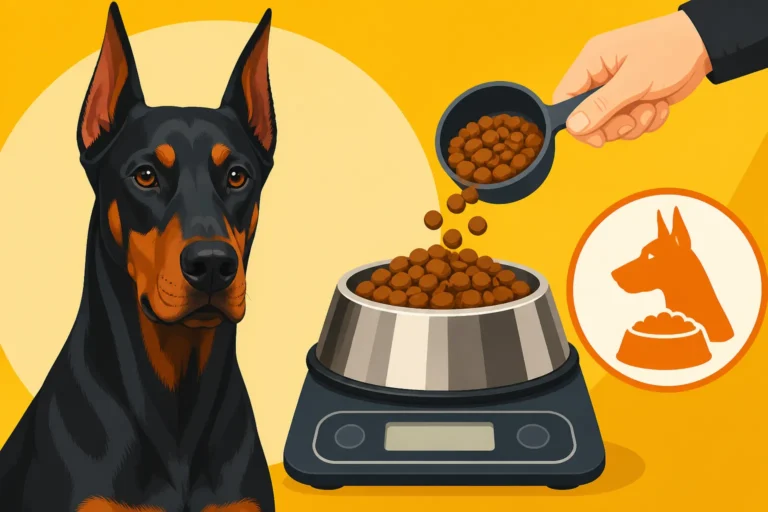
Nutrition is paramount during all stages of a Doberman's growth, but particularly during the "filling out" phase. They need a high-quality diet that provides the right balance of protein, fats, and essential nutrients to support muscle development and overall health without promoting overly rapid weight gain, which can be detrimental to joints. Look for large-breed puppy formulas initially, transitioning to an adult formula as recommended by your vet. Avoid overfeeding, as excess weight can put undue strain on still-developing joints and exacerbate potential health issues down the line. Many owners find success with trusted brands available on platforms like Chewy or Amazon, ensuring they have access to a variety of specialized diets. Discussing Puppy Food Costs Through a Doberman's Growth can help you budget for these crucial early years.
Here's a quick look at how nutritional needs evolve:
| Growth Stage | Typical Age Range | Nutritional Focus | Considerations |
|---|---|---|---|
| Puppy | 2 – 12 months | High protein, moderate fat, controlled calcium/phosphorus | Large breed puppy formula, multiple small meals daily, monitor for rapid weight gain |
| Adolescent | 12 – 18 months | Balanced protein/fat, joint support, controlled calories | Transition to adult food, maintain lean body condition, regular, appropriate exercise |
| Filling Out | 18 months – 3 years | Sustained protein, healthy fats, muscle development | Premium adult formula, adjust calories to activity level, avoid excessive supplementation |
| Mature Adult | 3 years and beyond | Maintenance diet, age-appropriate protein, joint health | Monitor weight, adjust food as activity changes, regular vet check-ups |
It’s often beneficial to discuss your Doberman’s diet with your veterinarian or a canine nutritionist. They can help you determine the appropriate calorie intake and macronutrient balance for your individual dog, especially if you're concerned about them appearing too thin. While boutique diets like Ollie are popular, always ensure they are nutritionally complete and appropriate for a large, growing breed like a Doberman.
The Importance of Appropriate Exercise
Exercise plays a critical role in how your Doberman develops muscle and fills out. During puppyhood, controlled exercise is vital to protect their growing joints. This means avoiding high-impact activities like jumping from heights, excessive running on hard surfaces, or prolonged, strenuous exercise until their growth plates have closed, usually around 12-18 months. Instead, focus on leash walks, controlled playtime, and short bursts of fetch on soft ground.
As they mature and begin to fill out, you can gradually increase the intensity and duration of their exercise. Activities like hiking, swimming, and even introductory obedience or dog sports can help build strong, lean muscle. Regular, consistent exercise not only contributes to their physical development but also supports their mental well-being, which is equally important for a Doberman. A Doberman is not a couch potato breed; they need an outlet for their energy. Remember that too much high-impact exercise too soon can cause damage, so always err on the side of caution. If you're keen on seeing that classic Doberman athleticism, appropriate exercise will get you there. Don't push them too hard too early, as that can lead to joint issues down the line. Also, understanding Protecting a Growing Doberman's Joints is key to a long, healthy life.
Recognizing When Your Doberman is Done Growing
It’s a natural question to wonder when your Doberman has truly "finished" growing. While height is mostly achieved by 12-18 months, the filling out process can continue for another year or even longer. Most Dobermans will reach their full physical maturity, including complete musculature and chest development, between 2 and 3 years of age. Some larger males might even continue to broaden slightly up to their fourth birthday.
Look for a consistent weight that they maintain without significant fluctuations, and observe their overall body condition. You should be able to feel their ribs easily, but not see them prominently. Their waist should be evident when viewed from above, and their tuck-up (the curve of the abdomen) should be distinct. Comparing recent photos to those from their adolescent phase is often the best way to visually track their progress. Once they reach this point, their caloric needs will shift from growth to maintenance, and you'll want to adjust their diet accordingly to prevent them from becoming overweight. You might also find it helpful to read about The Weight Range a Doberman Should Hold to gauge their condition.
Navigating the "Skinny Doberman" Perception
Many Doberman owners, especially those new to the breed, often worry that their adolescent Doberman looks too thin. This is a very common concern, and it stems from a combination of the breed's naturally lean build, their high metabolism, and the common growth pattern of gaining height before width. It's easy to feel like you're not feeding them enough, especially when well-meaning friends or strangers comment on their "skinniness."
The Doberman's Naturally Lean Build
Dobermans are inherently a lean, athletic breed with a low body fat percentage. They are not meant to be heavily muscled in the same way a Rottweiler or Mastiff might be. Their elegance comes from their sleek lines, deep chest, and well-defined musculature. During their adolescent phase, when they are primarily growing upwards, this lean build can make them appear quite gaunt or "bony." It’s important to remember that this isn't necessarily a sign of malnourishment but rather a characteristic of their breed type and current stage of development. You can easily feel their ribs and hip bones, which is normal. What you don't want to see is prominent vertebrae or ribs poking out sharply without any muscle coverage. It can be hard to ignore comments from others, but trusting your vet's assessment of their body condition is key. You can also educate yourself on Reading Ribs and Hip Points on a Doberman to understand what a healthy lean looks like.
When to Be Concerned and When to Be Patient
While a lean Doberman is normal, there are times when "skinny" can indeed be a cause for concern. If your Doberman is losing weight rapidly, has a dull coat, seems lethargic, or is experiencing digestive issues, these are all signs that warrant a veterinary check-up. Persistent diarrhea, vomiting, or a lack of appetite are also red flags. These symptoms could indicate underlying health problems that need attention.
However, if your Doberman is otherwise healthy, energetic, has a shiny coat, and is eating well, then patience is your best friend. They are likely just in the middle of their lanky growth phase. Continue to feed a high-quality, balanced diet, provide appropriate exercise, and monitor their weight and body condition regularly. Most Dobermans will naturally fill out as they approach their second and third birthdays. It truly is a marathon, not a sprint, when it comes to their development. Trust the process, and trust your veterinarian's guidance on their growth trajectory.
Disclaimer
This article is for general informational purposes only and does not constitute professional advice. Laws, prices and regulations vary by location and change over time. Consult a qualified professional for guidance on your specific situation.