Protecting a Growing Doberman’s Joints
Bringing a Doberman puppy home is an exciting time, but many new owners quickly realize that these elegant dogs grow at an astonishing rate. This rapid growth, combined with their breed-specific predispositions, can put immense stress on their developing joints, leading to painful issues down the road. This guide will walk you through practical, empathetic strategies to protect your growing Doberman's joints, helping them develop into strong, healthy adults.
Understanding Your Doberman's Rapid Growth Phase
Dobermans aren't like smaller breeds that take a year or more to reach maturity; they're on a fast track. This intense period of development is critical for their skeletal structure, and understanding its nuances is the first step in proactive joint protection.
The Rapid Growth Curve
Your Doberman puppy will experience an incredible growth spurt in their first year, often reaching most of their adult height and a significant portion of their adult weight by 8-10 months. Imagine a human child going from infant to teenager in the span of twelve months – that's roughly the biological equivalent of what your Doberman is doing. This isn't just about getting bigger; it's about bones lengthening, muscles developing, and joints trying to keep pace with all that change. This rapid expansion puts immense strain on cartilage, ligaments, and growth plates, making them particularly vulnerable to injury or improper development if not managed carefully. It's a delicate dance between giving them enough to thrive and not pushing them too hard.
Growth Plates and Their Vulnerability
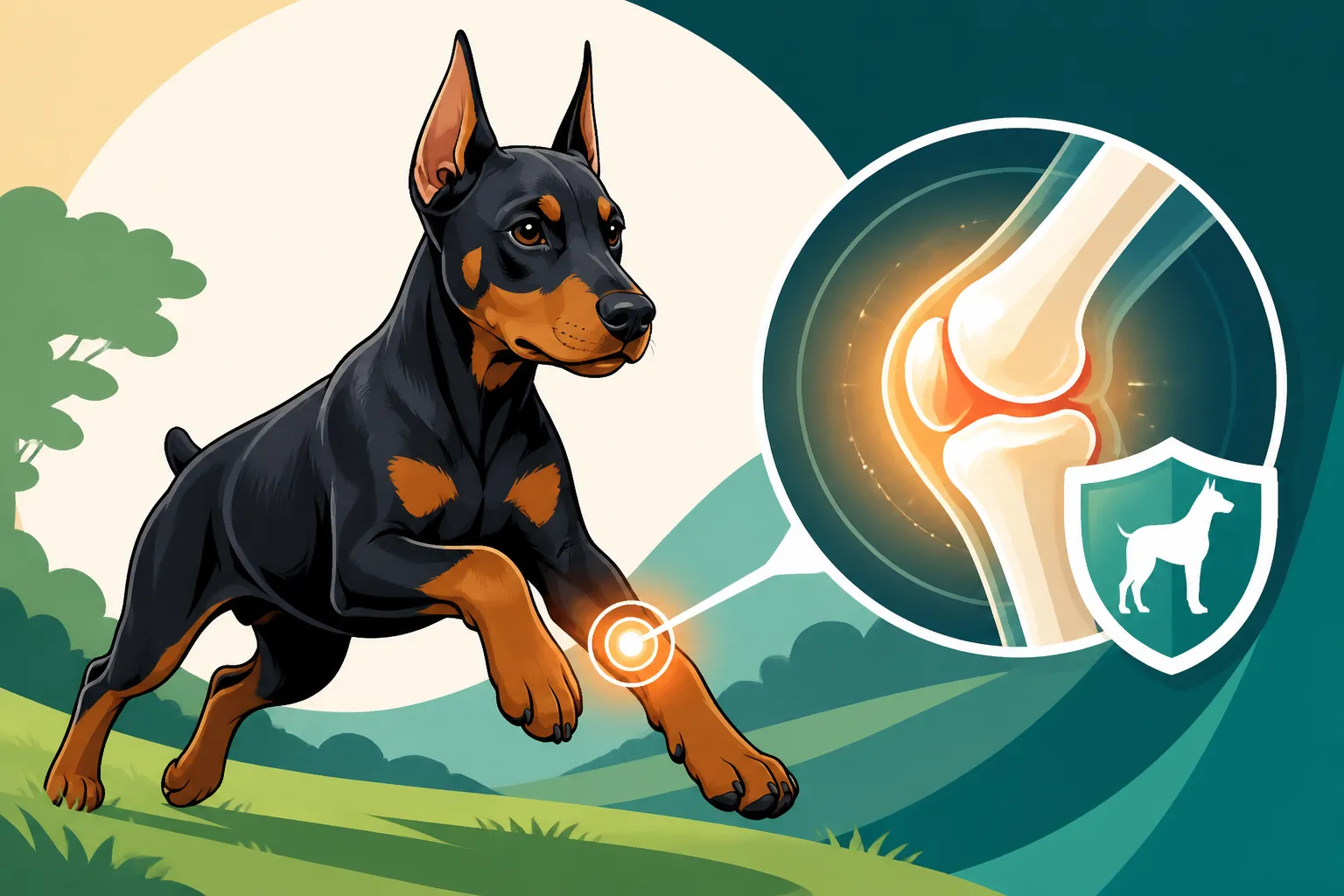
During this period of rapid growth, a Doberman's bones are still forming and elongating from areas called growth plates (epiphyseal plates). These plates are essentially soft cartilage at the ends of long bones, which gradually harden into solid bone as the dog matures. In Dobermans, these growth plates typically remain open and vulnerable until around 12 to 18 months of age, sometimes even a bit longer for very large individuals. Until they close, they are significantly weaker than the surrounding bone. A seemingly innocuous jump, fall, or even repetitive stress from over-exercise can cause trauma to these plates, leading to painful injuries that can disrupt bone growth, cause deformities, or predispose the dog to arthritis later in life. Protecting these delicate structures is paramount.
Common Joint Issues in Dobermans
While Dobermans are generally robust, their size, powerful musculature, and genetic predispositions make them susceptible to several significant joint issues. Hip and elbow dysplasia are unfortunately not uncommon, where the joints don't form correctly, leading to instability and degenerative joint disease. Doberman Hip Dysplasia is a prime example of a condition that can be exacerbated by poor management during growth. Osteochondritis Dissecans (OCD), particularly in the shoulders or hocks, can also occur when cartilage doesn't develop properly and separates from the bone. Then there's Wobbler Syndrome, more formally known as cervical spondylomyelopathy, which often affects the neck vertebrae and spinal cord and can have developmental components. While some of these have a strong genetic component, the way a puppy is raised – fed, exercised, and housed – plays a huge role in whether these conditions manifest or how severely they impact the dog.
Nutritional Foundations for Strong Joints
What you put in your Doberman's bowl isn't just fuel; it's the building blocks for their entire skeletal system. Getting nutrition right, especially during their growth phase, is one of the most impactful things you can do for their long-term joint health.
Choosing the Right Puppy Food
It’s tempting to think that more protein and calories mean a bigger, stronger Doberman, but for giant breeds and fast-growing breeds like Dobermans, this can actually be detrimental. High-calorie, high-protein diets designed for generic puppies can lead to excessively rapid growth, placing undue stress on immature joints and growth plates. Instead, look for large breed puppy formulas. These diets are specifically formulated with controlled levels of protein, fat, and crucially, minerals like calcium and phosphorus, to support a slower, more even growth rate. Brands like Purina Pro Plan Large Breed Puppy or Royal Canin Giant Puppy are often recommended for their carefully balanced nutritional profiles. You can find these specialized foods at pet supply retailers or online from places like Chewy.
Balancing Calcium and Phosphorus
This is perhaps one of the most critical and often misunderstood aspects of feeding a growing Doberman. Calcium and phosphorus are essential for bone development, but it's not just the amount that matters, it's the ratio between them. Too much calcium, or an incorrect calcium-to-phosphorus ratio, can interfere with normal bone and cartilage development, leading to skeletal abnormalities. This is particularly problematic in fast-growing large breeds. While it might seem logical to supplement with extra calcium, it's actually one of the worst things you can do if your puppy food is already properly balanced. Whether a Doberman Puppy Should Take Calcium is a common question, and the answer is usually a resounding "no" unless specifically directed by your vet for a diagnosed issue, as commercial large breed puppy foods are designed to provide the correct balance.
The Role of Supplements
Even with an excellent diet, some owners consider supplements as an extra layer of protection, especially given the Doberman's predisposition to joint issues. Glucosamine and chondroitin are the most common joint supplements, believed to support cartilage health and reduce inflammation. Omega-3 fatty acids, like those found in fish oil, are also excellent for their anti-inflammatory properties, which can benefit overall joint health and even coat quality. Whether Joint Supplements Help a Long-Backed Doberman is a pertinent consideration, and many vets support their use as a preventative measure. However, always consult your veterinarian before adding any supplements to your puppy's diet. They can advise on appropriate dosages and forms. You can find a wide range of reputable supplements on Amazon or through online pet pharmacies, but always prioritize quality and vet recommendations.
Managing Exercise for Developing Joints
Exercise is vital for a Doberman's physical and mental health, but how and how much your puppy exercises during their growth phase is crucial for joint integrity. More isn't always better, and uncontrolled activity can be highly damaging.
Controlled Exercise vs. Free Play
For a Doberman puppy, controlled exercise is king. Think leash walks at a steady pace, appropriate for their age, that build muscle and stamina without putting sudden, jarring stress on their joints. Short, frequent walks are much better than one long trek. Free play, while important for mental well-being and socialisation, needs careful monitoring. A puppy zooming around a yard, suddenly stopping, skidding, and colliding with another dog might seem like harmless fun, but these uncontrolled movements can lead to micro-traumas or even significant injuries to delicate growth plates. If your puppy is playing with other dogs, ensure the play is appropriate, not overly rough, and on safe, even surfaces. Limit intense bursts of speed or abrupt changes in direction.
Avoiding High-Impact Activities
High-impact activities are a definite no-go for a growing Doberman. This includes jumping on and off furniture, repetitive stair climbing, long runs on hard surfaces like pavement, or intense agility work before their growth plates have closed. Each jump or hard landing sends a shockwave through their still-developing joints. Whether Stairs Hurt a Doberman Growing Fast is a valid concern; while a few stairs here and there are likely fine, daily repetitive climbing and descending, especially for a young puppy, should be minimized. Wait until your Doberman is fully mature, typically around 18-24 months, before introducing more strenuous or high-impact activities. Even then, ease into new sports and ensure proper warm-ups.
Importance of Warm-ups and Cool-downs
Just like human athletes, dogs benefit from proper warm-ups and cool-downs, especially Dobermans whose joints are under such rapid development. Before any structured exercise, even a brisk walk, a gentle five-minute warm-up can involve a slow walk, some gentle stretching (if your dog is amenable and you know how to do it safely), or simply trotting around the yard. This gets blood flowing to the muscles and joints, making them more pliable and less prone to injury. Afterward, a cool-down of slow walking for another five to ten minutes helps the muscles relax, reduces stiffness, and aids in flushing out metabolic byproducts. This thoughtful approach to exercise minimizes stress and helps maintain joint health.
Proactive Preventative Measures
Beyond diet and exercise, there are other practical steps you can take around the house and in your routine to keep your Doberman's joints as healthy as possible during their formative years.
When to Start Joint Supplements
The conversation around joint supplements often begins when a dog is older and showing signs of arthritis, but for a breed like the Doberman, a more proactive approach can be beneficial. Many veterinarians and breeders recommend starting a quality joint supplement, typically containing glucosamine, chondroitin, and sometimes MSM or omega-3s, around 12-18 months of age, or even earlier if your vet agrees. The idea is to provide nutritional support to the cartilage and synovial fluid before significant wear and tear or degenerative changes begin. Brands like Nutramax Dasuquin or Cosequin are popular choices for their research-backed formulations. Remember, these are supplements, not magic cures, and consistency is key.
Weight Management for Joint Health
Maintaining an ideal body weight is paramount for joint health at any age, but especially for a growing Doberman. Every extra pound your Doberman carries puts additional strain on their joints, accelerating wear and tear and increasing the risk of developmental orthopedic diseases. It's a cruel irony that many owners inadvertently overfeed their large breed puppies, thinking it will make them bigger, when in fact, it often leads to faster, less healthy growth and greater joint problems. You should be able to easily feel your Doberman's ribs without seeing them prominently, and they should have a discernible waist when viewed from above. Regularly checking their weight and body condition score will help you stay on track. Reading Ribs and Hip Points on a Doberman is a skill every Doberman owner should master. If you're concerned about weight, your vet can help adjust their feeding plan, perhaps suggesting a lower-calorie option or simply reducing portion sizes of their current food.
Regular Vet Check-ups
Regular veterinary check-ups are not just for vaccinations; they're vital opportunities for your vet to assess your Doberman's growth and joint health. During these visits, your vet will perform a physical exam, checking their gait, range of motion in their joints, and palpating for any signs of discomfort or abnormalities. They can also advise on appropriate nutrition and exercise for your Doberman's specific growth rate and discuss any preventative measures. Early detection of any emerging issues, even subtle ones, can make a significant difference in management and outcome. These appointments are especially important as your Doberman moves through its first couple of years, as this is the period The Doberman Years When Everything Shows Up.
Monitoring for Subtle Signs of Discomfort
Dobermans are stoic by nature, and sometimes, they won't overtly limp or cry out even when they're experiencing joint pain. Learning to spot the more subtle cues is critical for early intervention and ensuring their comfort.
Recognizing Subtle Signs of Discomfort
It's easy to miss the early warning signs because they often don't scream "pain." Instead of a pronounced limp, you might notice a slight reluctance to jump into the car, a hesitation before using stairs, or a subtle change in their gait that you can only really discern when you watch them move closely. Perhaps they're a little stiffer after getting up from a nap, or they're not quite as eager to play fetch as they once were. Some dogs might shift their weight differently, stand with their legs in an unusual position, or even lick excessively at a particular joint. A change in personality, becoming more withdrawn or even a bit snappy, can also be a sign that they're uncomfortable. Pay attention to these nuanced changes in behavior and movement.
The Importance of Early Veterinary Consultation
If you notice any of these subtle signs, or even if something just feels "off" with your Doberman's movement or comfort, don't hesitate to contact your veterinarian. It’s always better to be overly cautious than to let a problem fester. Early detection and diagnosis are crucial for many joint conditions. Catching something like dysplasia or OCD in its early stages can mean the difference between minor management and more invasive, costly, or less successful interventions later on. Your vet can perform a thorough examination, and often, what seems minor to you might be a significant clue to them.
Diagnostic Tools and Procedures
When your vet suspects a joint issue, they have several diagnostic tools at their disposal. X-rays are a common starting point, providing clear images of bone structure and joint alignment, which can help diagnose conditions like hip or elbow dysplasia. Sometimes, they might recommend more advanced imaging like MRI or CT scans, particularly for soft tissue injuries or complex spinal issues like Wobbler Syndrome. For some conditions, a joint fluid analysis might be performed. The goal is to get a precise diagnosis so that the most effective treatment plan can be developed, whether it involves medication, physical therapy, or in some cases, surgical intervention.
Creating a Joint-Friendly Living Environment
Your Doberman spends most of its time at home, so making that environment safe and supportive can greatly contribute to their joint health, especially during their vulnerable growth period.
Flooring and Traction
Slippery floors are a silent enemy of developing joints. Imagine a human trying to run across an ice rink all day – that’s similar to what a Doberman experiences on hardwood, laminate, or tiled floors. Their powerful, fast-growing bodies need good traction to move safely and confidently. Slipping and sliding causes their legs to splay, putting unnatural strain on their hips, knees, and ankles. Consider using runners, area rugs, or anti-slip mats in high-traffic areas, especially where your Doberman eats, drinks, or rests. Even temporary solutions like cheap throw rugs can make a huge difference in preventing slips and falls during those critical growth months.
Stairs and Jumping Risks
As mentioned before, repetitive stress from stairs and jumping can be detrimental to a growing Doberman. While it’s impossible to completely avoid stairs in some homes, try to limit your puppy’s access to them. Carrying them up and down stairs when they are very young is ideal, and as they grow, try to restrict access to just a few necessary trips a day rather than letting them charge up and down at will. Jumping on and off furniture or out of vehicles also poses a significant risk. Teach them to wait for assistance, or use ramps for cars and beds. Even a simple step stool can greatly reduce the impact on their joints when getting onto a sofa. These seemingly small changes accumulate into significant joint protection over time.
Supportive Bedding
Because Dobermans have a lean body type with minimal body fat, they tend to be bony. Lying on hard surfaces can create pressure points on their joints, particularly elbows and hips, potentially leading to calluses or even contributing to joint pain over time. Providing high-quality, orthopedic bedding is not a luxury, but a necessity for a Doberman, especially as they grow and later, as they age. Look for beds with dense, supportive foam that contours to their body and doesn't flatten out quickly. Brands like Big Barker or even memory foam options available on Amazon can offer excellent support. A comfortable, supportive bed encourages proper rest and helps alleviate pressure on vulnerable joints, ensuring they wake up feeling refreshed rather than stiff.
Comparing Joint Care Practices for Growing Dobermans
To help visualize the best practices versus those that might inadvertently harm your Doberman's developing joints, here's a quick comparison.
| Aspect | Recommended Best Practice | Potentially Harmful Practice |
|---|---|---|
| Diet | Large breed puppy food with controlled growth formula | High-calorie, high-protein generic puppy food; excessive calcium supplementation |
| Exercise | Short, frequent controlled leash walks; appropriate supervised free play | Long, strenuous runs; intense fetch/agility before maturity; unsupervised rough play |
| Environment | Non-slip flooring; ramps/steps for high surfaces; orthopedic beds | Slippery floors; constant jumping off furniture/out of cars; hard bedding |
| Weight | Maintain lean body condition (ribs felt, waist visible) | Allowing puppy to be overweight or "chunky" |
| Monitoring | Regular vet check-ups; observe subtle changes in gait/behavior | Ignoring stiffness; delaying vet visits for mild limping |
| Supplements | Vet-approved joint supplements (glucosamine, omega-3s) from 12-18 months | Randomly adding human supplements or unverified products |
Taking a proactive and consistent approach to your Doberman's joint health during their growth phase is an investment that will pay dividends in their comfort and quality of life for years to come.
Disclaimer
This article is for general informational purposes only and does not constitute professional advice. Laws, prices and regulations vary by location and change over time. Consult a qualified professional for guidance on your specific situation.