Copper Liver Disease in Doberman Females
It’s a heartbreaking reality for many Doberman owners: the constant worry about silent illnesses that can creep up on our beloved companions without obvious warning signs. Among these, liver disease, particularly a condition where the body struggles to process copper, is a significant concern. What makes it even more complex, and often more distressing, is its disproportionate impact on our female Dobermans. This guide is here to shed light on copper liver disease, explaining why it happens, what to look for, and how you can manage it to give your Doberman the best possible quality of life.
Understanding Copper Storage Disease in Dobermans
Living with a Doberman means facing specific health challenges, and one of the most insidious is copper storage disease (CSD), sometimes referred to as copper-associated hepatitis or copper toxicosis. It's not just a run-of-the-mill liver issue; it's a specific, often genetically driven problem that can slowly but surely destroy the liver.
What is Copper Storage Disease?
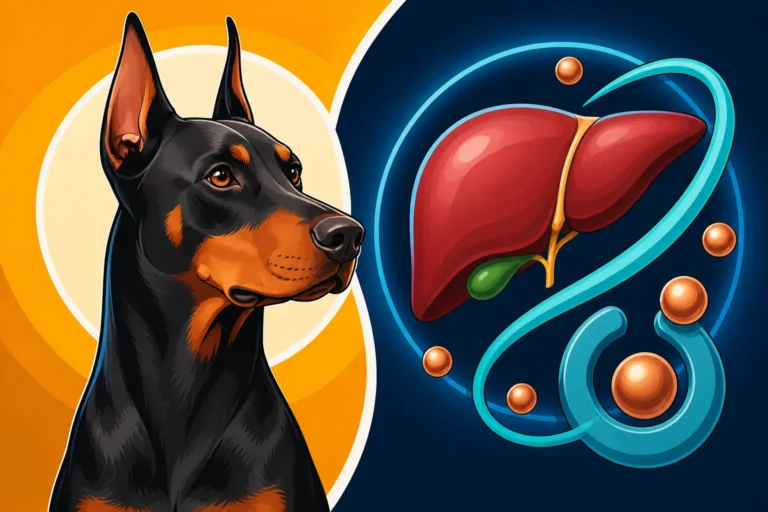
Normally, copper is an essential trace mineral. Our Dobermans need it for a whole host of bodily functions, like forming connective tissue, creating red blood cells, and maintaining nerve function. When they eat food, a small amount of copper is absorbed in the gut, travels to the liver, and is then either used by the body or excreted in bile. The liver acts like a central processing plant, making sure the right amount of copper is available and any excess is safely removed.
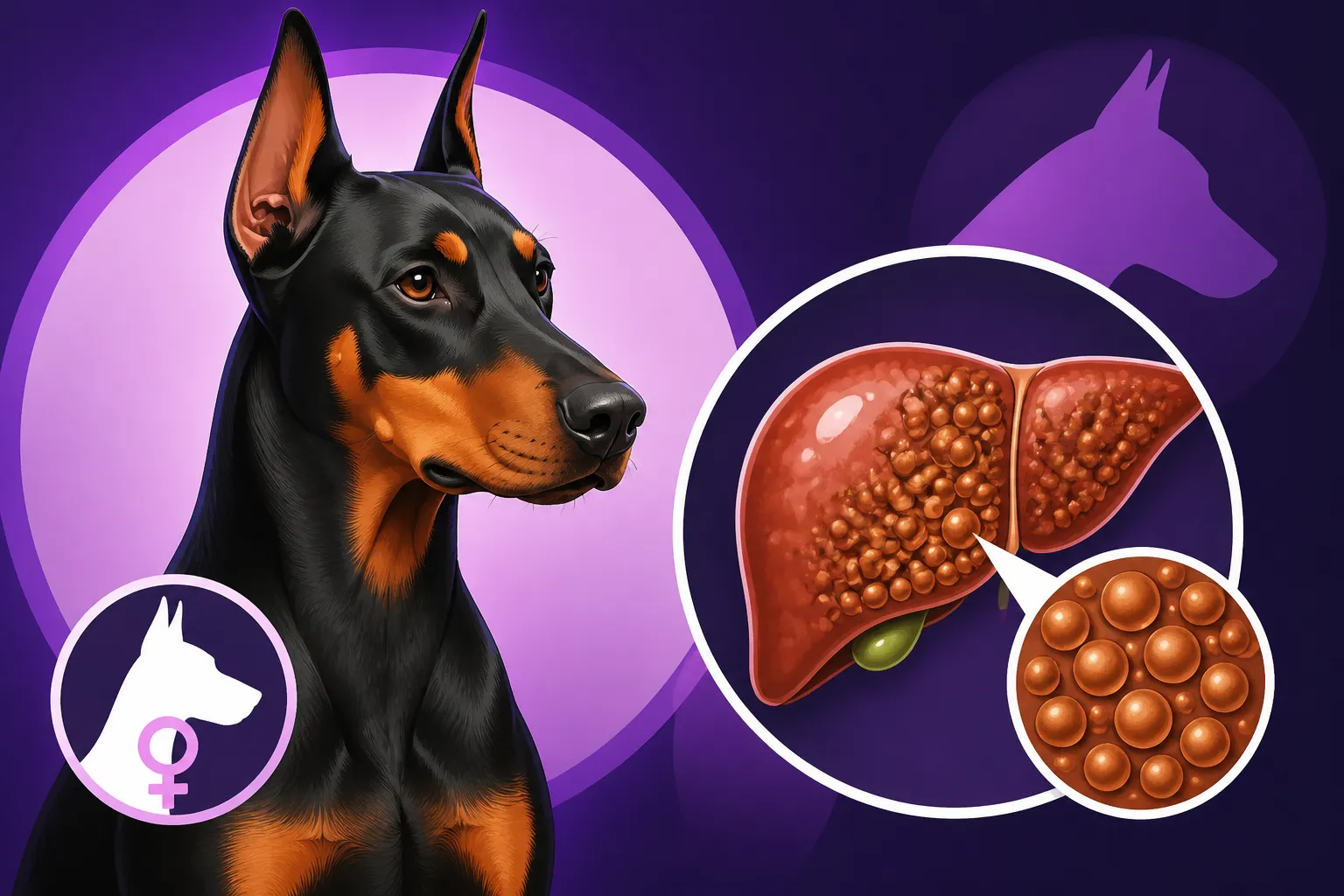
However, with copper storage disease, this delicate balance goes awry. For reasons we’ll explore, the liver either absorbs too much copper or, more commonly, simply can't excrete it efficiently into the bile. This means copper starts to accumulate within the liver cells, reaching toxic levels. Imagine a factory where the waste disposal system is failing; eventually, the waste builds up and starts to damage the machinery itself. That's essentially what happens with copper in the liver. This buildup triggers chronic inflammation, leading to cell damage, scarring (fibrosis), and eventually, irreversible liver cirrhosis and failure. It’s a slow burn, often progressing silently for years, which makes it particularly challenging for dedicated Doberman parents.
The Genetic Predisposition in Dobermans
The Doberman breed, sadly, carries a higher genetic risk for several health conditions, and copper storage disease is among them. While it’s not as widely understood with a clear-cut genetic marker as, say, Von Willebrand Disease or some forms of DCM, researchers have long recognized a hereditary component in Dobermans. It’s believed that certain genetic mutations affect how their bodies metabolize copper, making them inherently less efficient at processing and eliminating it. This means that even if a Doberman is on a perfectly balanced diet, their liver might still struggle to maintain healthy copper levels.
This predisposition is what differentiates it from secondary copper toxicosis, which might occur if a dog accidentally ingests a large amount of copper (e.g., from pennies or certain pesticides). In Dobermans, it's often an inherent fault in their copper metabolic pathways. It’s a quiet genetic burden that many Doberman lines carry, making proactive screening and awareness paramount for owners and breeders alike. While some breeds, like Bedlington Terriers, have a very specific gene mutation identified, the exact genetic picture in Dobermans is still under active research, suggesting it might be a more complex interplay of multiple genes or less penetrant mutations. Regardless of the precise genetic culprit, the clinical reality is that Dobermans are statistically more likely to develop this condition than many other breeds.
Why Female Dobermans Are Disproportionately Affected
One of the most perplexing and frustrating aspects of copper liver disease in Dobermans is its higher prevalence in females. As if managing a Doberman’s general health wasn't enough, understanding these sex-specific tendencies adds another layer of vigilance for female Doberman owners.
Hormonal Influences and Copper Metabolism
The scientific community has observed a higher incidence and often more severe progression of copper storage disease in female Dobermans, particularly intact females. While the precise mechanisms are still being fully elucidated, strong evidence points to hormonal influences, primarily estrogen, playing a significant role. Estrogen is known to impact copper metabolism in various ways, including affecting the synthesis of ceruloplasmin, a protein crucial for transporting copper in the blood and facilitating its excretion. If estrogen levels interfere with ceruloplasmin's function or the liver's ability to process it, it could lead to impaired copper removal and subsequent buildup.
Think of it like this: a normal liver has a well-oiled system for handling copper. In male Dobermans, this system might be inherently a bit less efficient than in other breeds, leading to issues. But in female Dobermans, particularly those with fluctuating or higher estrogen levels (like intact females or even those on certain medications), it’s like an additional wrench is thrown into the system, further impeding the liver’s ability to do its job. This hormonal factor can accelerate the accumulation of copper or make the liver more susceptible to damage from even moderate levels of copper intake. It's a cruel twist of fate for our girls, meaning we have to be extra vigilant and perhaps even consider spaying at an appropriate age as part of a broader health management strategy, always in consultation with a trusted veterinarian.
Clinical Presentation Differences Between Sexes
While both male and female Dobermans can develop copper storage disease, the onset and severity of clinical signs can sometimes differ, adding to the challenge of early detection in females. Anecdotal and some clinical observations suggest that female Dobermans might present with symptoms earlier or experience a more rapid progression of the disease once clinical signs become apparent. This isn't always a hard and fast rule, but it's a trend that warrants extra attention.
For instance, an intact female Doberman might begin showing subtle signs like intermittent lethargy, mild inappetence, or a dull coat around the age of three to six years, which might be dismissed as "just a phase" or related to estrus cycles. These vague symptoms could be indicative of underlying liver distress. By the time a male Doberman might show similar symptoms, the disease could be equally advanced, but the earlier onset in females makes the hormonal connection more plausible. Furthermore, if a female is diagnosed with CSD, managing her reproductive health (e.g., spaying) might become a more urgent consideration, as continued hormonal fluctuations could potentially exacerbate the condition. Understanding these subtle distinctions empowers Doberman parents to advocate more effectively for their girls, pushing for early diagnostic testing if any suspicious signs emerge, rather than waiting for obvious, undeniable symptoms of liver failure to manifest.
The Silent Threat: Recognizing Early Signs
The true terror of copper liver disease is its insidious nature. For too long, it can be a silent killer, slowly ravaging your Doberman's liver without any outward signs that something is terribly wrong. This makes early recognition incredibly difficult, but also incredibly important.
Insidious Onset and Non-Specific Symptoms
The cruel reality of copper storage disease is that it typically progresses for a long time without causing any noticeable symptoms. This "occult" phase can last for years, with the copper slowly accumulating, causing microscopic damage to liver cells, and triggering inflammation. By the time your Doberman starts to show outward signs, a significant portion of their liver may already be compromised. This is a common pattern with liver diseases in general, but particularly so with CSD. You might notice extremely subtle changes in your Doberman that are easy to dismiss as part of aging or just a moody day. Perhaps they're a little less enthusiastic about their morning walk, or they leave a few kibbles in their bowl when they used to clear it. Maybe they seem a bit more tired than usual after a play session, or you observe a slight, occasional bout of vomiting or diarrhea that resolves on its own.
These non-specific symptoms are the true challenge. They don't scream "liver disease" to the average owner, and even to a vet not specifically looking for CSD, they could point to dozens of other minor ailments. Your Doberman might still be wagging their tail, interacting with the family, and eating most of their meals. It's only when the copper burden becomes overwhelming and the liver's ability to function is severely impaired that the more obvious signs begin to emerge. This is why understanding your Doberman's normal behavior, appetite, and energy levels is so critical, and why any persistent, subtle deviations should warrant a call to your veterinarian, especially if you have a female Doberman from a line with a known history of liver issues. Catching these faint whispers of trouble is key, as the longer the disease goes undetected, the harder it is to manage effectively.
More Advanced Signs of Liver Failure
When copper storage disease reaches its later stages, the liver's ability to perform its many vital functions begins to fail dramatically, leading to much more pronounced and alarming symptoms. These signs indicate significant liver damage and often mean that immediate veterinary intervention is required. One of the most classic signs of advanced liver disease is jaundice, a yellowing of the skin, gums, and whites of the eyes, caused by the liver's inability to process bilirubin, a waste product of red blood cell breakdown. You might also notice ascites, which is a distension or swelling of the abdomen due to fluid accumulation. This happens because the liver can no longer produce enough albumin, a protein that helps maintain fluid balance in the blood vessels.
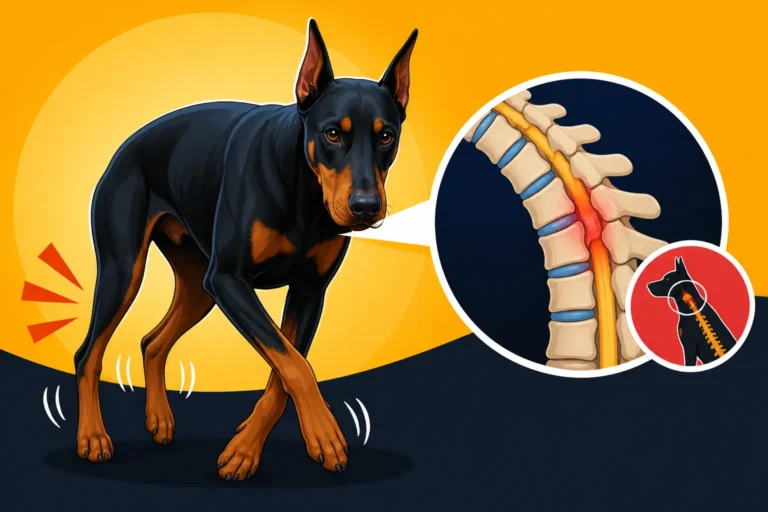
Beyond these visual cues, Dobermans with advanced CSD can exhibit other systemic problems. They might experience increased thirst and urination, particularly at night, as the kidneys try to compensate for the liver's dysfunction. You could see neurological signs, collectively known as hepatic encephalopathy, which result from toxins (like ammonia) building up in the bloodstream and affecting brain function. This can manifest as disorientation, circling, head-pressing, seizures, or even a comatose state. Additionally, severe liver damage can lead to issues with blood clotting, potentially causing bruising or bleeding abnormalities. A Doberman experiencing any of these advanced symptoms is in critical condition. At this point, the aim of treatment often shifts from preventing damage to managing the acute crisis and providing palliative care. The goal, always, is to avoid reaching this stage through vigilant monitoring and early intervention.
Diagnosing Copper Liver Disease in Your Doberman
Because copper liver disease is so often a silent operator, diagnosing it requires a proactive approach and a strong suspicion from your veterinarian. It’s not always a straightforward path, and it often involves a combination of tests.
Initial Blood Work and Imaging Clues
When your Doberman starts showing any non-specific signs, or if you simply want to be proactive due to their breed predisposition, your vet will likely start with routine blood work. This typically includes a complete blood count (CBC) and a biochemistry panel. On the biochemistry panel, the liver enzymes are what we’re really looking at. Elevated levels of alanine aminotransferase (ALT), aspartate aminotransferase (AST), and alkaline phosphatase (ALP) can all indicate liver cell damage or cholestasis (reduced bile flow). While these elevations are not specific to copper storage disease – many liver conditions can cause them – they certainly raise a red flag that something is amiss with the liver. You can learn more about interpreting these values in our guide on Liver Enzyme Results in a Doberman. Additionally, your vet might check bilirubin levels (if jaundice is present) or albumin levels (if liver function is significantly compromised).
Beyond blood tests, imaging plays a crucial role. An abdominal ultrasound allows your veterinarian to visualize the liver. They can assess its size – sometimes it’s enlarged, sometimes it’s shrunken due to chronic scarring – and look at its texture. Changes like a coarse or nodular appearance can suggest chronic inflammation and fibrosis. The ultrasound can also detect ascites (fluid in the abdomen) or check the patency of the bile ducts. While imaging can provide strong clues and rule out other causes of liver issues like tumors or gallstones, it cannot definitively diagnose copper storage disease or tell us the exact amount of copper present. It helps narrow down the possibilities and guides the next, more definitive steps.
The Definitive Diagnostic: Liver Biopsy
While blood tests and imaging can point a strong finger towards liver disease, the only way to definitively diagnose copper storage disease and quantify the amount of copper accumulated is through a liver biopsy. This procedure is crucial because it allows a veterinary pathologist to examine a small piece of liver tissue under a microscope, looking for characteristic changes like inflammation, fibrosis, and the presence of copper granules within the cells. More importantly, specialized laboratories can then perform a quantitative copper analysis on the tissue sample, providing a precise measurement of how much copper is actually stored in the liver.
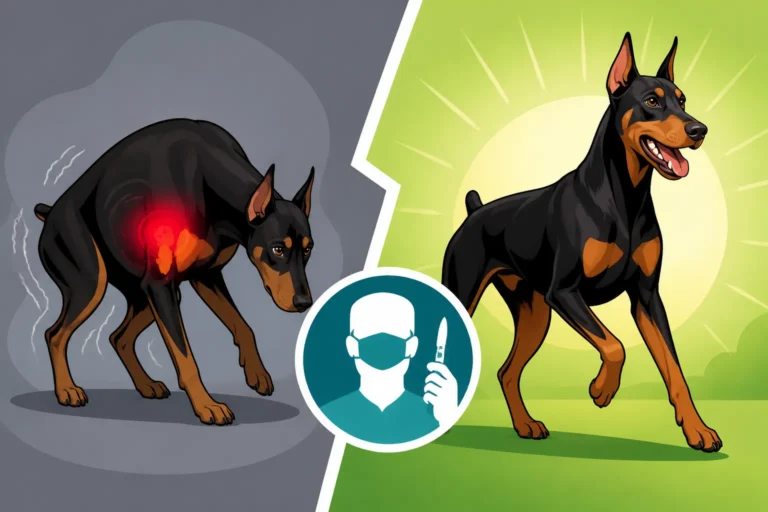
Performing a liver biopsy on a Doberman is not a trivial undertaking. It requires either general anesthesia for a surgical wedge biopsy or heavy sedation for a laparoscopic or ultrasound-guided needle biopsy. Your vet will need to perform pre-anesthetic blood work, including a clotting profile, because a diseased liver can impair the body's ability to clot blood, posing a risk of hemorrhage during or after the procedure. This is where comprehensive pet insurance like Healthy Paws can be a real lifesaver, helping to cover the often significant costs associated with specialized diagnostics and anesthesia. The decision to proceed with a biopsy is typically made when there’s a strong suspicion of CSD based on other findings, and the results will directly guide the specific treatment plan. It’s an invasive step, yes, but often the only way to get a clear answer and truly understand the extent of the disease. For a deeper dive into this procedure, check out our article on Liver Biopsy in a Doberman.
Genetic Testing for Predisposition
The world of canine genetics is constantly evolving, and for many breeds, specific genetic tests can identify predispositions to various diseases. For Dobermans and copper storage disease, it's a bit more nuanced than for some other breeds, where a single, clear-cut gene mutation for CSD has been identified and a simple cheek swab can confirm risk (e.g., Bedlington Terriers). As of now, there isn't one universally accepted, commercially available genetic test that definitively predicts CSD risk in Dobermans with the same certainty as, say, a DNA test for Von Willebrand Disease. However, research is ongoing, and some studies have explored potential genetic markers or associations.
This doesn't mean genetic information is useless. Reputable Doberman breeders should still be diligent about health testing their breeding stock, which includes screening for conditions like heart disease, Von Willebrand, and basic liver panels. While it won't directly tell you about copper levels, a breeder who tracks health and longevity in their lines, and is transparent about any liver issues that have appeared, is a much safer bet. We encourage all prospective Doberman owners to insist on seeing The Health Testing a Doberman Breeder Must Show for the parents of any puppy they consider. As science advances, it's possible that more specific Doberman CSD genetic tests will become available, offering another valuable tool for early detection and responsible breeding. Until then, vigilance, regular veterinary check-ups, and an understanding of the breed's predispositions remain our best defense.
Managing Copper Liver Disease: Treatment and Prognosis
Receiving a diagnosis of copper liver disease can feel overwhelming, but it’s crucial to remember that this condition can be managed, especially if caught early. Treatment typically involves a multi-pronged approach aimed at reducing copper accumulation, supporting liver function, and alleviating symptoms.
Dietary Management: The Cornerstone of Treatment
One of the most immediate and impactful steps in managing copper storage disease is to drastically reduce the amount of copper in your Doberman's diet. This isn't just about picking any "liver diet" off the shelf; it requires a carefully formulated, low-copper prescription diet or a vet-supervised home-cooked diet. Many common dog food ingredients are surprisingly high in copper, including organ meats (like liver itself), certain grains, legumes, some types of fish, and even specific vegetables. It’s a huge adjustment, as you might be used to feeding a high-quality, protein-rich diet, only to find some of those ingredients are now problematic.
The goal of a low-copper diet is to minimize the new copper entering the system, giving the liver a break and preventing further accumulation. Commercial prescription diets like Hill's Prescription Diet l/d, Royal Canin Veterinary Diet Hepatic Support, or Purina Pro Plan Veterinary Diets Hepatic are specifically formulated with reduced copper levels and balanced to support liver health. However, these diets might not be palatable to every Doberman, and some owners prefer to home-cook. If you go the home-cooked route, it's absolutely essential to work with a board-certified veterinary nutritionist to ensure the diet is complete, balanced, and appropriately low in copper, otherwise, you risk creating other nutritional deficiencies. You can delve deeper into this critical aspect in our article, Low-Copper Diets for a Doberman. Strict adherence to the prescribed diet is non-negotiable for successful long-term management.
Medications and Supplements
Beyond dietary changes, several medications and supplements play a vital role in actively removing excess copper and supporting liver health.
Chelation Therapy: This is typically the first line of pharmacological treatment once a diagnosis of significant copper accumulation is made. Chelating agents, such as D-Penicillamine (often prescribed as Cuprimine or Depen) or Trientine (Syprine or Cuprid), work by binding to the copper ions in the body, forming a complex that can then be excreted through the urine. Think of them as tiny magnets, grabbing the excess copper and ushering it out of the system. This therapy is potent but can have side effects, including gastrointestinal upset, lethargy, or even blood abnormalities, especially with D-Penicillamine. Your Doberman will need careful monitoring, often with regular blood tests, to ensure they are tolerating the medication and that the copper levels are decreasing.
Zinc Supplementation: Once initial copper levels have been reduced, or in cases of milder accumulation, zinc supplementation becomes a crucial part of the long-term management strategy. Zinc works by inducing a protein in the intestinal cells called metallothionein, which binds to dietary copper, preventing its absorption into the bloodstream. It essentially forms a barrier in the gut, making it harder for new copper to enter the body. Zinc is generally well-tolerated, but it's important to use the correct form and dosage as prescribed by your vet, as too much zinc can lead to other issues. This approach is often used as a maintenance therapy after chelation or in conjunction with a low-copper diet. For a comprehensive look at how these medications work, be sure to read Copper Chelation for a Doberman Liver.
Antioxidants & Liver Support: The chronic inflammation and damage caused by copper accumulation generate a lot of harmful free radicals in the liver. Antioxidants help neutralize these. S-Adenosylmethionine (SAMe), often found under brand names like Denamarin, is a popular liver support supplement. It helps protect liver cells from damage and aids in their repair. Milk thistle (silymarin) is another herbal supplement frequently used for its antioxidant and anti-inflammatory properties, although its efficacy in dogs is still debated and should always be discussed with your vet. Ursodiol (Actigall, Urso) may also be prescribed to improve bile flow and protect liver cells. These supplements aim to support the liver as it heals and recovers, and they are usually given in conjunction with chelation and dietary changes. The costs of these long-term medications and frequent vet visits can add up quickly, which is why a robust pet insurance plan like Healthy Paws is invaluable, providing peace of mind and financial support when you need it most.
Monitoring and Long-Term Care
Managing copper liver disease isn't a one-and-done treatment; it's a lifelong commitment to careful monitoring and ongoing care. Regular veterinary check-ups are absolutely non-negotiable. Initially, your Doberman will likely need frequent blood tests, perhaps every few weeks to months, to monitor liver enzyme levels and assess their response to chelation therapy. Once copper levels start to normalize and your Doberman is on a stable maintenance regimen (often involving a low-copper diet and zinc), these blood tests might become less frequent, perhaps every 3-6 months. Checking key indicators like ALT, AST, and ALP will help your vet gauge the ongoing health of the liver.
In some cases, your veterinarian might recommend repeat liver biopsies further down the line, perhaps a year or two after initiating treatment. While invasive, a follow-up biopsy can provide the most accurate picture of how much copper remains in the liver tissue and if the treatment plan is effectively reducing it. This also helps in deciding if chelation therapy can be tapered or if zinc supplementation is sufficient for maintenance. The prognosis for Dobermans with copper storage disease varies widely depending on how early the disease is diagnosed and how consistently the treatment protocol is followed. Dobermans diagnosed in the early, asymptomatic stages often have a much better prognosis and can live many happy years with proper management. However, if the disease is only detected at an advanced stage with significant liver damage or cirrhosis, the prognosis becomes much more guarded. This consistent monitoring, while sometimes costly, is crucial for adapting the treatment plan as needed and ensuring your Doberman maintains the best possible quality of life. For more detailed information on monitoring, refer to our article on Monitoring Bloodwork for a Doberman Liver.
Prevention and Breeder Responsibility
While treating copper liver disease is vital, prevention and early awareness are equally, if not more, important. For Doberman owners and especially breeders, understanding the breed's predispositions is a moral imperative.
Breeder Screening and Ethical Practices
The bedrock of preventing hereditary diseases like copper storage disease lies with responsible breeders. While a single, definitive genetic test for CSD in Dobermans is not yet widely available or foolproof, ethical breeders still have a critical role to play. They should be intensely knowledgeable about the health history of their breeding lines, going back several generations. This includes tracking instances of liver disease, even if the specific cause wasn't identified as CSD. Breeders should be actively health testing their breeding animals beyond the basic requirements. This often means regular comprehensive blood panels, including liver enzymes, as part of their pre-breeding screening. While elevated enzymes don't always mean CSD, they signal a potential problem that warrants further investigation before breeding.
Furthermore, responsible breeders should be transparent with prospective puppy owners about any known health issues in their lines, including anecdotal reports of liver disease. They should provide a full health guarantee and be willing to discuss the results of all health tests for the parents. If a breeder is unable or unwilling to provide documentation for general The Health Testing a Doberman Breeder Must Show, or if they dismiss concerns about breed-specific health problems, it's a major red flag. By choosing a breeder who prioritizes health and actively screens for potential issues, you significantly reduce your Doberman's risk of inheriting such a devastating condition. This proactive approach by breeders is the first and most powerful step in safeguarding the future health of the Doberman breed.
Early Intervention and Awareness
As Doberman parents, our vigilance is the next crucial layer of defense against silent diseases. Even with the most responsible breeder, genetic predispositions can sometimes surprise us, or a new health challenge can emerge. This is why being attuned to your Doberman's normal behavior, appetite, and energy levels is paramount. No one knows your dog better than you do. If you notice any persistent, subtle changes – a slight decrease in appetite, a little less bounce in their step, or even just an "off" feeling about them – don't dismiss it. Especially if you have a female Doberman, given their higher risk profile.
Bring these concerns to your veterinarian, even if they seem minor. Discuss the Doberman's known predisposition to copper liver disease and ask your vet to include a thorough liver panel in their routine check-ups, even if your dog isn't showing obvious symptoms. Catching abnormalities in liver enzymes early, before clinical signs of liver failure emerge, provides the best chance for successful management. While a definitive diagnosis might require an invasive biopsy, identifying the warning signs through routine blood work can prompt that necessary investigation. Understanding How Many Dobermans Have Silent Liver Disease can be a stark reminder that this threat is very real. Early intervention, guided by awareness and proactive veterinary care, offers the best hope for mitigating the impact of this challenging disease and ensuring our beloved Dobermans live full, comfortable lives.
Comparing Liver Enzyme Changes in CSD Progression
Understanding how liver enzyme levels might change over time can be helpful, although remember these are general guidelines and individual cases can vary significantly. Always consult your veterinarian for specific interpretations of your Doberman's test results.
| Indicator | Early/Silent Stage of CSD | Advanced/Symptomatic Stage of CSD |
|---|---|---|
| ALT (Alanine Aminotransferase) | Often mildly to moderately elevated; can be normal. | Usually markedly elevated, indicating widespread liver cell damage. |
| AST (Aspartate Aminotransferase) | Similar to ALT, mildly to moderately elevated. | Markedly elevated, often alongside ALT. |
| ALP (Alkaline Phosphatase) | Can be normal or mildly elevated. | Frequently significantly elevated, especially with cholestasis (impaired bile flow). |
| GGT (Gamma-Glutamyl Transferase) | Often normal; may be mildly elevated if bile flow is affected. | Can be significantly elevated with cholestasis. |
| Bilirubin | Normal | Elevated, leading to jaundice (yellowing). |
| Albumin | Normal | Decreased (hypoalbuminemia), contributing to ascites (fluid in abdomen). |
| Blood Urea Nitrogen (BUN) | Normal | Can be decreased (indicating poor liver synthesis) or increased (with dehydration/kidney issues). |
| Glucose | Normal | Can be low (hypoglycemia) due to impaired liver function. |
| Cholesterol | Normal or slightly elevated | Variable; often low with severe liver dysfunction. |
| Coagulation Times (PT/aPTT) | Normal | Prolonged, indicating impaired clotting factor production. |
Disclaimer
The information provided in this article is for general informational purposes only and is not intended as a substitute for professional veterinary advice, diagnosis, or treatment. Always seek the advice of your qualified veterinarian with any questions you may have regarding a medical condition or the health and welfare of your Doberman. Never disregard professional veterinary advice or delay in seeking it because of something you have read in this article.