Dental Chews Sized for a Doberman
It’s a common frustration for Doberman owners: you buy a dental chew, thinking it will last, only to have your strong-jawed companion demolish it in mere minutes. This isn't just about wasted money; it's about finding an effective tool to support your Doberman's oral health against the inevitable buildup of plaque and tartar. This guide will delve into the world of dental chews, helping you understand what truly works for a Doberman's unique needs and how to choose products that contribute meaningfully to their long-term well-being.
Why Dobermans Need Specific Dental Chew Considerations
Our Dobermans are magnificent animals, known for their powerful build, intelligent minds, and, let's be honest, those impressive jaws. But these very traits that make them so striking also mean they have specific requirements when it comes to something as seemingly simple as a dental chew. Generic chews often fall short, either getting swallowed too quickly to be effective or, worse, posing choking hazards.
The Unique Challenges of a Doberman's Mouth
Dobermans possess a strong bite force, thanks to their breeding as working dogs. This means they can make quick work of many chews designed for smaller or less powerful breeds. A chew that lasts five minutes for a Chihuahua might be a single gulp for your Doberman. The size of their mouth, combined with this strength, dictates that any dental product needs to be robust and appropriately proportioned.
Beyond their brute strength, Dobermans also have a long, somewhat narrow muzzle, and their teeth, while strong, are susceptible to the same issues as any other dog's: plaque accumulation, tartar formation, and eventually, gum disease. Their breed can also be prone to certain health conditions that might make oral health even more critical. For instance, good dental hygiene reduces the bacterial load in the mouth, which can impact overall systemic health. Keeping Tartar Off a Doberman's Long Teeth is a constant battle, and the right chew can be a valuable ally.
Beyond Just Fresh Breath: The Real Stakes for Doberman Dental Health
Many of us get a dental chew hoping for that quick fix for "dog breath." While fresh breath is a nice bonus, the real goal is much more profound. Periodontal disease, which starts with plaque and tartar buildup, is incredibly common in dogs, often by the time they are three years old. This isn't just a cosmetic issue; it's a serious health concern that can lead to pain, tooth loss, and even systemic infections affecting organs like the heart, kidneys, and liver.
Imagine your Doberman trying to eat or play with a painful tooth. It's heartbreaking to think about, and often, dogs are stoic and won't show obvious signs of discomfort until the problem is quite advanced. Regularly providing appropriate dental chews, alongside other oral care practices, can significantly reduce the risk of these painful and costly conditions. These preventative measures can help avoid needing interventions like Whether a Doberman Needs Yearly Scaling as frequently, which often requires anesthesia and can be a concern for owners. Good oral hygiene is an integral part of your Doberman’s preventative care, contributing to their comfort and longevity.
What to Look for in a Doberman-Sized Dental Chew
Choosing the right dental chew for your Doberman is less about grabbing the first bag you see and more about thoughtful selection. It's about finding a product that can withstand their chewing power, actively clean their teeth, and be safe for them to consume. It's an investment in their health, so doing a little homework pays off.
Size and Durability: Avoiding Choking Hazards and Quick Destruction
This is perhaps the most critical factor for Dobermans. A dental chew that's too small can be a choking hazard, swallowed whole before it has a chance to clean any teeth. You need something substantial, designed for "large" or "giant" breeds. Don't be afraid to go up a size if your Doberman is particularly enthusiastic. The chew should be large enough that your Doberman can't easily get it entirely into their mouth and swallow it without chewing.
Durability goes hand-in-hand with size. Look for chews that are dense and designed for aggressive chewers. Some brands specifically market "power chewer" or "long-lasting" options, which are usually a good starting point. However, even these need supervision. No chew is truly indestructible, and even a durable one can break into smaller pieces that could be swallowed if your Doberman is determined enough. Always observe your Doberman when they're enjoying a new chew, especially in the first few sessions. The goal is a chew that encourages sustained chewing, scraping against the tooth surfaces for an extended period, rather than one that vanishes instantly.
Ingredients and Formulations for Effective Cleaning
Just like human toothpastes, dental chews contain ingredients designed to combat plaque and tartar. Look for ingredients that are scientifically proven or widely recognized for their dental benefits. These often include:
- Enzymes: Ingredients like glucose oxidase and lactoperoxidase can help break down plaque and inhibit bacterial growth in the mouth.
- Abrasives: The mechanical action of chewing itself is abrasive, but some chews incorporate ingredients like rice hulls or specific shapes to enhance this scrubbing action.
- Breath Fresheners: While secondary, ingredients like chlorophyll, mint, or parsley can help with halitosis, signaling a reduction in oral bacteria.
Beyond the active dental ingredients, consider the overall nutritional profile. Many dental chews are high in calories, so they need to be factored into your Doberman's daily intake. Some Dobermans might have sensitivities or allergies, so check for common allergens like chicken, beef, or grains if your dog has known issues. Brands like Greenies, for example, offer different formulas, including grain-free options. While you're not looking for a complete meal replacement, choosing a chew with wholesome, easily digestible ingredients is always a good practice. You want to contribute positively to their overall diet, which is critical when you're Feeding an Eighty-Pound Doberman Well.
Textures and Shapes that Actually Work
The texture and shape of a dental chew play a huge role in its effectiveness. Smooth, soft chews might be tasty, but they often don't provide enough mechanical abrasion to clean teeth effectively. Look for:
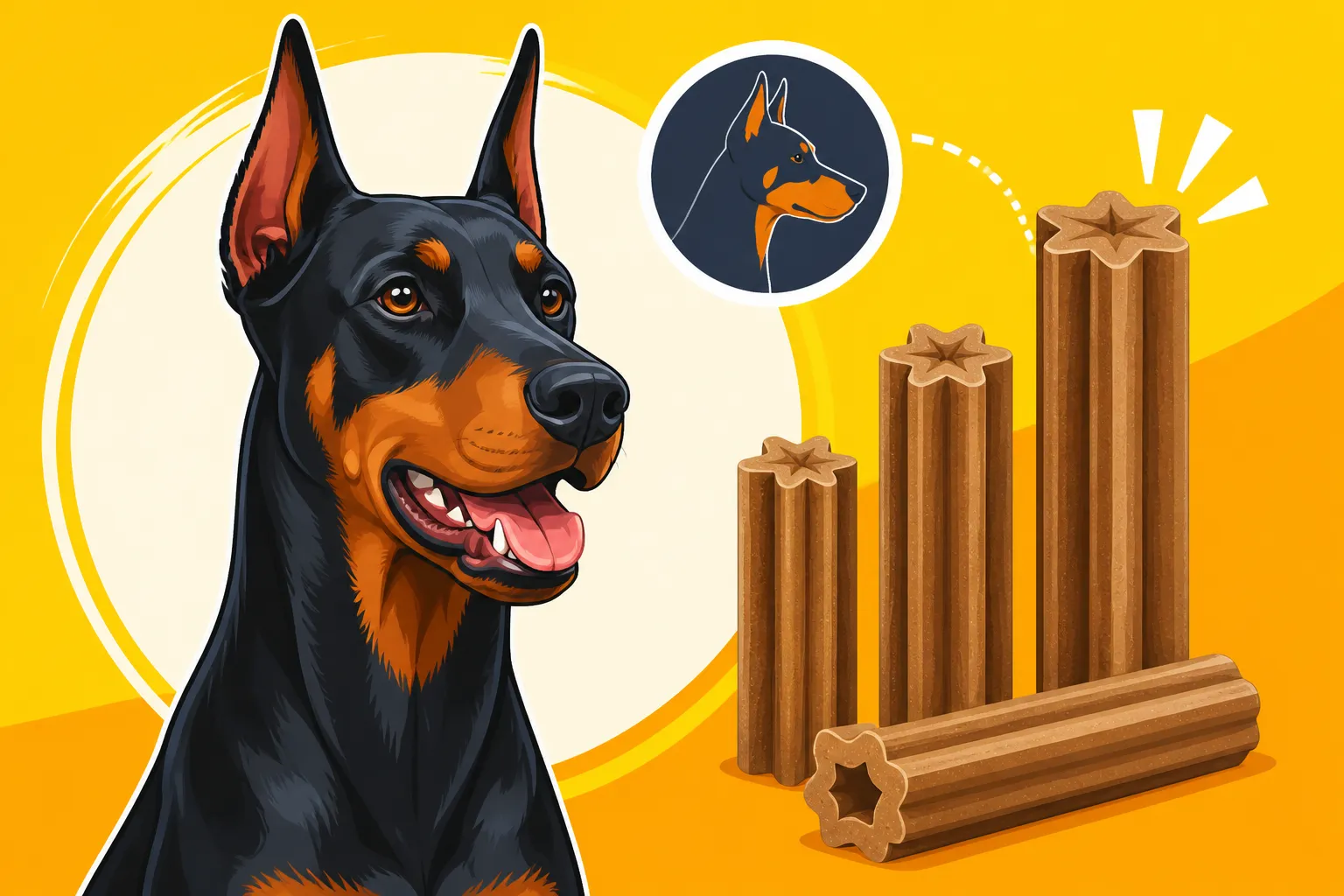
- Ridges, nubs, and grooves: These textured surfaces are designed to rub against the tooth surface and gum line as your Doberman chews, helping to dislodge plaque. Think of them like tiny toothbrushes.
- Irregular shapes: Chews that have odd or varied shapes can be more engaging for your Doberman and can get into different nooks and crannies of their mouth.
- Density: A chew shouldn't be rock-hard, which could risk tooth fractures, but it also shouldn't be so soft that it squishes away instantly. There's a sweet spot where it's firm enough to scrub but yielding enough to be safe.
Some popular shapes include bone-like structures, star shapes, or even brush-like designs. Experiment a little to see which shapes your Doberman enjoys and which ones seem to provide the most cleaning action. What works for one Doberman might not be as effective for another, so don't be afraid to try a few different types.
Here's a quick comparison of common dental chew types for Dobermans:
| Chew Type | Durability for Dobermans | Cleaning Mechanism | Key Considerations |
|---|---|---|---|
| Traditional Grain-Based Chews | Moderate to High | Abrasive texture, some contain enzymes. | Good for daily use, but can be high calorie; check ingredients for allergens. |
| Grain-Free Chews | Moderate to High | Similar to grain-based, focus on alternative binders. | Good for sensitivities, but still check calorie content. |
| Vegetable-Based Chews | Variable (often high) | Dense, chewy texture, often with unique shapes/ridges. | Often lower calorie, good for dogs with protein sensitivities. |
| Edible Rawhide Alternatives | High | Very dense, long-lasting chew, mechanical abrasion. | Ensure it's digestible and sourced safely; some can splinter. |
| Natural Chews (e.g., bully sticks, yak chews) | High | Very tough, long-lasting, natural abrasion. | Can be very high calorie, expensive, and splintering risk for some. |
Remember, the best dental chew is one your Doberman will actually chew consistently, and that provides safe, effective cleaning.
Integrating Dental Chews into Your Doberman's Routine
Getting your Doberman to chew on a dental treat is the easy part for most of us. The real trick is to make sure it's part of a holistic oral hygiene plan and that you're using them safely and effectively. Dental chews are a fantastic tool, but they aren't a magic bullet that replaces all other care.
How Often and When to Offer Dental Chews
Many dental chews are designed to be given daily for optimal results. Think of it like brushing your own teeth – consistency is key. A chew given once a week might offer some benefit, but it won't be as effective at preventing daily plaque buildup. However, because many chews are calorie-dense, you'll need to adjust your Doberman's regular food intake to prevent unwanted weight gain. Check the packaging for specific recommendations regarding frequency and calorie content. If your Doberman is on a strict diet or you're counting Daily Calories for an Adult Doberman, you might need to find lower-calorie options or cut back slightly on their kibble portion.
Timing can also play a role. Some owners find giving a dental chew after a meal helps to scrape away food particles. Others use it as a special daily treat or a way to keep their Doberman occupied. The most important thing is that it becomes a regular, positive experience for your dog. For some, it might even be a way to alleviate boredom, especially on days they might be less active.
Balancing Chews with Other Oral Care Practices
While dental chews are excellent, they are only one part of comprehensive oral care. To truly protect your Doberman's teeth and gums, you should aim for a multi-pronged approach:
- Regular Brushing: This remains the gold standard. Aim for daily brushing with a dog-specific toothpaste and brush. Even a few times a week can make a huge difference. Getting your Doberman used to this from a young age is ideal.
- Veterinary Check-ups: Your vet will examine your Doberman's teeth during their annual check-up. They can spot issues you might miss and recommend professional cleanings under anesthesia if necessary. These check-ups are vital, especially as The Doberman Years When Everything Shows Up and dental issues can become more pronounced.
- Oral Rinses/Additives: Some vets recommend water additives or oral rinses that can help reduce bacteria and plaque. These can be particularly useful if your Doberman is resistant to brushing.
- Appropriate Diet: A high-quality kibble that encourages chewing can also contribute to dental health. Some prescription dental diets are specifically designed with larger kibble sizes and unique textures to clean teeth. While a kibble won't replace a dedicated chew, it can certainly help.
Think of dental chews as an important supplementary tool, not a replacement for brushing or professional veterinary care. They enhance the overall routine, making it easier to maintain good oral hygiene between vet visits.
Monitoring for Adverse Reactions or Over-Chewing
Even the best dental chews require some vigilance. Always supervise your Doberman, especially when they're first trying a new type of chew. Here’s what to watch out for:
- Choking hazards: If the chew breaks into small, swallowable chunks, remove them immediately.
- Digestive upset: Some dogs might experience an upset stomach, diarrhea, or vomiting if they're not used to a particular ingredient or if they consume too much of a new chew too quickly. Introduce new chews gradually.
- Tooth fractures: While rare with most commercial dental chews, extremely hard chews (like some natural bones or antlers) can chip or break teeth. If you hear your Doberman grinding or struggling excessively, or if you notice any signs of pain or bleeding from the mouth, remove the chew.
- Allergic reactions: Keep an eye out for itching, hives, facial swelling, or severe gastrointestinal issues after introducing a new chew.
If your Doberman is a super-fast chewer, even a "long-lasting" chew might disappear quickly. In this case, you might need to adjust your expectations or provide more frequent, smaller chews throughout the day, always mindful of calorie intake. For Dobermans that tend to swallow things too fast, even a seemingly appropriate chew can cause issues. It’s always best to be present.
Where to Find Quality Dental Chews for Your Doberman
Once you know what to look for, finding the right dental chews becomes much easier. There are many reputable sources, both online and in brick-and-mortar stores, that carry products suitable for Dobermans.
Online Retailers and Their Offerings
Online stores offer an enormous selection, often with detailed product descriptions and customer reviews that can be incredibly helpful when researching options for a large breed like a Doberman.
- Chewy: This is a fantastic resource for pet owners. Chewy often carries a wide variety of dental chews from numerous brands, and their filtering options allow you to easily search by breed size, ingredient preferences, or specific dental benefits. You can often find bulk packs, which can be more economical for daily use with a large dog. Brands like Greenies, Dentastix, and other reputable names are readily available here, often with comprehensive ingredient lists and customer feedback that highlights how well products hold up to strong chewers.
- Amazon: Another giant in online retail, Amazon also offers a vast array of dental chews. Many of the same brands you find on Chewy will be here, and you can often benefit from fast shipping options. Pay close attention to seller reputation and read reviews carefully, as the sheer volume of products means you need to be discerning. Look for products specifically labeled for "large" or "XL" dogs to ensure they are appropriately sized for your Doberman.
- Brand Websites: Many dental chew manufacturers have their own websites where you can purchase directly. This can sometimes offer exclusive deals or provide the most up-to-date information on their product formulations.
When shopping online, always double-check the product's sizing guide and read recent reviews from other large-dog owners. What works for a Labrador might not quite cut it for a Doberman!
Specialty Pet Stores and Expert Advice
Don't underestimate the value of visiting a physical pet store, especially smaller, independent ones or larger chains like Petco or PetSmart.
- Hands-On Inspection: In a store, you can physically examine the chew – feel its density, see its true size, and check the texture. This tactile experience can be invaluable for assessing durability. You can often compare several options side-by-side to find the most robust choices.
- Staff Expertise: Employees at specialty pet stores are often passionate and knowledgeable about pet products. They might be able to recommend specific brands or types of chews that have proven popular and effective for large, strong-jawed breeds like Dobermans. They can answer questions about ingredients, calorie content, and how to introduce new chews safely. This personal interaction can be particularly helpful if you're new to Doberman ownership or struggling to find something that works.
- Local Brands/Unique Finds: Sometimes, smaller pet stores carry regional or niche brands that might not be as widely available online. You might discover a hidden gem that becomes your Doberman's new favorite.
Remember, whether you're shopping online or in person, the goal is to find a chew that contributes positively to your Doberman's oral health, is safe, and is enjoyable for them. It’s a continuous process of observation and adjustment, but a happy, healthy Doberman with a sparkling smile is well worth the effort.
Disclaimer
This article is for general informational purposes only and does not constitute professional advice. Laws, prices and regulations vary by location and change over time. Consult a qualified professional for guidance on your specific situation.