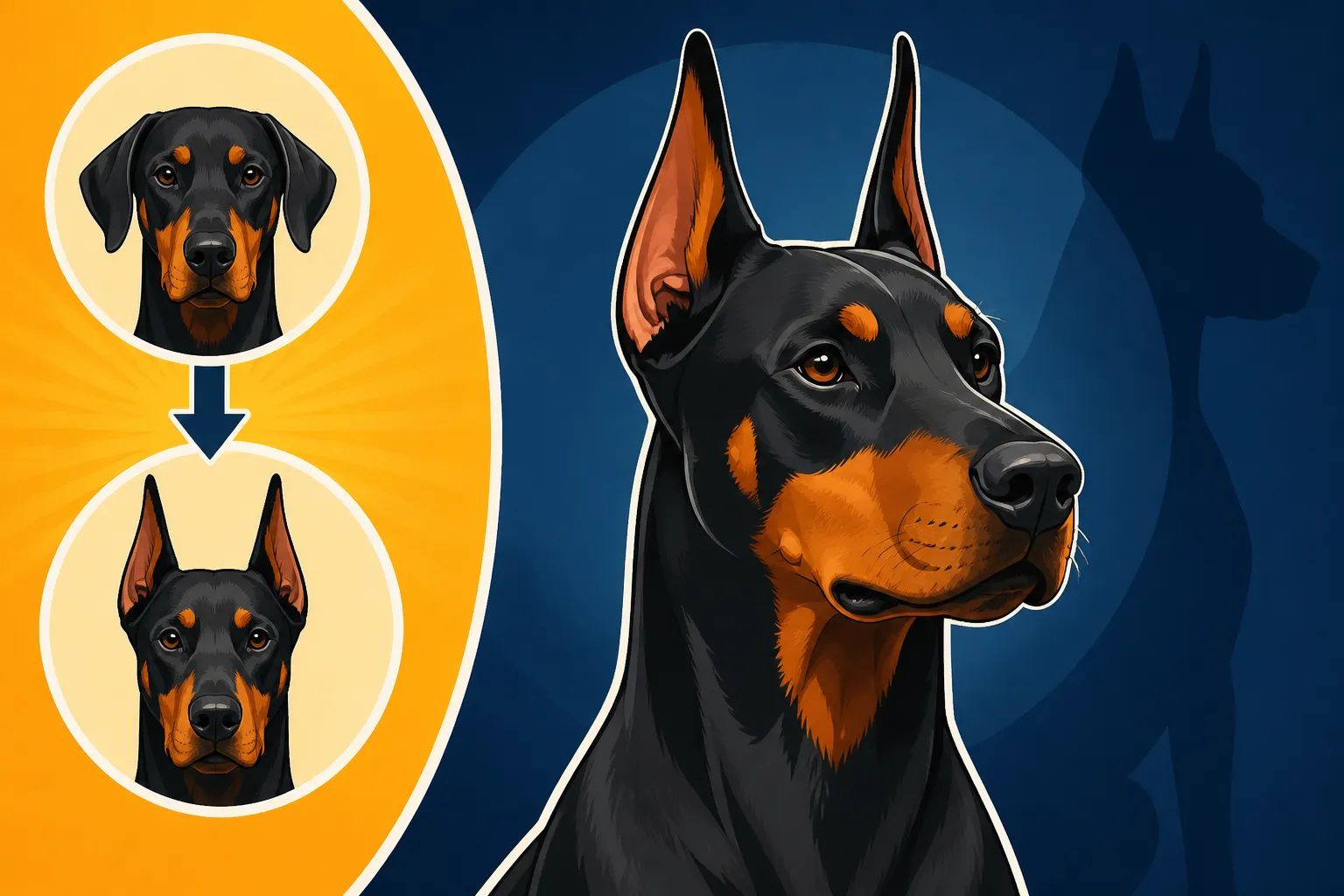
Doberman Ear Cropping in the Standard
The decision to crop a Doberman's ears is one of the most talked-about and, frankly, often debated choices a Doberman owner faces. It’s a procedure steeped in tradition, deeply tied to the breed's visual identity, and yet surrounded by strong ethical considerations and evolving perspectives. This guide aims to thoroughly explore the historical context, the role of breed standards, the practicalities of the procedure and its extensive aftercare, and the modern ethical discussions surrounding Doberman ear cropping.
The Deep Roots of Doberman Ear Cropping
For many, the image of a Doberman Pinscher immediately conjures up those erect, regal ears standing proudly atop a sleek head. This isn't a natural look, though; it's the result of a surgical procedure followed by weeks, if not months, of meticulous aftercare. To understand why this practice became so ingrained, we need to take a quick trip back in time to the breed's very origins.
Origin of the Practice
When Karl Friedrich Louis Dobermann was developing this breed in the late 19th century in Apolda, Germany, his primary goal was to create a formidable guardian and companion. He needed a dog that was fearless, agile, and intimidating. Dobermann himself was a tax collector, and his rounds were often dangerous, requiring a dog that could deter potential threats. This was a utilitarian breed, bred for a very specific job.
In those days, ear cropping and tail docking were common practices for working dogs across many breeds, not just Dobermans. The prevailing belief was that these modifications offered practical advantages. Floppy ears could be easily grabbed by an aggressor, either human or animal, in a fight, leaving the dog vulnerable. Short tails were thought to prevent injury in dense undergrowth or during confrontations. While the scientific evidence for these claims might be debated today, the logic at the time was purely functional, born out of necessity for a dog designed for protection and demanding work.
Early Doberman Function and Form
The early Dobermans were rugged, fearless dogs. Their jobs could range from guarding property to accompanying their owners on dangerous routes. A cropped ear, standing erect, was not only seen as a functional advantage but also contributed to a more alert, imposing appearance. This look quickly became synonymous with the breed's fierce reputation and its purpose. It was about enhancing the dog's ability to perform its duties, both by removing perceived vulnerabilities and by visually communicating its deterrent qualities.
Over generations, as the breed was refined, the cropped ear became a hallmark. Breeders selected for dogs that could carry a crop well, further solidifying its place in the breed's aesthetic. It was less about individual choice and more about adhering to the established look of a working guardian. The form followed the perceived function, and eventually, the aesthetic became just as important as the original utility. This historical context is crucial for understanding why, even as views change, the practice holds such a strong traditional pull for many Doberman enthusiasts.
The Doberman Breed Standard and Ear Cropping
The breed standard is essentially the blueprint for what an ideal Doberman should look like and behave. It's set by national kennel clubs and aims to preserve the breed's distinct characteristics. When it comes to ear cropping, these standards have a significant influence, though their interpretation and enforcement vary widely across different parts of the world.
AKC's Stance on Cropping
In the United States, the American Kennel Club (AKC) standard for the Doberman Pinscher describes the ears as "customarily cropped and carried erect." It goes on to state that if ears are uncropped, they should be "set on the top of the skull" and "of medium size." This wording is critical. It acknowledges the tradition of cropping without making it a mandatory requirement for registration or exhibition. However, the phrase "customarily cropped" certainly lends weight to the practice within the show ring culture.
Historically, showing an uncropped Doberman in the AKC ring often placed a dog at a disadvantage, subtle or not. Judges are trained to assess dogs against the ideal described in the standard, and for many, that ideal includes the signature cropped ears. While it's not explicitly stated that an uncropped dog will be penalized, the emphasis on the "customary" look can influence overall impression and placement. This creates a challenging situation for owners who prefer a natural ear but also wish to participate in conformation events. It's a tension between tradition, aesthetics, and evolving ethical perspectives.
FCI and International Standards
Across the globe, the situation is markedly different. The Fédération Cynologique Internationale (FCI), which governs many European kennel clubs, adopted a global ban on ear cropping in 1990. Many countries, particularly in Europe, have followed suit, making the practice illegal. This means that in countries like Germany, the breed's country of origin, it is forbidden to crop a Doberman's ears. Dogs with cropped ears cannot be shown in FCI-affiliated conformation events in these countries unless they were cropped before the ban came into effect or imported from a country where cropping is still legal, often with specific limitations.
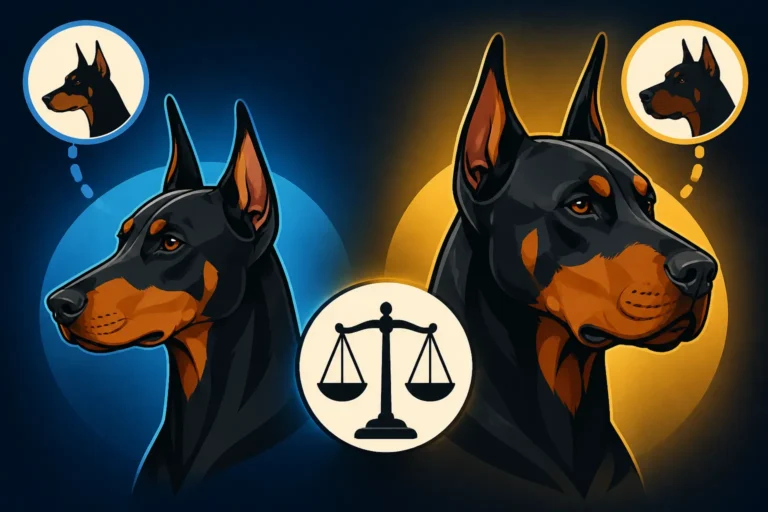
This international divergence means that the "look" of a Doberman can vary significantly depending on where you are. A Doberman bred in Germany will almost certainly have natural, floppy ears, while an American-bred Doberman is often cropped. This has led to distinct visual differences between what are sometimes referred to as American Against European Dobermans, with ear set being one of the most immediate identifiers. These differing standards reflect a broader cultural shift towards animal welfare, where cosmetic surgeries are increasingly frowned upon.
The Impact on Show Rings
The breed standard's wording and a country's legal standing on cropping directly impact a Doberman's career in the show ring. In the AKC, while an uncropped Doberman can technically compete, the prevailing aesthetic bias means they face an uphill battle. You might see a beautiful, well-conformed Doberman with natural ears, but without the "customary" cropped look, it might not capture a judge's eye in the same way. This leads many breeders and exhibitors to continue cropping, feeling it's necessary to remain competitive.
Conversely, in countries adhering to FCI regulations, the absence of cropped ears is not just accepted but mandated. Here, judges evaluate the Doberman with natural ears, focusing on their set, size, and how they contribute to the dog's overall expression. This shift means that breeders in these regions focus on breeding dogs with naturally well-set, attractive ears, rather than those that will "take" a good crop. It fundamentally changes the visual interpretation of The Doberman the AKC Standard Describes versus the Doberman recognized elsewhere.
The Cropping Procedure: What to Expect
If you're considering ear cropping for your Doberman, it's vital to understand that it's a significant surgical procedure, not just a cosmetic tweak. It requires careful planning, a skilled veterinary surgeon, and a substantial commitment to aftercare.
Finding a Qualified Vet
This is perhaps the most critical step. Ear cropping is an art as much as a science, requiring a veterinarian with extensive experience specifically with Dobermans. Not all vets perform ear crops, and even fewer perform them well. You absolutely need to seek out a veterinarian who specializes in this procedure and has a proven track record of producing aesthetically pleasing and healthy results. Don't simply go to your local vet if they only do one or two crops a year. Ask breeders for recommendations, look at photos of their past work, and ensure they can articulate their technique and aftercare protocol.
A truly skilled cropping vet will discuss the desired length and style of the crop with you, considering your puppy's head structure and growth potential. They should also perform a thorough pre-surgical examination to ensure your puppy is healthy enough for anesthesia. Expect to travel, potentially a significant distance, to find the right veterinarian. The cost for such a specialized procedure can be substantial, often ranging significantly, so be prepared for The Six Hundred Dollar Doberman Crop or even more, depending on the vet's expertise and your location.
The Surgical Process
The actual cropping surgery is performed under general anesthesia. The vet meticulously removes a portion of the ear leather, shaping the remaining ear to stand erect. The edges are then sutured closed. The procedure itself usually takes a relatively short amount of time, but the overall process includes pre-anesthetic blood work, anesthesia administration, surgery, and a recovery period in the clinic.
During the surgery, the puppy's vital signs are carefully monitored. Pain management is crucial, and a good vet will ensure your puppy receives appropriate pain medication before, during, and after the procedure. Your puppy will typically go home the same day or the following day, often with a large bandage or cup on their head to protect the freshly sutured ears. It's a delicate time, and your puppy will need a quiet, safe space to recover, keeping the incision sites clean and protected.
Immediate Post-Op Care
Bringing your Doberman puppy home after cropping requires diligence. The vet will provide detailed instructions for immediate post-operative care, which typically includes managing pain, preventing infection, and keeping the surgical sites undisturbed. You’ll likely be given oral pain medication and possibly antibiotics. It’s absolutely essential to administer these as directed.
The bandage or cup on your puppy's head will need to stay clean and dry. Watch for any signs of swelling, discharge, foul odor, or excessive redness, which could indicate infection. Your puppy might be a little groggy or uncomfortable for the first day or two. Keep them calm, limit exuberant play, and ensure they eat and drink normally. This initial period is critical for proper healing and to set the stage for the long posting process that follows. A quick check-up will often be scheduled within a week to remove sutures and begin the posting phase.
The Marathon of Aftercare and Posting
The surgery is only the first step. The true commitment to cropped ears comes with the weeks and months of meticulous aftercare, known as posting. This process can be challenging, frustrating, and time-consuming, but it’s absolutely essential for achieving the desired erect ear set.
The Posting Journey
Once the sutures are removed (usually around 7-14 days post-op), the ears are ready to be posted. This involves carefully taping the ears to support structures (often foam, paper towels, or specialized rods) to hold them upright while the cartilage strengthens. The goal is to encourage the ear cartilage to stand on its own permanently. The method of posting can vary, but the principle is the same: consistent, firm, but not overly tight support.
This process typically lasts from three to six months, sometimes even longer, depending on the individual puppy's ears, the quality of the crop, and your dedication. You will need to change the posts regularly, usually every 3-7 days, to clean the ears, check for irritation, and allow the skin to breathe. This means a lot of supplies – tape, cleansers, antiseptic powders – and a lot of patience. Many Doberman owners find helpful tips and products for aftercare at pet supply stores like Chewy, which often carry specialized tapes and cleaners that are gentle on sensitive skin.
Common Challenges and Troubleshooting
The posting journey is rarely smooth sailing. You’ll encounter various challenges that can test your patience. One of the most common issues is the posts coming out prematurely. Puppies are masters of self-destruction when it comes to ear posts, shaking their heads, rubbing them on furniture, or trying to scratch them off. You'll need to learn how to re-post quickly and effectively. Skin irritation, rubbing, and even sores can occur if the posts are applied incorrectly or left on too long without cleaning. Keep a close eye on the ear leather and base for any redness or swelling.
Infections, though less common if good hygiene is maintained, can also happen. A slight odor or discharge is a red flag and requires immediate attention from your vet. Another common frustration is "pocketing," where a fold develops at the base of the ear, preventing it from standing straight. Specific posting techniques are used to correct this, often involving cotton balls or other padding to fill the pocket. This process is a testament to the dedication required, and many owners quickly learn that Posting Fees After a Doberman Crop can add up if they rely on a vet for every re-post, making learning to do it yourself a valuable skill.
Maintenance and Hygiene
Throughout the entire posting period, rigorous hygiene is non-negotiable. Each time you change the posts, you need to thoroughly clean the ears. Use a gentle cleanser, dry the ears completely (moisture can lead to skin issues), and inspect them for any problems. Some owners use an antiseptic powder at the base of the ear to help prevent moisture buildup and promote healing.
Once the ears are standing perfectly and you've had a vet or experienced breeder confirm they are "done," you can gradually reduce the posting time, eventually leaving them unposted for longer and longer stretches until they stand permanently. Even after the posts come off for good, routine ear cleaning remains important, just as it would for Ear Hygiene Once a Doberman's Crop Has Healed or for an uncropped Doberman. Proper care ensures not only a beautiful set of ears but also a healthy, happy Doberman free from discomfort or infection.
Ethical Considerations and Modern Views
The debate surrounding Doberman ear cropping is a microcosm of a larger discussion about cosmetic surgeries in animals. Views have shifted dramatically over the past few decades, leading to different practices and legal statuses around the world.
Arguments For Cropping
Proponents of ear cropping often cite several traditional arguments. Historically, as mentioned, it was believed to prevent injuries during work or fights by removing an easy "handle." Some still hold to this, particularly in working lines where Dobermans might participate in protection sports or K9 work. From an aesthetic perspective, many believe that cropped ears are an integral part of the Doberman's classic, alert, and elegant appearance, arguing that it completes the "look" of the breed as envisioned by its developers and described in some breed standards. For many, it's about preserving breed type and history.
Furthermore, some argue that a well-done crop, followed by diligent aftercare, does not cause undue suffering and that the discomfort is temporary. They might also suggest that cropped ears are less prone to ear infections compared to floppy ears, although scientific evidence is mixed on this claim. The commitment required for proper posting is seen by some as a mark of a dedicated owner, willing to invest the time and effort into their dog's appearance.
Arguments Against Cropping
Opponents of ear cropping primarily focus on animal welfare. They argue that it is an unnecessary, painful, and irreversible surgical procedure performed solely for cosmetic reasons, offering no proven health or behavioral benefits to the dog. Modern veterinary medicine emphasizes preventing pain and suffering, and elective surgeries like cropping are increasingly seen as ethically questionable.
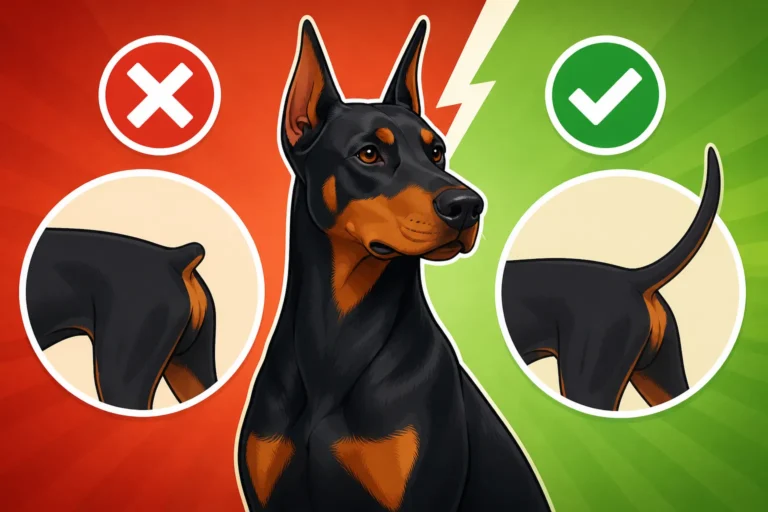
The procedure itself, performed under anesthesia, carries inherent risks, however small. The prolonged aftercare period, involving weeks or months of taping, can also be stressful for the puppy and the owner, potentially leading to discomfort, irritation, and the risk of infection. Critics point out that Dobermans are beautiful and capable dogs regardless of their ear status and that their natural ears are just as much a part of their anatomy as What a Full Doberman Tail Looks Like, which is also customarily docked. Many international veterinary associations, like the AVMA, officially oppose cosmetic cropping and docking. This growing ethical stance has led to the bans seen in many countries.
Changing Societal Norms and Regulations
Societal attitudes towards animal welfare are evolving, leading to increased scrutiny of practices like ear cropping. What was once common and accepted is now often viewed as unnecessary and potentially cruel. This shift is reflected in the legislation of many countries, particularly in Europe, where cropping is outright banned. Even in places where it's still legal, fewer veterinarians are willing to perform the procedure, making it harder for owners to find experienced practitioners.
Kennel clubs are also facing pressure. While the AKC still lists cropped ears as "customary," the presence of uncropped Dobermans in the show ring is slowly becoming more accepted, and there is ongoing debate within the Doberman community itself. Many owners are now choosing to leave their Dobermans' ears natural, embracing How a Natural Doberman Ear Sits and focusing on the dog's health, temperament, and training over a traditional aesthetic. This is a complex issue with deeply held beliefs on both sides, and the conversation continues to evolve.
Living With Uncropped Doberman Ears
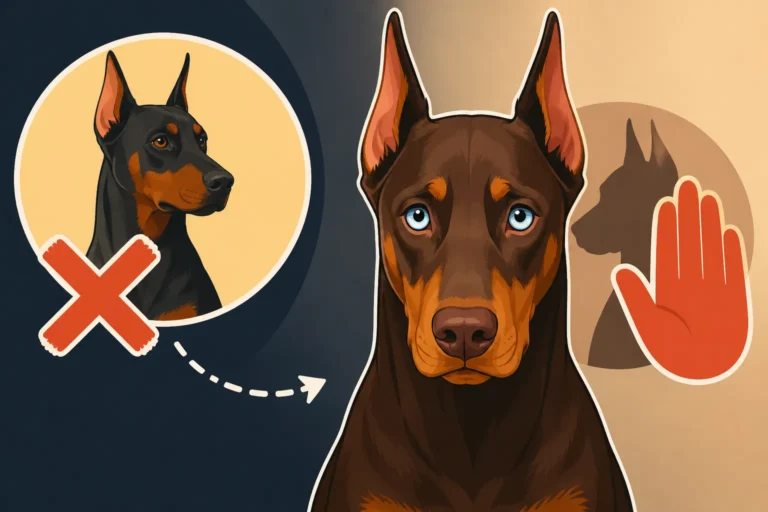
For many Doberman owners today, embracing the natural ear is the preferred, and often mandated, choice. An uncropped Doberman is a beautiful dog, and their natural ears contribute a different, softer expression to their intelligent face.
The Natural Doberman Look
A Doberman with natural ears presents a striking picture that highlights their inherent elegance without the traditional modifications. Their ears are typically medium-sized, folding and sitting close to the head, often described as a "rose ear" or "button ear" when carried correctly. This soft, natural drape can give the Doberman a more approachable and less intimidating appearance, which some owners appreciate, especially when navigating public spaces. It allows for a full range of ear expressions – flattening back in contentment, perking up with curiosity, or dropping slightly in thought.
Embracing the natural look means celebrating the Doberman's inherent form. It challenges the long-held notion that a Doberman must have cropped ears to be considered "correct" or regal. This choice aligns with modern animal welfare standards and allows the dog to retain its natural anatomy. When you see an uncropped Doberman, you're seeing the breed as it naturally developed, before human intervention shaped its appearance for specific purposes or aesthetics.
Care for Natural Ears
Caring for natural Doberman ears is generally straightforward, though it requires regular attention. Because the ear canal is covered by the floppy ear leather, it can be more prone to moisture retention and reduced air circulation, which can sometimes create a warm, humid environment where yeast or bacteria might thrive. This isn't unique to Dobermans; many breeds with dropped ears require diligent ear care.
Regular cleaning is key. Use a veterinarian-approved ear cleaner and cotton balls or soft wipes to gently clean the visible parts of the ear and just inside the ear canal. Cleaning Wax From a Cropped Doberman Ear is similar to cleaning an uncropped ear, but you need to be more mindful of the covered canal. Check the ears weekly for any signs of redness, foul odor, discharge, or excessive scratching, which could indicate an infection. If you notice any issues, consult your vet promptly. For Dobermans who love to swim, ensuring their ears are dried thoroughly after a dip is crucial to prevent moisture-related problems.
Embracing the Choice
Choosing to keep your Doberman's ears natural is a valid and increasingly popular decision. It demonstrates a commitment to your dog's welfare over traditional aesthetics and aligns with a broader ethical movement. Many breeders now offer uncropped puppies, and there are active communities of natural-eared Doberman owners who celebrate their dogs for their intelligence, loyalty, and companionship, regardless of ear status.
While Whether an Uncropped Doberman Can Win in the AKC show ring might still be a subject of debate and subtle bias, in many other venues and activities – from obedience and agility to therapy work and family companionship – the ear style makes absolutely no difference. Your Doberman's temperament, health, and bond with you are what truly matter. Choosing natural ears is a personal decision that reflects evolving values and often a deeper understanding of responsible pet ownership in the modern world. You can find excellent ear cleaning supplies and general pet care products, including those suitable for all ear types, at retailers like Chewy.
| Aspect | Cropped Ears | Natural Ears |
|---|---|---|
| Appearance | Alert, striking, traditional "Doberman look" | Softer, gentle, natural expression |
| Procedure | Surgical, under anesthesia | None required |
| Aftercare | Intensive, weeks/months of posting, potential discomfort | Routine cleaning, less intensive |
| Risk | Surgical complications, infection during healing/posting | Higher risk of ear infections if not cleaned regularly |
| Cost | Significant vet fees, ongoing posting supplies | Minimal, cost of ear cleaner |
| Breed Standard | "Customary" in AKC, banned in FCI countries | Increasingly accepted, mandated in many countries |
| Ethical Debate | Highly debated; seen by some as unnecessary cosmetic surgery | Generally accepted; promotes natural anatomy and welfare |
| Public Perception | Can appear intimidating to some | Generally seen as more approachable |
Disclaimer
This article is for general informational purposes only and does not constitute professional advice. Laws, prices and regulations vary by location and change over time. Consult a qualified professional for guidance on your specific situation.