How a Natural Doberman Ear Sits
If you've spent any time looking at pictures of Dobermans, you've probably seen a lot of dogs with those iconic, upright ears. It's a look so deeply ingrained in our minds that many people assume it's just how Dobermans naturally are. But the truth is, a Doberman's ears aren't naturally erect; they're soft, floppy, and wonderfully expressive. This guide is here to shed light on what a Doberman's natural ears really look like, why there's so much confusion, and how to care for these beautiful, uncropped ears.
The Historical Context of Doberman Ears
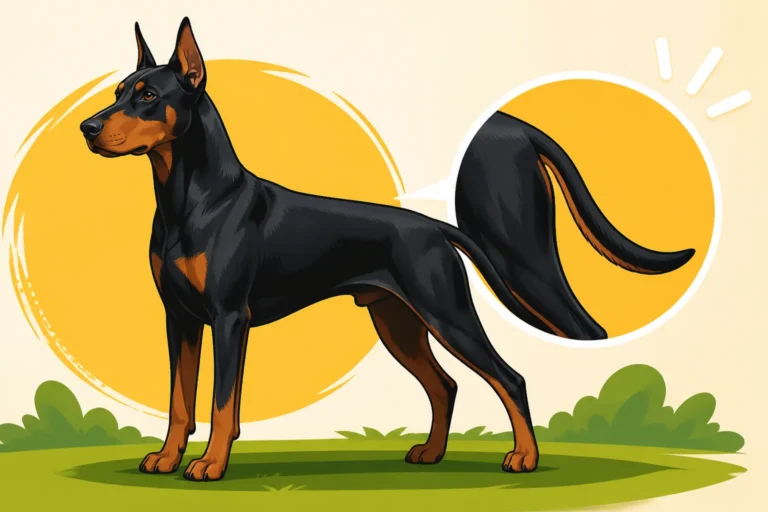
It’s easy to understand why there's a common misconception about Doberman ears. For generations, the vast majority of Dobermans, especially in North America, have had their ears surgically altered to stand upright. This practice is known as ear cropping, and it's deeply rooted in the breed's history and original purpose. When Karl Dobermann first created the breed, he was looking for a fearless and imposing guardian, and certain aesthetic choices, like cropped ears and a docked tail, were believed to enhance this image.
The Tradition of Cropping and Docking
The Doberman was originally bred by a tax collector named Karl Friedrich Louis Dobermann in Germany during the late 19th century. His goal was a dog that could serve as a protector, combining intelligence, strength, and an intimidating presence. It’s thought that the ear cropping and tail docking practices were adopted not just for aesthetics, but also for practical reasons. Shorter tails were less likely to be injured in a fight, and erect ears were believed to make the dog look more alert and formidable. Over time, these practices became part of the breed standard in many places, and judges in dog shows often preferred or even required a cropped and docked Doberman to compete. It became the "look" of the Doberman. The decision to crop a Doberman's ears is a significant one, often occurring when the puppy is quite young, and involves a surgical procedure followed by months of taping and posting to encourage the ears to stand. For a deep dive into this aspect, you might find Doberman Ear Cropping in the Standard enlightening.
Why Natural Ears Are Becoming More Common
While cropping has been a long-standing tradition, attitudes are shifting. Many countries in Europe have banned cosmetic ear cropping and tail docking altogether, citing animal welfare concerns. This has led to an increase in natural-eared Dobermans, especially if you're looking at dogs from European lines or rescues. Even in places where it's still legal, more and more owners are choosing to leave their Doberman's ears in their natural state. They appreciate the softer, more approachable look, and they often want to avoid the surgical procedure and the extensive aftercare involved in posting the ears. This means that if you're seeking a Doberman today, you're much more likely to encounter puppies with their natural ears, and it's important to know what to expect. It's also worth noting that the general public's understanding is slowly catching up, and the sight of a natural-eared Doberman, while still perhaps less common, is becoming more accepted. For related discussion on similar practices, you might want to read Docked Tails and the Modern Doberman.
Describing the Natural Doberman Ear
So, what exactly do natural Doberman ears look like? Forget the image of those stiff, pointed sentinels. A Doberman's uncropped ears are quite different, and they add a wonderful softness and expressiveness to their face.
Anatomy and Appearance of the Uncropped Ear
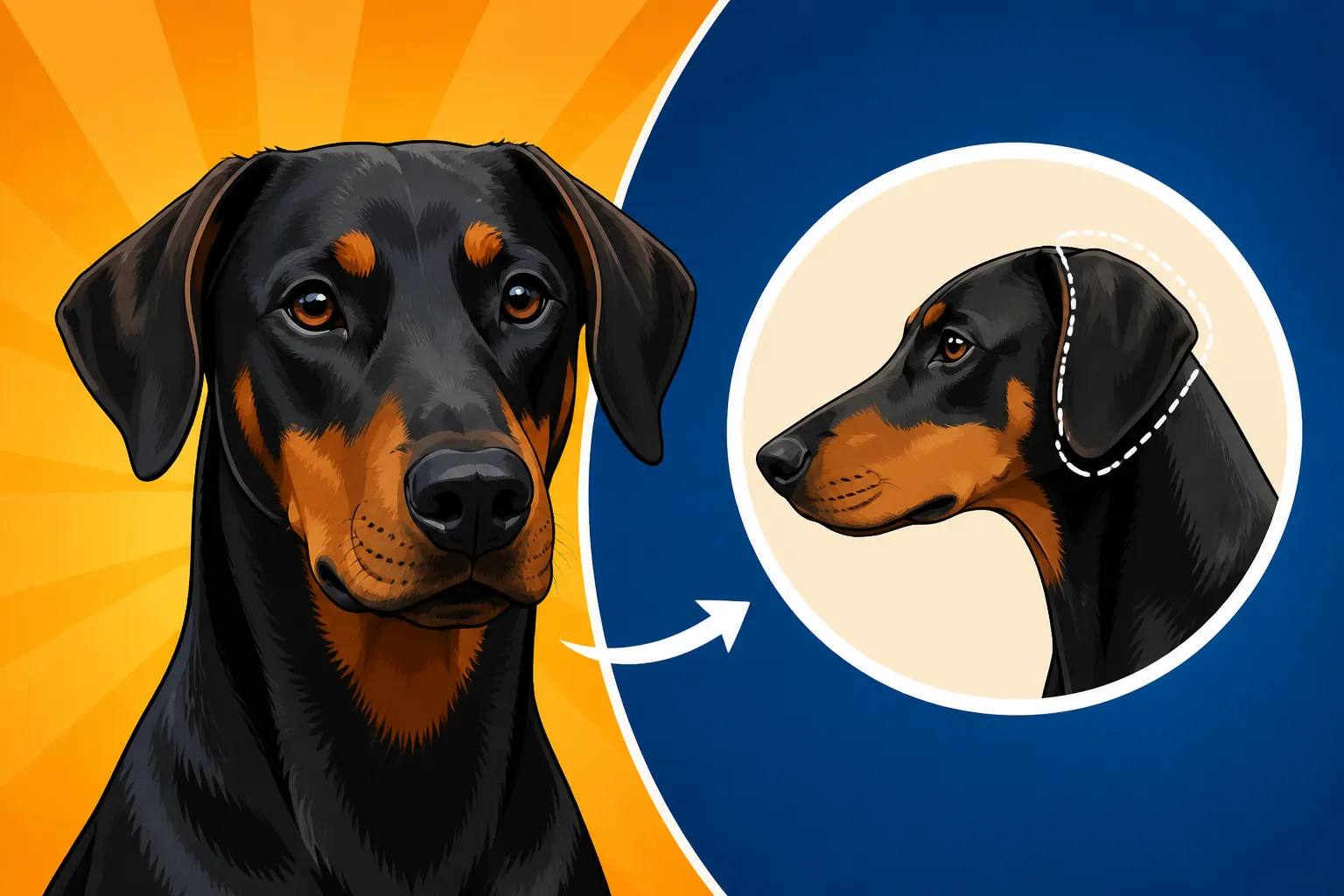
A natural Doberman ear is medium-sized, relatively thin, and hangs close to the cheek. They are often described as "rose ears" or "button ears," though typically they are more akin to a longer, triangular button ear. The top of the ear typically folds over, with the fold occurring somewhere above the base of the skull, allowing the tip to lie flat against the side of the head. Think of a Labrador's ear, but often a bit lighter in leather and perhaps slightly more triangular, rather than broadly rounded. They are not heavy or thick like a Basset Hound's ears, nor do they stand up on their own like a German Shepherd's. When a Doberman is relaxed, these ears might lie flat and close, almost disappearing against their sleek head. But when they are alert, curious, or trying to hear something, those ears will lift, pivot, and move in incredibly animated ways, showing off the full range of their natural expression. This expressiveness is something many natural-ear owners truly adore, as it allows for a more nuanced reading of their dog's mood and intentions.
Variation in Natural Ear Set
Just like with any natural feature, there can be some variation in how a Doberman's uncropped ears sit. Some might have ears that lie very flat against the head, almost disappearing from view from certain angles. Others might have ears that lift higher at the base, creating a more pronounced fold. The size and thickness of the ear leather can also vary slightly from one Doberman to another, influencing how they fold. These variations are all perfectly normal and simply contribute to the individual character of each dog. There's no single "perfect" way for a natural Doberman ear to sit, just as there isn't one perfect human nose! What's important is that the ears are healthy and clean. You won't find specific conformation standards for natural ears in registries that traditionally favored cropping, but a healthy, clean, and expressive natural ear is always a beautiful thing. If you are interested in show standards, it might be interesting to read Whether an Uncropped Doberman Can Win, which delves into how these dogs fare in a show environment.
Debunking Myths and Misconceptions
When discussing natural Doberman ears, you'll inevitably encounter some old myths and misconceptions, often fueled by decades of cropped-ear prevalence. It's important to separate fact from fiction, particularly when it comes to a dog's health and temperament.
Temperament and Ear Shape: No Correlation
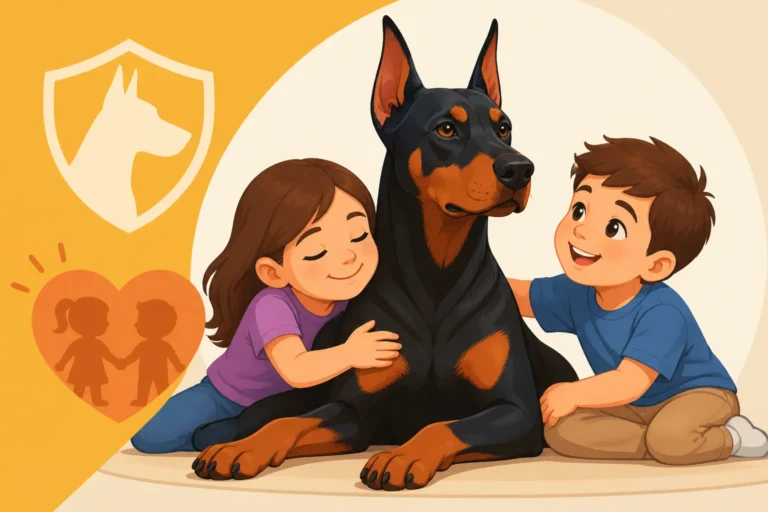
Perhaps the most persistent myth is that cropping a Doberman's ears somehow changes its temperament, making it more alert, assertive, or even aggressive. This is simply not true. A dog's temperament is primarily shaped by genetics, early socialization, training, and environment—not by the shape of its ears. A Doberman's inherent guarding instinct is there regardless of whether its ears are cropped or natural. An uncropped Doberman is just as capable of being a formidable guardian, a loving family member, and an intelligent working dog as its cropped counterpart. The idea that a dog "acts differently" because of its ears is a human projection, not a canine reality. Owners often report that their natural-eared Dobermans are just as confident and protective as any other Doberman, while also displaying an endearing softness that comes with their natural look. If you're looking for insights into the breed's innate character, Doberman Temperament as the Standard Describes It is a fantastic resource.
Health Implications: Fact vs. Fiction
Another common misconception is that natural, floppy ears are inherently more prone to ear infections than cropped ears. While it's true that any floppy-eared dog can be more susceptible to ear infections due to less airflow, this is not a universal truth, nor is it a reason to crop ears. Many breeds with floppy ears live long, healthy lives without chronic ear issues. The key is proper hygiene and care. Good ear care for a Doberman with natural ears involves regular cleaning and monitoring. You can use gentle ear cleaning solutions, many of which are readily available at pet supply stores like Chewy, to keep the ear canal clean and dry. Just because an ear is floppy doesn't mean it's doomed to infections. In fact, the cropping procedure itself carries risks, including infection, pain, and scarring from the surgery and subsequent posting. For details on managing these issues, you might find Ear Infections in an Uncropped Doberman helpful. Regular checks and cleaning are far more effective than an unnecessary surgery.
Living with Natural Doberman Ears
Deciding to embrace your Doberman's natural ears is a wonderful choice that celebrates their inherent beauty. However, it does come with a few specific care considerations that every owner should be aware of to ensure their Doberman stays happy and healthy.
Care and Hygiene for Natural Ears
Because natural Doberman ears fold over, they can create a warmer, more humid environment inside the ear canal, which can make them a little more hospitable to yeast and bacteria if not properly maintained. But don't let this deter you; it's easily managed with a simple routine. You'll want to gently lift and check your Doberman's ears regularly, perhaps a couple of times a week. Look for any redness, swelling, unusual odor, or excessive waxy buildup. Using a veterinarian-approved ear cleaner, you can gently wipe the visible parts of the ear, including the folds, with a cotton ball or soft cloth. Never use cotton swabs deep inside the ear canal, as this can push debris further in or even damage the eardrum. Products from trusted brands you might find on Chewy can make this process straightforward. If you notice anything concerning, such as persistent scratching, head shaking, or a strong odor, it's time for a vet visit, as these could be signs of an infection. Just a little routine care goes a long way in keeping those beautiful natural ears healthy. For contrast, or if you also have cropped-eared dogs, you might like to read Cleaning Wax From a Cropped Doberman Ear.
Public Perception and Your Natural-Eared Doberman
It's an unfortunate reality that some people still associate Dobermans primarily with their cropped and docked appearance. This can sometimes lead to misunderstandings or even apprehension from the public when they encounter a natural-eared Doberman. Some might not even recognize it as a Doberman at first! You might hear comments like, "Is that a Doberman mix?" or "Why aren't his ears standing up?" It's important to be prepared for these interactions and use them as opportunities to educate people about the breed and the choice to leave ears natural. Your natural-eared Doberman often presents a softer, less intimidating image, which can be a huge benefit when meeting new people, especially those who might have preconceived notions about the breed. Instead of seeing a "guard dog," they might see a friendly, elegant companion. You can highlight how expressive their ears are, how they wiggle and move with every emotion, adding to their charming personality. It’s a chance to challenge stereotypes and showcase the Doberman for the intelligent, loyal, and loving dog they truly are, regardless of ear style. Carrying treats, perhaps some easily transportable ones from Chewy, can help in creating positive interactions with strangers.
Embracing the Natural Look
Choosing to keep your Doberman's ears natural is a growing trend, and it's a testament to a shift in how we view our beloved companions. It allows the Doberman to express themselves more fully, and it avoids an elective surgical procedure. While it might require a little extra diligence in ear cleaning, the rewards of seeing their full range of expression and contributing to a more natural, humane approach to pet ownership are truly priceless. A Doberman with natural ears is just as much a Doberman—full of loyalty, intelligence, and protective instinct—and arguably, even more charming with those wonderfully expressive, floppy ears.
Disclaimer
This article is for general informational purposes only and does not constitute professional advice. Laws, prices and regulations vary by location and change over time. Consult a qualified professional for guidance on your specific situation.