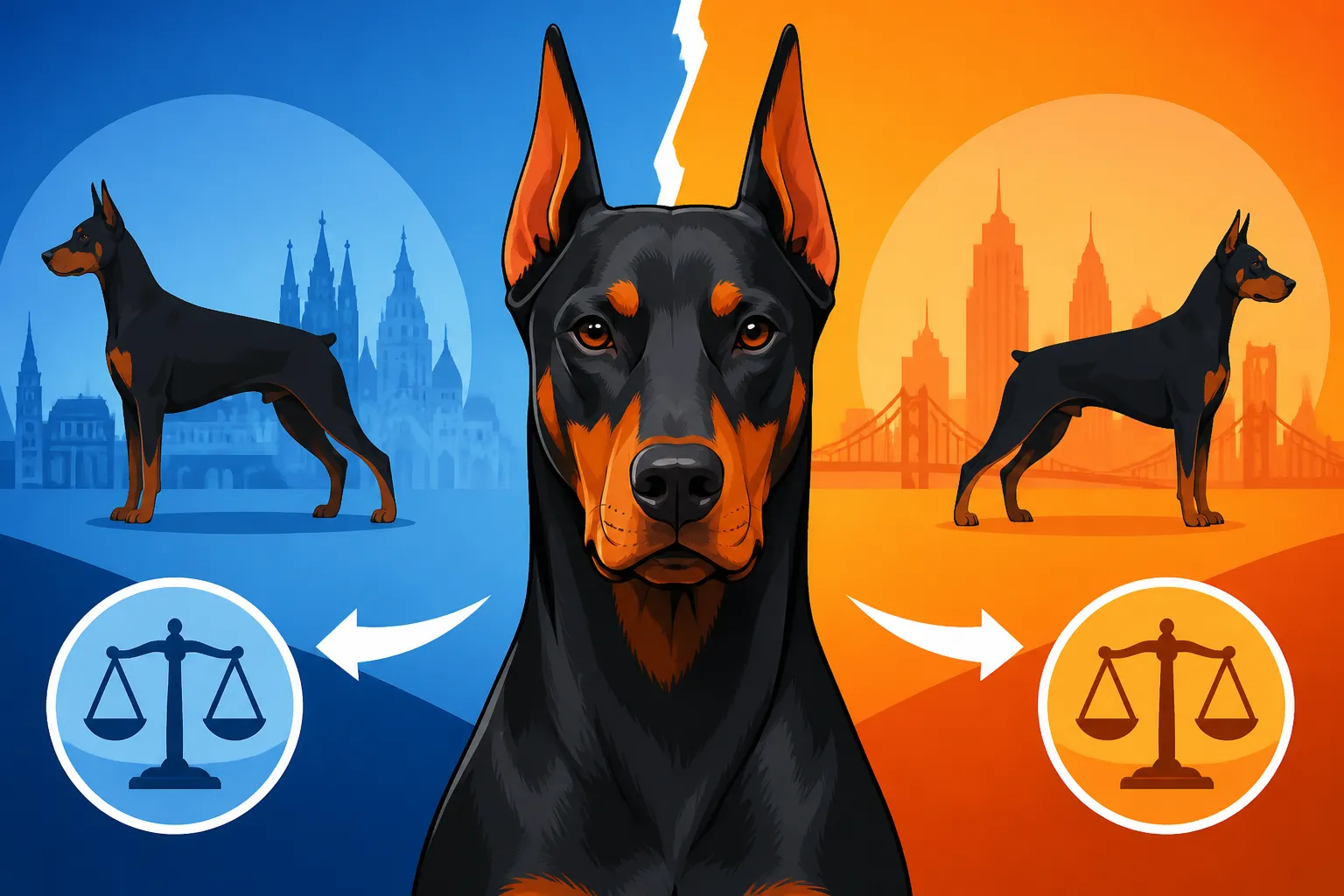
Why European and American Doberman Rates Differ
It's incredibly common for Doberman enthusiasts, both new and seasoned, to find themselves tangled in the ongoing debate about whether European or American Dobermans are inherently healthier or live longer. This isn't just casual chatter; it's a deeply felt concern for anyone who has opened their heart and home to one of these magnificent dogs, especially when faced with the breed's well-known health challenges. This guide will meticulously break down the various factors that contribute to these perceived differences, from breed standards and health testing protocols to breeding philosophies and how they all intersect with the Doberman's overall well-being and lifespan.
Understanding the Doberman Breed Standards
The first place to start when dissecting any differences between American and European Dobermans is their respective breed standards. These documents, maintained by kennel clubs, lay out the ideal physical characteristics and temperament for the breed. While they aim to describe the same dog, the subtle differences in emphasis can lead to divergent breeding goals over generations.
The American Doberman Pinscher Standard
In the United States, the Doberman Pinscher Club of America (DPCA), working under the umbrella of the American Kennel Club (AKC), defines the standard for the Doberman. This standard often emphasizes elegance, refinement, and a sleek, athletic build. When you see an American Doberman in the show ring, you'll notice a dog that exudes grace and power, often with a slightly lighter bone structure and a more "racy" silhouette compared to its European counterparts. The emphasis is on a "noble bearing" and a "proud carriage," which often translates to breeders prioritizing these aesthetic qualities.
This focus on a particular "look" can, inadvertently, lead to certain breeding choices. Breeders often select for specific angles, head shapes, or coat qualities that are rewarded in the show ring. While reputable American breeders also prioritize health and temperament, the visual standard undeniably plays a significant role in selection. This isn't a criticism, but rather an observation of how the interpretation of a standard shapes a breed over time, potentially leading to a slightly different genetic pool being favored.
The European Doberman Standard FCI
Across the Atlantic, the Fédération Cynologique Internationale (FCI) standard is widely adopted throughout Europe, dictating the breed type for European Dobermans. This standard tends to place a stronger emphasis on robustness, substantial bone, and a powerful, more compact build. European Dobermans are often described as having a heavier head, a broader chest, and a more "masculine" or "substantial" appearance. The FCI standard also deeply integrates the Doberman's working heritage, often requiring working titles for breeding eligibility in many European countries.
Beyond the physical appearance, there are also practical differences. For example, some European countries still permit or require ear cropping and tail docking for showing, while others have banned these practices entirely. This can lead to variations in the Doberman's aesthetic presentation depending on the country of origin. The underlying philosophy, however, often leans towards preserving the Doberman as a capable working dog, with physical characteristics that support endurance and strength rather than just refined elegance.
How Standards Influence Breeding Goals
The differing interpretations of these breed standards inevitably guide breeders in their selection processes. An American breeder might prioritize a long, elegant neck and a specific top-line angle, while a European breeder might place more emphasis on bone density and the results of a ZTP (Zuchttauglichkeitsprüfung) temperament and conformation test. These choices, made over generations, contribute to the subtle but noticeable variations in appearance and, potentially, the health predispositions seen between the lines.
When breeders select for specific traits, whether aesthetic or functional, they are influencing the genetic pool. If a standard inadvertently leads to a narrower gene pool for certain visual traits, there's always a risk that other, less desirable traits (like a predisposition to certain health conditions) might become more concentrated. Conversely, a standard that mandates working ability or comprehensive health testing can help maintain a broader, healthier genetic base by requiring a more holistic assessment of a dog's suitability for breeding. It’s a delicate balance that breeders continuously navigate, trying to produce dogs that conform to the ideal while remaining healthy and sound.
Health Testing Protocols and Their Impact
Perhaps one of the most significant areas contributing to the perceived differences in Doberman health between Europe and America lies in the health testing protocols and the degree to which they are mandated or encouraged. Rigorous and transparent health screening for breeding stock is paramount for managing genetic diseases in any breed.
Comprehensive Health Testing in Europe
Many European countries have more structured and often mandatory health testing requirements for Dobermans before they can be officially bred. For instance, in some countries, Dobermans must pass specific health clearances for hips, elbows, eyes, and, crucially, cardiac health (often including both echocardiograms and 24-hour Holter monitoring) before being issued a breeding license or earning specific working titles that are prerequisites for breeding. Tests for Von Willebrand's Disease (vWD) and thyroid function are also widely integrated. These tests are frequently recorded in public databases, offering a level of transparency that allows prospective puppy buyers to research a dog's lineage extensively.
The emphasis on working titles, like IPO (International Prüfungsordnung) or ZTP, in European breeding programs further integrates health and temperament screening. To achieve these titles, dogs must demonstrate physical soundness and mental stability, which indirectly filters out dogs with significant structural or health issues. This systemic approach aims to ensure that only the healthiest and most temperamentally sound dogs contribute to the next generation, theoretically leading to a more consistently healthy breed population.
Varied Approaches to Health Testing in America
In America, while many highly reputable Doberman breeders are incredibly diligent about health testing their breeding stock, the system is less universally regulated or mandated than in parts of Europe. Organizations like the Doberman Pinscher Club of America (DPCA) strongly recommend a comprehensive panel of health tests, including cardiac evaluations (Holter and echo), thyroid testing, vWD testing, and sometimes hip and elbow evaluations. The Orthopedic Foundation for Animals (OFA) and the Canine Health Information Center (CHIC) provide centralized databases for these results, allowing for some level of transparency.
However, the decision to perform these tests, and which ones to perform, largely remains at the discretion of individual breeders. There isn't a national, overarching mandate that prevents untested Dobermans from being bred and registered. This means that while there are American breeders doing phenomenal work in health, there are also those who do minimal testing, which can dilute the efforts of the responsible breeders and contribute to the persistence of genetic health issues within the wider American Doberman gene pool. Prospective owners need to be particularly diligent in researching a breeder's practices.
The Role of Public Databases and Transparency
The accessibility and transparency of health data are critical in understanding and comparing Doberman health. In many European countries, health certifications and working titles are often publicly accessible through national breed club registries or online databases. This allows for rigorous tracking of health trends and pedigree analysis, enabling breeders to make informed decisions and fostering accountability. For example, a breeder might be able to easily find out if a particular dog in a pedigree is known to be a carrier for a condition or if its offspring have developed certain issues.
In the US, while OFA and CHIC provide valuable data, the system can sometimes feel more fragmented. Some breeders choose not to submit all results, or certain tests might not have universally recognized public databases. This places a greater onus on the individual buyer to ask the right questions, request verifiable documentation, and understand The Health Testing a Doberman Breeder Must Show. Without readily available, comprehensive public records, it becomes harder to get a complete picture of the health trends across the entire American Doberman population, making comparisons with European lines more challenging and often based on anecdotal evidence or smaller studies.
Dilated Cardiomyopathy (DCM) Across Continents
Dilated Cardiomyopathy (DCM) is undoubtedly the most devastating health concern for the Doberman breed globally, regardless of its continent of origin. This heart disease significantly impacts the breed's lifespan and is a constant worry for Doberman owners. Understanding how it manifests and is addressed in different lines is crucial.
Prevalence and Genetic Research in Doberman DCM
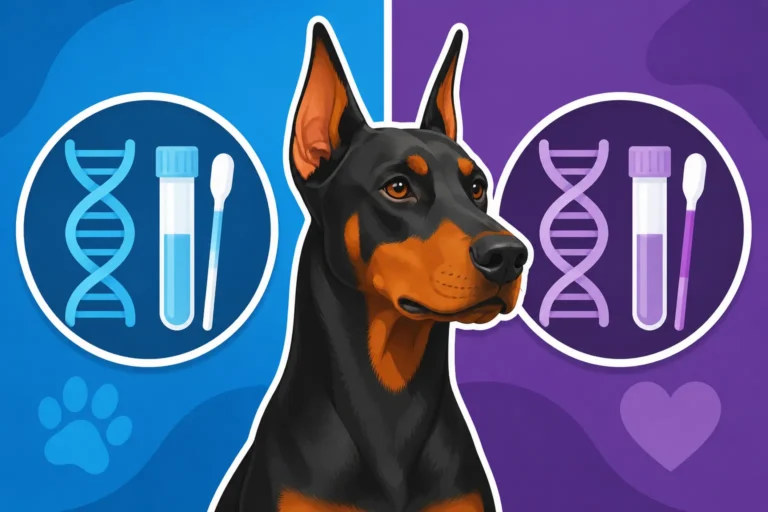
DCM is a progressive disease where the heart muscle becomes thin and weakened, eventually leading to heart failure. It's sadly rampant in Dobermans, with estimates suggesting a significant portion of the breed will be affected at some point in their lives. The scientific community has made strides in understanding the genetic components of Doberman DCM, identifying specific gene mutations. We now know about the two primary genetic markers: the DCM1 deletion, often referred to as the PDK4 mutation, and the DCM2 Titin variant. These genetic tests have become invaluable tools for breeders, offering insight into a dog's predisposition, though they are not definitive predictors of developing the disease. To learn more about these crucial genetic insights, you can read about The Two Doberman DCM Gene Tests.
Despite these advances, DCM remains complex, with multiple genes likely involved, and environmental factors possibly playing a role. The sheer prevalence of the disease means that it touches almost every Doberman line to some degree, making responsible breeding choices incredibly challenging, even for the most dedicated breeders. This is a battle fought on both sides of the Atlantic, with researchers and breeders tirelessly working to mitigate its impact.
Perceived Differences in DCM Rates
There's a widely held belief among some Doberman enthusiasts that European Dobermans have a lower incidence of DCM or that its onset is typically later in life compared to American lines. This perception is often fueled by anecdotal evidence, breed discussions, and the rigorous health testing that is more common or mandated in some European breeding programs. One theory is that the different gene pools, shaped by decades of selective breeding under different standards, may have led to a lower prevalence of the known DCM gene mutations in certain European lines, or perhaps other protective genetic factors.
However, it's vital to approach this perception with a critical eye. While European Dobermans certainly suffer from DCM, the structured testing, often including mandatory Holter and echo screenings for breeding animals, might lead to earlier detection and a more accurate accounting of affected individuals. This proactive screening could give the impression of a different prevalence rate, even if the underlying genetic susceptibility is similar. The nuances of Why European and American Doberman Rates Differ are complex and multifaceted, involving genetics, screening practices, and reporting.
Screening and Early Detection Strategies
Regardless of a Doberman's lineage, early and consistent cardiac screening is the single most important step an owner can take to manage DCM. This involves regular echocardiograms (heart ultrasounds) and 24-hour Holter monitoring, which records the heart's electrical activity over a full day. These screenings can detect the subtle changes of the occult (hidden) phase of DCM long before any outward symptoms appear. Catching the disease early, especially in the occult phase, allows veterinarians to initiate treatments like Pimobendan, which has been shown to significantly delay the onset of clinical signs and extend a Doberman's quality of life. Detailed information on this vital preventative measure can be found in Annual Echo and Holter Screening for a Doberman.
Owners must understand that these screenings are an ongoing commitment, often required annually, especially as their Doberman approaches middle age. The costs associated with these specialized veterinary services can be substantial, and this is where careful planning comes in. Many Doberman owners find significant peace of mind knowing they have a pet insurance policy, such as those offered by Healthy Paws, which can help cover these ongoing diagnostic and treatment expenses. Proactive screening isn't just about detecting disease; it's about giving your Doberman the best chance at a longer, healthier life, and having financial support from a provider like Healthy Paws can make that commitment more manageable.
Other Key Health Concerns and Management
While DCM often takes center stage in Doberman health discussions, the breed is unfortunately prone to several other significant health conditions. The differing approaches to testing and breeding across continents can also impact the prevalence and management of these other diseases.
Von Willebrand's Disease (vWD) and Breeding Practices
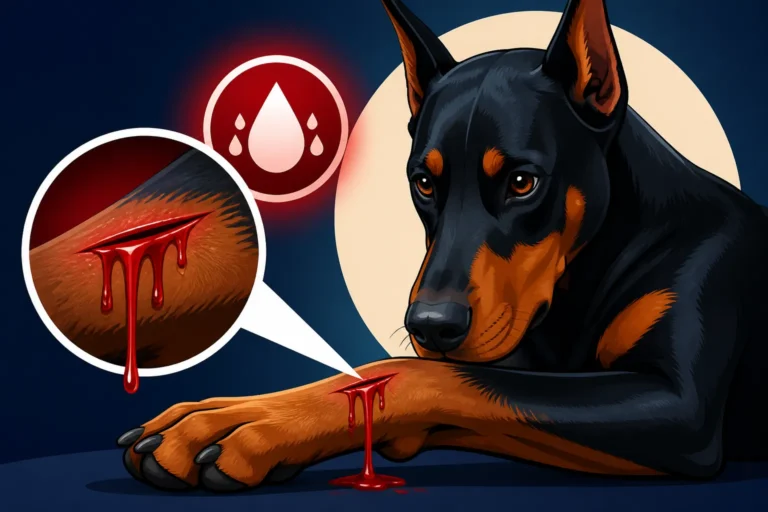
Von Willebrand's Disease (vWD) is a common inherited bleeding disorder in Dobermans, and it's another area where breeding practices have made a substantial impact. This condition prevents the blood from clotting properly, leading to excessive bleeding from minor injuries, during surgery, or even spontaneously. Almost every Doberman line carries this bleeding disorder to some extent, making The Bleeding Disorder Almost Every Doberman Line Carries a topic of concern for breeders and owners alike.
Genetic testing for vWD is widely available and relatively straightforward, allowing breeders to identify "clear," "carrier," and "affected" dogs. In Europe, many breed clubs have actively worked to reduce the prevalence of vWD in their lines through mandatory testing and strict breeding guidelines, often recommending that affected dogs are not bred, and carriers are only bred to clear mates. This proactive approach has significantly lowered the number of affected Dobermans in many European countries. While testing is strongly recommended in the US, the enforcement of breeding practices based on these results can be more varied, emphasizing the importance of choosing a breeder who openly provides The Von Willebrand DNA Test for Dobermans results.
Wobbler Syndrome and Spine Health
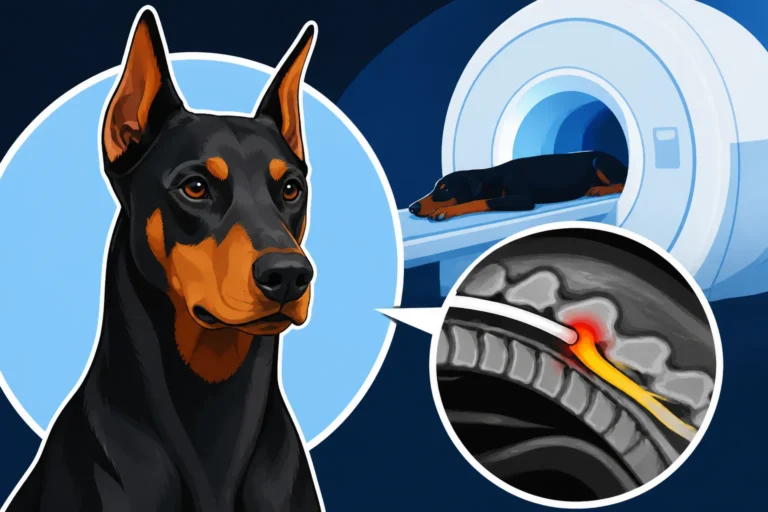
Cervical Vertebral Instability, commonly known as Wobbler Syndrome, is another serious neurological condition that can affect Dobermans. It's characterized by compression of the spinal cord and nerve roots in the neck region, leading to an uncoordinated gait, weakness, and sometimes severe pain. Dogs affected with Wobbler Syndrome in the Doberman often present with a characteristic "wobbly" hindquarter movement, and symptoms can range from mild instability to complete paralysis.
Screening for Wobbler Syndrome is more complex than a simple genetic test, often requiring advanced imaging techniques like MRI or CT scans. Consequently, it's not as routinely screened for in breeding animals as cardiac or vWD issues, in either European or American lines. However, some European breeding programs, particularly those focused on working dogs, might inadvertently select for better structural soundness that could reduce the risk of Wobbler Syndrome, as dogs with significant spinal issues would be unable to perform rigorous tasks. The debate continues on whether certain conformations, favored by either standard, might predispose Dobermans more or less to this debilitating condition.
Color Dilution Alopecia (CDA) and Coat Health
Color Dilution Alopecia (CDA) is a genetic skin condition that primarily affects Dobermans with dilute coat colors: blue and fawn. While these colors are visually stunning, dogs with CDA experience thinning hair, patchy hair loss, and often develop secondary skin infections. Color Dilution Alopecia in Blue and Fawn Dobermans is an unfortunate reality for many dogs carrying the dilute gene.
The approach to dilute colors differs between the continents. While blue and fawn Dobermans are recognized by the AKC in the US, some European FCI countries may have stricter regulations or even discourage or disallow these colors for breeding or showing, due to the associated health risks like CDA. This can mean that while dilute colors are present in both populations, their prevalence and the breeding practices around them might vary. Breeders consciously choosing not to breed dilute colors or only breeding them with full transparency regarding CDA risk can help manage this condition. However, the allure of a unique color sometimes overshadows health considerations, leading to the continued presence of CDA in both American and European lines where dilute colors are bred.
The Impact of Breeding Philosophies and Regulation
Beyond specific health tests, the broader philosophical approaches to breeding and the regulatory frameworks governing kennel clubs play a significant role in shaping the health and temperament of Dobermans on different continents. These overarching influences can subtly, yet powerfully, steer the breed's future.
Working vs. Show Line Emphasis
In many European countries, the Doberman's heritage as a working dog is deeply embedded in its breeding culture. This often translates to a strong emphasis on working ability, temperament tests (like the ZTP in Germany), and performance titles (such as IPO/Schutzhund) as prerequisites for breeding. These tests assess not only physical soundness but also mental stability, courage, and trainability. Dogs that cannot perform these tasks due to structural issues, poor temperament, or lack of drive are typically excluded from breeding programs. This approach, by its very nature, tends to select for robustness, mental resilience, and overall functional health.
In America, while many Dobermans excel in performance sports and working competitions, the primary breeding goal for many registered Dobermans is often conformation to the AKC show standard. While the AKC standard includes temperament descriptions, the emphasis in the show ring is predominantly on physical appearance and movement. This isn't to say that American Dobermans lack working ability or good temperaments—many are exceptional—but the mandate for working titles as a breeding prerequisite is less common. This difference in emphasis can lead to subtle variations in the overall genetic makeup, where some European lines might retain a stronger link to working characteristics that indirectly support physical and mental health.
National Kennel Club Regulations and Breeder Accountability
The regulatory environment imposed by national kennel clubs varies significantly between continents. In some European countries, national Doberman clubs, often affiliated with the FCI, have more stringent breeding regulations. These can include mandatory health clearances for a wider range of conditions, age restrictions for breeding, and even limitations on the number of litters a female can produce in her lifetime. These rules are often backed by national animal welfare laws, providing a robust framework for breeder accountability. Health results are frequently uploaded to public databases, making it easier for potential owners to verify claims.
The United States operates under a more voluntary system. The AKC maintains breed registries and sets standards, but it largely defers to individual breed clubs and breeders regarding specific health testing and breeding practices. While the DPCA provides excellent resources and recommendations, the enforcement mechanisms are not as universally applied or legally binding as in some European nations. This means that while many American breeders operate with the highest ethical standards, there are fewer barriers for individuals to breed Dobermans with inadequate health testing or poor breeding practices. This difference in oversight impacts the overall health trajectory of the breed, underscoring the vital importance of thoroughly understanding Reading a Doberman Puppy's Test Certificates from any prospective breeder.
The Ethical Breeder's Role Regardless of Origin
Ultimately, regardless of whether a Doberman originates from American or European lines, the commitment of an ethical and responsible breeder remains the most critical factor in promoting health and longevity. A truly dedicated breeder, whether in California or Germany, will prioritize the health, temperament, and welfare of their dogs above all else. They will conduct comprehensive health testing, openly share results, thoroughly research pedigrees, and make thoughtful breeding decisions aimed at improving the breed.
These breeders understand that a Doberman is not just a show dog or a working dog; it is a beloved family member. They will be transparent about the breed's health challenges, including the propensity for DCM, and will educate prospective owners on responsible dog ownership. They also advocate for continuous learning and adaptation as new scientific information becomes available. Choosing a puppy from a reputable, health-conscious breeder who focuses on longevity and verifiable health is the best way to ensure you're bringing home a Doberman with the greatest chance for a long, healthy life, no matter its ancestral continent.
Comparing Doberman Health & Breeding Practices
To help clarify some of the key differences and similarities in how Doberman health is approached in American versus European breeding programs, the table below provides a general overview. It's important to remember that these are generalizations, and individual breeders' practices can vary widely.
| Feature / Health Test | Typical Approach in American Breeding Programs (AKC) | Typical Approach in European Breeding Programs (FCI) |
|---|---|---|
| Breed Standard Emphasis | Elegance, refinement, athleticism, show conformation. | Robustness, substantial bone, working ability, functional health. |
| Working Titles for Breeding | Recommended/encouraged but often not mandatory. | Often mandatory (e.g., ZTP, IPO) in many countries for breeding. |
| Heart Testing (Echo/Holter) | Highly recommended; results often submitted to OFA/CHIC. | Often mandatory annually for breeding stock; results publicly recorded. |
| DCM Gene Testing (PDK4, Titin) | Recommended; results submitted to labs like Embark, Canine HealthCheck. | Widely utilized and recommended; results often publicly recorded. |
| Von Willebrand's Disease (vWD) | Genetic testing highly recommended; results usually publicly available via OFA. | Genetic testing often mandatory; strict breeding guidelines based on results (e.g., clear to clear/carrier). |
| Hip & Elbow Dysplasia | Recommended; results typically submitted to OFA for evaluation. | Often mandatory; results publicly recorded and used for breeding decisions. |
| Thyroid Disease | Recommended annual testing. | Often recommended or mandatory for breeding stock. |
| Color Dilution Alopecia (CDA) | Dilute colors (blue/fawn) recognized; breeder discretion on breeding affected dogs. | Dilute colors recognized but often discouraged or disallowed for breeding in some countries due to health risks. |
| Public Health Databases | OFA/CHIC provide voluntary public databases. | Often national breed club databases with mandatory public entry of results. |
| Overall Regulation | More breeder self-regulation and voluntary compliance. | Stronger national/breed club regulation, often with mandatory requirements. |
Disclaimer
The information provided in this article is for educational and informational purposes only and does not constitute veterinary advice. Always consult with a qualified veterinarian for any health concerns or before making any decisions about your Doberman's care.