Why Black and Rust Is the Common Doberman
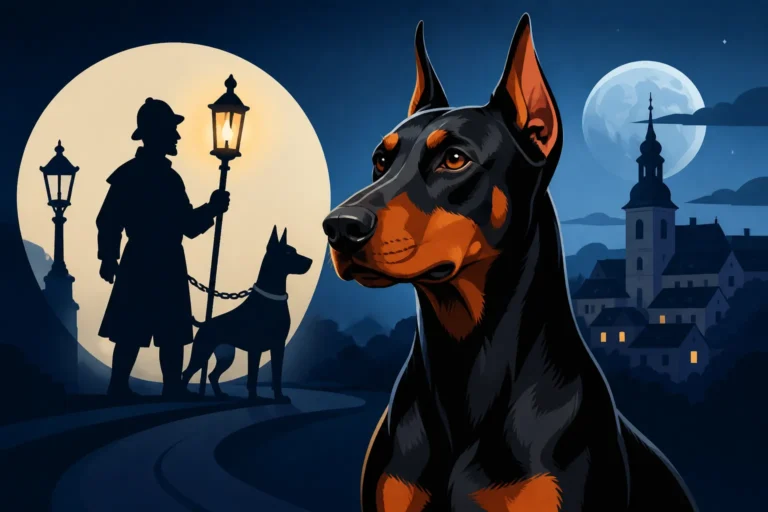
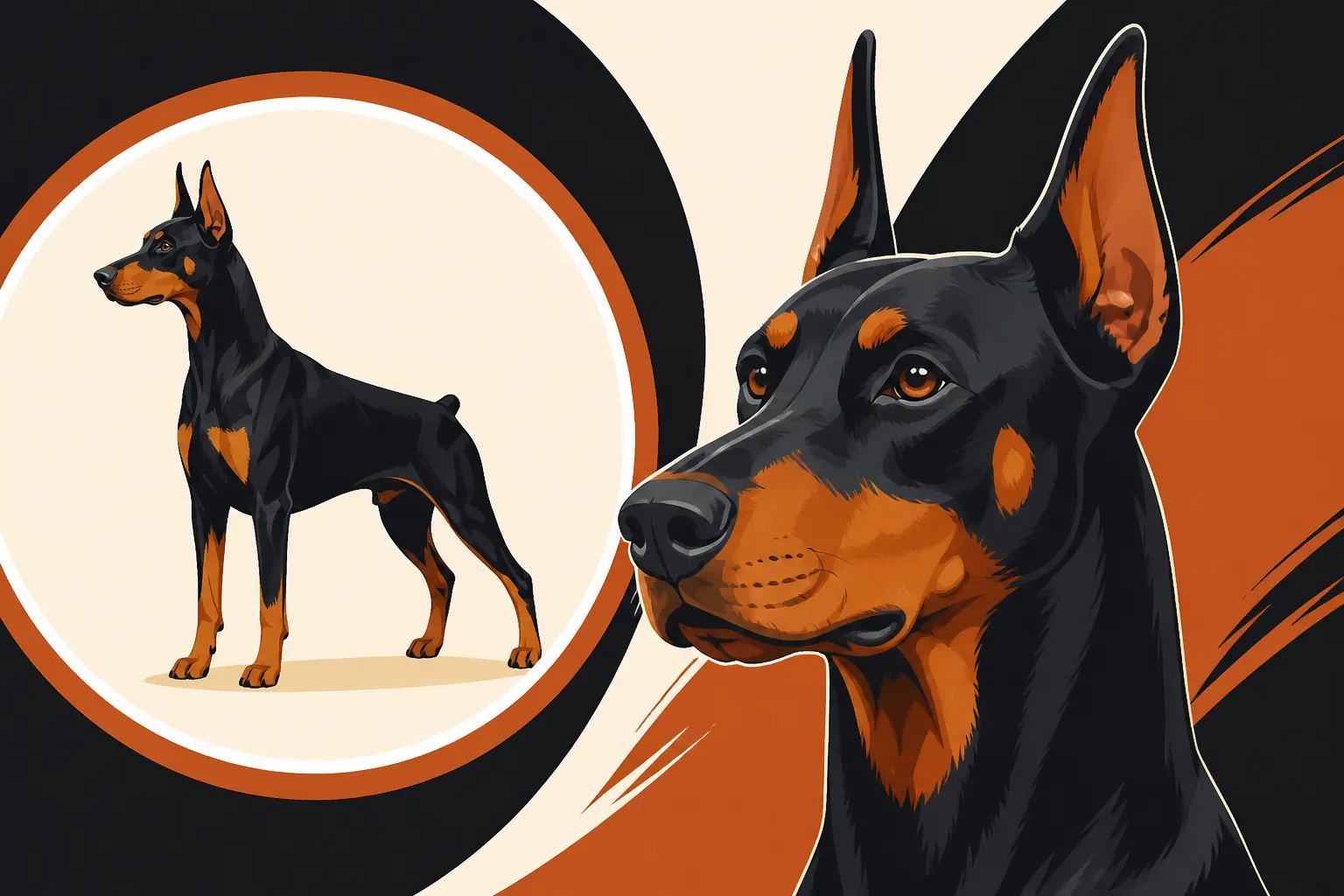
When you picture a Doberman, what color instantly springs to mind? For most of us, it’s that striking, deep black coat perfectly offset by rich rust markings. It’s an iconic look, synonymous with the breed's elegance and powerful presence. But have you ever paused to consider why this specific color combination is so prevalent, almost to the point of being the breed's visual signature? It’s not just a matter of aesthetics; there's a fascinating blend of genetics, historical preference, and breed standards that have cemented black and rust as the dominant Doberman color. This guide will walk you through the reasons behind this commonality, delving into the science and history that shaped the Doberman's appearance as we know it today.
The Genetic Blueprint of Doberman Colors
Understanding why black and rust is so common starts with a little dive into canine genetics. It's not overly complicated, but it does involve understanding how certain genes interact to produce a Doberman's coat color. Think of it like a recipe where different ingredients combine to create the final dish.
Dominant Genes and Recessive Traits
In Dobermans, as in many dog breeds, coat color is determined by a few key gene loci. The most crucial for our discussion are the B-locus, the D-locus, and the A-locus.
- The B-locus (Black/Brown): This gene controls whether the dog can produce black pigment. The dominant allele, "B," results in black pigment. The recessive allele, "b," results in brown (red in Dobermans) pigment. A dog with at least one "B" allele will be black if no other genes interfere. If a dog inherits two "b" alleles (bb), it will be red.
- The D-locus (Dilution): This gene controls the intensity of the pigment. The dominant allele, "D," allows for full color expression. The recessive allele, "d," dilutes the color. So, a black dog with "dd" will appear blue, and a red dog with "dd" will appear fawn.
- The A-locus (Agouti Series): This locus is particularly interesting for Dobermans as it determines the pattern of color distribution, specifically the tan points. Dobermans typically carry the "at" allele, which codes for tan points (black and tan, or red and tan). This is why you see those characteristic rust markings on their muzzle, chest, legs, and above the eyes.
For a Doberman to be black and rust, it needs to inherit at least one dominant "B" allele (meaning it can produce black pigment), at least one dominant "D" allele (so its color isn't diluted), and the "at" allele for the tan points. This genetic combination is the most frequent occurrence within the breed pool, making it the most common outcome.
Understanding the Black and Rust Combination
Let's break down the genetic code that results in our beloved black and rust Doberman. A Doberman with this classic look will have the genetic makeup of at least one dominant B allele (BB or Bb), at least one dominant D allele (DD or Dd), and the "at" allele (at/at or At/at, though at/at is most common for strong tan points).
For example, a Doberman that is "BB DD at/at" will be black and rust. Even a "Bb Dd at/at" Doberman will appear black and rust, but it carries the recessive genes for red (b) and dilute (d), which means it could produce red, blue, or fawn puppies if bred with a partner carrying those same recessive traits. Because the "B" and "D" alleles are dominant, they are expressed over their recessive counterparts, naturally pushing black and rust to the forefront of the breed's color palette. It’s a testament to how genetics work – dominant traits tend to appear more often in a population simply because they only need one copy of the gene to be expressed.
This underlying genetic prevalence, where the 'recipes' for black and rust are the most readily available and expressed, is the primary scientific reason Why Black and Rust Is the Common Doberman. It’s simply the most straightforward and dominant genetic combination for Doberman coloration.
Historical Preferences and Breed Standards
While genetics lay the groundwork, the history of the Doberman breed and the development of its official standards have played an equally significant role in cementing black and rust as the predominant color. The founders of the breed, and subsequent breed clubs, made deliberate choices that influenced what we see today.
The Early Doberman and Foundational Colors
The Doberman Pinscher was developed in the late 19th century by Karl Friedrich Louis Dobermann, a tax collector in Apolda, Germany. He sought to create a loyal, intelligent, and formidable guard dog to accompany him on his rounds. The exact breeds he used are somewhat debated, but it's widely believed that breeds like the German Pinscher, Rottweiler, Black and Tan Terrier, and Greyhound contributed to the Doberman's creation.
Many of these foundational breeds already carried the black and tan (or black and rust) coloration. For example, the Rottweiler and the Black and Tan Terrier are famously black with tan points. It's highly probable that many of Dobermann's initial breeding stock displayed this dark, striking coloration, which was naturally carried forward. It wasn't an arbitrary choice to introduce black and rust; rather, it was a continuation of colors already present in the genetic pool he was working with. The very utilitarian purpose of the early Doberman, to be an intimidating guardian, likely favored darker, more imposing appearances over lighter or diluted coats.
Evolution of the Breed Standard
As the Doberman breed gained recognition, formal breed standards were established to define the ideal characteristics, including physical appearance, temperament, and health. These standards, set by breed clubs, profoundly influenced breeding practices.
The very first official Doberman standard, The 1900 German Doberman Standard, recognized black and tan as a primary color. Later, when the Doberman came to America and was recognized by the AKC, this preference was reinforced. The AKC Recognition of the Doberman in 1908 cemented black and rust as the premier color, alongside red. For many decades, breeders focused intensely on producing dogs that met these standards, further propagating the dominant black and rust genetics.
While other colors eventually gained some recognition (like red, blue, and fawn), black and rust always held a special status. Judges in conformation rings often favored the classic black and rust, partly due to tradition and partly because it perfectly embodied the powerful, sleek image intended for the breed. This historical emphasis in breeding programs and show rings meant that most reputable breeders prioritized lines that consistently produced healthy, well-tempered black and rust Dobermans. The emphasis wasn't just on color, of course, but the color became an inseparable part of the ideal Doberman image described in The Doberman the AKC Standard Describes.
The Practical Side of a Black and Rust Coat
Beyond genetics and historical standards, there are more subtle, practical, and even psychological reasons why the black and rust Doberman has maintained its stronghold as the most common color. These factors often relate to how the public perceives the breed and the general care considerations for a Doberman.
Perceived Temperament and Image
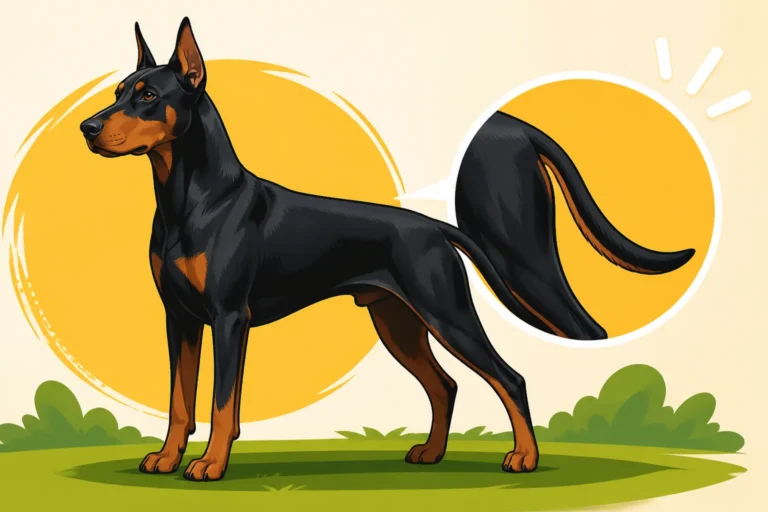
Let's be honest: a black and rust Doberman projects an undeniable aura of strength, vigilance, and authority. The deep black coat, often gleaming with health, combined with those sharp, contrasting rust markings, creates a visually commanding presence. This appearance perfectly aligns with the breed's original purpose as a guardian and protector.
For many, the black Doberman looks like the quintessential guard dog. This perception, whether entirely accurate or not, has contributed to its popularity among those seeking a dog with a strong, protective image. Think of the Doberman's Doberman Temperament as the Standard Describes It – alert, determined, and fearless. The black and rust coat color often enhances this perception, making the dog appear even more formidable. In a strange way, the color itself becomes part of the breed's identity and appeal to prospective owners, influencing demand and thus breeding choices.
Ease of Maintenance and Appearance
While all Dobermans require consistent grooming and care, the black and rust coat often presents fewer challenges compared to the dilute colors like blue and fawn.
- Coat Health: Black and rust Dobermans typically have a dense, hard, short coat that is relatively easy to maintain. They shed, of course, like any dog, but the texture is generally robust. In contrast, blue and fawn Dobermans are prone to Color Dilution Alopecia in Blue and Fawn Dobermans, a genetic condition that causes thinning hair, bald patches, and susceptibility to skin infections. This condition can lead to significant ongoing vet bills and specialized care, which many prospective owners understandably wish to avoid.
- Aesthetic Appeal: A healthy black and rust coat tends to have a beautiful sheen that is highly prized. It often looks sharp and clean with minimal effort. While a good diet and regular grooming are essential for any Doberman, you might find that the black coat, when properly cared for, truly shines. You can find excellent shampoos and conditioners for maintaining that glossy coat on pet supply sites like Chewy, ensuring your Doberman's fur stays healthy and vibrant.
- Sun Protection: Darker coats generally offer better protection against the sun's harmful UV rays compared to lighter or diluted coats. While no Doberman should be left out in direct sun for prolonged periods without shade, a black coat naturally provides a bit more resilience than a fawn or blue coat, which can be more sensitive and prone to sunburn.
These practical considerations, from the inherent health benefits of a non-dilute coat to the strong visual statement it makes, further reinforce the desirability and commonality of the black and rust Doberman.
Beyond Black and Rust: Other Doberman Colors
While black and rust undeniably reigns supreme, it's important to remember that Dobermans do come in other beautiful colors. Each has its own genetic story and level of acceptance within the breed community. Understanding these variations helps illustrate just how dominant the black and rust genes truly are.
The Red Doberman and Its Acceptance
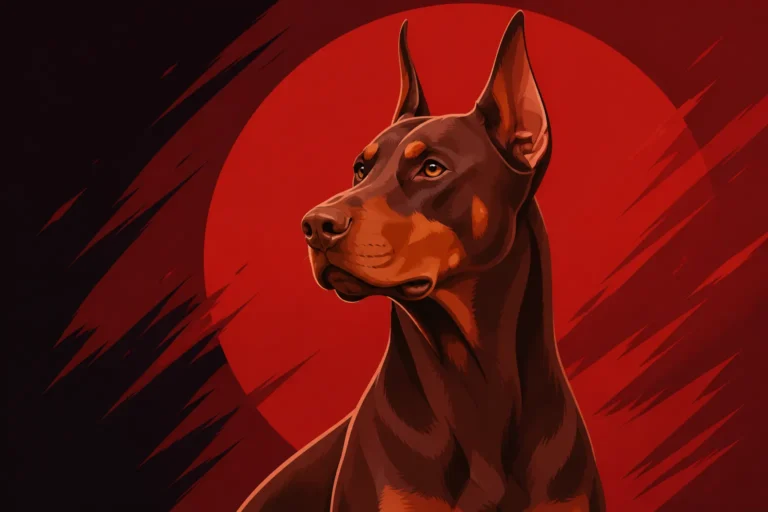
After black and rust, the most widely accepted and common alternative is the red Doberman. Often referred to as "chocolate" by some, this rich reddish-brown color also features distinctive rust markings, just like its black counterpart.
Genetically, a The Red Doberman is simply a black Doberman that has inherited two copies of the recessive "b" allele (bb) at the B-locus. This means it can only produce brown pigment, rather than black. Red Dobermans possess the same strong, sleek physique and intelligent temperament as black Dobermans, and they are fully recognized by major kennel clubs like the AKC. They are less common than black and rust, but a healthy, well-bred red Doberman is a striking and respected member of the breed. Reputable breeders will still conduct extensive health testing on red Dobermans, just as they would for black ones, to ensure they are free from common Doberman ailments.
Blue and Fawn: The Dilute Colors
The blue and fawn Dobermans represent the "dilute" colors, and they are significantly less common than black or red. Their existence is due to the recessive "d" allele at the D-locus, which dilutes whatever base color the dog has.
- Blue Doberman: A blue Doberman is genetically a black Doberman (has at least one dominant B allele) but has two copies of the recessive "d" allele (dd). This dilutes the black pigment to a grayish-blue hue. The rust markings remain, but they are often a softer, muted tan.
- Fawn Doberman: A fawn Doberman is genetically a red Doberman (has two recessive b alleles, bb) but also has two copies of the recessive "d" allele (dd). This dilutes the red pigment to a light tan or Isabella color, with equally muted rust markings. Blue and Fawn Dobermans and the Dilution Gene are certainly beautiful in their own right, with a softer, almost ethereal appearance.
However, these dilute colors come with a significant health caveat: Color Dilution Alopecia in Blue and Fawn Dobermans. This condition can cause progressive hair loss, thinning coats, dry and flaky skin, and recurrent skin infections. Because of these health issues, many responsible Doberman breeders actively try to avoid breeding dilute-colored dogs. If you're considering a blue or fawn Doberman, be prepared for potential lifelong dermatological care, and ensure you're getting your puppy from a breeder who is transparent about these risks. Finding specialized shampoos and conditioners for sensitive, dilute coats can be a bit trickier, but brands available on platforms like Chewy often carry hypoallergenic options that might help.
The Controversial White Doberman
Perhaps the most controversial and least common "color" is the white Doberman. It's crucial to understand that white Dobermans are not a recognized color variety; they are albinos. They lack pigment entirely due to a genetic mutation.
The White Doberman and Where It Came From is a specific line that originated from a single albino female in the late 1970s. These dogs have pale or blue eyes, pink noses, and completely white coats with no rust markings. While some find their appearance striking, they come with significant health and temperament concerns. Albinism often leads to extreme light sensitivity (photophobia), skin issues, and sometimes even behavioral quirks or anxiety due to impaired vision. The Doberman Pinscher Club of America, along with many international kennel clubs, has strong prohibitions against breeding or registering white Dobermans, recognizing them as a serious genetic fault. They are often marked with a "Z" in their registration numbers to indicate their albino status. Why a Light-Eyed Doberman Is Marked Down in the show ring is directly related to these types of genetic issues, as light eyes often accompany diluted or albino coloration.
Here’s a quick overview of the main Doberman colors:
| Color | Genetic Code (Simplified) | Recognition Status (AKC/DPCA) | Common Health Concerns (Coat) | General Rarity |
|---|---|---|---|---|
| Black & Rust | B_ D_ at/at | Fully Recognized | Generally robust coat | Very Common |
| Red & Rust | bb D_ at/at | Fully Recognized | Generally robust coat | Common |
| Blue & Rust | B_ dd at/at | Recognized (faulted in show) | Prone to Color Dilution Alopecia (CDA) | Less Common |
| Fawn & Rust | bb dd at/at | Recognized (faulted in show) | Prone to Color Dilution Alopecia (CDA) | Rare |
| White (Albino) | c/c (Albino gene) | Not Recognized | Light sensitivity, skin cancer, vision | Extremely Rare |
This table clearly illustrates why black and rust stands out as not only genetically dominant but also as the standard-bearer for healthy coat genetics within the breed. It offers the classic Doberman aesthetic without the inherent health challenges associated with the dilute or albino varieties.
Ultimately, the ubiquity of the black and rust Doberman is a story woven from foundational genetics, the intentional choices of early breeders, the strictures of breed standards, and even the public's perception of what a Doberman should look and act like. While other colors exist and are cherished by their owners, the black and rust coat remains the undeniable icon of this magnificent breed.
Disclaimer
This article is for general informational purposes only and does not constitute professional advice. Laws, prices and regulations vary by location and change over time. Consult a qualified professional for guidance on your specific situation.