Whether a White Doberman Is Rare or Just Wrong
Many Doberman enthusiasts encounter talk of "white" Dobermans and are immediately met with conflicting information—are they rare, unique, or something entirely different? It's a topic riddled with strong opinions and misinformation, leaving many owners and prospective owners scratching their heads. This guide will dive deep into what a white Doberman truly is, the genetics behind their unusual appearance, and why the reputable breed community holds such a firm stance on them, helping you understand the real story behind this controversial variant.
The Truth About "White" Dobermans: It's Albinism, Not Just a Color
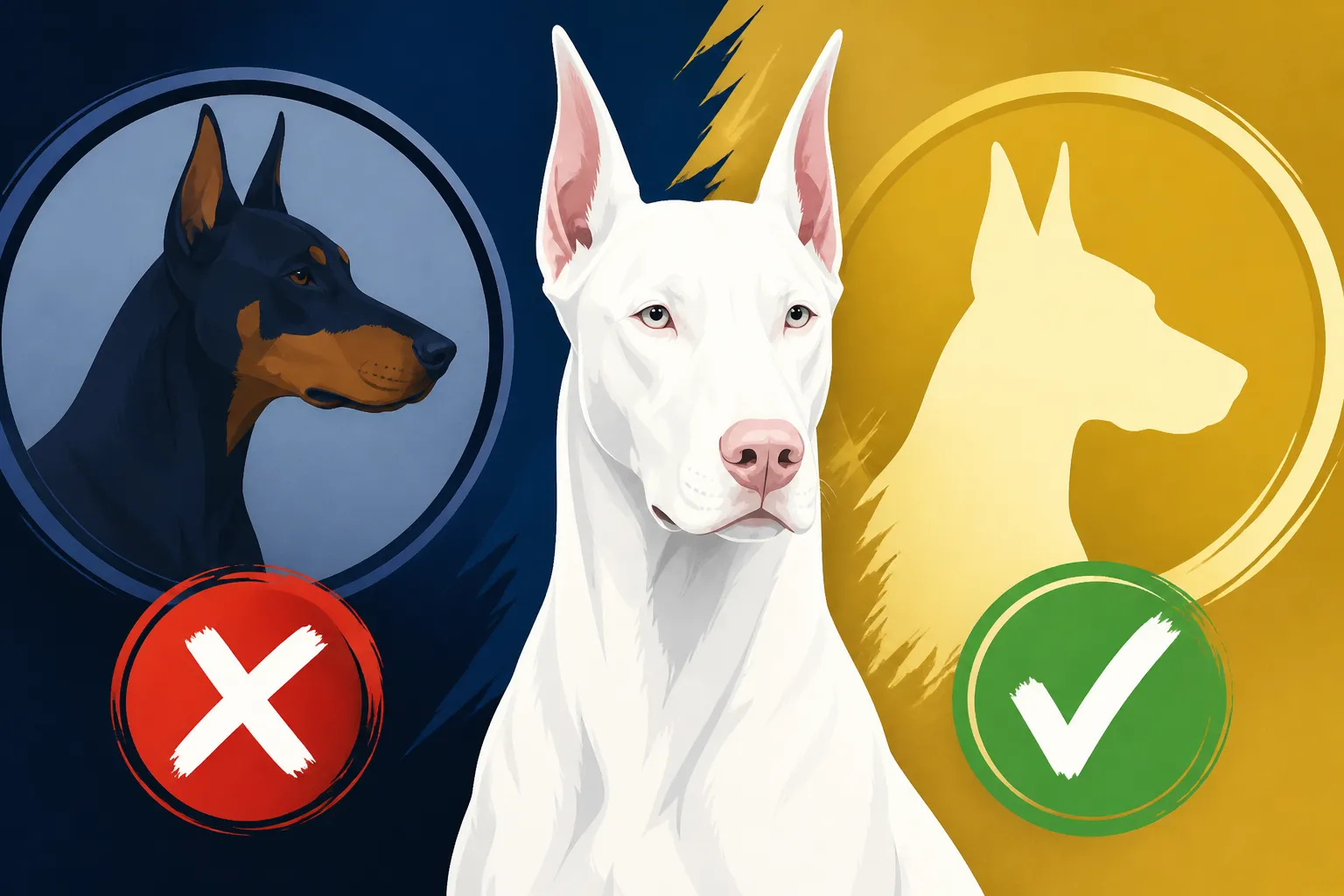
When people refer to a "white Doberman," they're not talking about a rare, dilute color like blue or fawn. What they're actually seeing is an albino Doberman. This isn't just a semantic difference; it's a fundamental biological distinction with significant implications for the dog's health and well-being. Albinism is a genetic condition, not a color variation, characterized by a complete or partial absence of pigment in the skin, hair, and eyes.
Understanding the Genetics of Albinism in Dobermans
The typical Doberman coat colors—black, red, blue, and fawn—are all produced by varying concentrations of melanin, a pigment produced by cells called melanocytes. In true albinism, there's a genetic mutation that prevents these melanocytes from producing melanin at all, or significantly impairs their ability to do so. This is typically due to a fault in the tyrosinase gene, which is crucial for melanin synthesis. The result is an animal that appears "white" because it lacks pigment, not because it possesses white pigment. It's a lack of color, rather than the presence of a specific white color.
Think about it like this: a truly white dog, like a Samoyed or a certain type of white German Shepherd, has pigment in its skin, nose, and eyes, it just happens to be white-colored fur. An albino Doberman, however, will have a stark white or cream-colored coat, but critically, its skin will be pink, its nose will be pink, its paw pads will be pink, and its eyes will often appear pale blue, grey, or even red due to the visible blood vessels behind the unpigmented iris. This is the tell-tale sign that you're looking at an albino, not just a light-colored or dilute Doberman. This genetic difference explains The White Doberman and Where It Came From and why it's a distinct issue from standard color genetics.
Distinguishing Albino from Dilute Colors
It’s important not to confuse an albino Doberman with the dilute colors like blue or fawn. Blue Dobermans have a greyish coat, and fawn Dobermans have a pale reddish-brown, Isabella-colored coat. Both of these colors are still pigmented; the dilution gene simply causes the pigment to be less concentrated or distributed differently. They will still have dark noses, dark eye rims, and dark paw pads, albeit sometimes a lighter shade than a black or red Doberman. An albino Doberman, on the other hand, lacks pigment in all these areas. This complete lack of pigment is what sets them apart and unfortunately, brings a host of potential health issues. The discussion of Color Dilution Alopecia in Blue and Fawn Dobermans is about a different genetic pathway entirely than albinism.
The Health and Welfare Challenges of Albino Dobermans
The absence of pigment isn't just a cosmetic trait; it means these dogs are missing a vital natural protection that pigmented animals have. Melanin plays a crucial role in protecting the body from harmful ultraviolet (UV) radiation and is also involved in the normal development of the eyes and nervous system. This lack of protection leads to a range of significant health and welfare concerns for albino Dobermans, making their lives often more challenging than their pigmented counterparts.
Severe Photosensitivity and Skin Problems
One of the most immediate and impactful issues for an albino Doberman is extreme photosensitivity. Their unpigmented skin offers no natural defense against the sun's UV rays. Just like humans with very fair skin, these dogs are highly susceptible to sunburn, even with minimal exposure. This isn't just about discomfort; repeated sunburns significantly increase their risk of developing skin cancer, including squamous cell carcinoma, which can be aggressive and difficult to treat. Owners of albino Dobermans often find themselves having to keep their dogs indoors during daylight hours, or apply specialized dog-safe sunscreen every time they go outside. Finding appropriate protective gear, like UV-blocking shirts or even sun hats, becomes essential for their daily routine. You might look for these on pet supply sites like Chewy.
Beyond direct sunburn, their delicate skin is prone to chronic irritation, dryness, and secondary infections. Without pigment, their skin barrier can be compromised, leading to issues that require constant management. Imagine the discomfort of perpetually itchy, flaky, or inflamed skin. This chronic skin irritation can be a source of constant distress for the dog and a significant financial and emotional burden for their owners. Why an Albino Doberman Burns and Blisters explains this risk in more detail.
Ocular Defects and Vision Impairment
The eyes of an albino Doberman are also severely affected by the lack of pigment. Melanin in the iris helps block excess light, similar to the aperture of a camera. Without it, light scatters within the eye, leading to a condition called photophobia, or extreme sensitivity to light. This can cause them to squint, shy away from bright areas, or have difficulty seeing clearly in well-lit environments. Their eyes might appear pink or red because the blood vessels in the retina are visible through the transparent iris and choroid.
Beyond light sensitivity, many albino Dobermans suffer from other ocular defects. These can include nystagmus (involuntary eye movements), strabismus (misalignment of the eyes), and hypoplasia of the optic nerve (underdevelopment of the nerve that transmits visual information to the brain). These issues can lead to varying degrees of vision impairment, making it harder for them to navigate their environment, especially in unfamiliar places or at certain times of day. A dog with compromised vision may be more easily startled or anxious, which can impact their overall temperament and training. This makes them prone to Light Sensitivity in an Albino Doberman.
Why the Doberman Community Stands Firm Against Breeding Albinos
The Doberman Pinscher Club of America (DPCA), as well as the American Kennel Club (AKC) and other international breed organizations, have a very clear and strong stance against the deliberate breeding and promotion of albino Dobermans. This isn't just about cosmetic preference; it's rooted in a deep concern for the welfare of the dogs and the integrity of the breed standard. The stance reflects decades of experience and scientific understanding of the challenges these dogs face.
The AKC's "Z-Listing" and Breed Standard Exclusion
The AKC acknowledges the existence of albino Dobermans but does so by assigning them a "Z-listing" in their registration numbers, designating them as an albino Doberman. This "Z" prefix specifically identifies them as dogs with this genetic mutation, differentiating them from standard colored Dobermans. The Doberman breed standard, which describes the ideal characteristics of the breed, specifically disqualifies albinism. This means an albino Doberman cannot be shown in conformation events, as their condition is considered a serious fault that goes against the established breed type. The rationale is that traits linked to poor health and welfare should not be perpetuated or rewarded within the breed. Understanding What the Doberman Z Registry Flags is crucial for anyone looking into these dogs.
The DPCA further reinforces this by strongly discouraging the breeding of albinos or carriers of the albino gene. Their position is clear: breeding for a trait that knowingly introduces significant health challenges is irresponsible and goes against the ethical principles of responsible dog breeding. They advocate for breeders to prioritize health, temperament, and adherence to the breed standard, which albinism directly contradicts due to its associated health risks. You can read more about Why the Doberman Club Opposes White Dogs.
Ethical Concerns and Responsible Breeding Practices
The opposition from the reputable Doberman community stems from profound ethical concerns. Breeding dogs should always aim to improve the health and welfare of future generations, not to introduce or perpetuate debilitating conditions for the sake of a novel appearance. When breeders knowingly produce albino Dobermans, they are effectively choosing aesthetics over the dog's quality of life. This practice is often seen in "backyard breeders" or commercial puppy mills who are more interested in exploiting the "rare" or "unique" appeal of an albino Doberman for financial gain, rather than adhering to ethical breeding standards or conducting appropriate health testing.
Responsible breeders are committed to health testing their breeding stock for genetic conditions prevalent in the Doberman breed, such as Dilated Cardiomyopathy (DCM), Von Willebrand Disease (vWD), and Wobbler Syndrome. They strive to produce healthy puppies with sound temperaments. Producing albino Dobermans goes against this core philosophy, as the albinism itself is a genetic defect that compromises the dog's health from day one. It raises questions about Whether a Doberman Color Predicts Temperament as well, given the stress these dogs can experience from their physical limitations.
Making an Informed Decision About an Albino Doberman
Given the significant health and welfare challenges, and the strong stance of the responsible Doberman community, acquiring an albino Doberman is a decision that requires immense thought, research, and a clear understanding of the long-term commitment involved. It's not a choice to be made lightly, and it's essential to understand what you're getting into.
The Realities of Ownership and Long-Term Care
Owning an albino Doberman means committing to a life of specialized care and potentially significant veterinary expenses. You'll need to be hyper-vigilant about sun protection, which often means limiting outdoor exposure, especially during peak UV hours, or investing in extensive protective gear. Sunscreen specifically formulated for dogs will be a regular purchase, and you may find yourself restocking these items frequently from pet supply retailers like Chewy. Regular veterinary check-ups for skin and eye issues will be part of their routine, and you'll need to be prepared for the possibility of early onset skin cancers or progressive vision problems.
Their photosensitivity means bright environments can be uncomfortable for them, affecting their daily walks, playtime, and even their comfort within your home if it's brightly lit. You might need to adjust your living space with shades or tinted windows. Managing their potential vision impairment means ensuring a safe, consistent environment, avoiding rearranging furniture too often, and always approaching them gently to avoid startling them. This level of dedication isn't for every owner, and it's important to be honest with yourself about whether you can truly provide it for the dog's entire life.
| Feature | Standard Doberman (Black, Red, Blue, Fawn) | Albino Doberman (White) |
|---|---|---|
| Coat Color | Black, Red, Blue, Fawn (all pigmented) | White/Cream (complete absence of pigment) |
| Nose/Paw Pads | Dark (black, brown, grey, liver) | Pink/Flesh-colored |
| Eye Color | Dark brown, amber (can be lighter in dilute) | Pale blue, grey, or reddish (due to visible vessels) |
| Skin Pigmentation | Pigmented | Pink/Unpigmented |
| Sun Sensitivity | Minimal (normal) | Extreme (high risk of sunburn, skin cancer) |
| Vision Issues | Typically none (unless other conditions) | Photophobia, nystagmus, other ocular defects |
| Breed Acceptance | Fully accepted by AKC/DPCA | Disqualified by breed standard, Z-listed by AKC |
| Breeding Ethics | Encouraged (with health testing) | Strongly discouraged (unethical) |
Finding a Breeder (or Choosing Rescue)
If, after understanding all the risks, you still consider an albino Doberman, you'll find that reputable Doberman breeders, those who prioritize health and adhere to the breed standard, will not intentionally breed albino Dobermans. They will also screen their breeding stock to ensure they are not carriers of the albino gene. Any "breeder" actively advertising "rare white Doberman puppies" should raise immediate red flags. They are likely operating unethically, prioritizing profit over the welfare of their animals. Such individuals are unlikely to perform necessary health testing for other Doberman conditions, potentially compounding the health problems of their puppies. This is why Buying a White Doberman and What It Means comes with such a heavy caution.
Instead of seeking out breeders of albino Dobermans, a more responsible path for someone dedicated to helping these specific dogs might be through Doberman rescues. Occasionally, albino Dobermans end up in rescue shelters because their original owners were unprepared for the extensive care they require, or they were irresponsibly bred and abandoned. Rescues often have a thorough understanding of the dog's background and specific needs, and they prioritize placing these vulnerable dogs into homes equipped to handle their unique challenges. This ensures the dog gets a second chance without supporting unethical breeding practices.
Ultimately, the consensus among ethical Doberman breeders and enthusiasts is that breeding for albinism is detrimental to the welfare of the Doberman breed. While the appearance might be striking, the health compromises are too significant to justify. Informed owners understand that true beauty in a Doberman comes from its health, temperament, and adherence to a standard designed to produce a robust and capable companion, not from a genetic flaw that causes lifelong suffering.
Disclaimer
This article is for general informational purposes only and does not constitute professional advice. Laws, prices and regulations vary by location and change over time. Consult a qualified professional for guidance on your specific situation.