Drugs a Doberman With Von Willebrand Should Avoid
It’s a truly frightening thought: you’re doing your best for your beloved Doberman, but one wrong medication could trigger a serious bleeding event due to Von Willebrand Disease (vWD). The anxiety of accidentally harming your dog with a commonly prescribed drug is very real, and understanding which medications pose a risk is paramount. This guide is here to walk you through the specific drugs a Doberman diagnosed with or suspected of having vWD should steer clear of, and how to navigate veterinary care safely.
Understanding Von Willebrand Disease in Dobermans
Before we dive into the specific drugs, it's crucial to grasp what Von Willebrand Disease actually is and why it's such a big deal for Dobermans. Unlike hemophilia, which is a different clotting factor deficiency, vWD affects the Von Willebrand factor (vWF), a protein crucial for proper blood clotting. Think of vWF as the "glue" that helps platelets stick together and adhere to damaged blood vessel walls, forming the initial plug to stop bleeding. Without enough functional vWF, or with a dysfunctional vWF, that initial plug simply doesn't form correctly, leading to prolonged or excessive bleeding.
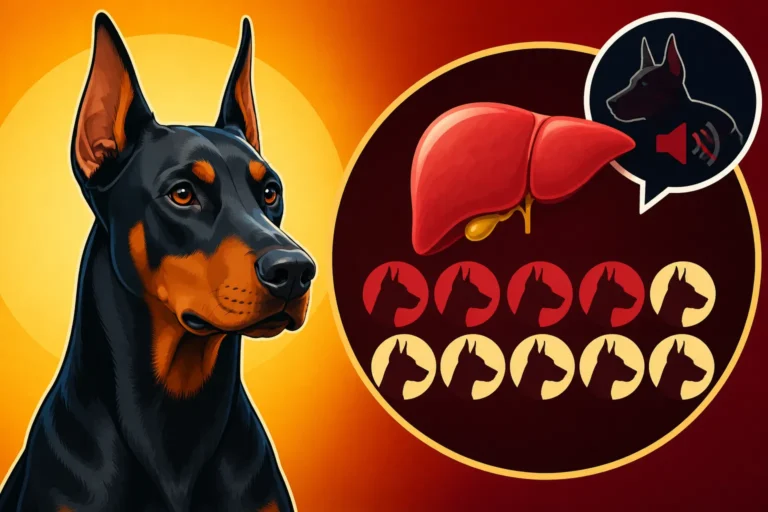
In Dobermans, the most common form is Type 1 Von Willebrand Disease, characterized by a reduced amount of vWF in the blood. While some Dobermans are only carriers, others are "affected," meaning they have significantly lower levels of this crucial protein. It's a genetic condition, meaning it’s passed down from parents to puppies. If you’re unsure about your Doberman’s status, discussing The Von Willebrand DNA Test for Dobermans with your vet is a critical step, especially if they are going in for any surgery. Many Dobermans carry the gene, making it a widespread concern for the breed, and it’s why responsible breeders are so diligent about testing their breeding stock. You might be surprised to learn that How Many Dobermans Carry the Bleeding Gene is quite high, which underscores the importance of this knowledge.
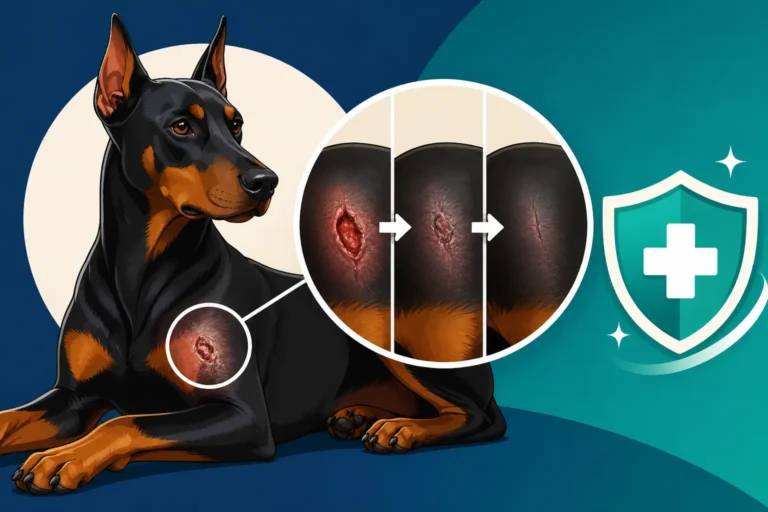
The symptoms can range from subtle issues like occasional Nosebleeds and Gum Bleeding in a Doberman or A Doberman That Bleeds Too Long From a Cut after a minor injury, to life-threatening hemorrhages during surgery or after significant trauma. The silent nature of the disease in many affected dogs means that many owners only discover their Doberman has vWD when a bleeding crisis occurs, often unexpectedly. This makes proactive management and careful medication choices incredibly important.
Key Categories of Medications to Avoid or Use with Extreme Caution
Navigating medication for a Doberman with Von Willebrand Disease requires a high degree of vigilance and open communication with your veterinarian. Certain drugs can exacerbate the clotting deficiency, turning a minor issue into a major emergency.
Non-Steroidal Anti-Inflammatory Drugs NSAIDs
This is arguably the most critical category to be aware of. NSAIDs are commonly prescribed for pain relief, inflammation, and fever in dogs. Think of common medications like carprofen (Rimadyl), meloxicam (Metacam), firocoxib (Previcox), or deracoxib (Deramaxx). While incredibly effective for many conditions, NSAIDs work by inhibiting prostaglandin synthesis, which in turn affects platelet function. For a Doberman with vWD, whose platelets already struggle to form a proper clot, adding an NSAID to the mix can be disastrous.
Even a seemingly harmless dose can significantly impair the already compromised clotting cascade. Imagine your Doberman has a minor limp or a touch of arthritis; an NSAID would be a go-to for many vets. However, for a vWD-affected Doberman, this could lead to internal bleeding, severe gastrointestinal ulceration with associated bleeding, or prolonged external bleeding from even a tiny wound. This is why it's paramount to always inform your vet about your Doberman's vWD status before any treatment is initiated. Many vets will instinctively reach for an NSAID for pain, so it’s your responsibility to be their advocate.
Anticoagulants and Platelet Inhibitors
While this might seem obvious, it's worth stating clearly: any medication designed to thin the blood or inhibit platelet function is an absolute contraindication for a Doberman with vWD. These drugs are typically used in conditions like certain heart diseases or to prevent clot formation, which is the exact opposite of what a vWD Doberman needs.
Examples include aspirin (even "baby" aspirin doses), clopidogrel (Plavix), or warfarin derivatives. Aspirin, in particular, is an over-the-counter medication that some owners might consider for pain relief without veterinary consultation. However, aspirin irreversibly binds to platelets, rendering them ineffective for their entire lifespan (about 5-7 days in dogs). For a Doberman with vWD, this means a significant increase in the risk of severe and uncontrolled bleeding. Always be cautious about administering any human medication without explicit veterinary guidance, especially with a Doberman prone to bleeding issues.
Certain Antibiotics and Other Drugs
While most antibiotics are safe, some have been anecdotally or scientifically linked to altered platelet function or other clotting issues, particularly at high doses or in sensitive individuals. Sulfa-based antibiotics (sulfonamides) like trimethoprim-sulfamethoxazole are sometimes mentioned in this context. While not a direct contraindication like NSAIDs, it's another class of medication to discuss specifically with your vet, ensuring they are aware of the vWD status and can monitor for any adverse effects.
Beyond NSAIDs and anticoagulants, other less common drugs can also pose a risk. Certain chemotherapy agents, some antifungal medications, and even some herbal supplements can affect platelet function or interact with clotting factors. The key takeaway here is that any new medication, whether prescription or over-the-counter, should be thoroughly vetted by your veterinarian with your Doberman's vWD in mind. Never assume a drug is safe just because it's not an NSAID.
Here's a quick reference table for some common drug categories and their general risk:
| Drug Category | Examples | Risk for vWD Dobermans | Explanation |
|---|---|---|---|
| NSAIDs | Carprofen, Meloxicam, Firocoxib, Deracoxib | HIGH – AVOID | Directly impairs platelet function, severely increasing bleeding risk. |
| Anticoagulants | Aspirin, Clopidogrel, Warfarin | EXTREME – AVOID | Designed to thin blood/inhibit platelets, counteracting any existing clotting ability. |
| Sulfa Antibiotics | Trimethoprim-sulfamethoxazole | MODERATE – USE CAUTION | Some reports of altered platelet function; discuss alternatives or close monitoring with vet. |
| Steroids (Corticosteroids) | Prednisone, Dexamethasone | LOW to MODERATE – USE CAUTION | Can sometimes exacerbate GI bleeding if high doses are used long-term; generally safer than NSAIDs for pain. |
| Opioids | Tramadol, Gabapentin (often combined) | LOW – Generally Safe | Primarily affect pain perception, no direct impact on clotting cascade. Often preferred for vWD Dobermans. |
| Antihistamines | Diphenhydramine (Benadryl), Cetirizine (Zyrtec) | LOW – Generally Safe | No known adverse effects on blood clotting. |
Disclaimer: This table provides general guidance and is not a substitute for professional veterinary advice.
Safe Alternatives and Management Strategies
So, what do you do when your Doberman with vWD needs pain relief, inflammation reduction, or a specific treatment? The good news is that there are often safe and effective alternatives available, but they require careful planning and a knowledgeable veterinary team.
For pain and inflammation, especially after an injury or surgery, opioid pain medications (like tramadol or buprenorphine) and gabapentin are generally considered safe as they do not interfere with clotting. Your vet might also consider corticosteroids (like prednisone) for inflammation. While steroids can sometimes cause gastrointestinal upset or even ulcers at high doses, they typically don't directly impair platelet function in the same way NSAIDs do, making them a safer choice for short-term, acute needs in a vWD dog. Close monitoring for stomach issues is still important with steroid use, but the immediate bleeding risk is significantly lower.
Managing a Doberman with vWD also extends beyond medication choices. It involves being proactive about injury prevention, being prepared for potential bleeding episodes, and having a solid plan with your vet. For instance, if your Doberman requires Surgery on a Doberman With a Clotting Problem, your vet will likely want to perform Testing a Doberman for Von Willebrand Before Surgery even if you already know their status, just to have a baseline. They might also administer desmopressin acetate (DDAVP) before surgery or in an emergency. DDAVP helps to temporarily increase the circulating levels of vWF, effectively boosting clotting ability for a short period. This can be a lifesaver in critical situations.
Having emergency supplies on hand, like styptic powder or gauze, for minor bleeds is also wise. More importantly, know your nearest emergency veterinary hospital that has experience with bleeding disorders, and always carry your Doberman's vWD diagnosis papers with you, or at least have it readily accessible on your phone. Prompt and informed treatment can make all the difference in a bleeding crisis, and if your Doberman ever requires transfusions for a Doberman with a clotting problem, time is of the essence.
Navigating Vet Visits and Emergency Care
One of the biggest hurdles for Doberman owners with vWD dogs is ensuring that every veterinary professional, from the tech drawing blood to the emergency surgeon, is fully aware of their dog's condition. It’s not enough to mention it once; you need to be a relentless advocate for your Doberman.
When you bring your Doberman to a new vet or an emergency clinic, always state clearly, right at check-in, "My Doberman has Von Willebrand Disease." Provide any documentation you have, such as genetic test results showing their Clear, Carrier and Affected Doberman Results status. Make sure it's prominently noted in their medical chart. Before any procedure, no matter how minor – even routine Vaccination and Anesthesia in a Doberman – ask the vet directly: "Are you taking my Doberman's vWD into account with this medication/procedure?" Don't be afraid to ask specific questions about the drugs they plan to use. If a prescription is given, double-check that the medication is safe for vWD.
In an emergency, the stress can make it easy to overlook details. This is where a pre-existing plan can be invaluable. Talk to your regular veterinarian about creating an emergency protocol for your vWD Doberman, including which medications are safe and what steps to take if a bleeding event occurs. Knowing who to call and what information to provide can shave precious minutes off treatment time, which could be life-saving.
Having pet insurance like Healthy Paws can also provide immense peace of mind. While it won't prevent vWD, it can certainly help cover the often substantial costs associated with emergency care, specialized treatments, or long-term management of bleeding episodes. Unexpected vet bills for a Doberman with vWD can quickly add up, and having a reliable insurance provider like Healthy Paws in your corner means you can focus on your dog's health rather than the financial strain. Many Doberman owners I know rely on insurance to help with the sometimes unpredictable health challenges our beloved breed faces, and Healthy Paws is a popular choice for comprehensive coverage. When considering the lifetime costs of owning a Doberman, factoring in potential emergencies for a vWD dog makes a strong case for robust pet insurance like Healthy Paws.
Finally, remember that you are your Doberman's best advocate. Stay informed, ask questions, and don't hesitate to seek a second opinion if you're ever uncomfortable with a treatment plan for your vWD-affected Doberman. Your diligence can truly make all the difference in their health and longevity.
Disclaimer
This article is intended for informational purposes only and does not constitute veterinary medical advice. Always consult with a qualified veterinarian for any health concerns or before making any decisions about your Doberman's treatment plan, especially regarding Von Willebrand Disease and medication.