Steroids and Rest for a Doberman Wobbler
Watching your beloved Doberman start to lose their footing, stumble on their back legs, or walk with an odd, hesitant gait can be incredibly frightening. It's a common, heartbreaking sign of what we often call Wobbler Syndrome, a condition where the spinal cord in their neck gets compressed, causing all sorts of neurological trouble. This guide will walk you through how steroids and strict rest can be a vital first line of defense in managing this challenging condition.
Understanding Doberman Wobbler Syndrome
The moment you notice your Doberman's walk isn't quite right, your mind races. Is it arthritis? An injury? For Doberman owners, "Wobbler" is often the first, terrifying thought that springs to mind, and for good reason. It's a condition deeply intertwined with our breed's unique physiology.
What Exactly is Wobbler Syndrome?
Wobbler Syndrome, formally known as Cervical Spondylomyelopathy (CSM), is essentially a problem with the cervical (neck) vertebrae and discs that leads to compression of the spinal cord and/or nerve roots. Imagine the delicate cables carrying all the communication from your brain to your body, now imagine those cables being squeezed. That's what's happening to your Doberman's spinal cord.
In Dobermans, Wobbler Syndrome usually manifests as a disc-associated Wobbler Syndrome (DAWS), where the soft discs between the vertebrae bulge or herniate, pressing on the spinal cord. Alternatively, it can be a bony compression from malformed vertebrae or a thickening of ligaments. This compression interferes with the nerve signals, leading to the characteristic "wobbly" gait. It’s a progressive neurological disease that sadly impacts a significant number of Dobermans, particularly males, typically appearing between the ages of 3 and 8 years old, though it can show up earlier or later. You might be surprised to learn that it’s one of the common neurological issues that can afflict these magnificent dogs, right alongside other breed-specific concerns like The Heart Disease That Reaches Most Dobermans.
Recognizing the Signs of a Wobbler
Identifying Wobbler Syndrome early can be challenging because the initial symptoms can be subtle and easily mistaken for something else. You might first notice your Doberman taking wider turns, seeming a bit clumsy, or dragging their back paws slightly, leading to Scuffed Nails on a Wobbler Doberman. This awkwardness, known as ataxia, is a hallmark of the condition.
As the compression progresses, the signs become more pronounced. They might struggle to get up from a lying position, especially after resting, or show weakness in their front limbs, sometimes even more so than their back legs, creating a "two-engine gait" where the front and back legs move out of sync. You might see them holding their head low, signaling A Doberman That Walks With Its Head Down, or showing obvious neck pain when you try to gently touch their neck area. Some dogs even develop muscle wasting in their shoulders as the nerve supply is interrupted. It’s crucial to pay close attention to any changes in your Doberman's movement or demeanor, because the faster you act, the better their chances of successful management. These symptoms can be distressing to witness, and knowing How Fast Doberman Wobbler Signs Progress can help you understand the urgency of seeking veterinary attention.
The Role of Steroids in Wobbler Management
When your vet first suspects Wobbler Syndrome, especially if the signs are mild to moderate, conservative management is often the first approach. This typically involves a combination of medication and strict rest, with steroids playing a pivotal role in the initial stages.
How Steroids Help
Corticosteroids, commonly referred to simply as "steroids," are powerful anti-inflammatory medications. In the context of Wobbler Syndrome, their primary goal is to reduce the inflammation and swelling around the compressed spinal cord. When a disc bulges or there's bony proliferation, it creates irritation and inflammation in the surrounding tissues. This inflammation contributes to the overall pressure on the spinal cord, exacerbating neurological symptoms.
By reducing this inflammation, steroids can help alleviate some of the pressure on the spinal cord, which in turn can reduce pain and improve neurological function. Think of it like deflating a small balloon in a tight space – less inflammation means more room for the delicate spinal cord. This relief can sometimes be quite dramatic in the short term, giving your Doberman a much-needed break from pain and allowing their body some time to recover from the acute inflammatory assault. However, it's important to remember that steroids address the symptoms, not the underlying structural problem causing the compression.
Types of Steroids and Administration
Common corticosteroids used for Dobermans with Wobbler Syndrome include Prednisone, Prednisolone, and Dexamethasone. Your veterinarian will determine the most appropriate steroid and dosage for your dog based on their specific condition, severity of symptoms, and overall health. These medications are typically administered orally, usually once or twice a day.
The critical aspect of steroid therapy is the tapering protocol. Steroids are potent drugs, and sudden discontinuation can lead to severe adverse effects, as the body's natural adrenal glands, which produce their own corticosteroids, can become suppressed. Therefore, your vet will almost always prescribe a tapering schedule, gradually reducing the dose over several days or weeks until your Doberman is completely off the medication or on the lowest effective maintenance dose if long-term use is deemed necessary. It’s essential to follow these instructions precisely, even if your Doberman seems much better, to avoid complications. A reputable pet insurance like Healthy Paws might help cover the costs of these necessary medications, especially during the initial diagnostic and treatment phases.
Potential Side Effects and Concerns
While steroids can be incredibly effective in managing acute Wobbler symptoms, they come with a laundry list of potential side effects, particularly with long-term use. Owners often report increased thirst (polydipsia) and urination (polyuria), meaning more frequent potty breaks and a constantly empty water bowl. Your Doberman's appetite will likely increase dramatically, which can lead to weight gain if not managed carefully. This can be especially challenging when your Doberman also needs to be on strict rest, as calorie expenditure is low.
Other common side effects include panting, lethargy, muscle weakness, and a thinning of the skin. More serious, though less common, side effects can include gastrointestinal upset, ulcers, and increased susceptibility to infections due to immunosuppression. If your Doberman is on steroids for an extended period, your vet will likely recommend regular blood work to monitor for any internal issues, such as elevated liver enzymes or changes in blood sugar. Discussing these concerns with your vet and understanding the risk-benefit ratio is paramount. Managing these side effects can add to the overall cost of care, making a good pet insurance plan from providers like Healthy Paws even more valuable for unforeseen veterinary expenses.
The Critical Importance of Rest and Activity Restriction
Steroids are only half of the conservative management equation for Doberman Wobbler Syndrome. Without strict rest and activity restriction, the benefits of medication can quickly be undone. This aspect of care often proves to be the most challenging for Doberman owners due to the breed's naturally active and intelligent nature.
Why Rest is Non-Negotiable
Imagine you have a sprained ankle. While pain medication helps, continuing to run on it will only worsen the injury. The same principle applies to your Doberman's neck and spinal cord. Any sudden movements, twisting, jumping, or even excessive head movement can further irritate the already compromised spinal cord. Each jarring motion can lead to more inflammation, more compression, and potentially irreversible damage.
Strict rest allows the inflamed tissues around the spinal cord to settle down and gives the body a chance to begin a natural healing process. It minimizes the physical forces acting on the neck vertebrae and discs, preventing further bulging or damage. This period of stillness is not just about comfort; it's about actively preventing the condition from worsening and giving the steroids the best chance to do their job. Rushing back into activity too soon can lead to setbacks, prolonging recovery or even necessitating more aggressive interventions down the line. It's a tough but vital commitment to your Doberman's long-term well-being, especially when you're trying to understand How Fast Doberman Wobbler Signs Progress.
Implementing Strict Crate Rest and Leash Restriction
For a Doberman, "strict rest" means exactly that: a very limited range of motion and activity. This usually involves:
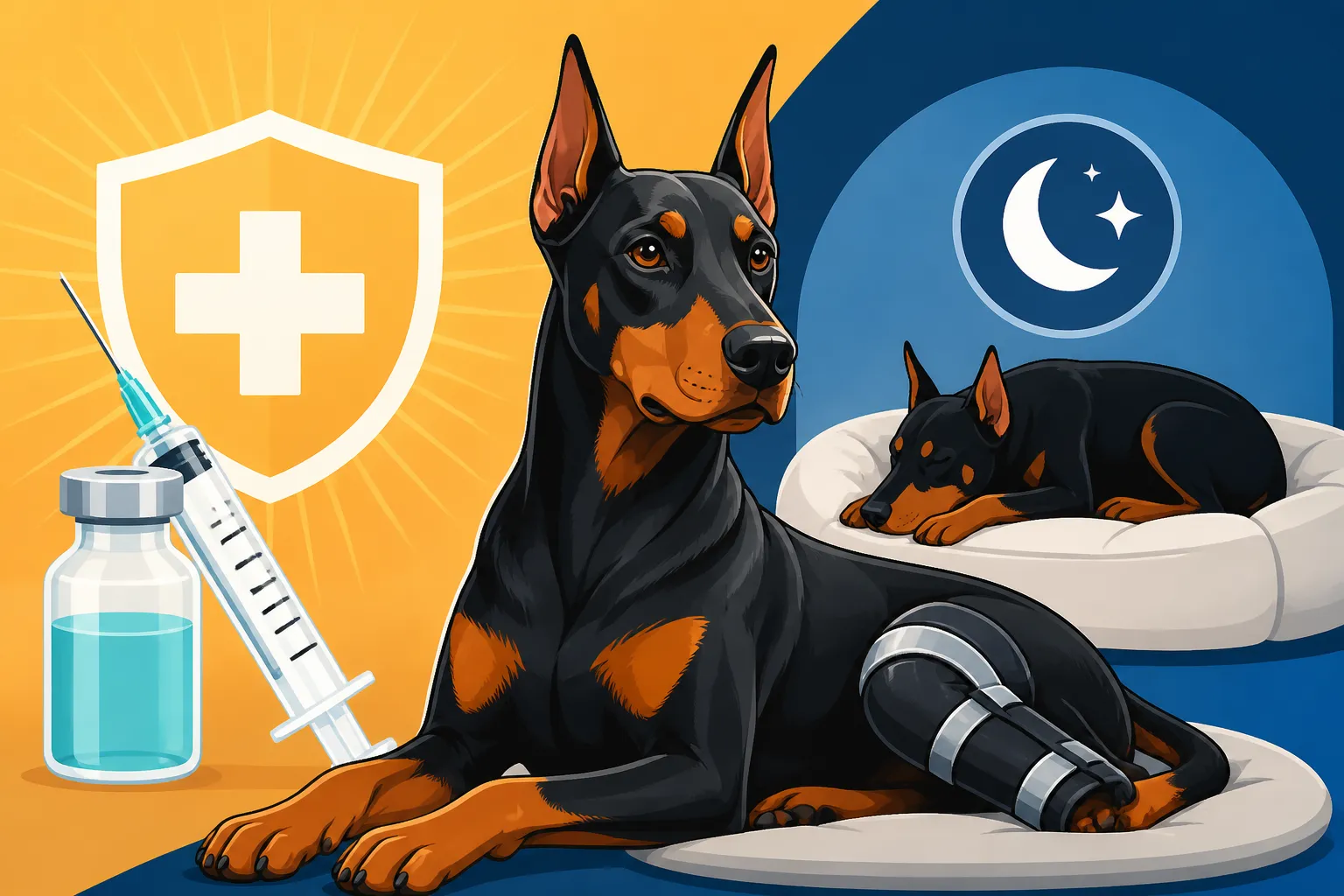
- Crate Rest: Your Doberman should be confined to a comfortable, appropriately sized crate or a small, enclosed space for the majority of the day. This prevents running, jumping, and sudden movements. The crate should be in a central area of your home so they still feel connected to the family.
- Leash-Only Potty Breaks: When your Doberman needs to go outside, it must be on a leash, directly to the potty spot and back. No running, no sniffing around, no wrestling with other dogs in the yard.
- No Stairs or Jumping: Prevent access to stairs and discourage jumping on or off furniture. If stairs are unavoidable, your Doberman may need to be carried or assisted with a sling.
- Avoid Neck Stress: Use a harness instead of a collar for walks to avoid any pressure on the neck. Prevent them from pulling on the leash.
- Controlled Handling: Be mindful of how you handle your Doberman, avoiding sudden grabs or pulls on their head or neck.
This level of restriction can be incredibly difficult for active Dobermans, but it is absolutely crucial. Think of it as a temporary lifestyle change that could save them from more severe outcomes or even Surgery Against Management for Doberman Wobblers.
Supporting Your Doberman During Rest
While strict rest is essential, it doesn't mean your Doberman needs to be miserable or neglected. Providing comfort and mental stimulation during this period is key:
- Comfortable Bedding: Ensure their crate or resting area has thick, orthopedic bedding to support their joints and bony frame. Dobermans have very little body fat, so cushioning is vital.
- Mental Stimulation: Since physical activity is limited, focus on mental enrichment. Puzzle toys, KONGs stuffed with treats, and short, gentle training sessions (without neck strain) can keep their minds engaged. Scent games where they have to find hidden treats can also be a low-impact way to burn mental energy.
- Controlled Passive Range of Motion (PROM): Your vet or a veterinary physical therapist might recommend gentle passive range of motion exercises for their limbs to help prevent muscle atrophy during prolonged rest. This should only be done under professional guidance to ensure it doesn't exacerbate the neck issue.
- Monitoring for Discomfort: Continuously monitor your Doberman for signs of pain or worsening symptoms. If they seem more uncomfortable despite medication and rest, it's time to contact your vet immediately. Creating a calm, predictable routine will significantly help your Doberman cope with the restrictions.
When Steroids and Rest Are Not Enough
Sometimes, despite your best efforts with steroids and strict rest, your Doberman's Wobbler symptoms may not improve, or they might even worsen. This can be a devastating realization, but it signals that a more aggressive approach might be necessary.
The Need for Advanced Diagnostics
If conservative management isn't yielding the desired results after a prescribed period (usually a few weeks to a month), your veterinarian will likely recommend advanced diagnostic imaging. Plain X-rays can show bony changes, but they often don't provide enough detail to pinpoint the exact location and nature of the spinal cord compression.
For a definitive diagnosis, a magnetic resonance imaging (MRI) or computed tomography (CT) scan is usually required. These sophisticated imaging techniques provide detailed cross-sectional views of the spinal cord, discs, and surrounding structures. They can clearly show bulging discs, bone spurs, ligament thickening, and the degree of spinal cord compression. This information is invaluable for determining the exact cause of the Wobbler Syndrome and planning the most effective treatment, whether it’s further medical management or surgical intervention. Understanding What a Doberman MRI Shows for Wobblers is a critical step in these situations. These diagnostics, while costly, are often essential for making informed decisions about your Doberman's care, and again, comprehensive pet insurance like Healthy Paws can be a lifesaver for managing such expenses.
Exploring Surgical Interventions
For Dobermans with severe, progressive, or non-responsive Wobbler Syndrome, surgical intervention is often considered the most definitive treatment option. The goal of surgery is to decompress the spinal cord directly by removing the source of pressure.
There are several surgical techniques, including ventral slot decompression, dorsal laminectomy, and various stabilization procedures involving implants. The specific technique chosen depends on the location and nature of the compression, as identified by the advanced imaging. While surgery carries its own risks, including anesthesia complications and potential for post-operative nerve damage, it can offer significant improvement in neurological function and quality of life for many Dobermans. However, recovery from Wobbler surgery is a long and dedicated process, often requiring extensive physical rehabilitation. It's a big decision, and discussing all the pros and cons with a board-certified veterinary neurologist is essential. Knowing Whether Doberman Wobbler Surgery Works for specific cases depends on many factors, including the severity and duration of the compression.
| Treatment Approach | Primary Goal | Recovery Time | Potential Outcomes | Cost Considerations |
|---|---|---|---|---|
| Steroids & Rest | Reduce inflammation, alleviate pain/pressure | Weeks to Months | Improvement, stabilization, or temporary relief | Medication, follow-up vet visits |
| Surgical Intervention | Direct spinal cord decompression & stabilization | Months (long rehab) | Significant improvement, potential cure for some | High (surgery, anesthesia, imaging, rehabilitation) |
Ultimately, the best path for your Doberman will involve careful consideration of their individual symptoms, response to treatment, your lifestyle, and financial capabilities. It's a journey that requires patience, dedication, and a strong partnership with your veterinary team.
Disclaimer
This article is intended for informational purposes only and does not constitute medical advice. Always consult with a qualified veterinarian for any health concerns or before making any decisions about your Doberman's medical care.