How Fast Doberman Wobbler Signs Progress
It's incredibly distressing to watch your beloved Doberman start showing signs of neurological weakness, especially when you're caught in the terrifying unknown of how quickly things might escalate. The thought of them struggling with their balance, or worse, losing mobility, is a fear many Doberman owners unfortunately face with Wobbler Syndrome. This guide aims to shed light on the progression of Wobbler signs, from those subtle, almost imperceptible early indicators to the more obvious and advanced stages, helping you understand what to anticipate and how best to support your Doberman through this challenging condition.
Understanding Wobbler Syndrome in Dobermans
Wobbler Syndrome, formally known as cervical spondylomyelopathy (CSM), is a neurological condition that primarily affects large and giant breed dogs. It's characterized by compression of the spinal cord and/or nerve roots in the neck region, leading to varying degrees of neurological deficits, most commonly a wobbly, uncoordinated gait. For us Doberman owners, this condition hits particularly close to home, as our breed is disproportionately affected.
The Root Cause of This Neurological Challenge
At its core, Wobbler Syndrome in Dobermans stems from issues within the cervical spine – that's the neck area. This compression can be due to several factors. In Dobermans, it’s often a combination of cervical vertebral instability and disc-associated compression. Imagine the delicate spinal cord, which is like the main highway for nerve signals from the brain to the rest of the body, getting squeezed or pinched. This can happen from a bulging disc, much like a slipped disc in humans, or from malformed vertebrae that narrow the spinal canal. Sometimes, the ligaments surrounding the spine can also thicken, adding to the pressure.
What makes Dobermans so prone? Well, it boils down to genetics and their specific conformation. They tend to have a longer neck with a certain vertebral structure that predisposes them to these issues. While other breeds like Great Danes also get Wobblers, the underlying causes can differ. Great Danes often have bony malformations, whereas Dobermans more commonly suffer from disc herniations and ligamentous hypertrophy, or overgrowth, leading to compression. This breed-specific predisposition means that even Dobermans from well-bred lines can develop it, making it a constant concern for owners. For a deeper dive into the condition itself, you might find our article, Wobbler Syndrome in the Doberman, very informative.
Common Symptoms You Might Observe
The symptoms of Wobbler Syndrome can be incredibly varied, both in their presentation and their severity. Initially, you might notice very subtle changes that are easy to dismiss or attribute to old age or a minor injury. Often, the earliest and most noticeable signs involve the hind limbs. Your Doberman might start to walk with a peculiar, uncoordinated gait, especially in their back legs, which gives the syndrome its "wobbler" name. They might appear a bit clumsy, sway side to side, or have trouble maintaining balance. Some owners describe it as their dog walking as if they're constantly on a boat, or even doing a "bunny hop" when they run.
As the condition progresses, you might start to see more pronounced issues. Stiffness in the neck, a reluctance to lower or raise their head, or even a persistent head-down posture can indicate pain in the cervical area. The weakness can extend to the front limbs, leading to a shorter, choppier stride, or even a tendency for their front paws to splay out. It's truly heartbreaking to watch their once powerful, elegant movement become compromised. In severe cases, dogs can lose proprioception, meaning they don't know where their feet are, leading to them dragging their toes or scuffing their nails on walks. If you're observing specific hind leg issues, our piece on A Doberman That Wobbles on Its Back Legs offers further insights.
The Unpredictable Pace of Progression
One of the most frustrating and anxiety-inducing aspects of Wobbler Syndrome is its unpredictable nature. There's no single, set timeline for how symptoms will develop or worsen, and it truly varies from one Doberman to another. This variability makes it incredibly challenging for owners to know what to expect.
Acute Versus Chronic Onset
When we talk about how Wobbler signs progress, it’s helpful to distinguish between acute and chronic onset, as these often dictate the speed and severity of symptom development.
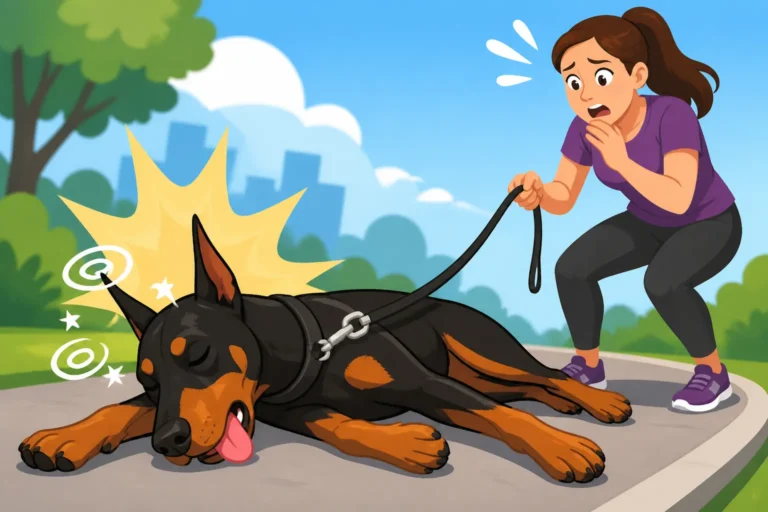
- Acute Onset: This is when symptoms appear suddenly and often dramatically. Imagine your Doberman, seemingly fine one day, suddenly showing severe neck pain, profound weakness, or even a complete inability to walk in a matter of hours or days. This rapid worsening is typically due to an acute event, like a sudden, severe disc herniation that causes significant spinal cord compression. While less common in Dobermans than chronic onset, acute cases are terrifying for owners because of the suddenness and the intense pain and neurological deficit their dog experiences. Intervention is usually urgent in these situations.
- Chronic Onset: This is the more typical scenario for Dobermans. The signs develop gradually, sometimes over weeks, months, or even a year or more. You might first notice a slight clumsiness, a subtle drag of a back paw, or a mild stiffness that you initially dismiss. These subtle cues slowly, almost imperceptibly, worsen over time. This slow progression can be particularly insidious because owners often adapt to the changes, sometimes not realizing the extent of the problem until it's quite advanced. It’s like watching a slow-motion car crash, where you see the deterioration but struggle to pinpoint exactly when it went from "a bit off" to genuinely concerning. The variability within chronic cases is vast; some Dobermans might have very slow, almost stable progression for years, while others can experience periods of faster decline interspersed with plateaus.
Factors Influencing How Quickly Symptoms Worsen
The speed at which Wobbler Syndrome progresses isn't a fixed equation; it's influenced by a confluence of factors, making each Doberman's journey unique. Understanding these can help manage expectations and inform treatment strategies.
- Severity of Compression: This is perhaps the most critical factor. The more severely the spinal cord is compressed, the more rapidly and profoundly the neurological signs tend to manifest and worsen. A slight pinch might lead to subtle wobbling, while a significant squeeze can cause rapid paralysis.
- Location of Compression: The specific vertebrae involved in the neck play a role. Compression higher up in the cervical spine can affect all four limbs, while lower cervical compression might primarily impact the hind limbs initially.
- Type of Lesion: Is it primarily a disc herniation, a bony malformation, or thickened ligaments? Disc herniations can sometimes lead to more acute episodes, while bony changes might lead to a more chronic, insidious progression. Our article on Why Doberman Neck Vertebrae Compress the Cord provides more context on these specific issues.
- Individual Doberman Physiology: Every dog is different. Some Dobermans might have a naturally more robust compensatory mechanism, allowing them to mask symptoms for longer. Their overall health, muscle tone, and activity level can also influence how quickly signs become debilitating. For instance, a highly athletic Doberman might experience a sudden exacerbation of mild underlying compression due to a strenuous activity or a minor neck trauma.
- Age of Onset: While Wobblers can appear at any age, it's generally seen in middle-aged to older Dobermans. Our guide on The Age Doberman Wobbler Signs Appear elaborates on typical timelines, but generally, dogs diagnosed younger sometimes experience a more aggressive progression due to ongoing growth and development stresses on the spine.
- Underlying Inflammation: Chronic inflammation around the compressed area can contribute to nerve damage and faster progression.
It’s this combination of factors that makes the progression of Wobbler Syndrome so frustratingly unpredictable. What's stable one month could suddenly worsen the next, leading to intense worry for owners. Having a supportive veterinary team and potentially pet insurance like Healthy Paws can ease some of the burden when these unexpected changes occur, allowing you to focus on your Doberman's care rather than the financial strain.
Recognizing Early Warning Signs and Seeking Diagnosis
Catching Wobbler Syndrome early can make a significant difference in how effectively it can be managed. However, because the initial signs can be so subtle and overlap with other conditions, it often takes a keen eye and proactive approach from Doberman owners.
Subtle Clues That Are Easy to Miss
Many Doberman owners describe that "something just isn't right" feeling long before overt wobbling begins. It's often in these subtle behavioral and physical shifts that the earliest indicators lie.
- Dragging or Scuffing Nails: One of the earliest and most common signs, especially in the hind limbs, is the dragging or scuffing of the nails. You might notice the tops of their rear paws looking worn or see them stumble slightly on textured surfaces. This is a tell-tale sign of proprioceptive deficit – their brain isn't getting clear signals about where their feet are. Our article on Scuffed Nails on a Wobbler Doberman delves deeper into this specific symptom.
- Hesitancy with Movement: Your Doberman might become reluctant to jump into the car, go up or down stairs, or even get on and off furniture. They might move slower than usual, or pause before performing actions they once did effortlessly.
- Changes in Head and Neck Posture: Observe how your Doberman holds its head. A lowered head posture, stiffness when turning, or a general reluctance to move their neck could indicate pain. You might notice A Doberman That Walks With Its Head Down more frequently.
- Gait Abnormalities: Beyond obvious wobbling, look for subtle changes. Is their stride shorter? Do they seem less agile? Do they trip over their own feet more often? Sometimes it's a slight "bunny hop" when running, or an exaggerated swing in their hindquarters.
- Behavioral Changes: Pain and neurological discomfort can make a Doberman irritable, withdrawn, or less enthusiastic about play or walks. They might seek more solitude or become less tolerant of being handled, especially around their neck.
Keeping a close watch on these subtle cues and trusting your instincts as an owner is paramount. If you notice a cluster of these signs, even if they seem minor, it’s worth a discussion with your veterinarian.
The Diagnostic Journey
Once you suspect something is amiss, the next crucial step is securing an accurate diagnosis. This isn't always straightforward, and it often involves a combination of examinations and advanced imaging.
- Initial Veterinary Examination: Your regular vet will perform a thorough physical and neurological examination. They'll assess your Doberman's gait, reflexes, proprioception (knowing where their limbs are in space), and pain response. They'll also check for neck pain and range of motion.
- Radiographs (X-rays): While standard X-rays can show bony changes or vertebral instability, they often don't provide a clear picture of soft tissue compression on the spinal cord itself. However, they are usually a starting point to rule out other issues and identify obvious structural abnormalities.
- Advanced Imaging: This is where the real diagnostic power lies.
- CT (Computed Tomography): A CT scan can provide detailed images of bone structures and can sometimes show disc herniations, but it's not as good at visualizing the spinal cord itself.
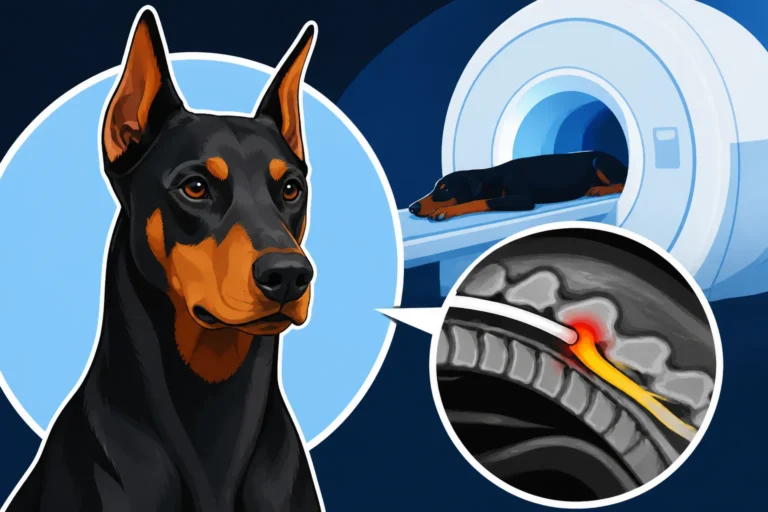
- MRI (Magnetic Resonance Imaging): This is generally considered the gold standard for diagnosing Wobbler Syndrome. An MRI provides incredibly detailed images of soft tissues, including the spinal cord, discs, and ligaments, allowing your veterinary neurologist to pinpoint the exact location and severity of the compression. For more information on this vital diagnostic tool, consult our article, What a Doberman MRI Shows for Wobblers.
- Cerebrospinal Fluid (CSF) Analysis: In some cases, your vet might recommend a CSF tap to rule out other inflammatory or infectious conditions that can mimic Wobbler Syndrome symptoms.
Getting an accurate diagnosis is critical not only for confirming Wobbler Syndrome but also for understanding the specific type and severity of compression. This information then guides the treatment plan and helps give you a more realistic prognosis regarding how the condition might progress. Don't hesitate to seek a referral to a veterinary neurologist if your general practitioner recommends it; their specialized expertise in conditions like Wobblers is invaluable. You can also learn more about the process in Scanning a Doberman for a Compressed Neck.
Managing Wobbler Progression and Enhancing Quality of Life
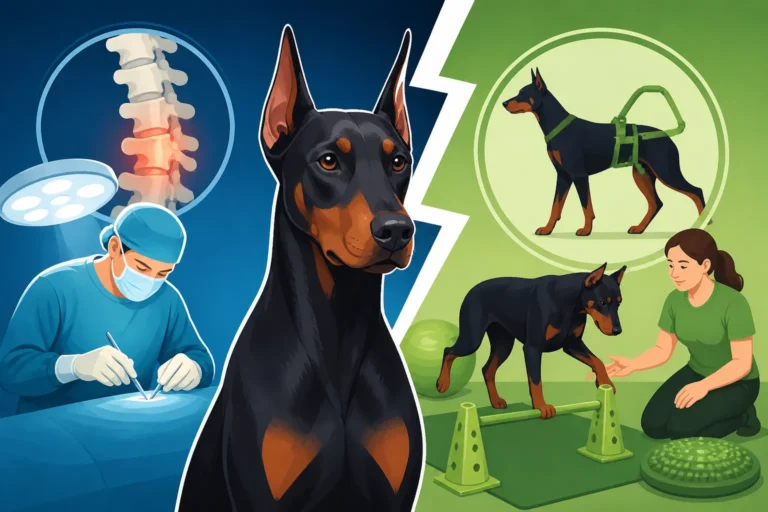
Receiving a Wobbler Syndrome diagnosis for your Doberman can feel overwhelming, but there are many strategies to manage the progression of signs and significantly improve their quality of life. The approach usually falls into two main categories: conservative management or surgical intervention.
Conservative Management Strategies
For Dobermans with mild to moderate symptoms, or those where surgery isn't an option, conservative management is often the first line of defense. The goal is to reduce inflammation, alleviate pain, and prevent further spinal cord damage.
- Rest and Activity Restriction: This is fundamental. Limiting strenuous exercise, jumping, and rough play is crucial. A strict period of crate rest or confined activity might be recommended initially. As your Doberman improves, controlled leash walks are typically encouraged, but high-impact activities should be avoided long-term.
- Medication: Your veterinarian will likely prescribe a combination of medications.
- Anti-inflammatory Drugs: Non-steroidal anti-inflammatory drugs (NSAIDs) help reduce pain and inflammation. In more severe cases, corticosteroids like prednisone may be used for their powerful anti-inflammatory effects. You can read more about this in Steroids and Rest for a Doberman Wobbler.
- Pain Relief: Beyond NSAIDs, other pain medications, such as gabapentin or tramadol, might be used to manage chronic pain.
- Muscle Relaxants: These can help alleviate muscle spasms in the neck and shoulders that often accompany spinal pain.
- Harness Use: Switching from a neck collar to a well-fitting chest harness is absolutely essential. Any pressure on the neck can exacerbate spinal cord compression. Our piece on Whether a Wobbler Doberman Should Wear a Collar emphasizes this critical change.
- Physical Rehabilitation: Once pain is controlled, physical therapy can be incredibly beneficial. This includes hydrotherapy (underwater treadmill), therapeutic exercises, massage, and stretching. A certified canine rehabilitation therapist can develop a customized program to strengthen core muscles, improve balance, and maintain mobility.
- Nutritional Support and Weight Management: Keeping your Doberman at a healthy weight reduces stress on their joints and spine. Your vet might also discuss supplements like omega-3 fatty acids for their anti-inflammatory properties, or specific joint supplements.
- Acupuncture/Laser Therapy: Some owners find adjunctive therapies like acupuncture or therapeutic laser sessions helpful in managing pain and inflammation.
These ongoing management strategies can incur significant costs over time. This is where a reliable pet insurance plan like Healthy Paws can truly make a difference, helping you cover veterinary visits, medications, and rehabilitation without the constant worry of financial strain.
Surgical Intervention and Post-Operative Care
When conservative management isn't effective, or for Dobermans with severe, rapidly progressing neurological deficits, intractable pain, or a sudden acute worsening, surgery becomes a strong consideration.
- When Surgery is Considered: Typically, surgery is recommended if your Doberman's neurological condition is worsening despite conservative treatment, if they are experiencing significant pain that can't be controlled, or if the spinal cord compression is severe enough to warrant immediate decompression.
- Types of Surgery: There are several surgical techniques, and the choice depends on the specific cause and location of the compression.
- Ventral Slot: Often used for disc herniations, this involves removing a small window of bone from the underside of the vertebrae to access and remove the offending disc material.
- Dorsal Laminectomy: This procedure involves removing bone from the top (dorsal) part of the vertebrae to relieve pressure.
- Distraction-Stabilization Techniques: These procedures involve decompressing the spinal cord and then stabilizing the vertebrae with implants (screws, plates, or bone cement) to prevent further instability.
- Recovery and Rehabilitation: Surgical recovery is intensive and requires significant commitment. Your Doberman will need strict rest initially, followed by a structured physical rehabilitation program. This can take several weeks to months. The goal of surgery is to decompress the spinal cord and stabilize the area, which can halt progression and often lead to significant improvement in neurological function. However, it's important to understand that complete recovery is not always possible, and some neurological deficits may persist. Discussing the risks and benefits with a veterinary neurologist is paramount, as detailed in our guide on Surgery Against Management for Doberman Wobblers.
- Financial Considerations: Wobbler surgery can be very expensive, easily running into many thousands of dollars, not including the extensive post-operative care and rehabilitation. Exploring the costs of Rehabilitation Costs After Doberman Spinal Surgery is important for planning. This is another area where robust pet insurance like Healthy Paws can be a tremendous asset, helping to alleviate the financial burden of such a major procedure and its subsequent recovery.
Adapting Your Home for a Doberman with Wobblers
Regardless of whether your Doberman undergoes surgery or is managed conservatively, making modifications to your home environment can greatly enhance their safety, comfort, and overall quality of life.
- Ramps and Non-Slip Surfaces: Install ramps for stairs, couches, and to get in and out of the car. Place non-slip rugs or mats on slick floors like tile or hardwood to provide better traction and prevent falls, which can be disastrous for a Doberman with Wobblers.
- Elevated Food and Water Bowls: Raising food and water bowls to a comfortable height can reduce strain on your Doberman's neck during meal times.
- Comfortable Bedding: Provide orthopedic beds with good support to cushion their joints and spine. Dobermans, with their lean build, can benefit greatly from extra padding.
- Limited Access: Restrict access to areas where falls are likely, such as steep stairs or slippery outdoor surfaces. A baby gate can be very useful.
- Assisted Walking Devices: For Dobermans with significant weakness, especially in the hind legs, a rear-end support harness or even a dog wheelchair can provide invaluable assistance, helping them maintain mobility and enjoy walks. Our article, Living With a Doberman That Cannot Walk Straight, shares insights into adapting to these challenges.
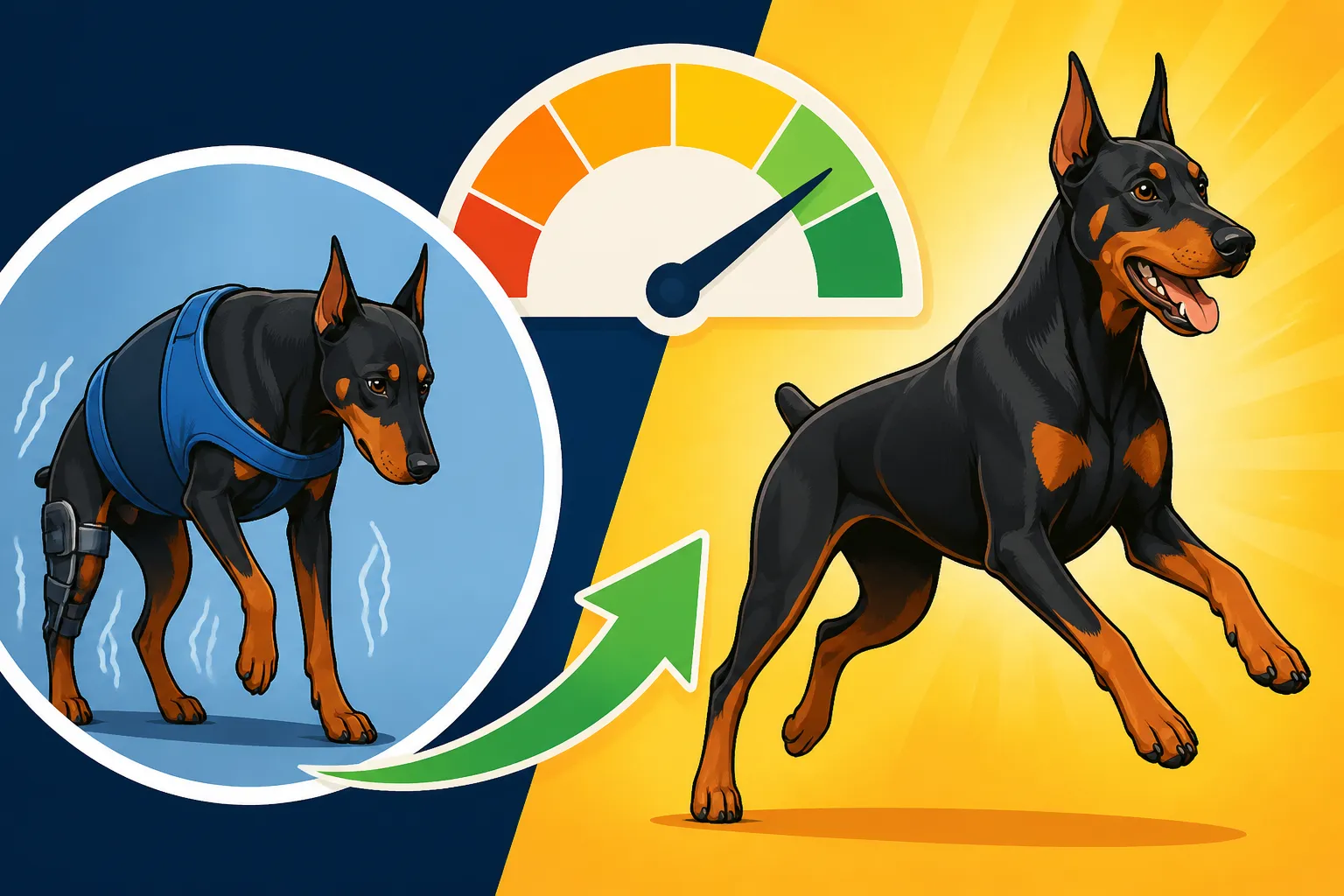
Living with a Doberman with Wobbler Syndrome is a journey that requires patience, dedication, and a deep understanding of their needs. Regular veterinary check-ups are vital to monitor their condition, adjust medications, and adapt treatment plans as their disease progresses. Partnering with a comprehensive pet insurance provider like Healthy Paws can help you afford the best possible care throughout your Doberman's Wobbler journey, giving you peace of mind that you can focus on their well-being.
Progression of Wobbler Signs: Acute vs. Chronic
| Feature | Acute Onset | Chronic Onset |
|---|---|---|
| Speed of Progression | Sudden, rapid (hours to days) | Gradual, slow (weeks to months/years) |
| Severity at Onset | Often severe neurological deficits, intense pain | Mild, subtle signs initially, slowly worsening |
| Typical Cause | Acute disc herniation or trauma | Disc protrusion, bony malformation, ligament hypertrophy |
| Pain Level | Often high, acute pain | Variable, can be mild to moderate, or episodic |
| Urgency of Treatment | Urgent intervention often required | Managed over time, typically starting with conservative care |
| Prognosis | Can improve with urgent treatment, but recovery varies | Can be managed, but long-term care often needed |
| Observation by Owner | Easily recognized as an emergency | Often subtle, initially mistaken for aging or minor issues |
Disclaimer
This article is for general informational purposes only and does not constitute professional advice. Laws, prices and regulations vary by location and change over time. Consult a qualified professional for guidance on your specific situation.