What Bloat Surgery Costs a Doberman Owner
The sudden, terrifying onset of bloat in a Doberman is one of the most heart-stopping experiences a dog owner can face. One moment your loyal companion is fine, and the next, they're in a life-threatening emergency, leaving you scrambling not only for veterinary care but also grappling with the inevitable, substantial costs. This guide will meticulously break down what bloat surgery entails for your Doberman, from the initial emergency visit to post-operative care, giving you a realistic picture of the financial commitment involved.
Understanding Doberman Bloat and Its Urgency
Dobermans, with their distinctive deep and narrow chests, are unfortunately at a higher risk for a condition known as Gastric Dilatation-Volvulus (GDV), more commonly referred to as bloat. It’s a terrifying condition because it strikes rapidly and can be fatal within hours if not addressed immediately. As a Doberman owner, understanding this risk and what to look for is not just helpful, it's absolutely crucial for your dog's survival.
What Happens During Bloat (Gastric Dilatation-Volvulus)
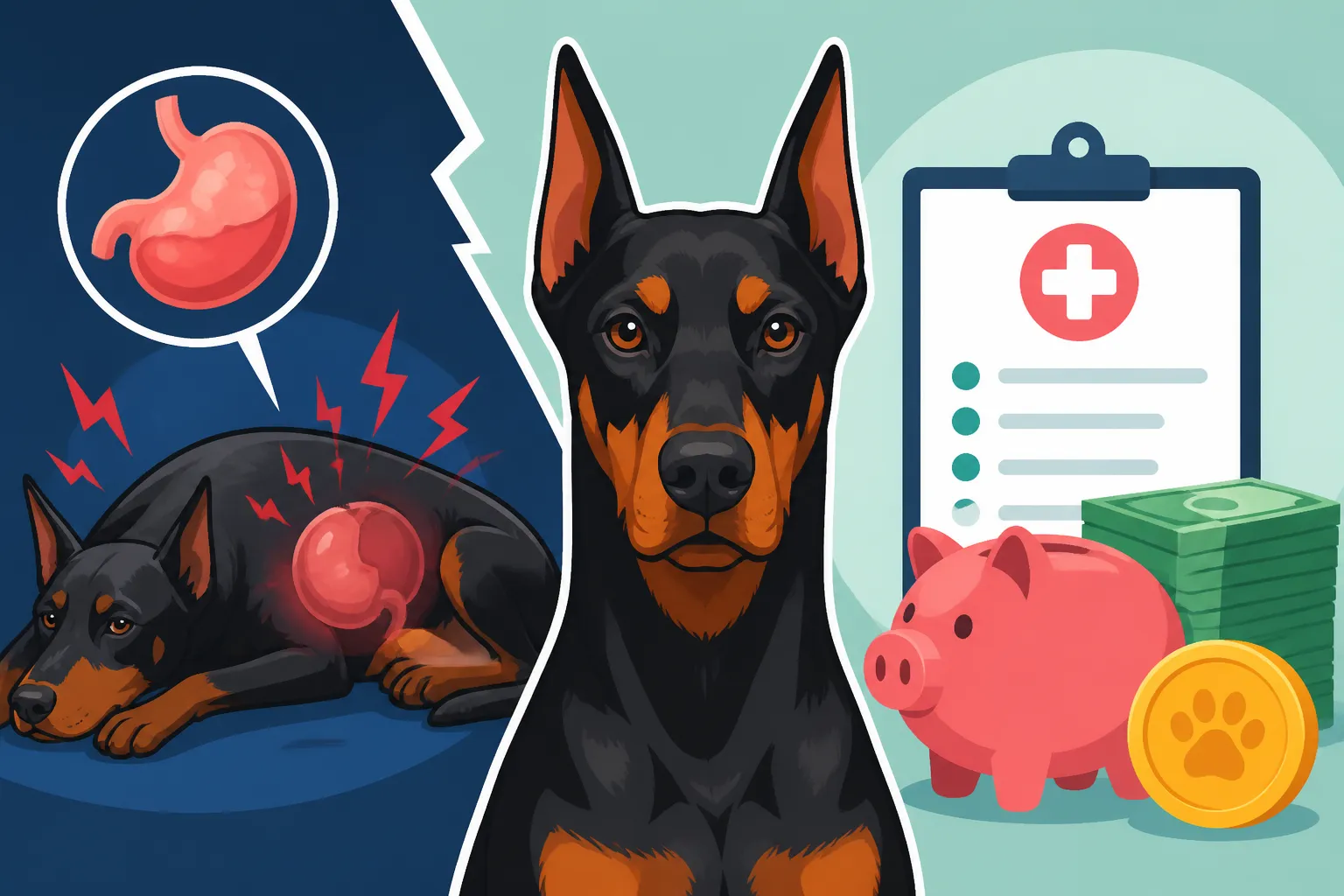
Imagine your Doberman's stomach rapidly filling with gas, food, or fluid, causing it to distend like an overinflated balloon. This is the "dilatation" part. But what makes GDV truly life-threatening is the "volvulus," which means the stomach then twists upon itself. This twisting closes off both the entrance and exit of the stomach, trapping the gas and contents inside. It also cuts off blood supply to the stomach and often the spleen, leading to tissue death and a cascade of systemic issues throughout the body.
The speed at which this happens is frightening. One moment your Doberman might be bouncing around, and the next, they're showing severe discomfort. This is why when we talk about bloat, we're really talking about a race against time. Every minute counts in getting your dog to emergency care, because delay dramatically increases the risk of complications and fatality. It's a medical emergency that demands immediate action, no questions asked. If you notice signs, don't wait to see if it improves; head straight to the vet. This dire condition highlights Why a Doberman's Narrow Deep Chest Twists.
Recognizing the Signs of Bloat
Knowing the signs of bloat is your first line of defense. It's easy to mistake early symptoms for general stomach upset, but with a Doberman, you simply cannot afford to take that chance. The most classic and alarming sign is unproductive retching – your dog acts like they're trying to vomit, but nothing or very little comes up. They might be drooling excessively, pacing, and looking at their abdomen.
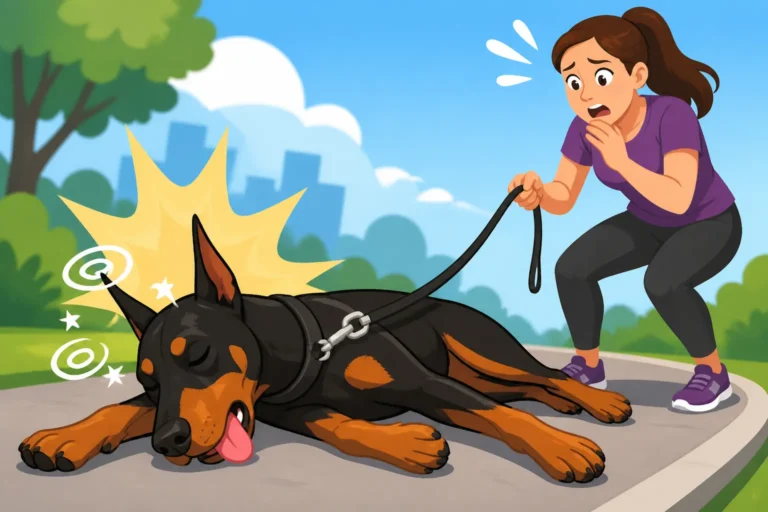
Other critical symptoms include a visibly distended abdomen, which might feel tight to the touch. Your Doberman might exhibit signs of pain, such as whining, restlessness, or adopting a "prayer position" with their front legs down and rear end up, attempting to relieve discomfort. As the condition progresses, they may become weak, collapse, or show signs of shock, like pale gums and rapid, shallow breathing. If you observe any of these symptoms, especially the unproductive retching or abdominal distension, it's time to rush to the nearest emergency veterinary clinic. Learning to spot these early indicators is paramount, and you can find more detailed information on Recognizing a Doberman Stomach Twist in Time.
The Initial Emergency Visit and Diagnostic Costs
When you arrive at the emergency veterinary clinic with a suspected case of bloat, things move very quickly. The initial assessment and stabilization are critical, and they come with their own set of costs before any surgery is even performed. It's important to be prepared for this upfront investment, which is non-negotiable for your Doberman's survival.
First Responder Vet and Stabilization
Upon arrival, the emergency veterinary team will immediately assess your Doberman's condition. This usually starts with a physical examination, checking vital signs, and assessing for signs of shock. The vet will likely attempt to pass a stomach tube to decompress the stomach by releasing trapped gas. Sometimes, if a tube can’t be passed, a large-bore needle might be used to puncture the stomach from the outside, offering temporary relief and stabilization. These initial efforts are crucial for stabilizing your dog before surgery can be considered.
During this frantic period, your Doberman will receive intravenous (IV) fluids to combat shock and dehydration, and strong pain medication will be administered to alleviate their extreme discomfort. These initial emergency room fees, including the consultation, stabilization efforts, medications, and fluid therapy, can range from a few hundred dollars to well over a thousand, depending on the complexity of stabilization and the clinic's emergency rates.
Diagnostic Imaging and Bloodwork
Once your Doberman is somewhat stable, the next critical step is confirming the diagnosis of GDV and assessing the overall health of your dog, especially before anesthesia and major surgery. This involves diagnostic imaging and comprehensive bloodwork. An X-ray of the abdomen is the definitive diagnostic tool for GDV. It clearly shows the characteristic "double bubble" or "Popeye arm" sign if the stomach has twisted, confirming the condition. The X-ray also helps the vet assess the extent of stomach distension and rule out other abdominal issues.
In addition to imaging, a full panel of blood tests will be run. This typically includes a complete blood count (CBC) to check for infection, inflammation, and anemia, and a chemistry panel to evaluate organ function (kidneys, liver) and electrolyte balance. These tests are essential for ensuring your Doberman is healthy enough for surgery and identifying any underlying issues or complications caused by the bloat, such as damage to other organs. The cost for X-rays and comprehensive bloodwork usually falls within the range of $300 to $800, adding to the initial emergency bill.
The Cost of Bloat Surgery for a Doberman
Once bloat is confirmed and your Doberman is stabilized, the next, most significant financial hurdle is the surgery itself. This is where the bulk of the cost lies, reflecting the complexity of the procedure, the expertise required, and the extensive post-operative care needed.
Surgical Procedure Itself (Gastropexy)
The primary goal of bloat surgery is to untwist the stomach and then perform a gastropexy. A gastropexy is a procedure where the stomach is permanently tacked or sutured to the abdominal wall. This prevents future episodes of the stomach twisting, though it does not prevent gas from building up (dilatation). This preventive measure is vital, as Dobermans who have experienced bloat have a very high recurrence rate if the stomach isn't tacked. The surgeon will also carefully inspect the stomach and spleen for any damaged or necrotic (dead) tissue, which may need to be removed.
The cost of the surgical procedure itself varies widely based on several factors: the geographical location of the clinic, whether it's an emergency veterinary hospital or a specialty surgical center, and the time of day the surgery is performed (emergency after-hours surgeries often incur higher fees). Anesthesia, surgical supplies, and the surgeon's fee are all bundled into this cost. For a Doberman, emergency bloat surgery, including the gastropexy, can easily range from $3,000 to $7,000, with some severe cases pushing even higher if extensive tissue removal or other specialized interventions are required. This expense is a major part of What Bloat Surgery Costs a Doberman Owner.
Post-Operative Care and Hospitalization
Surgery is just the beginning of the journey. The post-operative period is equally critical and often accounts for a significant portion of the total bill. Dobermans recovering from bloat surgery require intensive, round-the-clock monitoring for several days to ensure there are no immediate complications. This level of care can feel like a marathon of worry, but it’s absolutely necessary.
During hospitalization, your Doberman will continue to receive IV fluids, pain medication to manage post-surgical discomfort, and often antibiotics to prevent infection. They will be closely monitored for cardiac arrhythmias (irregular heartbeats), which are a common and serious complication of bloat, as well as for signs of sepsis, internal bleeding, or further stomach issues. Nurses and veterinary technicians will be checking vital signs, administering medications, and ensuring they are comfortable. The length of stay in the hospital typically ranges from 2 to 5 days, depending on the severity of the bloat and how quickly your Doberman recovers. Each day of hospitalization, with its associated monitoring, medications, and skilled nursing care, can add hundreds of dollars to the final cost. This is why Overnight Care for a Doberman in Heart Failure can quickly become expensive.
Potential Complications and Added Expenses
While the surgery itself is a major hurdle, the potential for complications after bloat is significant and can drive the costs even higher. It’s a sad reality that even with successful surgery, a Doberman isn't out of the woods for several days. Understanding these risks can help you mentally and financially prepare for worst-case scenarios.
Cardiac Arrhythmias and Systemic Shock
One of the most common and dangerous complications of GDV is the development of cardiac arrhythmias, or irregular heartbeats. These can occur both before, during, and after surgery because the twisting of the stomach can compromise blood flow to vital organs, including the heart, leading to a state of shock. These arrhythmias can be life-threatening and require intensive monitoring and medication to stabilize the heart rhythm. Your Doberman might need an ECG (electrocardiogram) and continuous cardiac monitoring, often for several days in the critical care unit.
If your Doberman develops severe shock or persistent arrhythmias, they may require additional medications, a longer stay in the hospital, or even consultation with a veterinary cardiologist. These specialized treatments and extended critical care can easily add hundreds to thousands of dollars to the total bill. The Doberman's system is incredibly resilient, but bloat can push it to its limits, requiring sophisticated and costly medical interventions.
Tissue Necrosis and Secondary Infections
Another grave complication arises if the blood supply to the stomach or spleen has been compromised for too long before surgery. This can lead to tissue necrosis, meaning portions of the stomach wall or even the entire spleen may die. If necrotic tissue is present, the surgeon must remove it, which adds complexity and time to the operation. If a significant portion of the stomach is necrotic, the prognosis becomes much grimmer, and the costs climb due to the extended and more complicated surgical procedure.
Furthermore, dead tissue can lead to severe secondary bacterial infections, including sepsis, which is a full-body inflammatory response to infection that can be fatal. Treating sepsis involves aggressive IV antibiotics, intensive supportive care, and often a longer hospital stay. The risk of these severe complications means that the initial surgical estimate might not be the final figure. It's a devastating possibility, but one that Doberman owners must be aware of when facing bloat.
Managing the Financial Burden of Doberman Bloat
The financial shock of an emergency like bloat can be overwhelming, especially when you're also dealing with the emotional stress of your Doberman's critical condition. However, there are ways to prepare for and manage these potentially enormous costs. Proactive planning can make a world of difference when faced with such an urgent situation.
Pet Insurance and Its Role
This is where pet insurance truly shines, but only if you have it before a crisis strikes. Companies like Healthy Paws offer comprehensive coverage that can reimburse a significant portion of unexpected veterinary bills, including emergency surgeries like bloat correction. Imagine receiving a bill for $5,000 to $10,000, and your insurance covers 80% or 90% after your deductible. That relief can be immense.
However, it's absolutely crucial to understand that pet insurance policies do not cover pre-existing conditions. If your Doberman is diagnosed with bloat before you enroll them in a policy, or during the waiting period, the treatment for that specific condition will likely be excluded. This is why it's so vital for Doberman owners to enroll in pet insurance when their dogs are young and healthy. Don't wait until you hear that terrible unproductive retching sound; look into Getting a Doberman Covered Before the First Echo or any other major health concern. For a breed prone to so many health issues, pet insurance isn't a luxury; it's a practical necessity. Many Doberman owners ask Whether Any Doberman Owner Should Skip Insurance, and the answer is almost always no.
Emergency Funds and Financial Planning
Even with pet insurance, you'll still be responsible for your deductible and any co-pay or non-covered expenses. This is where a dedicated emergency fund for your Doberman becomes invaluable. Setting aside a certain amount each month, specifically for unforeseen veterinary costs, can provide a critical safety net. Whether it's $50 or $100, those savings can quickly add up and mitigate the immediate financial strain of a sudden emergency.
If you find yourself in an emergency without adequate savings or insurance, many veterinary clinics work with third-party financing options like CareCredit or Scratchpay. These programs allow you to apply for credit to cover veterinary expenses, often with deferred interest periods if paid off within a certain timeframe. While not ideal, they can provide a vital bridge in a crisis. Some clinics might also offer in-house payment plans, but these are often reserved for established clients and may require a substantial upfront payment. It never hurts to ask, but having a plan B in place before an emergency makes a huge difference.
Preventative Measures and Prophylactic Gastropexy
Beyond financial preparedness, taking steps to reduce the risk of bloat is the best form of prevention. This includes feeding multiple small meals a day rather than one large one, using slow-feeder bowls, and avoiding strenuous exercise immediately before or after meals. These lifestyle adjustments can help to prevent the initial gastric distension that precedes the twist. You can find more practical advice on Meal Timing on a Deep-Narrow Doberman Chest.
For Dobermans, especially those with a family history of bloat, a prophylactic gastropexy (PEXY) is a highly recommended preventative surgery. This procedure involves surgically tacking the stomach to the abdominal wall before bloat ever occurs, preventing the stomach from twisting in the future. It does not prevent the stomach from distending with gas, but it eliminates the most deadly part of GDV: the volvulus. This surgery is much less invasive and less expensive than emergency bloat surgery, often performed at the same time as a spay or neuter. While it still represents a significant upfront cost (typically $800 to $2,000, but can be higher depending on if it's done laparoscopically or open, and if combined with another surgery), it provides immense peace of mind and is a fraction of the cost of an emergency GDV repair. This preventive option is certainly worth exploring for your Doberman, and you can delve deeper into it by reading about Tacking a Doberman's Stomach While It Is Under.
Typical Bloat Surgery Cost Breakdown
To give you a clearer picture, here's a table summarizing the typical cost ranges for the various components of emergency bloat surgery for a Doberman. Please remember these are estimates and actual costs can vary significantly based on location, veterinary facility, and the severity of the case.
| Service/Procedure | Estimated Cost Range (USD) | Notes |
|---|---|---|
| Emergency Exam & Stabilization | $200 – $800 | Initial assessment, IV fluids, pain meds, stomach decompression attempts (tubing/trocar). |
| Diagnostic Imaging (X-rays) | $250 – $500 | To confirm GDV and assess severity. |
| Bloodwork (Pre-op) | $150 – $300 | CBC, chemistry panel to assess organ function and overall health. |
| Emergency Surgery (GDV Repair & Gastropexy) | $3,000 – $7,000 | Includes surgeon's fee, anesthesia, surgical supplies, untwisting stomach, and permanent gastropexy. Can be higher for complex cases. |
| Post-Operative Hospitalization | $500 – $1,500 per day | Includes continuous monitoring, IV fluids, pain management, antibiotics, nursing care. Typically 2-5 days. |
| Medication (Take-home) | $50 – $200 | Pain relievers, antibiotics for home care. |
| Total Estimated Cost | $4,150 – $10,300+ | This is a broad range; severe cases with complications can exceed $10,000. |
| Prophylactic Gastropexy (PEXY) | $800 – $2,000 | Preventative surgery, usually elective and often combined with spay/neuter, significantly less than emergency surgery. |
The costs associated with a Doberman bloat emergency can be staggering, but the alternative is unthinkable for most loving owners. Preparation, both in terms of understanding the condition and having a financial safety net, is key to navigating this critical health challenge.
Disclaimer
The information provided in this article is for general informational purposes only and does not constitute veterinary advice. Always consult with a qualified veterinarian for any health concerns or before making any decisions about your Doberman's care. Costs mentioned are estimates and can vary based on location, veterinary practice, and individual circumstances.