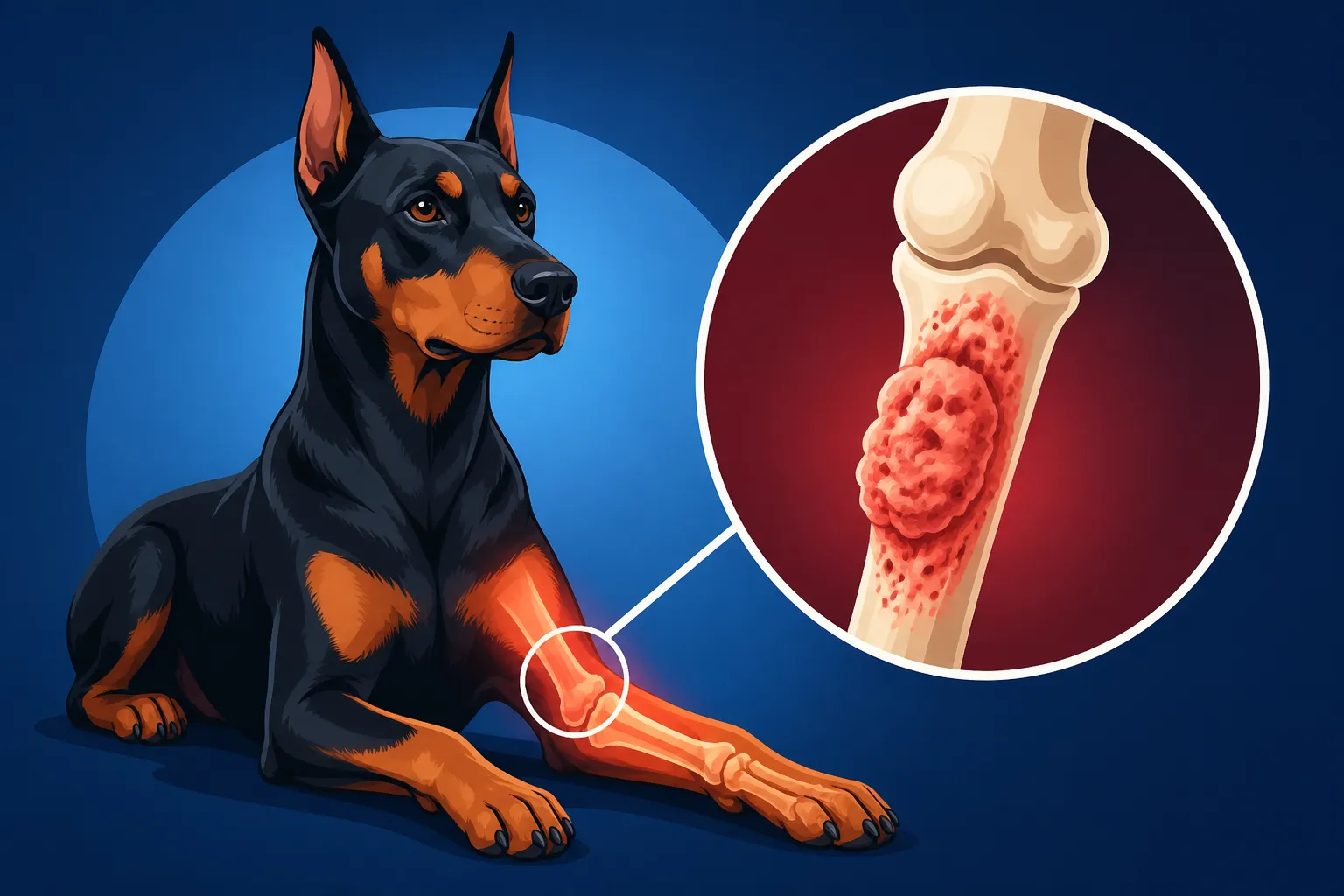
Osteosarcoma in a Doberman Leg
It’s a heart-wrenching moment for any Doberman owner: you notice a slight limp, perhaps after a vigorous play session, or a subtle reluctance to put full weight on a leg. You might write it off as a sprain, a bit of soreness from being a typical clumsy Doberman. But then, it doesn't get better. In fact, it often gets worse, escalating quickly into profound lameness, swelling, and unmistakable pain. This scenario, sadly, is all too common and can often be the first terrifying sign of osteosarcoma, an aggressive bone cancer that disproportionately affects our beloved Dobermans. This guide is here to walk you through understanding this devastating disease, recognizing its signs, navigating the diagnostic process, and exploring the treatment options available to help your Doberman maintain the best possible quality of life.
Understanding Osteosarcoma: What It Is and Why Dobermans Are Prone
When we talk about osteosarcoma in Dobermans, we're discussing one of the most aggressive and painful forms of cancer. It's a cruel diagnosis that many large breed dog owners, including those with Dobermans, know all too well. Understanding what it is and why our Dobermans are more susceptible is the first step in facing this challenge head-on.
The Nature of This Aggressive Bone Cancer
Osteosarcoma is essentially a malignant tumor of the bone. Unlike some cancers that might originate in soft tissue and spread to bone, osteosarcoma starts directly in the bone cells. For Dobermans, these tumors most commonly develop in the long bones of the limbs – think the bones just above the elbow (humerus) or below the knee (radius, ulna, tibia, femur). These are often referred to as "away from the elbow and toward the knee" sites, though it can occur in other bones like ribs, vertebrae, or jaw.
What makes osteosarcoma particularly devastating is its incredibly aggressive nature. It doesn't just stay put in one spot; it's notorious for spreading rapidly, or metastasizing, to other parts of the body, even when the primary tumor is still small and seemingly localized. The lungs are the most common site for metastasis, making breathing difficulties and coughing potential secondary symptoms as the disease progresses. This rapid spread is why early detection and aggressive treatment are so critical, yet still often prove to be an uphill battle. The pain associated with osteosarcoma is also a significant concern, as the tumor actively destroys healthy bone tissue and can cause microfractures, leading to severe discomfort for your dog.
Why Dobermans Face a Higher Risk
It's a tough pill to swallow, but Dobermans, like many other large and giant breeds such as Great Danes, Rottweilers, and Irish Wolfhounds, have a significantly elevated risk of developing osteosarcoma compared to smaller dogs. The exact genetic mechanisms are still being researched, but it's widely accepted that a combination of factors plays a role. One of the primary theories revolves around their rapid growth rates and large size.
The thinking is that the faster and longer bones grow, the more cell division occurs in the growth plates, increasing the chance of an error or mutation that leads to cancer. This doesn't mean smaller Dobermans are immune, but the larger ones tend to be at higher risk. While no specific "osteosarcoma gene" has been definitively isolated in Dobermans in the same way we talk about genes for The Doberman DCM1 Gene Test Explained for Doberman Owners, there's a clear breed predisposition that indicates a genetic component. Most Dobermans diagnosed with osteosarcoma are typically middle-aged to older, often between 7 and 10 years old, though it can tragically strike younger dogs too. It's just one of the many Cancer Types That Reach Dobermans, adding to the health challenges our breed faces.
Recognizing the Subtle and Obvious Signs of Doberman Bone Cancer
Identifying osteosarcoma early can be incredibly challenging because the initial signs are often vague and can easily be mistaken for more benign issues. As a Doberman owner, you know these dogs are tough and stoic, often hiding their pain until it's quite advanced. This makes paying close attention to any changes in their gait or behavior absolutely crucial.
Early Warning Signals That Often Get Missed
The earliest signs of osteosarcoma are usually characterized by an intermittent lameness. Your Doberman might limp slightly after a rigorous walk or a burst of zoomies, then seem fine a few hours later, or the next day. This "on-again, off-again" lameness is incredibly frustrating for owners and often gets dismissed as a minor muscle strain, a slight twist, or just a bit of stiffness, especially if your Doberman is reaching The Doberman Years When Everything Shows Up. You might notice them favoring a limb, being a little slower to get up, or reluctant to jump into the car or onto the couch like they used to.
Another subtle indicator can be a slight, localized swelling, or even just warmth, around a particular bone or joint. It might not be dramatic, but if you feel one limb and then compare it to the other, you might detect a difference. Sometimes, your Doberman might become sensitive to touch in a specific area, pulling away or vocalizing softly if you inadvertently press on the affected bone. They might also shift their weight while standing, trying to alleviate pressure on the painful limb. These are all incredibly easy to miss or attribute to something less serious, but in the context of a Doberman's predisposition to bone cancer, they warrant immediate attention.
When Symptoms Escalate: What to Watch For
As osteosarcoma progresses, the symptoms become far more pronounced and impossible to ignore. The intermittent lameness will usually turn into persistent, severe lameness, where your Doberman is consistently limping badly or even completely refusing to bear weight on the affected limb. This is often described as being "non-weight bearing." The subtle swelling you might have felt earlier will likely become a noticeable, firm mass around the bone, and the area will feel warm, even hot, to the touch.
The pain will intensify significantly. Your Doberman might vocalize more often – whimpering, crying, or even growling when touched. They may become restless, unable to find a comfortable position to lie down, or pace frequently. Appetite loss and general lethargy can also set in as the pain becomes debilitating. In severe cases, the affected bone can weaken to the point where it suffers a pathologic fracture, breaking spontaneously with minimal trauma because the tumor has eaten away so much bone tissue. This is incredibly painful and a dire emergency. If the cancer has already spread to the lungs, you might also start to notice secondary symptoms like persistent coughing, shortness of breath, or increased effort when breathing. Any of these escalating signs demand an immediate veterinary visit.
Diagnosing Osteosarcoma and Confirming the Prognosis
Receiving an osteosarcoma diagnosis is a frightening experience, but a clear diagnosis is crucial for charting the best course of action for your Doberman. The diagnostic process usually involves several steps, moving from initial suspicion to definitive confirmation, and then to understanding the extent of the disease.
The Diagnostic Journey: From X-rays to Biopsy
Your journey will typically begin with a visit to your regular veterinarian, who will perform a thorough physical examination, observing your Doberman's gait, carefully palpating the limbs, and checking for any swelling or pain points. If lameness and localized swelling are present, the next step is almost always radiographs, commonly known as X-rays. These images are invaluable for visualizing bone abnormalities. On an X-ray, osteosarcoma often presents with a characteristic appearance: areas of bone destruction (lytic lesions), sometimes combined with new, abnormal bone growth (proliferative lesions), which can create a "sunburst" or "moth-eaten" pattern. There might also be evidence of periosteal reaction, where the outer layer of the bone reacts to the tumor.
While X-rays can strongly suggest osteosarcoma, they are not always 100% definitive. Other conditions, like fungal bone infections or other bone tumors, can sometimes mimic the appearance of osteosarcoma. For a definitive diagnosis, a bone biopsy is considered the gold standard. This procedure involves taking a small sample of the affected bone for histopathological examination by a veterinary pathologist. There are different types of biopsies, such as needle core biopsies or incisional biopsies, and they are typically performed under sedation or general anesthesia to manage pain and ensure accuracy. It's a critical step, as confirming the specific type of cancer ensures you're pursuing the correct treatment plan. Throughout this diagnostic process, your vet will prioritize pain management, often prescribing strong painkillers to keep your Doberman as comfortable as possible.
Staging and Prognosis: Understanding What Comes Next
Once osteosarcoma is confirmed via biopsy, the next critical step is "staging" the disease. Staging helps determine if the cancer has spread from the primary tumor site to other parts of the body, which significantly impacts treatment choices and prognosis. Since the lungs are the most common site for metastasis, a key component of staging involves chest X-rays (usually three views) to look for any visible spread. Sometimes, more advanced imaging like a CT scan of the chest is recommended, as it can detect smaller metastatic lesions that might not be visible on standard X-rays.
Other staging diagnostics may include blood work to assess overall health and organ function, and sometimes an abdominal ultrasound if there's concern about spread to internal organs, though lung metastasis is far more prevalent. Understanding the stage of the cancer is crucial for discussing prognosis with your veterinary oncologist. The stark reality is that osteosarcoma is highly metastatic. Without aggressive treatment, the prognosis for Dobermans is often measured in a few months, with the quality of life declining rapidly due to pain and eventual lung metastasis. While this news is devastating, knowing the full picture allows you to make informed decisions for your Doberman's remaining time, focusing on comfort and quality of life.
Navigating Treatment Options and Supportive Care for Your Doberman
Facing an osteosarcoma diagnosis means making some incredibly tough decisions about your Doberman's care. There's no easy answer, and each path comes with its own set of emotional and financial considerations. The goal of treatment is always to extend both quantity and quality of life, prioritizing comfort and reducing pain.
Surgical Intervention and Amputation: A Difficult Choice
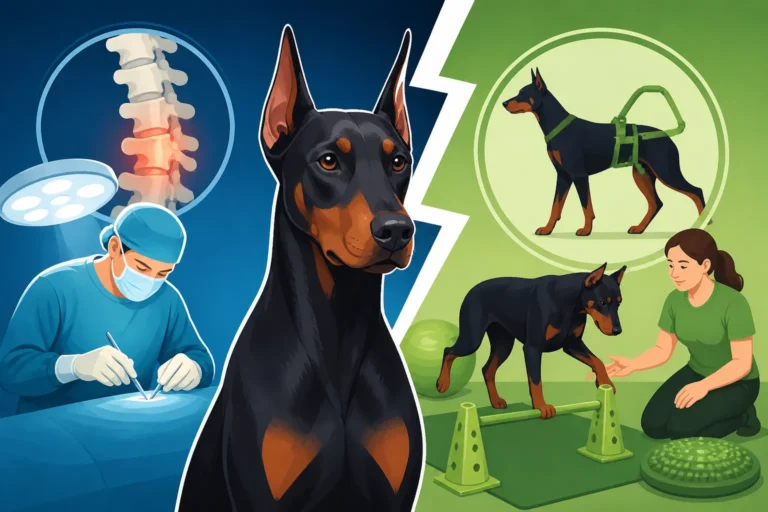
For many Dobermans with osteosarcoma of the limb, amputation of the affected leg is the primary, and often most effective, way to address the local tumor and immediately alleviate the severe pain it causes. This is a choice that many owners grapple with, often asking, "Can my Doberman really cope on three legs?" The answer, surprisingly often, is yes. Dogs are incredibly resilient, and many adapt remarkably well to life on three legs, especially if they are otherwise healthy. Their strong drive and desire to be with their families often override the physical challenge. Post-operative care involves careful pain management and rehabilitation to help them adjust.
In very specific cases, a procedure called limb-sparing surgery might be an option. This involves removing the cancerous section of bone and replacing it with a bone graft or a metal implant, thus saving the leg. However, limb-sparing is far less common, much more complex, expensive, and not suitable for all Dobermans due to tumor location, size, or extent of bone involvement. It also carries higher risks of complications like infection or implant failure. Ultimately, for most Dobermans, amputation provides the quickest and most definitive relief from local tumor pain. The decision is deeply personal, and your veterinary oncologist can help you weigh the pros and cons based on your Doberman's specific situation. These surgeries can be costly, and this is where having pet insurance like Healthy Paws can truly make a difference, helping to cover a significant portion of the bills.
Chemotherapy and Radiation: Extending Quality of Life
While amputation or limb-sparing targets the primary tumor, chemotherapy is essential for addressing the microscopic spread of cancer cells throughout the body – the metastases that are almost always present, even if not yet visible on X-rays. Chemotherapy for osteosarcoma is typically administered after surgery to kill these circulating cancer cells and delay the onset of clinical metastasis. Common chemotherapy drugs used include carboplatin or doxorubicin, often given in a series of intravenous treatments. The goal of chemotherapy in this context is to extend the Doberman's quality lifespan, often doubling or tripling survival times compared to amputation alone. Dogs generally tolerate chemotherapy much better than humans, experiencing fewer severe side effects.
Radiation therapy is another important treatment modality, particularly for pain palliation. If amputation is not an option (perhaps due to the tumor's location, the Doberman's other health conditions, or owner preference), localized radiation therapy can significantly reduce pain and improve mobility by shrinking the tumor or killing pain-causing cells. It can offer weeks to months of comfort without the need for surgery. Radiation can also be used in conjunction with limb-sparing surgery. Your veterinary oncologist will discuss whether combination therapies, such as surgery followed by chemotherapy, or palliative radiation alone, are the best path forward for your Doberman. The extensive nature of these treatments highlights the benefit of planning for What a Doberman Costs Month to Month and considering options like Healthy Paws to mitigate financial stress.
Pain Management and Quality of Life
Regardless of the chosen treatment path, aggressive pain management is absolutely paramount for a Doberman with osteosarcoma. The disease is inherently painful, and ensuring your Doberman is comfortable directly impacts their quality of life. This often involves a multi-modal approach, using several different medications that work in different ways to control pain. Commonly prescribed medications include non-steroidal anti-inflammatory drugs (NSAIDs), gabapentin, tramadol, amantadine, and sometimes even fentanyl patches for continuous pain relief. Regular veterinary check-ups are essential to adjust these medications as needed, ensuring your Doberman remains as pain-free as possible.
Beyond medication, supportive care plays a huge role. This might include nutritional support to maintain body weight and muscle mass, joint supplements to aid in mobility (especially important for a tripod Doberman), and ensuring comfortable bedding. Creating a safe, accessible environment at home, free of slippery floors or challenging stairs, can also make a significant difference. Ultimately, the focus becomes making the most of the time you have left together, ensuring every day is filled with comfort, joy, and love. Discussions about Deciding When a Doberman With DCM Has Had Enough apply similarly to other severe conditions like osteosarcoma, focusing on sustained quality of life. Thinking ahead to What a Doberman's Last Year Costs helps prepare for these eventualities, and a good insurance policy can provide peace of mind.
Here's a comparison of common treatment approaches for osteosarcoma:
| Treatment Option | Primary Goal | Pros | Cons | Expected Outcome (Median Survival Time) | Potential Cost Range (USD) |
|---|---|---|---|---|---|
| Amputation Alone | Immediate pain relief, local tumor removal | Rapid pain resolution; relatively straightforward surgery | Does not address metastasis; Doberman adapts to 3 legs | 4-6 months (due to metastasis) | $2,500 – $7,000 |
| Amputation + Chemotherapy | Pain relief, local tumor removal, delay metastasis | Best chance for extended survival; good pain control | Requires multiple vet visits; potential chemo side effects (usually mild in dogs) | 10-14 months (some live longer) | $7,000 – $15,000+ |
| Palliative Radiation | Pain relief only | Non-invasive; quick pain improvement; no surgery | Does not remove tumor; does not prevent metastasis; pain relief is temporary | 2-4 months (focused on comfort) | $2,000 – $6,000 |
| Limb-Sparing + Chemotherapy | Preserve limb, delay metastasis | Saves the leg; addresses metastasis | Complex surgery; higher complication risk (infection, implant failure); not suitable for all cases | Similar to Amputation + Chemo (if successful, but higher risk profile) | $10,000 – $25,000+ |
This table provides a general overview, and individual outcomes can vary widely depending on the Doberman's overall health, tumor grade, and response to treatment. For severe emergencies like a pathologic fracture, Emergency Vet Fees for a Collapsing Doberman can add significantly to the overall expense, reinforcing why Whether Any Doberman Owner Should Skip Insurance is a crucial consideration. Knowing that you have financial support through a provider like Healthy Paws can ease one of the biggest burdens during such a challenging time. Focusing on Keeping a Failing Doberman Comfortable at Home through effective pain management is key.
Disclaimer
This article is intended for informational purposes only and does not constitute veterinary advice. Always consult with a qualified veterinarian or veterinary oncologist for any health concerns or before making any decisions about your Doberman's medical care.