Vaccine Reactions in a Doberman Puppy
Bringing home a new Doberman puppy is a whirlwind of excitement, joy, and let's be honest, a fair bit of anxiety. One of the biggest worries many new owners face is the vaccination schedule, and the dreaded possibility of a vaccine reaction. It's a completely valid concern; you want to protect your beloved new family member, but the thought of an adverse event can be truly frightening. This comprehensive guide will walk you through what to expect, how to identify different types of reactions, and most importantly, what steps to take if your Doberman puppy experiences one, helping you navigate this crucial period with confidence.
The Essential Doberman Puppy Vaccination Schedule
Welcoming a Doberman puppy into your home means preparing for a series of vaccinations that are absolutely vital for their long-term health. These shots protect your young Doberman from a host of nasty, potentially fatal diseases that are unfortunately still very prevalent in the environment. We're talking about things like canine distemper, parvovirus, adenovirus (hepatitis), and parainfluenza, often combined into one shot, plus rabies. These aren't optional; they're foundational to your puppy's immune system development.
Typically, your Doberman puppy will receive its first round of core vaccines between 6-8 weeks of age, followed by boosters every 3-4 weeks until they are around 16 weeks old. The rabies vaccine is usually given as a single shot around 12-16 weeks. It's a busy time for their little bodies, and it's completely normal to feel overwhelmed by the schedule and the sheer number of injections. Each booster helps build a stronger, more robust immunity, giving them the best chance at a long, healthy life. However, this intensive schedule also means multiple opportunities for a reaction, which is where many Doberman owners start to worry.
Your veterinarian will tailor a specific vaccine protocol based on local disease prevalence and your puppy's individual health status. Some additional non-core vaccines, like leptospirosis, bordetella (kennel cough), and Lyme disease, might be recommended if your Doberman puppy will be exposed to specific risks, such as dog parks, boarding kennels, or wooded areas. Always discuss these options thoroughly with your vet to weigh the risks and benefits. It’s important to remember that while the vast majority of Doberman puppies sail through their vaccinations without a hitch, understanding the potential for reactions helps you be a prepared and responsible owner.
Why Dobermans Might Be More Prone to Vaccine Sensitivity
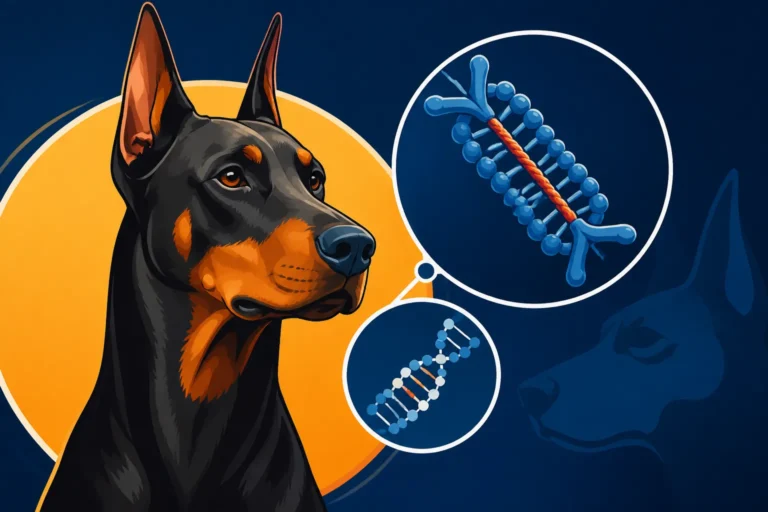
While any dog can experience a vaccine reaction, Dobermans, like a few other breeds, sometimes exhibit a slightly higher sensitivity. This isn't to say every Doberman will react, but it's a known concern within the breed community that makes us Doberman enthusiasts a little more vigilant. Their specific genetic makeup, coupled with a general predisposition in some lines to certain immune-mediated conditions, can sometimes play a role.
For example, Dobermans are known for their sensitive skin and sometimes their immune systems can be a bit more reactive than other breeds. This heightened sensitivity means that their bodies might respond more intensely to the vaccine antigens. It's not a flaw in the vaccine, but rather a characteristic of how some individual Dobermans' immune systems are wired. This knowledge isn't meant to scare you away from vaccinating; quite the opposite. It's about being informed so you can work closely with your veterinarian to monitor your puppy closely and make the most educated decisions for their care.
Another factor can be their rapid growth rate. Doberman puppies grow incredibly fast, which puts a significant demand on their developing systems. While there's no direct scientific link proving fast growth causes vaccine reactions, it's another piece of the puzzle that makes us advocate for careful observation during their puppyhood. You're already monitoring their growth, their eating habits (especially if you're concerned about how much an adult Doberman eats), and their energy levels; adding vaccine reaction vigilance just becomes another part of that dedicated care. Ensuring your Doberman puppy is generally healthy before any vaccination is paramount, as an already stressed system might be more susceptible to an adverse response.
Identifying Different Types of Vaccine Reactions
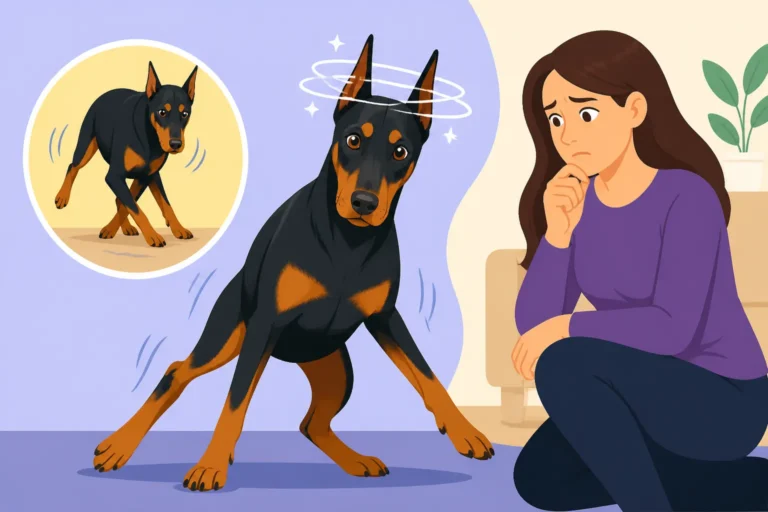
The thought of your Doberman puppy having a reaction can be terrifying, but it's important to understand that reactions can range from very mild and self-limiting to severe and life-threatening. The key is knowing what to look for and when to act. Early detection can make all the difference in a positive outcome.
Most reactions happen within a few hours of vaccination, so it's wise to schedule vaccinations when you can observe your puppy closely for the rest of the day. Don't rush off to work right after a vet visit; plan to be home. Pay close attention to any changes in behavior or physical symptoms. If you’re ever unsure, it’s always better to call your vet. They’d much rather you call for a false alarm than miss something critical.
Mild and Localized Reactions
These are the most common types of reactions and, thankfully, usually not serious. They are typically localized to the injection site or manifest as general malaise. You might notice these symptoms start within minutes or hours of the shot.
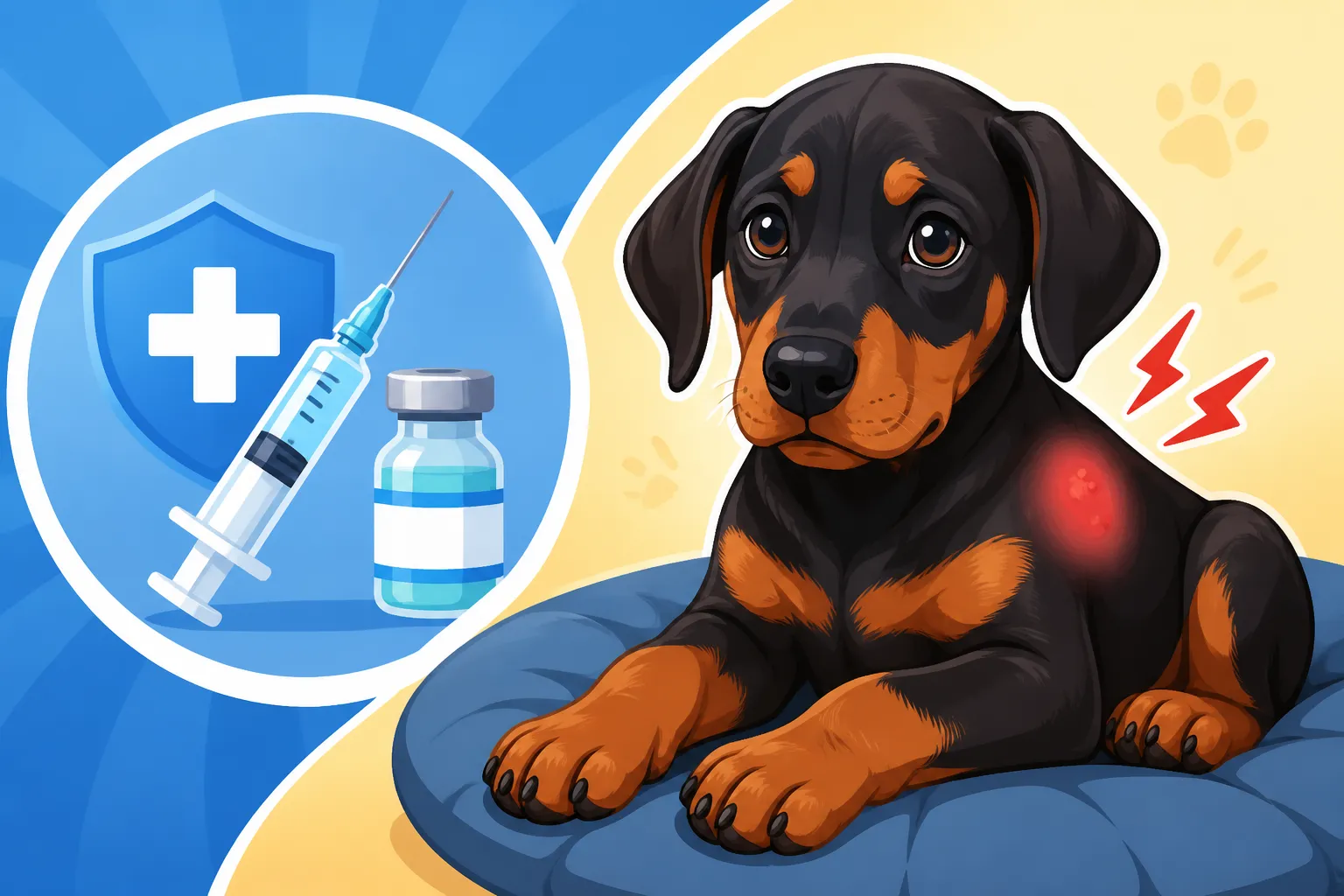
- Soreness or Swelling at the Injection Site: Just like when we get a flu shot, your Doberman puppy might have a small, firm bump or feel a bit sore where the needle went in. It might be slightly warm to the touch. This is a normal inflammatory response and usually resolves within a few days. You might even see a bit of redness.
- Lethargy and Low Energy: Your usually energetic Doberman puppy might seem unusually tired, want to sleep more, or just not be as playful. Think of it as feeling a bit under the weather. This can last for 24-48 hours.
- Mild Fever: A slight elevation in body temperature (above the normal 101-102.5°F or 38.3-39.2°C) is possible. Your vet can show you how to take your puppy's temperature, but often you'll notice they just feel warm to the touch and might be a bit lethargic.
- Decreased Appetite: Your puppy might not be as enthusiastic about their kibble or treats. This usually goes hand-in-hand with general lethargy. If your Doberman that suddenly stops eating for more than 24 hours, however, it warrants a call to the vet.
- Mild Nausea or Vomiting: A single episode of vomiting or mild nausea isn't uncommon, but persistent vomiting or diarrhea should be immediately reported to your veterinarian.
These mild reactions rarely require specific treatment, other than making sure your puppy is comfortable, has access to fresh water, and can rest. However, always report them to your vet so they can be noted in your puppy's medical record for future reference, especially when considering Vaccination and Anesthesia in a Doberman If these symptoms persist beyond 48 hours or worsen, it's time to check back in with your vet.
Moderate to Severe Allergic Reactions (Anaphylaxis)
This is the type of reaction that truly makes owners anxious, and for good reason. Anaphylaxis is a serious, rapid-onset allergic reaction that can be life-threatening and requires immediate veterinary attention. These reactions usually occur within minutes to a few hours of vaccination, making post-vaccination observation critical.
- Facial Swelling (Angioedema): This is often one of the first and most noticeable signs. Your Doberman puppy's face might swell, particularly around the muzzle, eyes, or ears. Their eyelids might puff up, making their eyes appear squinty. This can look quite alarming.
- Hives (Urticaria): You might notice raised, itchy bumps or patches on your puppy's skin, often starting on the belly or inner thighs, and then spreading. These can be difficult to see on a Doberman's short coat, so run your hands over their body.
- Difficulty Breathing: This is a major red flag. Look for labored breathing, panting excessively without exertion, open-mouth breathing, noisy breathing, or blue-tinged gums. This is an emergency.
- Vomiting and Diarrhea (Severe/Persistent): While mild GI upset can be normal, severe, repeated vomiting and diarrhea, especially accompanied by other symptoms, can indicate a serious reaction.
- Weakness, Collapse, or Seizures: Your puppy might suddenly become very weak, unable to stand, or even collapse. This is a critical emergency and suggests a systemic shock. Seizures are also a possible, though less common, severe neurological symptom.
- Pale Gums: If your Doberman puppy's gums appear pale or white instead of their normal healthy pink, it can indicate a drop in blood pressure, a sign of shock.
- Itching and Excessive Licking/Chewing: While not always severe, intense, sudden itching or excessive licking/chewing at their paws or body can precede hives or facial swelling.
If you observe any of these severe symptoms, especially difficulty breathing, collapse, or widespread swelling, consider it a veterinary emergency and head to the nearest emergency clinic immediately. Do not wait to see if it improves. Time is of the essence in these situations.
Here’s a quick overview of vaccine reaction types:
| Reaction Type | Onset Time | Key Symptoms | Severity | Action Required |
|---|---|---|---|---|
| Mild/Localized | Hours to 1-2 Days | Soreness/swelling at injection site, lethargy, mild fever, decreased appetite, single vomit | Low | Monitor, keep comfortable, notify vet for record |
| Moderate/Allergic | Minutes to Few Hours | Facial swelling, hives, intense itching, repeated vomiting/diarrhea | Medium | Immediate vet contact, may need antihistamines |
| Severe/Anaphylactic | Minutes to 1 Hour | Difficulty breathing, collapse, pale gums, seizures, widespread swelling | High | Emergency Vet IMMEDIATELY! |
Delayed Reactions
While less common, some reactions can manifest days or even weeks after vaccination. These are often immune-mediated and can be harder to link directly to the vaccine without careful veterinary investigation.
- Immune-Mediated Hemolytic Anemia (IMHA) or Thrombocytopenia (IMT): Though rare, vaccines can sometimes trigger these serious autoimmune diseases in susceptible dogs. Symptoms might include lethargy, pale gums, yellow skin/eyes, unexplained bruising, or nosebleeds. Dobermans are unfortunately predisposed to certain bleeding disorders, so any unusual bleeding should be investigated.
- Injection Site Sarcoma: Extremely rare in dogs (more common in cats with certain vaccines), this involves a tumor developing at the injection site. This would appear as a persistent or growing lump months after vaccination. Your vet will always palpate the injection sites at subsequent visits.
- Lameness or Joint Pain: In some rare cases, joint inflammation and lameness can occur, particularly with certain vaccines like Leptospirosis.
- Neurological Signs: Very rarely, neurological issues like seizures or muscle weakness can develop, often days to weeks later. This is incredibly uncommon but important to be aware of.
If your Doberman puppy develops any unusual or persistent symptoms in the days or weeks following a vaccination, even if they seem unrelated, always consult your veterinarian. They can help determine if there's a connection or if it's an entirely separate health concern.
Immediate Action When a Reaction Occurs
Finding your Doberman puppy having a vaccine reaction is startling, to say the least. Your heart races, and panic can set in. But taking quick, decisive action is paramount. Knowing what to do in those critical moments can make a world of difference.
For Mild Reactions at Home
If your Doberman puppy is experiencing only mild symptoms like a little soreness at the injection site, slight lethargy, or a bit of a reduced appetite, you can often manage these at home with comfort and observation.
- Provide a Quiet, Comfortable Space: Let your puppy rest in their crate or a cozy bed. Reduce any unnecessary stimulation. They might just need a good nap to shake off that "icky" feeling.
- Ensure Fresh Water is Available: Encourage them to drink, but don't force it. Hydration is always important.
- Monitor Closely: Keep a watchful eye on your puppy for the next 24-48 hours. Note down any changes, especially if symptoms worsen or new ones appear. Is the lump getting bigger? Is the lethargy deepening?
- Notify Your Veterinarian: Even for mild reactions, a call to your vet is a good idea. They can advise you on whether any at-home care is needed (like a cool compress for swelling) and will note the reaction in your puppy's file. This is crucial for future vaccination planning. They might suggest giving a small dose of an antihistamine like Benadryl, but never administer medication without your vet's explicit instruction and dosage recommendation. What’s safe for a human can be dangerous for a Doberman puppy.
For Moderate to Severe Reactions: Rush to the Vet
If you see any signs of a moderate to severe allergic reaction – facial swelling, hives, difficulty breathing, collapse, severe vomiting/diarrhea, or pale gums – do not hesitate. This is an emergency.
- Call Ahead if Possible: If you can, call your regular vet or the emergency veterinary clinic while you are on your way. This allows them to prepare for your arrival and ensure staff are ready to treat your Doberman puppy immediately.
- Safe Transport: Gently transport your puppy to the clinic. If they are struggling to breathe, try to keep them as calm and comfortable as possible. A carrier or a blanket to cushion them can help.
- Provide Information: Once you arrive, clearly explain when the vaccination was given, what vaccine it was (if you know), and precisely what symptoms you've observed, and when they started. The more information the vet has, the better they can treat your puppy.
- Emergency Treatment: At the clinic, your Doberman puppy will likely receive immediate treatment. This might include:
- Antihistamines: Such as diphenhydramine (Benadryl), given intravenously or as an injection to counteract the allergic response.
- Corticosteroids: To reduce inflammation and suppress the immune response.
- Epinephrine (Adrenaline): For severe anaphylactic shock to raise blood pressure and open airways.
- Intravenous Fluids: To combat dehydration and maintain blood pressure in cases of shock.
- Oxygen Therapy: If your puppy is having difficulty breathing.
Experiencing an emergency like this can be incredibly stressful and also quite costly. This is where having pet insurance like Healthy Paws can truly be a lifesaver, helping to cover the unexpected vet fees for a collapsing Doberman or any other emergency treatment, giving you peace of mind to focus on your puppy's recovery rather than the bill.
Minimizing Future Risks and Long-Term Care
Once a Doberman puppy has experienced a vaccine reaction, it's natural to be wary about future vaccinations. However, protecting them from serious diseases remains crucial. The goal isn't to stop vaccinating, but to do so as safely as possible. This requires a proactive approach and open communication with your veterinary team.
Discussing a Modified Vaccination Protocol
After a reaction, your veterinarian will want to implement a modified vaccination protocol. This is where your input and their expertise become invaluable.
- Single-Dose Vaccines: Instead of combination shots (which contain multiple antigens), your vet might suggest giving individual vaccines (e.g., distemper, then parvovirus separately a few weeks later) to identify which component might have caused the reaction and reduce the overall antigen load at once.
- Extended Intervals: While typical boosters are 3-4 weeks apart, your vet might recommend waiting slightly longer between doses for a puppy that reacted, allowing their immune system more time to recover.
- Pre-Medication: For future vaccinations, your vet may recommend administering an antihistamine (like Benadryl) 30-60 minutes before the shot. This can help mitigate the allergic response, but it should only be done under veterinary guidance.
- Vaccination in the Clinic, Followed by Observation: For dogs with a history of reactions, your vet might insist on giving the vaccine in the clinic and having you wait there for 30-60 minutes afterward to monitor for immediate signs of a reaction, allowing for immediate intervention if needed.
- Titering: As your Doberman gets older, especially for adult booster shots, you might explore antibody titers. This blood test measures the level of protective antibodies in your dog's system against specific diseases (like distemper and parvovirus). If antibody levels are sufficiently high, it might indicate your dog has adequate protection and may not need a booster at that time, potentially reducing the frequency of vaccinations. However, titers aren't available or advisable for all vaccines (e.g., rabies usually has a legal requirement for vaccination, regardless of titer).
Always communicate your concerns openly with your vet. Discussing the risks and benefits of each vaccine, especially when considering Whether a Doberman Should Be Screened Before Breeding, is paramount for responsible ownership.
The Role of Pet Insurance
Let's be realistic: unexpected vet visits, especially emergency ones, can hit your wallet hard. Emergency vet fees for a collapsing Doberman or extensive care for an anaphylactic reaction can quickly climb into the thousands of dollars. This is where pet insurance becomes more than just a convenience; it's a vital safety net.
Enrolling your Doberman puppy in a comprehensive pet insurance plan, like one from Healthy Paws, early on can provide immense peace of mind. The ideal time to get coverage is before any health issues arise, as most policies consider conditions that develop before enrollment or during waiting periods as "pre-existing" and won't cover them. If your puppy has a vaccine reaction before you have insurance, that specific reaction (and potentially related future reactions) might be deemed pre-existing. However, general coverage for future, unrelated illnesses or accidents would still apply. Having a plan that covers emergencies and illnesses means you can make medical decisions based on what’s best for your Doberman, not solely on what you can afford out-of-pocket. From their first heart check to managing their overall health through The Doberman Years When Everything Shows Up, a good insurance plan offers financial security.
Remember that Getting a Doberman Covered Before the First Echo or before any major health event is critical, as once a condition is documented, it's usually excluded. So, if you're bringing home a new Doberman puppy, getting pet insurance high on your to-do list is a wise decision.
General Wellness and Supporting a Healthy Immune System
Beyond specific vaccine protocols, fostering overall health in your Doberman puppy can contribute to a robust immune system that is better equipped to handle vaccine challenges.
- High-Quality Nutrition: Feeding an eighty-pound Doberman well, starting from puppyhood, is essential. A balanced, high-quality diet provides the necessary nutrients to support immune function and overall vitality. Discussing your Doberman puppy's food with your vet can ensure they are getting everything they need for healthy growth.
- Stress Reduction: A stressed puppy might have a compromised immune system. Ensure your Doberman puppy has a stable, loving environment, plenty of appropriate exercise, mental stimulation, and consistent training to build confidence. Minimizing stress around vet visits can also help.
- Proper Rest: Sleep is crucial for puppies, especially during growth spurts and after medical procedures. Ensure your Doberman puppy gets ample undisturbed rest.
- Regular Vet Check-ups: Consistent vet visits, including Doberman Puppies and Their First Heart Check and general wellness exams, help ensure your puppy is in optimal health before any vaccinations. Your vet can catch any underlying issues that might make a reaction more likely. Keeping up with your puppy's shot series, understanding What a Doberman Puppy's Shot Series Adds Up To, and following all professional advice are cornerstones of responsible pet ownership.
It's a lot to consider, but empowering yourself with knowledge and working hand-in-hand with your vet will ensure your Doberman puppy receives the best possible protection with the lowest possible risk.
Disclaimer
This article is intended for informational purposes only and does not constitute medical advice. Always consult with a qualified veterinarian for any health concerns or before making any decisions about your Doberman puppy's medical care or vaccination schedule.