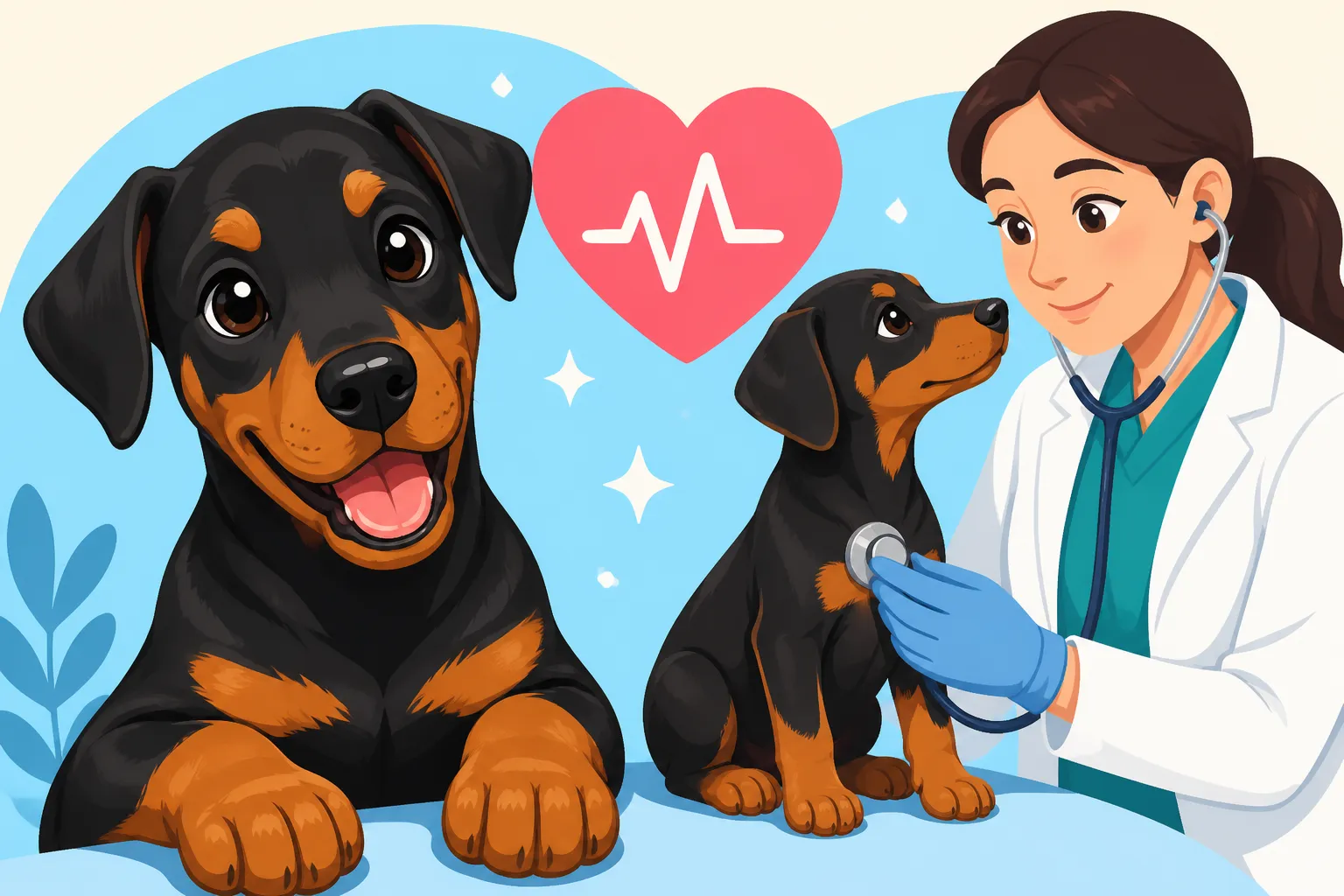
Doberman Puppies and Their First Heart Check
Bringing home a Doberman puppy is a joyous occasion, filled with the promise of loyal companionship and endless energy. However, for many new Doberman parents, a quiet worry often simmers beneath the surface: the breed's well-known predisposition to serious heart conditions, particularly Dilated Cardiomyopathy (DCM). This guide aims to ease some of that anxiety by walking you through what to expect and look for during your Doberman puppy's very first heart check and how to approach their long-term cardiac health journey.
Understanding the Doberman's Heart Health Journey From Puppyhood
It's a tough reality for Doberman owners, but the breed faces significant health challenges, with heart disease often at the top of the list. Knowing this from the beginning empowers you to be proactive, rather than reactive, when it comes to your beloved puppy's health.
Why Dobermans Need Early Heart Vigilance
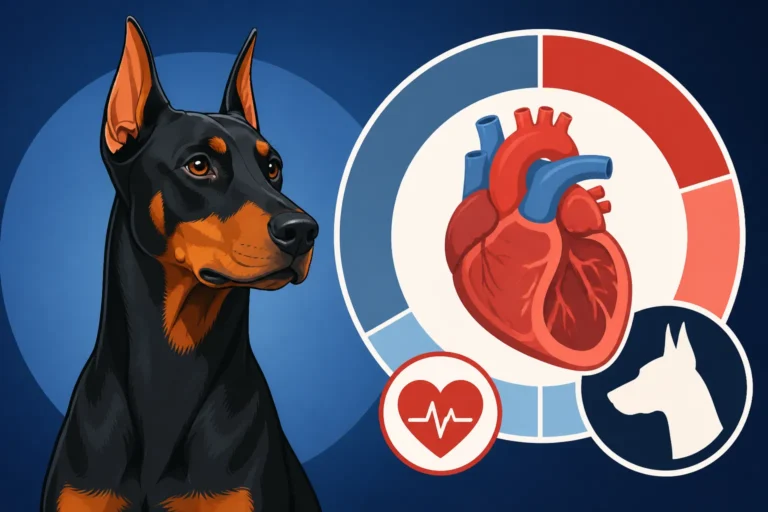
When you choose a Doberman, you're not just picking a dog; you're taking on the responsibility of managing a genetic legacy that, unfortunately, includes a high risk of specific health issues. Dilated Cardiomyopathy (DCM) is the most common heart disease in Dobermans, and it's notoriously insidious. It’s a condition where the heart muscle weakens and enlarges, becoming less efficient at pumping blood. What makes it so frightening for Doberman owners is how quietly it can progress. For years, a Doberman can appear completely normal, full of life and vigor, while their heart slowly deteriorates. This silent progression is why early vigilance, even in a puppy, is so critical. While a puppy might not show symptoms of DCM, understanding the breed's vulnerability helps set the stage for a lifetime of appropriate care and screening. It’s not about being alarmist, but about being informed and prepared for The Heart Disease That Reaches Most Dobermans.
What a Breeder Should Tell You About Heart History
A responsible Doberman breeder will be incredibly transparent about the health history of their breeding dogs, especially concerning cardiac health. They understand the immense impact DCM has on the breed and actively work to mitigate risks. When you’re considering a Doberman puppy, one of the most vital conversations you’ll have with a breeder should revolve around the heart health of the puppy's parents, grandparents, and even great-grandparents. Don't be shy about asking to see documented proof of health testing. This isn't just a casual "my dogs are healthy" statement; it means verifiable records.
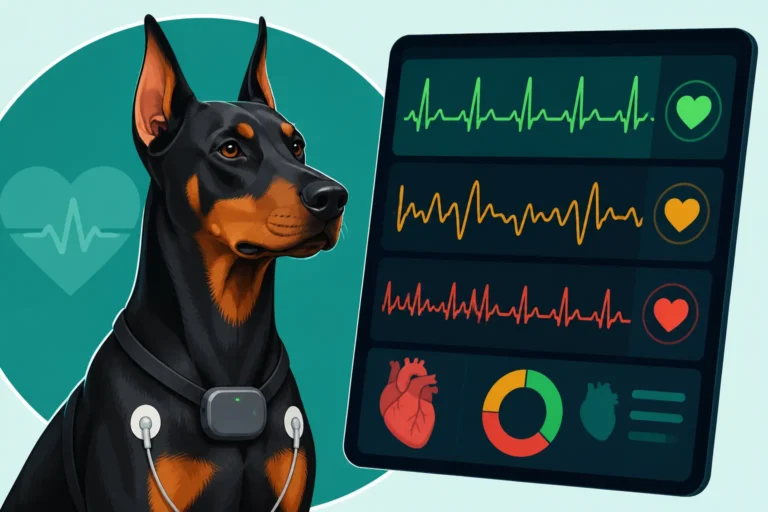
Specifically, you should inquire about recent echocardiograms (cardiac ultrasounds) and 24-hour Holter monitor results for both the sire and dam. These tests are the gold standard for screening adult Dobermans for DCM. A breeder should also be able to discuss the results of any genetic tests for DCM, such as the DCM1 (PDK4) and DCM2 (Titin) variants, if they are testing for them. While these genetic tests are a piece of the puzzle, they don't tell the whole story, so good breeders will utilize a combination of tools. Be wary of any breeder who dismisses heart issues or can't provide clear, up-to-date documentation. Understanding The Health Testing a Doberman Breeder Must Show is paramount when choosing a puppy.
The Components of a Doberman Puppy's Initial Heart Check
Your Doberman puppy's first few vet visits are exciting but can also feel overwhelming with all the new information. When it comes to their heart, the initial check is primarily a baseline assessment performed by your general veterinarian.
The Initial Vet Visit and Physical Exam
Typically, your Doberman puppy will have its first veterinary check-up shortly after you bring them home, often around 8-10 weeks of age, if they haven't had one already with the breeder. This initial visit is comprehensive, covering everything from vaccinations to parasite prevention, but a crucial part is the physical examination, which includes a basic heart check. During this exam, your veterinarian will carefully listen to your puppy's heart using a stethoscope. They’ll be listening for any abnormal sounds, most notably heart murmurs. A heart murmur is essentially an unusual swishing sound caused by turbulent blood flow.
Now, here’s where it can get a little tricky: it’s not uncommon for puppies, especially rapidly growing large breed puppies like Dobermans, to have what’s called an "innocent" or "physiologic" murmur. These are usually low-grade murmurs caused by the rapid growth and changes in blood volume in a young, active pup. They often disappear on their own as the puppy matures, usually by 4-6 months of age. Your vet will also check your puppy's pulse for strength and rhythm and assess their overall energy level, gum color, and breathing, all of which can provide clues about cardiovascular health. While this physical exam is an important first step, it's crucial to understand its limitations, especially concerning Doberman DCM, which can be undetectable by a stethoscope for many years.
Beyond the Stethoscope: When to Consider Further Screening
While an innocent murmur often resolves, a persistent or higher-grade murmur in a Doberman puppy warrants further investigation. If your veterinarian hears a murmur that concerns them, or if your puppy shows any other signs of distress—such as lethargy, coughing, or struggling to keep up with littermates—they might recommend additional diagnostics. These could include a chest X-ray to assess heart size and lung fields, or even a referral to a veterinary cardiologist for a more specialized evaluation, like an echocardiogram.
It's important to differentiate between a general vet's routine check-up and the specialized cardiac screening recommended for adult Dobermans. The routine puppy check focuses on congenital defects or obvious issues that might arise early. DCM, unfortunately, is rarely detectable via a stethoscope in the occult (hidden) phase in young Dobermans. Therefore, even if your puppy passes their first check with flying colors, it doesn't mean they are immune to developing DCM later in life. It simply means they appear healthy at that moment. This is why understanding The Silent Years Before a Doberman's Heart Shows is so important for long-term planning.
Navigating Early Heart Screening Recommendations
The journey of Doberman heart health is a marathon, not a sprint. While the initial puppy check is a good starting point, specific advanced screenings become vital as your Doberman matures.
The Age to Start Formal Cardiac Screening
This is where many Doberman owners feel a lot of anxiety and confusion. While your puppy’s first vet visit includes a basic heart check, the formal, advanced cardiac screening for Dobermans typically doesn't begin until they are older. Most veterinary cardiologists and Doberman breed clubs recommend starting annual echocardiograms and 24-hour Holter monitor screenings between 2 and 3 years of age.
Why wait? Because DCM, while genetically predisposed, usually manifests in Dobermans as adults. The structural changes to the heart (enlargement) and electrical abnormalities (arrhythmias) that characterize DCM often aren't present or significant enough to be detected by these advanced tools in very young dogs. Starting screening too early might lead to inconclusive results and unnecessary stress (and cost). However, once your Doberman reaches that 2-3 year mark, annual screenings become a cornerstone of their preventive health care. This consistent monitoring helps catch DCM in its occult phase, allowing for earlier intervention that can significantly improve quality of life and potentially extend their lifespan. You can learn more about The Age Doberman Heart Disease Usually Starts and why this timing is crucial.
Genetic Testing for Doberman Heart Conditions
Genetic testing for Doberman DCM has been a hot topic for years, and it's a valuable tool, but it's essential to understand its role. Currently, two primary genetic mutations linked to DCM in Dobermans are commonly tested for: the PDK4 mutation (often referred to as DCM1) and the Titin gene mutation (often referred to as DCM2).
These tests involve a simple cheek swab or blood sample that can be sent to specialized veterinary genetics labs. If your puppy's parents were tested, you should have access to those results when you get your puppy. For example, a dog might be clear, a carrier, or affected by one or both mutations. Knowing your puppy's genetic status can be helpful for breeders, influencing breeding decisions. For pet owners, it can inform your awareness and screening schedule. However, it's crucial to understand that these genetic tests are not definitive predictors of whether an individual Doberman will develop DCM. Many Dobermans with positive genetic test results never develop clinical disease, and, conversely, some Dobermans with clear genetic test results still develop DCM. This is because DCM is a complex disease influenced by multiple genes and environmental factors. Therefore, Whether a Doberman DNA Panel Replaces Screening is a resounding "no" when it comes to routine cardiac screening. The genetic tests are a piece of the puzzle, but echocardiograms and Holter monitors remain the most important diagnostic tools for actively monitoring your Doberman's heart health.
What to Do with the Information and How to Plan Ahead
Armed with information about your Doberman puppy's genetic background and initial health checks, you can begin to make informed decisions for their future. The goal is always to provide them with the longest, healthiest life possible.
Interpreting Your Puppy's First Heart Check Results
After your Doberman puppy’s initial vet visit, you’ll typically receive a report on their overall health, including the heart check findings. If your vet notes a slight "innocent" murmur, try not to panic. As discussed, these are often benign and resolve on their own. Your vet will likely recommend a follow-up visit in a few months to recheck the murmur. However, if the murmur is more pronounced, or if your puppy is showing any symptoms, a referral to a board-certified veterinary cardiologist will be the next logical step. The cardiologist can perform an echocardiogram to get a detailed look at the heart's structure and function. This specialized imaging can confirm if a congenital defect is present or if the murmur is truly innocent. Early detection of any congenital heart issues (those present from birth) is important, as some may be treatable. For adult-onset DCM, however, these early puppy checks are mainly about establishing a baseline and ruling out congenital problems. Always ask your vet questions until you fully understand the findings and recommendations. If your breeder provided Reading a Doberman Puppy's Test Certificates, compare those with your vet's findings.
Proactive Steps for Long-Term Doberman Heart Health
Beyond initial puppy checks, taking a proactive approach to your Doberman's long-term heart health is essential. This includes a combination of lifestyle management and regular veterinary care.
- Diet and Nutrition: While no diet can prevent genetically predisposed DCM, providing a high-quality, balanced diet is fundamental for overall health. There has been some discussion around grain-free diets and their potential link to DCM in certain breeds, so it’s wise to discuss your Doberman's diet with your vet or a veterinary nutritionist. Some cardiologists may recommend specific supplements like Taurine and Carnitine for a Doberman Heart for certain Dobermans, but always consult with your vet before adding any supplements.
- Exercise: Dobermans are active dogs and need regular exercise to maintain a healthy weight and cardiovascular fitness. However, avoid overexertion, especially during hot weather, and always monitor your Doberman for signs of fatigue or breathlessness.
- Regular Cardiac Screening: This is perhaps the most critical proactive step for Doberman owners. Once your Doberman reaches 2-3 years of age, commit to annual echocardiograms and 24-hour Holter monitor screenings with a veterinary cardiologist. These tests are the best way to catch DCM in its early, occult stages, giving you the best chance for effective management. You can learn more about Annual Echo and Holter Screening for a Doberman.
- Pet Insurance: Given the high incidence of DCM and the associated costs of ongoing monitoring and medication, securing pet insurance early in your Doberman's life is a wise financial decision. Look for a plan that covers hereditary and chronic conditions. Companies like Healthy Paws are often recommended for their comprehensive coverage. It's vital to enroll your Doberman before any signs of heart disease are detected, as most policies will consider it a pre-existing condition if diagnosed beforehand. Getting a Doberman Covered Before the First Echo can provide immense peace of mind.
- Ongoing Veterinary Care: Maintain a strong relationship with your general veterinarian and, importantly, establish a relationship with a veterinary cardiologist. They will be your partners in navigating your Doberman's heart health journey, especially as you consider Screening an Older Doberman More Often.
By being diligent and informed from puppyhood, you can give your Doberman the best possible chance at a long, healthy, and happy life, even with the looming shadow of DCM.
Doberman Heart Health: Puppy vs. Adult Screening
Here's a quick comparison of the types of heart checks and when they typically occur for a Doberman.
| Feature | Puppy Heart Check (Under 1 year) | Adult Heart Screening (2-3 years+) |
|---|---|---|
| Primary Goal | Rule out congenital defects, establish baseline, identify obvious murmurs | Detect early-onset Dilated Cardiomyopathy (DCM) |
| Performed By | General Veterinarian (initial check) | Board-Certified Veterinary Cardiologist |
| Key Diagnostics | Stethoscope auscultation, physical exam | Annual Echocardiogram, Annual 24-hour Holter monitor, Genetic tests (optional but recommended) |
| Typical Findings | Innocent murmurs (often resolve), congenital defects (rare) | Occult (asymptomatic) DCM, arrhythmias |
| Frequency | Initial vet visits, rechecks for murmurs | Annually, or more frequently if abnormalities are found |
| Relevance to DCM | Very limited; DCM usually not detectable at this age | Highly relevant; crucial for early detection and management of DCM |
Disclaimer
The information provided in this article is for educational and informational purposes only, and does not constitute veterinary advice. Always consult with a qualified veterinarian or veterinary specialist for any health concerns or before making any decisions about your pet's medical care.