Wound Healing in a Doberman With Thin Skin
It’s a frustrating reality for many Doberman owners: what might be a minor scrape for another dog breed can become a surprisingly serious ordeal for our lean, elegant companions. Their famously short, sleek coats and naturally thin skin, while contributing to their distinctive appearance, also mean they lack much of the protective padding other breeds enjoy. This delicate dermis is far more susceptible to everyday injuries, and worse, these wounds often heal far slower and with more complications than you’d ever expect, leaving you wondering if you’re doing something wrong. This guide aims to shed light on why Doberman skin is so prone to issues and provide practical, empathetic advice for managing and healing those inevitable scrapes, cuts, and tears effectively.
Understanding the Doberman's Delicate Skin
The Doberman Pinscher is a marvel of canine engineering – athletic, intelligent, and undeniably striking. But part of that striking appearance, the close-lying, short coat, actually comes with a hidden vulnerability: remarkably thin skin. This isn't just about aesthetics; it has real implications for their health and requires a tailored approach to care. Many owners find themselves at the vet with what seems like a superficial wound, only to be told it's deeper or more complex than it appears, largely due to the skin's inherent fragility.
The Genetic Factor Behind Doberman Skin Thinness
While not a specific "disease" in itself, the Doberman's skin quality is largely a product of their selective breeding for a sleek, refined look. Unlike breeds with thick double coats or looser, more elastic skin, the Doberman's skin is tightly stretched over their musculature, with less subcutaneous fat and connective tissue. This means there's less buffer between the outside world and the delicate underlying tissues, blood vessels, and nerves. Think of it like a thin, taut fabric compared to a thick, padded quilt. This genetic predisposition means they're simply not as robust when it comes to absorbing impact or resisting abrasion. It’s not a fault in your dog; it's simply how they're built, and acknowledging this is the first step in providing the best care. You might even find yourself checking for Thin Doberman Skin and Everyday Cuts more often than you'd like.
Common Areas Prone to Injury
Because of this inherent thinness, certain areas on a Doberman’s body become hotspots for injury. Their elbows, hocks (ankles), and stifles (knees) are frequently affected, especially in active dogs who love to run and slide, or even just flop down on hard surfaces. Their chests and bellies, lacking much hair or fat, are also vulnerable to scrapes from rough terrain, branches, or even friction from ill-fitting harnesses. The tips of their ears, even when cropped and healed, can be delicate, as can their lips and noses from exploring or playing rough. Even the pads of their feet, while tough, can sustain deep cuts that take an age to heal. It’s a constant battle to keep these active dogs free from nicks and scrapes in their daily adventures, whether it's a romp in the woods or a spirited game of chase in the backyard.
Why Small Scrapes Become Bigger Deals
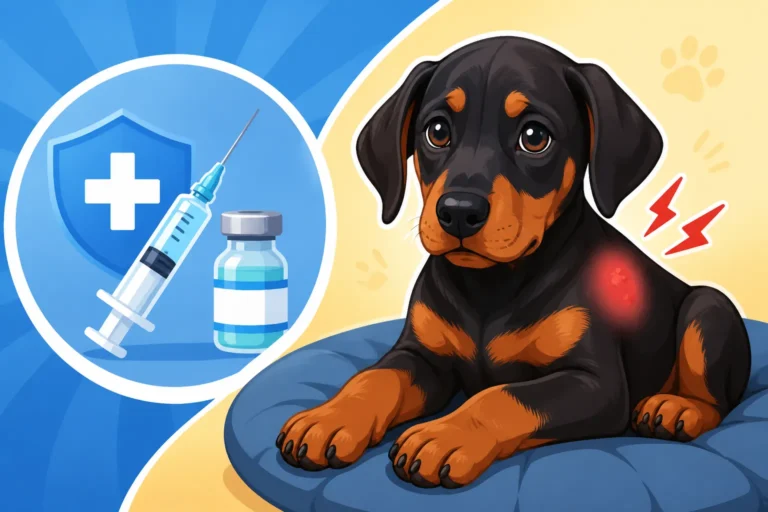
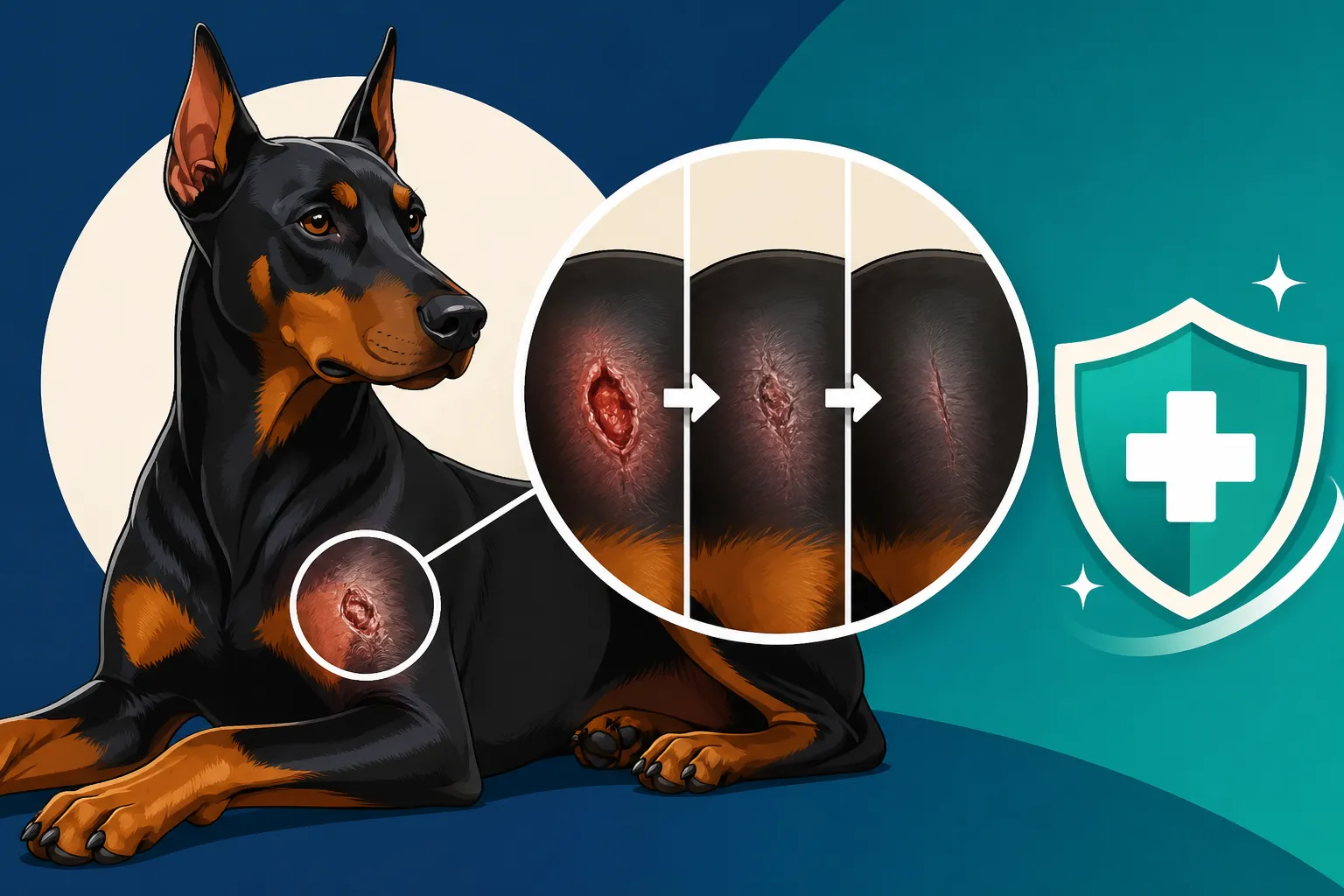
For a Doberman, a seemingly minor scratch can quickly escalate. The thin skin provides less resistance to bacteria, making infections more likely. Blood vessels are closer to the surface, meaning even a shallow cut can bleed more profusely than expected. Furthermore, the limited elasticity of their skin can make it harder for edges of a wound to pull together and close cleanly. This means a simple cut might gape more, require stitches where other breeds might not, or take longer to form granulation tissue and re-epithelialize. What starts as a "nothing" might become an itchy, infected, or slow-healing wound that requires weeks of careful management and even antibiotics. It can be incredibly disheartening when you’re doing everything right, and yet the wound just doesn’t seem to be making progress. This is where understanding the specific challenges of their skin type becomes paramount.
Immediate First Aid for Doberman Wounds
When your Doberman comes in with an unexpected cut or scrape, that initial moment can be a mix of panic and a strong desire to help. Knowing what to do in the first few minutes can make a huge difference in how well the wound heals and whether it develops complications. It’s easy to feel overwhelmed, but a calm, methodical approach is key.
Assessing the Injury and When to Seek Vet Care
First, take a deep breath and assess the situation. Is your Doberman bleeding profusely? Is the wound deep, exposing muscle or bone? Is it gushing blood, or is it a steady ooze? A persistent, bright red gush indicates arterial bleeding, which is a veterinary emergency. If the wound is wide open, very deep, or involves a joint, eye, or other critical area, it’s always best to err on the side of caution and head straight to the vet. Also, consider the location. Wounds on highly mobile areas like joints or flanks often require professional closure to heal properly. Even if it looks minor, if you're concerned about infection or if it's not closing, a vet visit is warranted. Don't hesitate if you see A Doberman That Bleeds Too Long From a Cut, as this could indicate an underlying issue like Von Willebrand disease, which is common in Dobermans.
For less severe wounds—superficial scrapes, small tears that aren’t gaping, or minor abrasions—you can often start with home care, but always keep a close eye on it. When in doubt, a quick call to your vet or an urgent care clinic can provide peace of mind and guidance.
Cleaning and Protecting the Wound at Home
Once you’ve determined it’s safe to manage at home, the first step is cleaning. Gently flush the wound with a saline solution or lukewarm water. Avoid harsh antiseptics like hydrogen peroxide or rubbing alcohol, as these can damage delicate tissue and delay healing. You want to remove any visible dirt, debris, or loose hair. If the hair around the wound is long enough to get caught in it, carefully trim it with blunt-nosed scissors, but be incredibly careful not to nick the skin.
After cleaning, you'll need to protect the wound. Applying a thin layer of an antimicrobial ointment, such as Neosporin (without pain relief ingredients, which can be toxic if licked), or a vet-approved topical antibiotic can help prevent infection. Then, cover it with a non-stick pad and secure it with vet wrap or self-adhering bandage tape. Make sure the bandage is snug but not so tight that it cuts off circulation – you should be able to slide two fingers underneath it easily. Change the bandage at least once or twice a day, or more frequently if it gets wet or dirty. It’s also crucial to prevent your Doberman from licking or chewing the wound, as this is the quickest way to introduce bacteria and hinder healing. An Elizabethan collar (e-collar) or a recovery suit might be necessary. It’s tough to see them in one of those "cones of shame," but it’s absolutely vital for their recovery.
Preventing Further Damage and Contamination
Beyond the initial dressing, proactive measures are essential. Consider modifying your Doberman's environment. If the wound is on a paw, limit walks to soft surfaces or use dog boots. If it's on an elbow or hip, ensure they have soft, comfortable bedding to rest on, especially if they usually prefer hard floors. Keep them leashed on walks to prevent them from running off and potentially reopening the wound or getting it dirty again.
It’s also crucial to remember that their thin skin can easily tear again near a healing wound. Avoid activities that put stress on the injured area. For example, if they have a wound on their side, avoid rough play that involves twisting or rolling. Maintain meticulous hygiene around the wound, keeping the surrounding fur clean and dry. A clean environment means less chance of contamination. This vigilance can be exhausting, but it’s the best way to ensure the wound progresses smoothly towards full recovery.
| Wound Type | Initial Appearance | Recommended Action |
|---|---|---|
| Superficial Scrape | Redness, minor skin loss, light ooze | Clean with saline, apply antiseptic, protect with bandage; monitor daily. |
| Small Cut/Laceration | Clean edges, shallow depth, minor bleeding | Clean with saline, apply antibiotic ointment, bandage; watch for gaping. If gaping or deeper than superficial, vet visit may be needed for Whether a Doberman Wound Needs Stitching. |
| Deep Puncture/Tear | Visible muscle/fat, gapping, moderate to heavy bleeding | Immediate Vet Visit. Control bleeding with direct pressure on the way. |
| Bite Wound | Punctures, bruising, potential underlying damage | Immediate Vet Visit. High risk of infection and hidden trauma. |
| Bleeding that Won't Stop | Persistent bright red blood, pooling quickly | Immediate Vet Visit. Apply continuous firm pressure; could indicate a serious issue like The Bleeding Disorder Almost Every Doberman Line Carries. |
Promoting Optimal Healing and Preventing Complications
Once the initial crisis of an injury has passed, the real work of healing begins. This isn't just about covering a wound; it's about supporting your Doberman's body to repair itself and preventing setbacks. Because of their delicate skin, consistent, thoughtful care is paramount.
Nutritional Support for Skin Health
Good nutrition plays a crucial role in wound healing. Think of it as providing the building blocks for repair. Ensure your Doberman is on a high-quality diet that provides adequate protein for tissue regeneration and essential fatty acids for skin health. Omega-3 fatty acids, found in fish oil, can be particularly beneficial for promoting healthy skin and reducing inflammation. Some brands, like Healthy Paws, emphasize the importance of good nutrition as part of overall wellness, which in turn can contribute to faster healing and better skin resilience. Consider consulting with your vet about specific supplements like zinc or Vitamin E, which are known to support skin integrity. If your Doberman is a picky eater or needs extra calories during recovery, talk to your vet about appropriate, nutrient-dense additions to their meals. Remember, a well-nourished body is better equipped to mend itself. You might find a discussion on Protein and Fat for a Lean Working Doberman useful in optimizing their diet.
Managing Pain and Inflammation
Pain and inflammation are natural responses to injury, but excessive amounts can impede healing. Your vet might prescribe NSAIDs (non-steroidal anti-inflammatory drugs) to help manage pain and reduce swelling, especially in the initial stages. Never give human pain medication without veterinary guidance, as many are toxic to dogs. Beyond medication, ensure your Doberman has a comfortable, soft place to rest. Minimize activity, as movement can aggravate the wound and increase discomfort. Cold compresses can sometimes help reduce swelling in the immediate aftermath of an injury, but always check with your vet for specific recommendations based on the type and stage of the wound. Keeping your Doberman comfortable is not just about their well-being, but also a crucial part of facilitating their recovery.
Recognizing and Addressing Infections
Infections are a major concern with Doberman wounds due to their thin skin and the potential for bacteria to enter easily. Keep a vigilant eye on the wound site for any signs of infection:
- Redness and swelling: Beyond the initial inflammatory response, increased redness, heat, or persistent swelling around the wound edges.
- Pus or abnormal discharge: Any yellow, green, or foul-smelling discharge. A small amount of clear or slightly pinkish fluid (serosanguinous) can be normal, but anything thick or discolored is a red flag.
- Increased pain or sensitivity: Your Doberman might become more reactive when the wound is touched, or reluctant to put weight on a limb.
- Fever or lethargy: Systemic signs that the infection is spreading.
If you suspect an infection, contact your vet immediately. They will likely prescribe antibiotics, either oral or topical, and may need to clean or debride the wound further. Ignoring an infection can lead to more serious complications, including cellulitis (a spreading bacterial infection of the skin) or even sepsis. Early intervention is always best. Understanding how quickly Skin Infections in a Bald Doberman can take hold highlights the need for prompt action.
The Role of Activity Restriction and Protection
Limiting your Doberman's activity is often the hardest but most critical part of wound care, especially for an active, high-energy breed. Running, jumping, and roughhousing can easily reopen a healing wound, pull stitches, or introduce new contaminants. Strict crate rest or confinement to a small, safe area might be necessary. This can be challenging, as Dobermans thrive on interaction and exercise, but it's essential for a smooth recovery.
Physical protection, such as e-collars, recovery suits, or specialized bandages, is also vital to prevent licking, chewing, or scratching the wound. These tools can feel cumbersome and your Doberman might initially resist them, but they are non-negotiable for keeping the wound clean and undisturbed. Many owners find innovative ways to keep their Dobermans mentally stimulated during this period, using puzzle toys, training sessions for quiet tricks, or gentle scent work, as discussed in Nose Work as a Low-Impact Doberman Sport. Remember, while they might look pathetic in a cone, it's a sign of your commitment to their healing.
When to Involve Your Veterinarian
While many minor scrapes can be managed at home with careful attention, the delicate nature of Doberman skin means that professional veterinary intervention is often necessary, sometimes even for what might appear to be a small issue. Knowing when to call the vet isn't a sign of overreacting; it's a sign of responsible Doberman ownership.
Signs That Warrant Immediate Veterinary Attention
There are certain red flags that absolutely indicate your Doberman needs to see a veterinarian without delay. These include:
- Excessive or uncontrolled bleeding: If direct pressure doesn't stem the flow within a few minutes, or if blood is spurting, it's an emergency.
- Deep or gaping wounds: Any wound that exposes underlying fat, muscle, bone, or tendons, or if the skin edges are pulled far apart, usually requires sutures or surgical closure. This includes many situations where you might think, "Hmm, this looks like it might need stitches" – for a Doberman, it probably does.
- Wounds on sensitive areas: Injuries to the face, eyes, ears, paws (especially pads), or genitals carry a higher risk of complications and require professional assessment.
- Limping or reluctance to bear weight: This could indicate underlying injury to bones, joints, or ligaments, or a deep wound on a paw.
- Signs of infection: As discussed, increasing redness, swelling, heat, pus, foul odor, or fever are all reasons to see the vet promptly.
- Large areas of skin loss or tearing: These kinds of "degloving" injuries require immediate and often complex veterinary care.
- Bite wounds: Even if they look small, bite wounds often puncture deep, carrying bacteria and causing unseen trauma beneath the surface. They almost always require veterinary cleaning and antibiotics.
- Any wound you're simply uncomfortable treating or observing at home: Trust your gut. If you're worried, a vet visit is always the right call. The cost of a vet visit can be a concern, but services like Healthy Paws can help manage the financial strain of unexpected injuries and illnesses, ensuring your Doberman gets the care they need without delay. You might want to consider The Vet Bills a Doberman Runs Up Outside Screening and how insurance can mitigate these costs.
Surgical Considerations for Deep or Complex Wounds
For deep lacerations, puncture wounds, or extensive tears, surgical intervention is often the best course of action. This might involve:
- Debridement: Removing dead or contaminated tissue to promote healthy healing.
- Suturing or stapling: Closing the wound cleanly to reduce infection risk and encourage faster, more aesthetic healing.
- Drains: In some cases, especially with bite wounds or deep punctures, a drain might be placed to allow fluid and pus to exit, preventing abscess formation.
- Skin grafts: In very severe cases of extensive skin loss, a skin graft might be necessary, though this is less common for typical Doberman injuries.
The goal of surgery is to ensure the wound is clean, closed, and set up for optimal healing. After surgery, strict adherence to post-operative instructions, including medication, activity restriction, and wound care, is vital. Remember, for a Doberman, proper closure is often the only way to get a clean, lasting heal without unsightly scarring or chronic issues. Some owners worry about the risks, but a veterinarian can discuss the benefits and potential complications, especially if considering Surgery on a Doberman With a Clotting Problem.
Long-Term Monitoring and Follow-Up Care
Even after a wound appears to have healed, continued monitoring is important, particularly for Dobermans. Scar tissue can be less elastic and more prone to re-injury. Keep an eye on the area for any changes in texture, color, or hair regrowth. If the wound was severe, it might lead to chronic issues like sensitivity or recurring infections. Your vet might recommend follow-up appointments to ensure proper healing and address any lingering concerns.
This long-term vigilance is part and parcel of owning a Doberman, whose unique physical characteristics require a bit more proactive care. By being attentive to their skin and prompt in addressing injuries, you can help your Doberman live a more comfortable and active life, minimizing the impact of their delicate dermis. It’s a commitment, but one that every Doberman owner readily makes for these incredible dogs.
Disclaimer
This article is intended for informational purposes only and does not constitute veterinary advice. Always consult with a qualified veterinarian for any health concerns or before making any decisions about your Doberman's medical care.