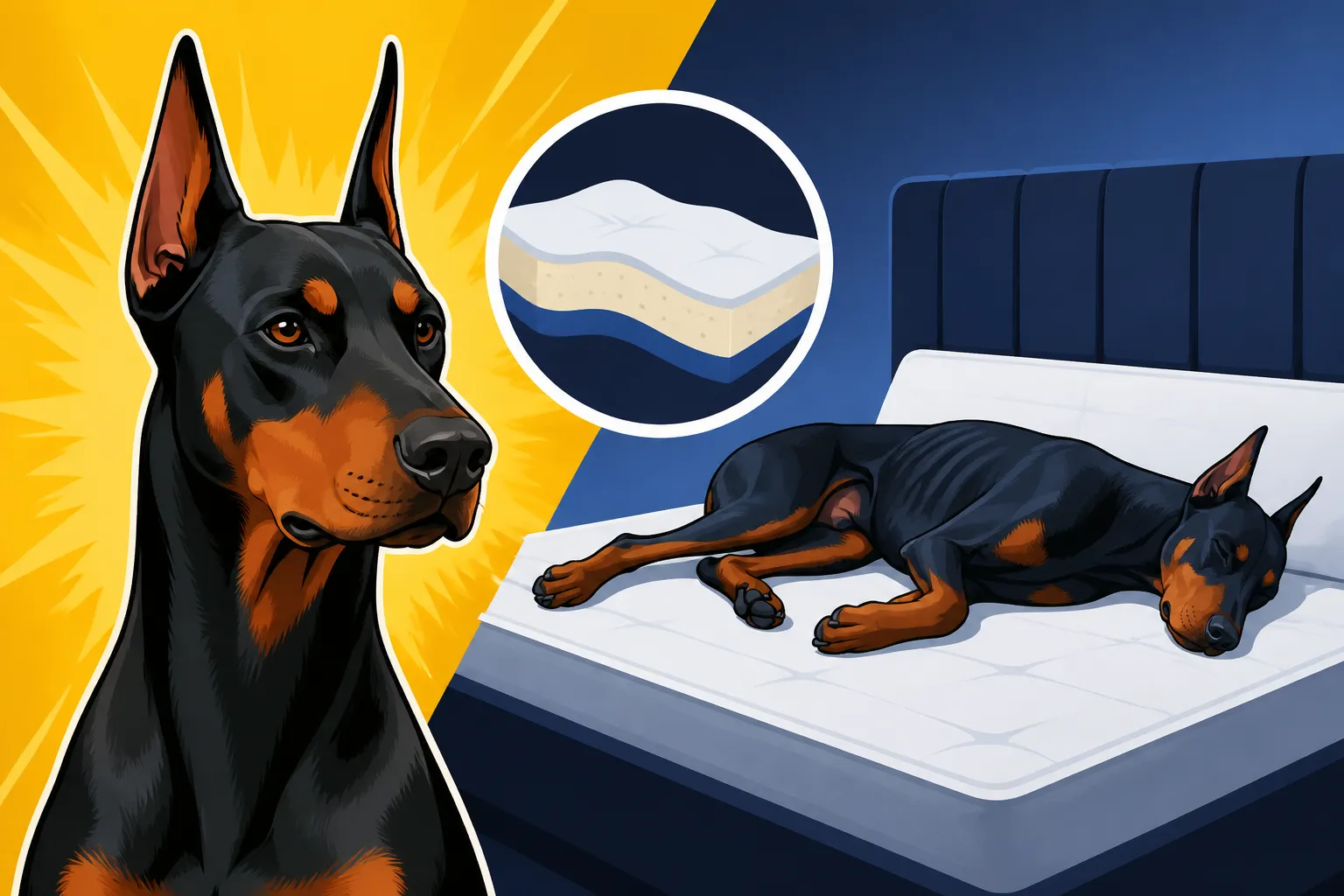
Bedding a Doberman With No Body Fat
If you're a Doberman owner, you know the struggle: finding a comfortable spot for your lean, muscular companion often feels like a never-ending quest. Their sleek, athletic build, while undeniably beautiful, comes with a distinct lack of natural padding, leaving them vulnerable to pressure sores, joint pain, and just plain discomfort on hard surfaces. This guide will walk you through everything you need to know about choosing the perfect bedding to keep your Doberman happy, healthy, and wonderfully rested.
Understanding the Doberman's Unique Needs
Dobermans are truly magnificent dogs, known for their striking appearance, keen intelligence, and unwavering loyalty. However, their physical characteristics, particularly their lean build and thin coat, mean they have specific requirements when it comes to finding a comfortable place to rest. Ignoring these needs can lead to a host of problems down the line, from minor discomfort to serious health issues.
Why Their Lean Build is a Challenge
Unlike some breeds blessed with thick fur or ample body fat, Dobermans possess a sleek, athletic physique with very little natural cushioning. You can often see their ribs, hip bones, and prominent joints even on a well-fed Doberman. This isn't a sign of being underweight, but rather a characteristic of their breed standard. This lack of natural "padding" means that when they lie down, especially on hard floors, their bones bear the brunt of their weight directly.
Imagine trying to sleep on a bare concrete floor yourself; it’s just not comfortable for more than a few minutes. For a Doberman, this can quickly lead to painful pressure points. Their skin, too, is often quite thin and delicate, making it more susceptible to rubs and abrasions when repeatedly pressed against unforgiving surfaces. This delicate skin, combined with bony protrusions, is a recipe for discomfort if not properly addressed with appropriate bedding.
The Impact on Joints and Pressure Points
The most significant concern for a Doberman lying on inadequate surfaces is the impact on their joints. Their elbows, hips, hocks (ankles), and shoulders are particularly vulnerable. Over time, constant pressure can exacerbate existing joint conditions or even contribute to the development of new ones. For a breed already prone to conditions like hip dysplasia, though less common than some other large breeds, and certainly needing consideration for Stiffness in a Doberman That Used to Sprint as they age, providing proper support is paramount.
Pressure sores, sometimes called decubital ulcers, are another common and painful issue. These occur when sustained pressure reduces blood flow to an area, causing tissue damage. You'll often see them on the elbows or hocks of Dobermans who spend a lot of time on hard floors. These sores can range from simple hair loss and reddened skin to deep, infected wounds that require veterinary attention. Preventing them is far easier and less painful than treating them, making the right bed a proactive health measure.
Temperature Regulation
Dobermans have a very short, single coat, lacking the insulating undercoat found in many other breeds. While this makes grooming a breeze, it also means they don't handle cold temperatures well. They really do feel the cold before other dogs, which is why you'll often see owners reaching for Winter Coats and Cold-Weather Gear for a Doberman. When they lie down, especially on a cold tile or hardwood floor, they lose body heat rapidly.
A thin, uninsulated bed won't do much to protect them from cold drafts or chilly floors. This constant chill can lead to stiffness, discomfort, and a general reluctance to settle down. A good bed should not only offer cushioning but also provide a barrier against cold surfaces, helping them maintain a comfortable body temperature whether it's summer or winter. Think of it as their personal, insulated haven against the elements in your home.
The Problem with Standard Dog Beds
Walking into a pet store or browsing online, you're faced with an overwhelming array of dog beds. It's easy to assume that any bed will do, especially when marketing slogans promise "ultimate comfort" or "durable design." However, for a Doberman, many standard dog beds simply fall short, leading to frustration for both you and your canine companion. They might look plush initially, but they rarely stand up to the specific demands of a Doberman.
Lack of Adequate Support and Cushioning
The vast majority of budget-friendly dog beds are filled with poly-fiberfill, chopped foam, or thin layers of low-density foam. While these might feel soft when you first press your hand into them, they quickly flatten under the weight of an eighty-pound Doberman. Within weeks, sometimes even days, your Doberman will effectively be sleeping on the floor again, with only a thin layer of compressed material offering minimal protection.
This lack of sustained support is problematic. It doesn't distribute weight evenly, leading to those painful pressure points we discussed. For a Doberman, a bed that flattens is no better than no bed at all, defeating the entire purpose of the purchase. You might find your Doberman opting for your sofa or bed instead, simply because it offers more consistent support than their own rapidly deflating option. It's a common cycle of buying a new bed, only for it to fail the "Doberman test" in short order.
Durability Issues for Active Dogs
Dobermans, especially in their younger years, can be quite active and playful. Even a calm Doberman might "dig" at their bed before settling, or occasionally chew during boredom or anxiety. Many standard dog beds are made with thin, easily tearable fabrics and weak stitching that simply aren't designed to withstand a Doberman's strength and natural behaviors. You might find holes appearing, seams ripping, or the stuffing migrating into uncomfortable lumps.
This isn't just an aesthetic issue; it can be a health hazard. Ingesting stuffing can lead to blockages, and exposed foam can become an irresistible chewing target. A bed that rapidly falls apart is not only a waste of money but also a source of constant frustration. You're looking for a bed that can endure the daily wear and tear of a powerful, energetic breed, not one that turns into confetti after a few weeks.
Hygiene and Maintenance Headaches
Let's be real, dogs can be messy. They track in dirt, shed hair, and occasionally have accidents. Standard dog beds, particularly those with fixed covers or bulky designs, can be a nightmare to clean. Some require spot cleaning, while others might technically be machine washable but are too large to fit in a standard home washing machine. This often leads to beds accumulating odors, dirt, and allergens over time.
A dirty bed isn't just unpleasant; it can contribute to skin issues or worsen allergies for both your dog and your family. For a Doberman, especially those with sensitive skin or conditions like Hair Loss on a Blue Doberman, maintaining a clean sleeping environment is crucial. If a bed is too difficult to clean regularly, it quickly becomes a breeding ground for bacteria and odors, making it less appealing for your Doberman to use in the first place.
Key Features of an Ideal Doberman Bed
Finding the perfect bed for your Doberman isn't about guesswork; it's about understanding and prioritizing specific features that cater to their unique physique. A truly effective Doberman bed will offer a combination of robust support, enduring construction, and practical design. It's an investment in their long-term health and comfort, which ultimately saves you money and heartache in the long run.
Superior Orthopedic Support
This is arguably the most critical feature. For a Doberman's bony frame, generic foam or fiberfill simply won't cut it. You need a bed that offers consistent, pressure-relieving support that doesn't flatten over time. This means looking for beds made with high-quality, dense orthopedic foam, often referred to as memory foam or convoluted foam.
Memory foam contours to your Doberman's body, evenly distributing their weight and relieving pressure on joints like elbows, hips, and shoulders. Look for beds that specify foam density and thickness. A multi-layered foam construction, with a firmer base layer for stability and a softer memory foam top layer for comfort, is often ideal. Brands like Big Barker and BarksBar often specialize in these types of beds. This kind of support is particularly vital as your Doberman gets older, helping to manage conditions like arthritis or even just the general aches and pains that come with age. Investing in a bed with proper orthopedic support is a preventative measure against future discomfort and costly veterinary visits.
Durable and Chew-Resistant Materials
Given a Doberman's strength and potential for playful destructive tendencies, the outer shell of the bed needs to be tough. Look for heavy-duty fabrics like ripstop nylon, canvas, or even ballistic nylon. These materials are much harder to tear, scratch, or chew through than flimsy cotton or micro-suede. Reinforced stitching, often double-stitched or using K9-tough threads, adds another layer of durability.
While no bed is truly "indestructible" if a Doberman is determined enough, choosing one with superior materials significantly prolongs its lifespan. Consider beds with hidden zippers or internal zippers that are less accessible to curious teeth. Some beds also come with a chew-proof guarantee, which can offer peace of mind, especially for younger Dobermans who might still be in a destructive phase. A robust bed means you're not constantly replacing it, making it more cost-effective in the long run.
Easy to Clean and Maintain
Practicality is key for any dog owner. An ideal Doberman bed should feature a removable, machine-washable cover. This allows for easy cleaning, ensuring your Doberman always has a fresh and hygienic place to rest. Look for covers that zip off easily and can withstand frequent washing without shrinking or losing their integrity. Some beds even offer waterproof liners underneath the main cover, which is a lifesaver in case of accidents, drool, or wet paws.
For owners with Dobermans that shed, even with their short coats, a cover that repels hair or is easy to vacuum off can be a huge bonus. Regular cleaning not only keeps the bed smelling fresh but also helps manage allergens and keeps your Doberman's skin healthy. This ease of maintenance contributes directly to your Doberman's overall well-being and makes your life as an owner much simpler.
Size and Shape Considerations
A Doberman needs room to stretch out fully without hanging off the bed. This means you’ll typically need a large or even extra-large size. Measure your Doberman from nose to tail while they are fully stretched out and add a few inches for good measure. A bed that is too small forces them into uncomfortable positions, negating the benefits of good support.
Consider also the shape. Rectangular beds are great for stretching. Bolster beds, with raised sides, offer a sense of security and a place for your Doberman to rest their head, mimicking the feeling of being curled up against something, which many Dobermans love. Some Dobermans enjoy burrowing or leaning, making a bolster bed a fantastic option for their comfort. While some Dobermans are very direct sleepers, others like to nest, and bolster beds can fulfill this instinct.
Types of Beds That Work Best for Dobermans
Given the specific needs of Dobermans, not all dog beds are created equal. You need to be discerning in your choice, focusing on types that are known for their durability, support, and overall comfort for lean, active breeds. Here's a breakdown of the best options to consider, each with its own advantages.
Orthopedic Memory Foam Beds
These are often considered the gold standard for Dobermans, especially as they age or if they have existing joint issues. High-quality orthopedic memory foam beds provide exceptional support, conforming to your dog's body and distributing weight evenly. This reduces pressure on critical joints like hips, elbows, and shoulders. When your Doberman lies down, the foam slowly molds to their shape, then gently rebounds when they get up, maintaining its integrity over time.
Look for beds with at least 3-4 inches of dense foam, and ideally a multi-layered design. Some top-tier options combine a firm base layer for stability with a softer memory foam layer on top for plush comfort. While these beds tend to be more expensive upfront, their longevity and the health benefits they provide make them a worthwhile investment. Brands like PetFusion and Dogbed4less offer excellent memory foam options. For senior Dobermans, or those dealing with conditions such as Wobbler Syndrome in the Doberman, this type of bed can make a world of difference in their daily comfort and ability to rest without pain.
Bolster and Crate Beds
Bolster beds feature raised, cushioned sides that offer a sense of security and a comfortable headrest. Many Dobermans enjoy leaning against things or having a "den-like" feel, and bolster beds cater perfectly to this instinct. The bolsters provide a cozy boundary, making them feel safe and contained. These beds often combine a flat, orthopedic base with soft, supportive bolsters.
Crate beds are specifically designed to fit snugly inside a standard dog crate. If your Doberman is crate-trained, an orthopedic crate pad is essential. It provides much-needed cushioning on the hard plastic or wire bottom of the crate. Even if your Doberman doesn't regularly sleep in a crate, a high-quality crate mat can serve as a portable, supportive bed for travel or for setting up a quiet resting spot in different rooms. Many popular brands found on sites like Chewy offer a range of bolster and crate bed options in various sizes and materials.
Raised Beds and Cot Styles
Raised beds, also known as cots, are an excellent choice for Dobermans, especially in warmer climates or for dogs who tend to get hot. These beds feature a sturdy frame (metal or PVC) with a taut, breathable fabric stretched across it, lifting your Doberman off the floor. This elevation allows air to circulate underneath, preventing heat buildup and keeping them cool.
Beyond temperature regulation, raised beds offer firm, even support that eliminates pressure points. They are also incredibly durable and often chew-resistant, as the fabric is usually a heavy-duty mesh or canvas. The elevated design makes them easy to clean – you can simply hose them off. For Dobermans that love to be outdoors but still need comfort, a raised bed is perfect for the patio or yard. They might not offer the plushness of a memory foam bed, but for firm, breathable support, they are unmatched.
Specialty Beds
Beyond the main categories, some specialty beds can cater to very specific Doberman needs.
- Heated Beds: For Dobermans particularly sensitive to cold, especially older dogs or those with arthritis, a heated bed can provide immense comfort. These typically have low-wattage heating elements that maintain a gentle warmth, soothing stiff joints and promoting relaxation. This aligns well with their natural inclination to feel the cold more acutely due to their thin coats.
- Cooling Beds: Conversely, for Dobermans in very hot environments, self-cooling or gel-filled cooling mats can help prevent overheating. These absorb body heat and dissipate it, providing a cool surface for them to lie on without needing electricity.
- Waterproof Beds: While many beds have water-resistant covers, fully waterproof beds (or those with internal waterproof liners) are ideal for puppies, senior Dobermans prone to accidents, or those recovering from surgery where hygiene is paramount. This makes cleanup incredibly easy and protects the inner foam from moisture and odors.
Beyond the Bed: Creating a Cozy Environment
Choosing the right bed is a huge step, but a truly comfortable Doberman experience extends beyond just the mattress. Their environment plays a significant role in how well they rest, how secure they feel, and ultimately, how happy and healthy they are. Thinking holistically about their resting space can make all the difference.
Strategic Placement for Comfort
Where you place your Doberman's bed matters more than you might think. A Doberman, being a social and watchful breed, often wants to be near their family. Placing their bed in a common area where you spend a lot of time, like the living room or home office, can make them feel included and secure. However, it's also important to choose a spot that is free from constant foot traffic, which can disrupt their sleep.
Avoid placing their bed directly in front of drafty windows or doors, especially given their thin coats. A quiet corner or an alcove can provide a sense of security and peace. If you have an older Doberman, consider a location that is easily accessible and doesn't require navigating stairs or slippery floors, which can be challenging if they're experiencing Stiffness in a Doberman That Used to Sprint. Providing multiple resting spots throughout the house can also be beneficial, allowing them to choose where they want to relax at any given moment.
Adding Layers and Blankets
Dobermans, with their minimal body fat and thin coats, adore warmth and comfort. Adding soft blankets, throws, or even a dog sleeping bag to their bed can significantly enhance their comfort, especially during cooler months. Many Dobermans love to burrow, nest, or push blankets around to create their own cozy den. This isn't just about warmth; it's about providing an extra layer of plushness and fulfilling their natural instinct to feel secure and enveloped.
Choose blankets made from soft, machine-washable fabrics like fleece or plush throws. Having a few on hand allows for rotation during washing. You'll often find your Doberman meticulously arranging their blankets before settling down, a clear sign of their appreciation for the added comfort. This simple addition can transform an already good bed into a truly luxurious haven for your Doberman.
Maintaining Bedding Hygiene
Regular cleaning of your Doberman's bedding is paramount for their health and your home's hygiene. Even the best orthopedic bed can become a source of discomfort if it's dirty, smelly, or infested with allergens. Aim to wash removable bed covers at least once a week, or more frequently if your Doberman is particularly messy, prone to skin issues, or if you have household allergies.
Vacuum the bed surface daily to remove loose hair and dander. For beds with waterproof liners, wipe them down periodically to ensure they remain clean and odor-free. Using pet-safe detergents and avoiding harsh chemicals or strong perfumes can help prevent skin irritations, which is particularly important for breeds like Dobermans known for their sensitive skin. For very soiled beds, a deep clean with an enzymatic cleaner can tackle odors and stains effectively. Maintaining pristine bedding contributes significantly to your Doberman's overall health and comfort, making their resting spot a true sanctuary.
Investing in Quality: What to Expect
When it comes to Doberman bedding, the phrase "you get what you pay for" rings especially true. While the initial sticker shock of a high-quality orthopedic bed might make you hesitate, viewing it as an investment rather than a mere purchase will change your perspective. It's about recognizing the long-term value and health benefits for your beloved companion.
Cost vs. Longevity
A premium orthopedic memory foam bed for a Doberman can range anywhere from $100 to upwards of $300 or more, especially for larger sizes and specialized features. This might seem like a lot compared to a $40 big-box store bed. However, consider the longevity. That cheaper bed might need replacing every 3-6 months as it flattens or tears. Over a year or two, you could easily spend the same amount, if not more, on inferior beds that never truly provide comfort.
A well-made orthopedic bed, designed for durability, often comes with a multi-year warranty. These beds are built to retain their shape and support for years, potentially lasting the entire lifespan of your Doberman. This means fewer replacements, less waste, and consistent comfort for your dog. Furthermore, preventing joint issues and pressure sores can save you significant veterinary bills down the line. It's a classic example of how a higher upfront cost translates into greater value and fewer expenses over time, much like choosing quality food from a brand like Ollie can benefit their health.
The Health Benefits of Good Bedding
The direct impact of quality bedding on your Doberman's health cannot be overstated. By providing superior joint support, you're actively working to prevent or alleviate conditions like arthritis, hip and elbow dysplasia, and general stiffness, particularly as your Doberman enters their senior years, when The Doberman Years When Everything Shows Up becomes a real concern. This can lead to a more active, pain-free life.
Pressure sore prevention is another major benefit. Dobermans often develop unsightly and painful calluses and sores on their elbows and hocks from repeatedly lying on hard surfaces. A properly supportive bed eliminates this constant friction and pressure, keeping their skin intact and healthy. Beyond the physical, there's the mental well-being: a well-rested dog is a happier, less irritable dog. Deep, comfortable sleep is crucial for overall health, mood, and even their immune system. This kind of preventative care is often a topic when considering insuring a Doberman, and providers like Healthy Paws can help cover unexpected health issues that might arise despite your best efforts.
When to Upgrade or Replace
Even the best beds don't last forever. It’s important to know when it’s time to upgrade or replace your Doberman’s bedding. A general rule of thumb for high-quality orthopedic beds is typically 5-10 years, but this can vary based on usage and your dog's habits.
Here are some signs it’s time for a new bed:
- Flattening: If the bed no longer provides adequate loft or support and your Doberman is sinking to the floor, it's losing its effectiveness.
- Wear and Tear: Visible holes, tears in the fabric, or exposed stuffing are clear indicators. Beyond aesthetics, these can pose choking hazards or lead to further destruction.
- Odor: If, despite regular cleaning, the bed retains a persistent, unpleasant odor, the internal components might be saturated and it's time for a fresh start.
- Deteriorating Comfort: Observe your Doberman. Are they avoiding their bed? Are they restless at night? Are they opting for other, softer surfaces in your home? These behavioral cues can signal discomfort.
- Changing Needs: As your Doberman ages, their needs might change. An older dog with increasing stiffness or A Doberman That Cannot Stand Long will benefit greatly from a newer, more supportive orthopedic bed, potentially even one with therapeutic features. Similarly, a growing puppy might outgrow their initial bedding.
| Bed Type | Pros for Dobermans | Cons for Dobermans | Ideal Use Case |
|---|---|---|---|
| Orthopedic Memory Foam | Superior joint support, pressure relief, durable | Higher cost, can retain heat (some models) | All Dobermans, especially seniors, those with joint issues, or heavy sleepers. |
| Bolster Bed | Sense of security, headrest, good for leaners | Bolsters can flatten over time, larger footprint | Dobermans who like to curl up, lean, or prefer a "den" feel. |
| Raised Cot Bed | Excellent airflow, firm support, highly durable | Not as soft/plush, may not fit aesthetic | Warm climates, outdoor use, Dobermans who get hot easily, or those needing very firm support. |
| Standard Fiberfill/Chopped Foam | Low initial cost | Flattens quickly, poor support, not durable | Not recommended for Dobermans due to lack of support and longevity. |
Ultimately, investing in quality bedding is an investment in your Doberman's long-term health, happiness, and comfort. Given their unique physical characteristics, it's one of the most important purchases you'll make as a Doberman owner.
Disclaimer
The information provided in this article is for general informational purposes only and is not a substitute for professional veterinary advice. Always consult with a qualified veterinarian regarding your Doberman's specific health, dietary, or bedding needs, especially if they are experiencing pain, discomfort, or medical conditions.