What Doberman Bloat Surgery Runs Overnight
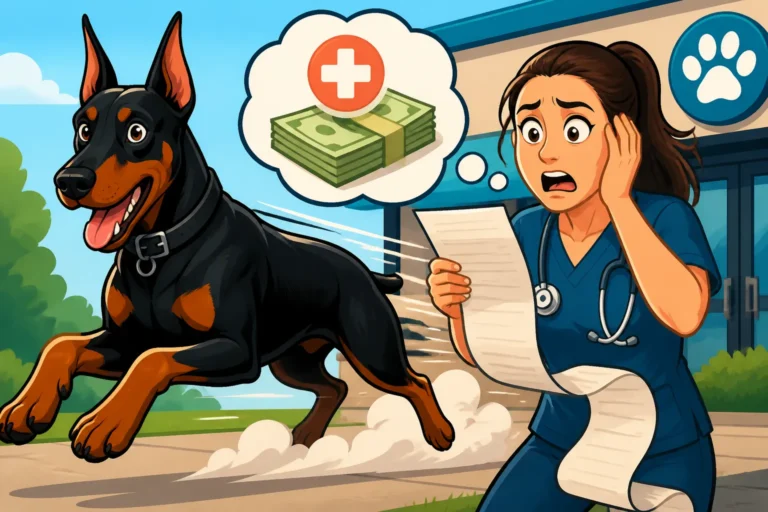
One of the most terrifying emergencies a Doberman owner can face is bloat, medically known as Gastric Dilatation-Volvulus (GDV). It's a sudden, life-threatening condition where the stomach fills with gas and often twists, cutting off blood flow and causing excruciating pain. The swiftness with which it can strike and the sheer cost of the overnight emergency surgery needed to save your dog's life can be utterly overwhelming, leaving you scrambling for answers and funds. This comprehensive guide aims to shed light on what Doberman bloat surgery runs overnight, detailing the typical expenses involved and offering strategies to help you navigate this daunting financial challenge.
Understanding Doberman Bloat and Why It's an Emergency
The Doberman's distinctive deep, narrow chest conformation, while elegant, unfortunately makes them particularly susceptible to Gastric Dilatation-Volvulus (GDV), commonly known as bloat. This isn't just an upset stomach; it's a critical, life-threatening condition that demands immediate veterinary intervention. Owners often feel a chilling sense of helplessness when it occurs, knowing how quickly it can turn fatal.
The Anatomy of Bloat in Dobermans
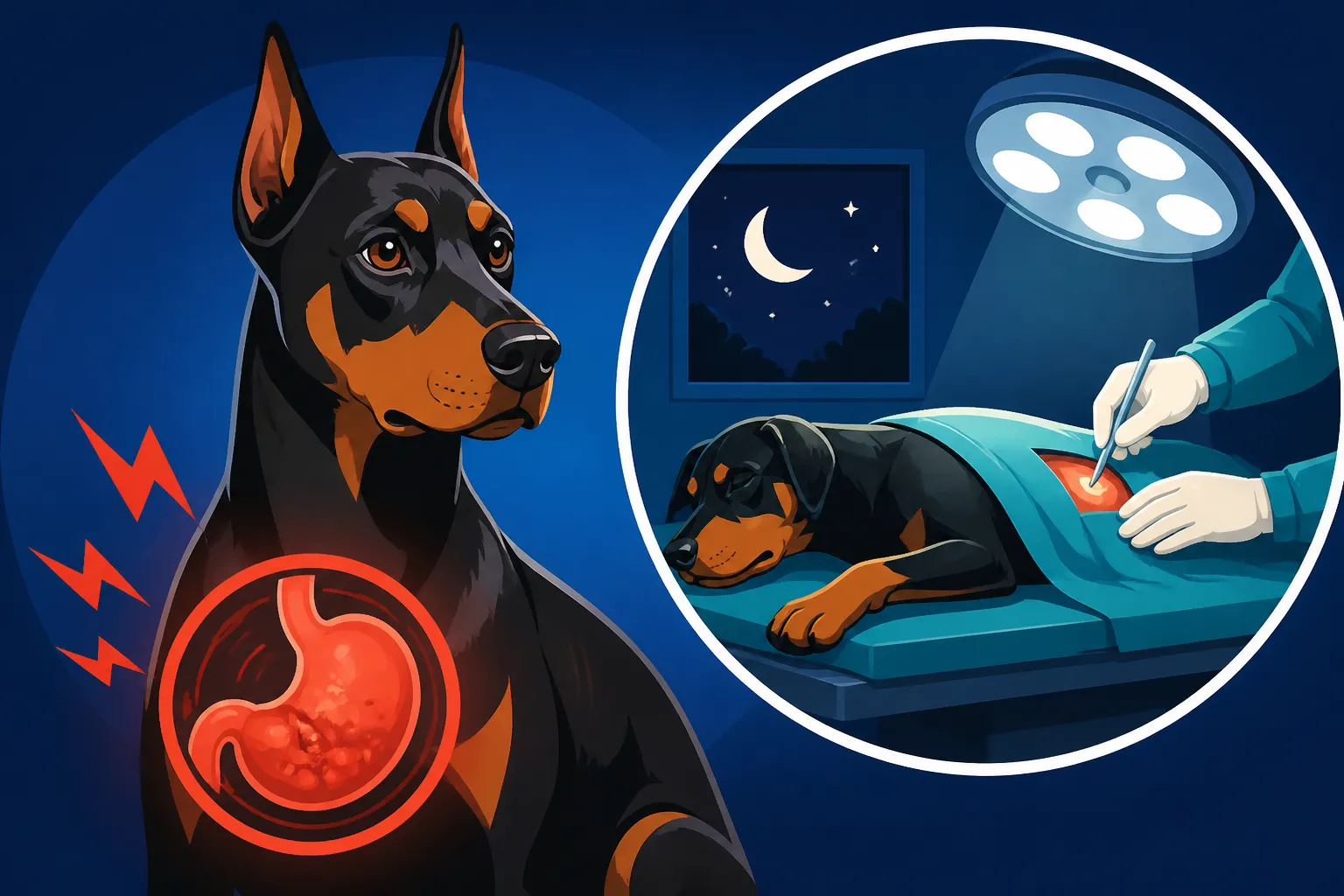
Imagine your Doberman's stomach as a balloon. In simple bloat (gastric dilatation), this "balloon" overfills with gas, food, or fluid, expanding dramatically. This alone is painful and dangerous, putting pressure on other organs. However, the real terror comes with the "volvulus" part of GDV, where the distended stomach then twists on its axis. When this twisting happens, it traps the gas and fluid inside, cutting off blood supply to the stomach walls and often obstructing the esophagus and duodenum. This twist can also compress major blood vessels, leading to shock and other systemic issues throughout the body.
For Dobermans, their deep chests allow more room for the stomach to swing and twist, making them far more prone to GDV than many other breeds. It’s a genetic lottery, compounded by factors like eating too quickly, exercising vigorously after eating, or even stress. Understanding this vulnerability is the first step in proactive ownership. It's not just about what they eat, but how they eat, and how their unique physique reacts. Meal Timing on a Deep-Narrow Doberman Chest is a vital consideration here.
Recognizing the Urgent Signs of GDV
Knowing the signs of bloat is absolutely critical, as every minute counts. This isn't a condition where you can "wait and see" if your Doberman feels better. Many owners report a rapid onset, going from a perfectly normal dog to one in severe distress within an hour or two. The most common signs include:
- Restlessness and Pacing: Your Doberman can't get comfortable, constantly shifting position.
- Abdominal Distension: The belly may appear visibly swollen, especially on the left side, and feel hard or taut like a drum. This can be harder to spot on very deep-chested dogs until it's severe.
- Non-productive Retching or Vomiting: They try to vomit but nothing, or very little, comes up – perhaps just foamy saliva. This is a hallmark sign.
- Drooling: Excessive drooling often accompanies nausea and discomfort.
- Pain: Your Doberman might whine, groan, or show signs of intense abdominal pain when touched.
- Weakness or Collapse: As the condition progresses, they may become weak, lie down, and be unwilling or unable to get up. Their gums might become pale.
If you observe any of these symptoms, especially the non-productive retching and abdominal swelling, it's an immediate rush to the nearest emergency veterinary clinic. There's no time to waste; delay can easily be fatal. You need to be able to jump in the car and go. For more insights on this, read Recognizing a Doberman Stomach Twist in Time.
The Critical Window for Intervention
The prognosis for a Doberman with GDV is highly dependent on how quickly veterinary care is sought. The critical window is often considered to be within the first few hours of symptom onset. If surgery is performed within approximately six hours, the survival rate is significantly higher. Beyond that, the risk of complications, severe tissue damage, and mortality rises sharply.
Once you arrive at the emergency clinic, the veterinary team will immediately work to stabilize your Doberman, which involves addressing shock with IV fluids, decompressing the stomach (often with a tube passed down the esophagus or a needle inserted through the abdominal wall), and assessing their overall condition. These initial steps are vital before your Doberman can even be considered for surgery. The goal is to get them stable enough to withstand the operation and give them the best chance at recovery. This entire process, from diagnosis to surgery, often takes place overnight, hence the higher costs associated with emergency after-hours care.
Breaking Down the Costs of Doberman Bloat Surgery Overnight
The sheer shock of the bloat diagnosis is often compounded by the immediate and substantial financial burden it presents. When you're facing this kind of emergency, the last thing you want to be thinking about is money, but understanding where the costs come from can help you prepare. What Doberman bloat surgery runs overnight isn't a single price tag; it's a sum of many critical, time-sensitive interventions.
Emergency Consultation and Stabilization Fees
When you rush your Doberman to an emergency vet, the first charges you'll encounter are for the emergency consultation and the initial stabilization. This isn't just a quick check-up; it's a rapid, high-stakes assessment and intervention. These fees cover:
- Emergency Exam: The immediate assessment by a veterinarian, often a specialist in emergency medicine, to confirm GDV and evaluate your dog's overall condition.
- Diagnostic Imaging: Typically X-rays are needed to confirm the stomach twist and rule out other issues. This is crucial for guiding treatment.
- Bloodwork: Comprehensive blood tests are performed to check organ function, electrolyte balance, and assess for shock or infection, which will inform anesthesia protocols and post-op care.
- Intravenous (IV) Fluids: Essential for treating shock and maintaining hydration, often administered rapidly with specialized pumps.
- Pain Management & Medications: Strong pain relievers are given immediately to alleviate suffering, along with antibiotics to prevent infection, and drugs to help with heart rhythm irregularities that can occur with bloat.
- Stomach Decompression: Whether by passing a tube down the esophagus (orogastric intubation) or, in more severe cases, inserting a needle directly into the stomach (trocarization), these procedures relieve pressure and are billable components.
These initial steps are often performed before you even receive a full estimate for the surgery itself, as they are critical to getting your Doberman stable enough for the operating room. This urgent, specialized care, often provided by multiple staff members (vets, vet techs, assistants) during off-hours, contributes significantly to the initial bill.
The Surgical Procedure Itself
Once your Doberman is stabilized, the main event is the surgery, which is typically a gastropexy. This is a complex abdominal surgery performed by experienced veterinary surgeons, often at specialist emergency hospitals. The surgical fees encompass several components:
- Anesthesia: Dobermans, especially in shock, require careful anesthetic management. This includes pre-anesthetic blood work, the anesthetic drugs themselves, constant monitoring by a dedicated technician (monitoring heart rate, breathing, blood pressure, oxygen levels, etc.), and reversal agents.
- The Surgery: The surgeon will untwist the stomach, assess the viability of the stomach tissue (removing any dead tissue if necessary), and perform a gastropexy. A gastropexy is a procedure where the stomach is surgically attached to the abdominal wall to prevent future twisting. While it doesn't prevent simple bloat (gas accumulation), it drastically reduces the risk of recurrence of the life-threatening volvulus. Tacking a Doberman's Stomach While It Is Under is a proactive measure that many Doberman owners consider.
- Surgical Supplies: This includes sterile drapes, sutures, instruments, and other medical supplies used during the operation.
- Surgeon's Fee: The expertise of the veterinary surgeon, particularly one skilled in emergency abdominal surgery, is a significant part of the cost.
Because this is an emergency, often performed late at night or on weekends, there are typically higher "after-hours" or "emergency" surcharges applied to these services, reflecting the immediate availability of specialized staff and facilities.
Post-Operative Care and Hospitalization
The surgery is just one part of the journey. The critical post-operative period is equally intensive and costly. Your Doberman will need to remain hospitalized, often for several days, for close monitoring and recovery. This phase includes:
- Intensive Care Monitoring: Continuous monitoring of vital signs, pain levels, and any signs of complications (like arrhythmias, kidney issues, or further stomach issues). This often involves dedicated overnight staff.
- Medications: Post-op pain relief, antibiotics, anti-nausea medications, and gastroprotectants are crucial for comfort and preventing secondary issues. These are given regularly throughout their stay.
- Fluid Therapy: Continued IV fluids to maintain hydration and support organ function.
- Diagnostic Re-checks: Repeat bloodwork, X-rays, or other diagnostics might be needed to check progress and identify any complications early.
- Feeding Management: Careful reintroduction of food and water, often with specific prescription diets to minimize gastric upset. Many Doberman owners rely on quality brands like Chewy or Ollie to find appropriate recovery diets or supplements recommended by their vet.
- Nursing Care: Round-the-clock care from veterinary technicians, including turning your Doberman, keeping them clean, assisting with potty breaks, and providing comfort.
- Longer Stay: While some dogs might go home after 24-48 hours if stable, complications can extend the hospital stay, adding significantly to the overall bill.
It's common for the overnight care, especially in an intensive care unit (ICU) setting, to accrue costs rapidly due to the high level of staffing and specialized equipment required. These costs are often presented as a daily rate for hospitalization, plus individual charges for all medications, tests, and treatments administered. For a comprehensive look at the expense, you can explore information on What Bloat Surgery Costs a Doberman Owner.
Here's a simplified breakdown of potential costs you might encounter:
| Cost Category | Description | Typical Components |
|---|---|---|
| Emergency Visit & Diagnostics | Initial assessment, confirmation of GDV, and stabilization. | Exam fee, X-rays, blood tests, IV catheter & fluids, pain meds, stomach decompression. |
| Surgical Procedure | Untwisting the stomach and performing gastropexy. | Anesthesia induction & monitoring, surgeon's fee, surgical supplies, post-op imaging. |
| Post-Operative Hospitalization | Intensive care, monitoring, and recovery after surgery. | Overnight ICU/hospitalization fees (per night), IV fluids, ongoing medications (pain, antibiotics), repeat diagnostics. |
| Additional Complications | Treatment for unforeseen issues like arrhythmias, tissue necrosis, or infection. | Extended hospital stay, additional medications, specialized treatments, transfusions. |
Note: These are descriptions of typical cost components. Actual prices vary widely based on location, veterinary clinic, severity of the case, and duration of care.
Managing and Preparing for the Financial Impact
Facing a bloat emergency with your Doberman is emotionally draining, and the financial stress can add another layer of burden. It's not uncommon for these bills to reach several thousand dollars, especially for overnight care and if complications arise. Knowing this possibility in advance is the first step in being prepared. After all, Emergency Vet Fees for a Collapsing Doberman can be astronomical.
Pet Insurance and Bloat Coverage
One of the most effective ways to mitigate the financial shock of bloat surgery is through pet insurance. A good pet insurance policy can literally be a lifesaver for your Doberman, covering a significant portion of emergency veterinary bills. However, there are crucial details to understand:
- Enrollment Timing: It is paramount to enroll your Doberman in pet insurance before any signs of bloat appear. GDV, once diagnosed, becomes a pre-existing condition, and policies will typically not cover expenses related to it if it occurred prior to enrollment or during the waiting period. Getting a Doberman Covered Before the First Echo is a good parallel for thinking about proactive insurance.
- Waiting Periods: Most policies have waiting periods (e.g., 14-30 days) before certain conditions, including accidents and illnesses, are covered. Enroll your Doberman as a puppy or young adult to ensure these periods pass long before bloat becomes a risk.
- Coverage Details: Review policy details carefully. Look for comprehensive plans that cover emergency surgery, hospitalization, diagnostics, and medications. Some plans might have limits per incident or per year. Providers like Healthy Paws are known for their comprehensive coverage, but it's essential to understand the specifics of any plan.
- Deductibles and Reimbursement: Understand your deductible (the amount you pay before coverage kicks in) and the reimbursement percentage (e.g., 80% or 90% of eligible costs). Choosing a higher deductible can lower your monthly premium, but means more out-of-pocket for each claim. Picking a Deductible When Doberman Claims Repeat is an important consideration.
For Doberman owners, pet insurance is less a luxury and more a necessity due to the breed's predispositions to costly conditions like GDV and heart disease. Whether Any Doberman Owner Should Skip Insurance becomes a particularly poignant question for this breed.
Alternative Payment Options and Financial Aid
Even with insurance, or if you don't have it, a large bill can be daunting. There are other avenues to explore:
- Payment Plans with the Clinic: Some veterinary emergency hospitals offer in-house payment plans, though this is not universally available. It's always worth asking if they have options to spread payments over a short period.
- Credit Options: Veterinary financing options, such as CareCredit, offer deferred interest plans if paid off within a certain timeframe. This can provide immediate access to funds for the emergency. You apply, and if approved, you can use it like a credit card specifically for healthcare costs.
- Emergency Funds/Savings: Having a dedicated emergency fund for your Doberman is always a wise decision. Knowing that Doberman costs can climb as they age, especially after six years old, means setting aside money early can make a huge difference. What a Doberman Costs Month to Month and How Doberman Costs Climb After Six highlight the ongoing financial commitment.
- Crowdfunding & Charity Organizations: In desperate situations, online crowdfunding platforms or breed-specific rescue organizations might offer some assistance. Doberman rescues, in particular, are often acutely aware of the costs of bloat and other breed-specific health issues.
It's a tough conversation to have in a crisis, but discussing financial options with the veterinary team upfront can help you make informed decisions without added stress later.
Prevention: A Long-Term Cost Saver
While bloat can strike unexpectedly, there are measures Doberman owners can take to reduce the risk, which in turn saves you from potentially massive emergency bills. Proactive prevention is truly the best long-term cost saver.
- Smaller, More Frequent Meals: Instead of one large meal, feed your Doberman two or three smaller meals throughout the day. This reduces the amount of food and gas in the stomach at any one time.
- Slow Feeder Bowls: For Dobermans who gobble their food, a slow feeder bowl can be incredibly helpful. These bowls have ridges or obstacles that force the dog to eat more slowly, reducing air intake. Brands available through retailers like Chewy often have a good selection of these.
- Avoid Exercise Before and After Eating: A general guideline is to avoid strenuous exercise, vigorous play, or even excessive excitement for at least an hour before and two hours after meals. This allows the stomach to digest food without excessive movement. Whether a Doberman Should Rest After Eating is a topic to seriously consider.
- Elevated Food Bowls (Controversial): The role of elevated food bowls is debated. Some studies suggest they might increase the risk of bloat in large, deep-chested breeds, while others show no significant impact. Discuss this with your vet to make an informed decision for your individual dog.
- Gastropexy: This is a surgical procedure where the stomach is permanently attached to the abdominal wall, preventing it from twisting. It's most commonly done electively, often at the same time as spaying or neutering, but can also be performed during emergency bloat surgery (though the risks are higher then). While it doesn't prevent the stomach from dilating, it almost entirely eliminates the risk of volvulus (the twist). The cost of an elective gastropexy is significantly less than emergency bloat surgery and can provide immense peace of mind. For more details, look up Gastropexy Costs Added to a Doberman Spay.
By understanding the risks, knowing the signs, and taking preventative steps, you can significantly reduce the chances of facing the terrifying emergency and the associated overnight costs of Doberman bloat surgery. Being prepared, both medically and financially, is the greatest gift you can give your beloved Doberman.
Disclaimer
This article is for general informational purposes only and does not constitute professional advice. Laws, prices and regulations vary by location and change over time. Consult a qualified professional for guidance on your specific situation.