Five-Minute Sessions With a Young Doberman
Anyone who's welcomed a Doberman puppy or young adult into their home knows they are brilliant, energetic, and sometimes, a little too smart for their own good. The challenge isn't usually a lack of intelligence, but rather how to channel that sharp mind effectively without overwhelming them or yourself. This guide is all about mastering the art of the five-minute training session, a powerful tool for building a well-behaved and confident Doberman without the stress of marathon drills.
Why Short Sessions Are the Secret to Doberman Success
It might seem counterintuitive to suggest less training time for such a capable breed, but trust me, when it comes to Dobermans, quality absolutely trumps quantity. These aren't dogs that thrive on endless repetition or drawn-out lessons. Their minds are constantly whirring, taking in everything, and if you bore them, you lose them.
The Doberman Brain: Smart, But Distractible
Dobermans are renowned for their intelligence, often ranking among the top breeds in terms of learning ability. They can pick up new cues and concepts with astonishing speed, sometimes in just a few repetitions. This is fantastic, right? Absolutely! But here's the flip side: that same sharp mind can also get bored or overstimulated just as quickly. Imagine trying to hold the attention of a genius toddler in a room full of shiny objects – that's often what it's like training a young Doberman. They might understand "sit" perfectly after three tries, but by the tenth, they're wondering if there's a squirrel outside, if that dust bunny is edible, or why you haven't thrown the ball yet.
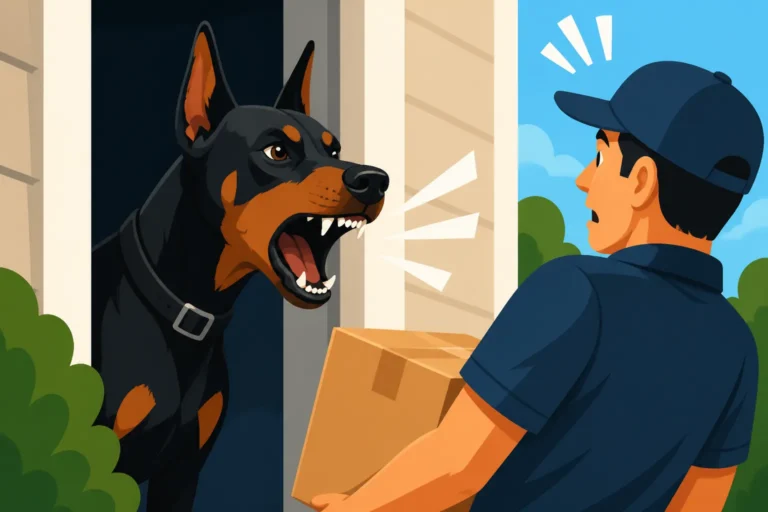
Their working dog heritage means they crave mental engagement, but not necessarily prolonged, monotonous work. They were bred to be alert, react quickly, and process information efficiently in dynamic situations. This means they are naturally wired for bursts of intense focus rather than sustained, static attention. Trying to push past their natural attention span often leads to frustration for both of you. You might find your Doberman starting to offer incorrect behaviors, looking away, sniffing the ground, or even trying to engage you in play instead – all signs that their brain has switched off from the "lesson" and is looking for more stimulating activities. This is why understanding Why a Clever Doberman Is Harder to Train is so crucial.
Preventing Frustration for Both of You
Nobody wants to feel like they're failing, especially when they're putting in effort. Long training sessions can quickly become a battle of wills if your Doberman checks out mentally. You might find yourself repeating commands, getting exasperated, and feeling like you're making no progress. Your Doberman, in turn, might start to associate training with negative feelings, pressure, or boredom, making them less enthusiastic to participate next time.
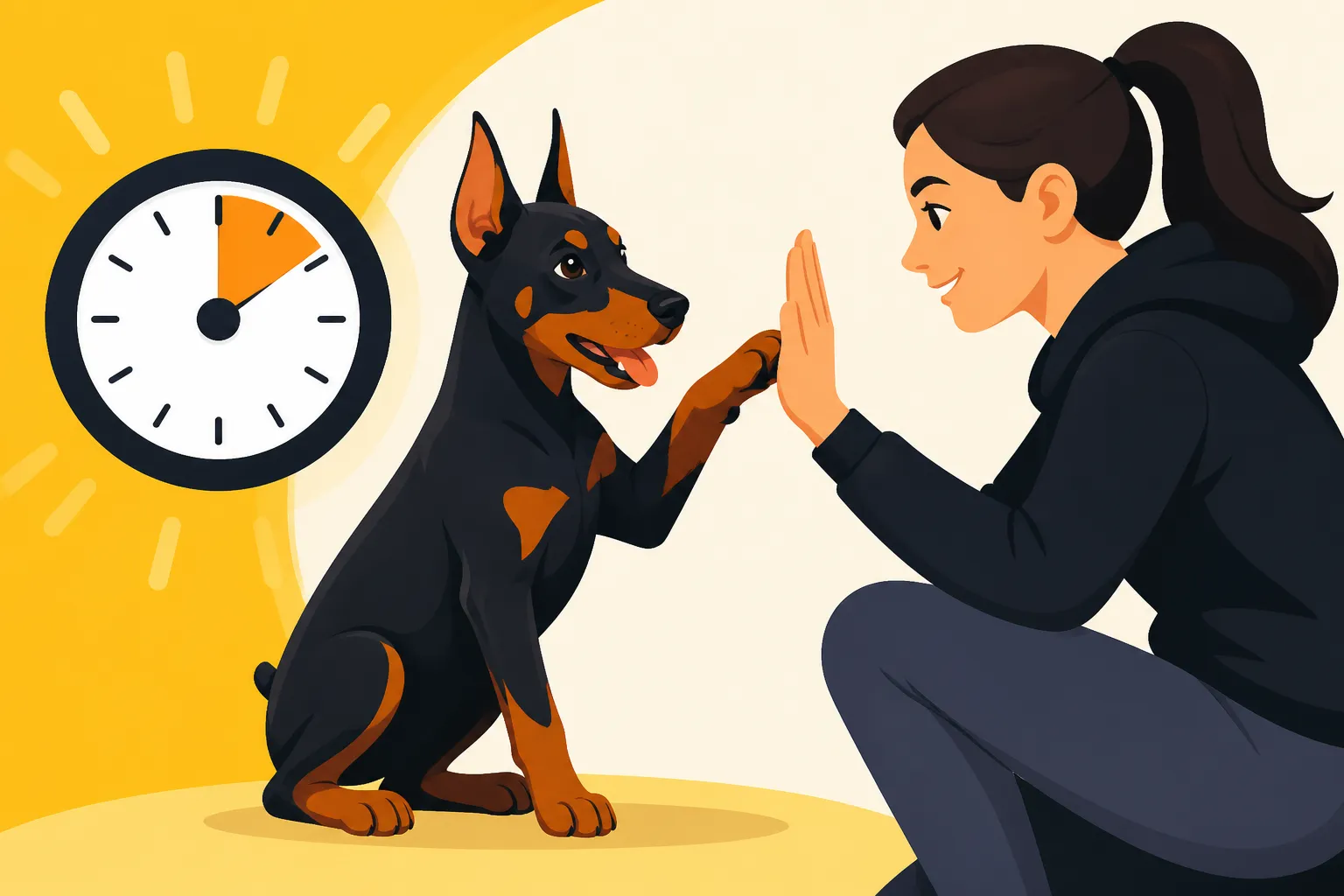
The beauty of five-minute sessions is that they end before either of you reaches that point of frustration. You're always stopping while your Doberman is still engaged and, ideally, when they've just successfully performed a cue. This builds a strong positive association with training. Each session becomes a mini-win, reinforcing their confidence and your bond. It's like leaving the audience wanting more rather than letting them get restless. This positive framing is vital for a breed that can be sensitive to harsh corrections. If you find yourself needing to correct constantly, you might want to read Why Yelling Shuts a Doberman Down.
Structuring Your Five-Minute Doberman Training Blitz
Thinking of training in terms of short, focused bursts rather than lengthy endeavors requires a slight shift in mindset, but it's incredibly effective. It means every minute counts, and you're being deliberate about what you want to achieve.
Setting the Stage for Focus
Even for a quick five-minute session, setting the right environment is paramount. You want to minimize distractions as much as possible, especially when introducing new concepts or working with a young Doberman whose attention span is still developing.
- Choose Your Battlefield Wisely: Start in a quiet room of your house, away from other pets, kids, or the tempting view of squirrels out the window. As your Doberman gains proficiency, you can gradually introduce more distractions, but for those initial five-minute bursts, a calm, predictable space is your best friend.
- Arm Yourself with the Right Tools: High-value treats are non-negotiable for Dobermans. These aren't just any old kibble; think tiny pieces of cooked chicken, cheese, or specialized training treats they absolutely adore. A clicker can also be incredibly effective for clear communication, especially when Marker Training a Doberman From Scratch. A treat pouch, easily found on Amazon, keeps your rewards handy and prevents fumbling.
- Pre-Session Prep: Before you even say "sit," make sure your Doberman has had a potty break and a quick burst of physical activity, like a zoomie in the yard or a short game of fetch. Burning off that initial excess energy helps them settle their bodies so their minds can focus. You're not looking to exhaust them, just to take the edge off their youthful exuberance.
Maximizing Each Miniature Session
The goal here is intensity and precision. Every second of your five minutes should be used effectively.
- One or Two Cues, Maximum: Don't try to cram in "sit," "stay," "down," "come," and "paw" all in one session. Pick one or two specific cues you want to work on. If it's "sit," focus purely on that, maybe adding "stay" if your Doberman is already proficient. The narrow focus helps them understand exactly what you're asking.
- Rapid-Fire Repetitions with Joy: Once you've picked your cue, perform it several times in quick succession. Ask for "sit," reward, release. Ask again. Keep the energy positive and upbeat! If they're struggling, make it easier. If they're nailing it, add a tiny bit more challenge (e.g., waiting a fraction of a second longer for the "stay"). This quick pace keeps their intelligent minds engaged. For ideas on what truly motivates your Doberman, consider reading Rewards a Doberman Will Work For.
- The Element of Surprise: Dobermans are smart, and predictability can lead to boredom. Mix things up! Don't always start with the same cue or use the exact same treat. Sometimes, a training session might just be two minutes, sometimes seven. This keeps them guessing and eager to see what's next.
- Quit While You're Ahead: This is perhaps the most crucial rule. Always end the session on a high note, when your Doberman has just done something right and is still keen to continue. Never push until they're bored or making mistakes. Ending on success leaves them feeling happy and looking forward to the next session. "That's it! Good job!" and a jackpot of treats or a quick game with a favorite toy (many durable options are available on Amazon) are perfect ways to close.
What to Work On in Your Five-Minute Flashes
The beauty of these short sessions is their versatility. You can tackle everything from fundamental manners to complex tricks, all within that compact timeframe.
Foundation Cues and Advanced Polish
For Doberman puppies, those initial five-minute sessions are gold for laying down a solid behavioral foundation.
- Puppy Basics: This is where you introduce "sit," "down," "come," and polite leash walking. Focus on making these behaviors fun and rewarding. Imagine you're teaching your puppy that listening to you leads to amazing things. Consistency, even in short bursts, builds reliability. Online puppy programs like those offered by BAXTER & Bella can provide structured guidance for these early stages, breaking down complex training into manageable chunks, perfect for five-minute practice. Remember, The Sixteen Weeks That Set a Doberman Up are crucial for establishing these habits.
- Adolescent Challenges: As your Doberman moves into adolescence (roughly 6 months to 2 years), you'll use these sessions to "proof" their existing cues in increasingly distracting environments. Can they "sit" when a ball rolls by? Can they "stay" when a new person walks into the room? These mini-sessions are perfect for practicing specific scenarios without overwhelming your dog. You can also start introducing impulse control exercises, like Teaching a Doberman to Wait for Permission before eating or going out the door.
- New Tricks and Scent Work: Dobermans thrive on mental stimulation. Five-minute sessions are fantastic for teaching fun new tricks like "shake a paw," "spin," or "bow." These activities burn mental energy and strengthen your bond. Scent work, even simple "find it" games with treats hidden around the room, is another excellent mental workout that can be done in short bursts and helps with Puzzle Work That Actually Tires a Doberman.
Integrating Training Throughout the Day
Formal five-minute sessions are important, but the real magic happens when you weave training seamlessly into your daily life. This isn't about adding more structured time; it's about being opportunistic.
- Everyday Moments are Training Moments: Think about all the natural opportunities you have to reinforce good behavior. Your Doberman sits politely before getting their meal? Mark it and reward it! They wait calmly at the door before you go out? Great job! They choose to lie down calmly near you instead of nudging for attention? Perfect! These small, spontaneous reinforcements add up to a well-behaved dog over time.
- Reinforce Spontaneously: Don't just save your high-value treats for formal sessions. Keep some handy in a small pouch (again, Amazon has many options) to reward excellent behavior when you least expect it. This makes your Doberman realize that being a "good dog" is always rewarding, not just during designated training times. This concept extends to teaching them appropriate chewing habits or Teaching a Doberman Puppy to Soften Its Mouth.
Common Pitfalls and How to Avoid Them
Even with the best intentions, it's easy to fall into traps that hinder your Doberman's training progress. Being aware of these common issues can save you a lot of grief.
Ignoring Body Language Cues
Your Doberman is constantly communicating with you, and understanding their subtle signals is key to successful training. In a five-minute session, you need to be particularly attuned to their engagement levels.
- Signs of Disengagement: Look for signs like yawning, lip licking (when not eating), sniffing the ground excessively, turning their head away, or simply walking off. These aren't acts of defiance; they're signals that your Doberman is mentally checked out, bored, or feeling overwhelmed. Pushing through these signals will only lead to frustration for both of you and can sour their perception of training.
- When to End Early: If you notice these signs appearing consistently before your five minutes are up, end the session immediately. Thank them for trying, give them a general positive reinforcement ("Good dog!") and put the treats away. It’s better to have a three-minute successful session than a five-minute struggle. Your goal is for every session to be a positive experience. Building up their tolerance for structured work is a gradual process, much like helping them get used to Getting a Doberman to Rest in a Crate.
The Lure of Longer Sessions
Once you start seeing incredible progress with five-minute sessions, it's incredibly tempting to think, "Wow, if five minutes works so well, imagine what ten or fifteen minutes could do!" This is perhaps the biggest pitfall for many Doberman owners.
- Consistency Over Duration: The effectiveness of short sessions isn't just about avoiding boredom; it's about building consistent, positive habits. Multiple short sessions spread throughout the day are far more beneficial than one long, grueling session. Think of it like physical exercise: short, frequent walks are often better for overall health than one exhausting marathon session once a week. You're building muscle memory for their brain.
- Maintaining Enthusiasm: By keeping sessions short, you ensure your Doberman always approaches training with enthusiasm and eagerness. They learn that training is a fun game, not a chore. This sustained positive attitude is what leads to long-term success and a Doberman who is truly a joy to train and live with. Many Doberman owners wish they had started with this approach earlier, learning from What Doberman Owners Wish They Had Started Earlier. Even a busy life can accommodate three or four five-minute sessions, setting your Doberman up for a lifetime of responsiveness.
| Training Element | Long Session Approach (Less Effective for Dobermans) | Five-Minute Session Approach (Highly Effective for Dobermans) |
|---|---|---|
| Attention Span | Often wanes, leading to boredom/frustration. | Maintained and enthusiastic; always ends on a high note. |
| Learning Retention | Can be diluted by fatigue and repetition overload. | Sharper focus, leading to quicker concept grasp and retention. |
| Owner Emotion | Can lead to exasperation and impatience. | Encourages patience, positivity, and a sense of accomplishment. |
| Dog's Perception | Training becomes a chore, potentially negative. | Training is a fun game, always positive and rewarding. |
| Consistency | Harder to fit in daily, often skipped. | Easy to integrate multiple times a day, increasing consistency. |
| Skill Proofing | Difficult to introduce distractions effectively. | Perfect for controlled introduction of mild distractions. |
Remember, your Doberman is a magnificent, intelligent animal. Respect their innate need for engaging, stimulating, but appropriately paced learning, and you'll unlock their incredible potential.
Disclaimer
This article is for general informational purposes only and does not constitute professional advice. Laws, prices and regulations vary by location and change over time. Consult a qualified professional for guidance on your specific situation.