A Doberman That Growls at Delivery Drivers
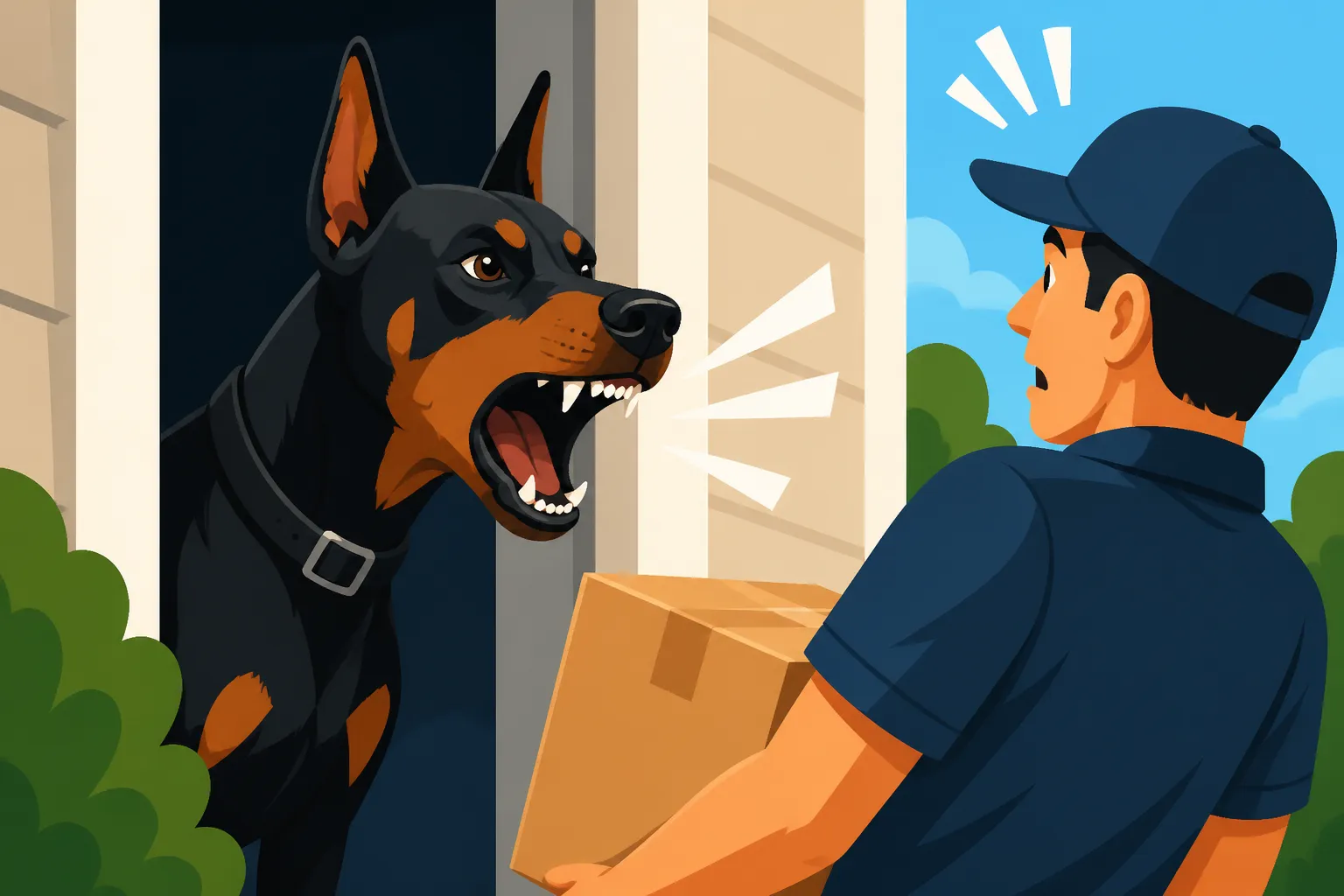
It’s a scenario many Doberman owners know all too well: the doorbell rings, or the sight of a delivery driver pulling up the driveway sends your usually composed Doberman into a barking, lunging, and growling frenzy. This isn't just startling for the driver; it's embarrassing and frustrating for you, the owner, leaving you feeling helpless and misunderstood. This guide is here to unravel why your Doberman reacts this way and, more importantly, equip you with practical, empathetic strategies to manage and eventually modify this challenging behavior, restoring peace to your doorstep.
Deciphering the Doberman's Delivery Driver Dilemma
When your Doberman barks and growls at a delivery driver, it’s rarely out of pure malice. More often, it stems from a complex mix of instinct, perceived threat, and lack of appropriate coping mechanisms. Understanding these root causes is the first step toward effective management.
The Doberman's Innate Guardian Instinct
Dobermans were originally bred to be personal protection dogs. Their very design, from their keen intelligence to their powerful physique, points to a strong guarding instinct. This isn't something you can simply train out of them; it's woven into their genetic fabric. When a delivery driver approaches, especially if they're wearing a uniform, carrying a large package, or moving quickly, your Doberman's protective radar goes off. They perceive this stranger as an intruder, potentially threatening their home and their beloved family. It's their job, as they see it, to alert you and deter the perceived threat.
Think about it from your Doberman's perspective: a large human, often obscured by a cap or hood, carrying something unfamiliar, approaches their territory – your home. The dog doesn't understand "Amazon package" or "pizza delivery." They see an encroachment, and their default setting is to protect. This instinct is often heightened by factors like limited socialization during their critical The Sixteen Weeks That Set a Doberman Up or previous negative experiences with strangers.
Lack of Positive Exposure and Socialization
Many Dobermans, despite being exposed to people, may not have had structured, positive experiences with strangers approaching their home. A delivery driver is a very specific type of stranger – one who often approaches directly, makes eye contact, and then quickly leaves. This can be very confusing and even alarming for a dog. If a Doberman hasn't been systematically taught that these encounters are neutral or even positive, they will default to their protective instincts.
Imagine your Doberman as a puppy. Did they meet a wide variety of people, including uniformed individuals, early on? Were these meetings consistently pleasant, involving treats and calm interactions? If not, the foundation for accepting such visitors might be shaky. For some Dobermans, it's not aggression but a deep-seated suspicion or even fear that drives the growl. They're unsure, and their way of saying "stay away" is to bark and make themselves look big and scary. This isn't ideal, but it's a natural dog behavior when they feel uncomfortable. Sometimes, this can tip over into full-blown reactivity if not managed.
Spotting the Signs and Setting Up for Success
Before you can effectively address the behavior, it's crucial to understand your Doberman's communication cues and set up your environment to prevent rehearsals of the unwanted behavior. Every time your Doberman practices growling and lunging, they get better at it, reinforcing the idea that it works.
Reading Your Doberman's Body Language
Dobermans are expressive dogs, but their signals can be subtle before they escalate to a full-blown reaction. Learning to read these early warning signs is vital for intervening before the growl starts.
| Early Warning Sign | What It Might Look Like | What It Means |
|---|---|---|
| Stiffening/Freezing | Body becomes rigid, tail might stop wagging, movements slow. | Dog is alert, assessing, and preparing for action. |
| Hard Stare/Eye Contact | Direct, unwavering gaze at the approaching person. | Focused attention, often a precursor to challenge or warning. |
| Lip Lick/Yawn (out of context) | Quick lick of lips or wide yawn when no reason (not tired). | Stress or anxiety, often used as a calming signal. |
| Tense Mouth/Closed Lips | Lips pulled back tightly, sometimes showing teeth subtly. | Tension, discomfort, preparing to escalate vocal warnings. |
| Low Growl/Rumble | A subtle, often deep sound from the chest, barely audible. | First vocal warning, indicating discomfort or a boundary. |
| Hackles Raised | Hair on neck and back stands up, making them look larger. | Arousal, fear, or readiness to confront. |
| Pacing/Circling | Restless movement near the door or window. | High arousal, inability to settle, anticipation. |
If you see these signals, your Doberman is already feeling stressed or highly vigilant. This is your cue to intervene calmly and redirect their attention. Ignoring these early signs means you're waiting for the explosion, which is much harder to manage. Recognizing a Doberman that stiffens before it growls can make all the difference.
Environmental Management: Preventing Rehearsals
The simplest way to stop a behavior is to prevent it from happening. While you work on training, managing your Doberman's environment will be your most powerful tool.
- Block the View: If your Doberman can see the street or front door from a window, block their access. Use privacy film, frosted contact paper, or simply close the blinds or curtains. If they can't see the trigger, they can't react to it. This alone can drastically reduce the number of "rehearsals" they get each day. For Dobermans that guard the yard line, a solid fence or visual barrier can work wonders.
- Containment: When you know a delivery is expected (or even when you don't!), place your Doberman in a separate, secure room, away from the front door. A sturdy crate in a quiet area with a puzzle toy or a long-lasting chew can be an excellent distraction. This is particularly helpful if your Doberman has a tendency to be A Doberman That Cannot Cope When You Go Out and needs a safe space.
- The "Delivery Box" or Designated Zone: Consider having a box or sign instructing drivers to leave packages in a specific spot away from your main entrance. This reduces the driver's direct approach to your door, lessening the immediate threat perception for your Doberman.
- Muzzle Training: For Dobermans with a severe growling or lunging problem, especially if there's any perceived risk of contact, muzzle training is an essential safety tool. Start slowly and positively, making the muzzle a comfortable, even rewarding, experience. Brands like Baskerville offer basket muzzles that allow panting and drinking. Introducing Muzzle Training a Doberman Before It Is Needed can be invaluable for peace of mind during training or unexpected visitors.
Practical Strategies for Training and Behavior Modification
Now that you understand why your Doberman reacts and how to manage the immediate environment, it's time to dive into proactive training. The goal isn't to punish the growl, but to change your Doberman's emotional response to delivery drivers from fear/protection to neutrality or even positive anticipation.
Desensitization and Counter-Conditioning (DS/CC)
This is the gold standard for reactivity. It involves gradually exposing your Doberman to the trigger (delivery driver) at a low intensity, while simultaneously creating a positive association.
- Identify the Threshold: This is the distance or intensity at which your Doberman first notices the trigger without reacting. For some, it might be seeing a delivery truck two blocks away; for others, it might be the sound of the doorbell from inside a bedroom.
- Controlled Exposure: Start at a distance where your Doberman can see or hear the delivery situation but remains calm.
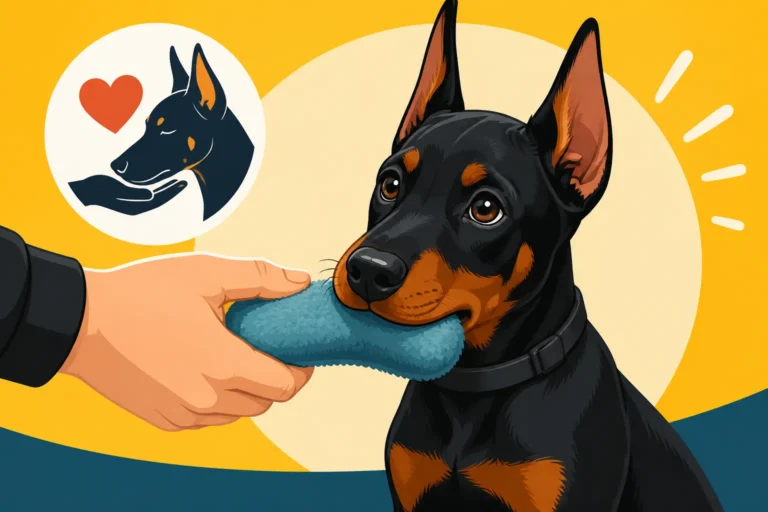
- Positive Association: The moment your Doberman notices the trigger calmly, immediately reward them with high-value treats (think cooked chicken, cheese, or hot dogs). The goal is for your Doberman to think, "Oh, a delivery driver! That means good things happen!" This is called counter-conditioning.
- Gradual Increase: Slowly, over many sessions, decrease the distance or increase the intensity. For example, move from observing drivers from a window to observing them from your porch, always staying below the threshold of reactivity.
- Simulated Deliveries: Recruit a friend to act as a delivery driver. Have them approach your house while you manage your Doberman. Start far away, tossing treats the moment your Doberman sees them, then having your friend retreat. Slowly, have your friend approach closer, ring the doorbell (softly at first), and leave a package. Always reward calm behavior.
Remember, the key is to stay below the threshold. If your Doberman reacts, you've gone too far, too fast. Retreat to an easier step and try again. This process takes time, patience, and consistency.
Training a "Go to Mat" or "Place" Command
Teaching your Doberman a strong "go to mat" or "place" command gives them a clear job when visitors arrive. It provides an alternative, incompatible behavior to barking and lunging.
- Introduce the Mat: Start by placing a mat or bed in a quiet area. Lure your Doberman onto it with a treat.
- Reward and Release: When all four paws are on the mat, say "Place" and reward them generously. Then, after a few seconds, give a release cue ("Okay!") and let them off.
- Build Duration and Distance: Gradually increase the time your Doberman stays on the mat, and then the distance you are from them while they remain on the mat. Practice with increasing distractions.
- Integrate the Trigger: Once your Doberman is solid on their "place" command, start practicing it when the doorbell rings (at a low intensity, perhaps a recording). Have them go to their mat, reward them for staying, and then deal with the door. Over time, the sound of the doorbell will become a cue for them to go to their mat, rather than a trigger for reactivity. For consistent training, resources from programs like BAXTER & Bella can be incredibly helpful in guiding you through these steps systematically.
The Power of Redirection and Engagement
When you anticipate a delivery, have high-value treats ready. As soon as you hear a truck or the doorbell, immediately engage your Doberman in a fun, short training session or a game of "find it" in a different room.
- "Find It" Game: Toss treats into a scatter on the floor or hide them in a puzzle toy. This engages their nose and brain, distracting them from the perceived threat at the door. You can find many interactive puzzle toys and snuffle mats on platforms like Amazon.
- Basic Obedience Blitz: Ask for a rapid-fire series of "sit," "down," "stay" commands, rewarding each success. This shifts their focus onto you and positive interaction, rather than the external trigger. This works best if you’ve already invested time in Training a Doberman That Is Smarter Than You Expect.
- Leash Management: If your Doberman is on leash when a delivery approaches, work on teaching a solid "look at me" command. When the trigger appears, get their attention on you and reward them for making eye contact instead of reacting. This also applies when A Doberman That Lunges at Passing Dogs.
Long-Term Solutions and Prevention
Modifying an existing reactive behavior takes time and dedication, but thinking proactively about long-term prevention is just as important.
Consistent Socialization and Exposure
Ongoing, positive socialization isn't just for puppies. Adult Dobermans benefit greatly from continued exposure to various people, places, and sounds in a controlled and positive manner. This means not just tolerating strangers, but actively associating them with good experiences.
- Planned Interactions: Arrange for calm, dog-savvy friends to visit your home. Before they enter, have your friend wait outside. As they approach, have them toss high-value treats toward your Doberman before any growling starts. Gradually increase the interaction, always ensuring it's positive and calm.
- Public Outings: Take your Doberman to quiet public places (like a park during off-peak hours) where they can observe people from a comfortable distance. Reward calm behavior. The goal is for them to see people as a normal, non-threatening part of the environment. Remember, A Doberman That Is Wary Rather Than Confident often needs more gentle exposure.
- Different Uniforms: Expose your Doberman to people in different uniforms – postal workers, utility workers, even people in construction gear. Always make these encounters positive, even if it just means observing from afar and getting treats.
Seeking Professional Guidance
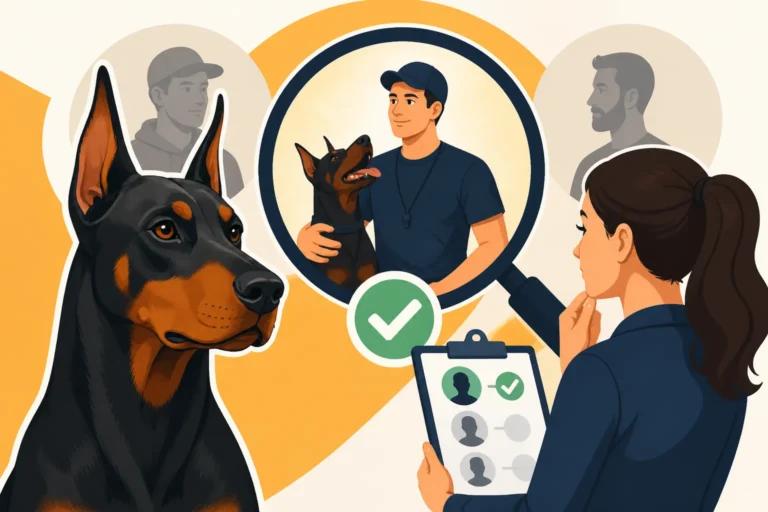
If your Doberman's reactivity is severe, or if you feel overwhelmed, please don't hesitate to consult a professional. A certified professional dog trainer (CPDT) or a veterinary behaviorist can assess your specific situation and create a tailored training plan.
- In-Home Consultations: A trainer can observe your Doberman in their home environment, which is crucial for understanding the nuances of their behavior. They can help you identify subtle triggers and body language cues you might be missing.
- Behavioral Veterinarians: For cases with a strong anxiety component, or if traditional training isn't making enough progress, a veterinary behaviorist can evaluate whether medication might be a helpful adjunct to behavior modification. This is not a quick fix, but it can lower your Doberman's overall anxiety levels, making them more receptive to training.
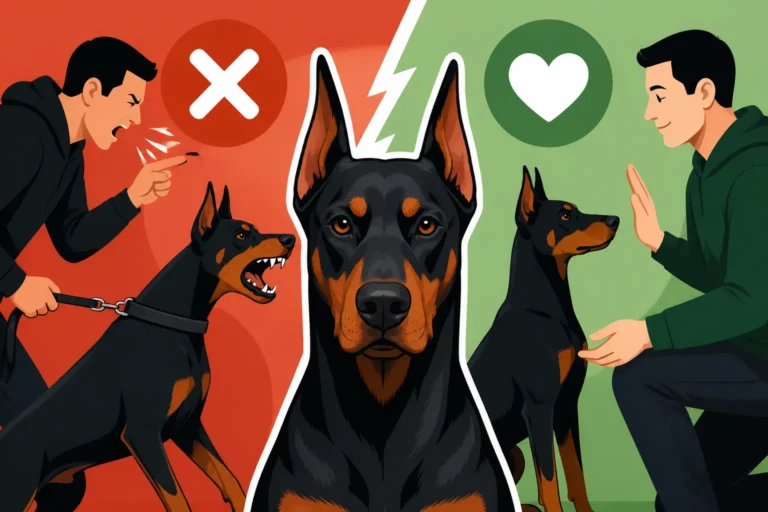
- Finding the Right Fit: Look for trainers who use positive reinforcement and force-free methods. Avoid trainers who advocate for harsh corrections or intimidation, as these methods can escalate fear-based aggression in Dobermans and Rebuilding Trust With a Harshly Handled Doberman can be a long road. Ask for references and observe a session before committing. Many excellent trainers have experience with Finding a Trainer Who Has Worked With Dobermans.
Consistency is Key
Behavior modification is not a one-time fix; it's an ongoing journey. Every family member needs to be on board with the training plan, using the same cues and methods. Inconsistency can confuse your Doberman and slow progress.
- Daily Practice: Short, frequent training sessions are more effective than long, infrequent ones. Even 5-10 minutes a few times a day can make a big difference.
- Patience and Empathy: Remember that your Doberman isn't trying to be "bad." They are reacting based on their instincts and learned experiences. Approach training with patience and empathy, celebrating small victories along the way.
- Ongoing Reinforcement: Even after your Doberman shows improvement, continue to reinforce good behavior around delivery situations. An occasional treat for a calm doorbell response will help maintain the desired behavior. If your Doberman accepts visitors calmly, ensure they get positive attention. Teaching a Doberman That Visitors Are Fine is crucial.
Addressing a Doberman that growls at delivery drivers is a commitment, but it's one that can significantly improve your quality of life and your Doberman's comfort level. By understanding their motivations, managing the environment, and employing consistent, positive training techniques, you can transform these stressful encounters into calm, manageable moments.
Disclaimer
This article is for general informational purposes only and does not constitute professional advice. Laws, prices and regulations vary by location and change over time. Consult a qualified professional for guidance on your specific situation.