The Age a Doberman Starts Sport Training
One of the most exciting things about bringing a Doberman into your life is seeing their incredible potential for training and work. They're so smart, so athletic, and so eager to please that it's natural to want to dive headfirst into activities like obedience, agility, or protection sports. However, a common frustration for new owners is not knowing when it's safe and appropriate to start these more demanding activities without risking injury or burning out their young, developing dog. This guide is here to walk you through the various stages of a Doberman's development and outline realistic timelines for introducing them to different types of sport training.
Laying the Foundation: Puppyhood to Six Months
Those first few months with your Doberman puppy are a whirlwind of adorable chaos, boundless energy, and rapid growth. It’s a critical period for socialization and basic manners, but it’s also a time when their bodies are incredibly delicate and susceptible to injury if pushed too hard. Many eager owners, myself included back in the day, feel the urge to start intense training right away, imagining their future champion. But trust me, a solid foundation built on patience and appropriate activities will pay dividends for years to come.
Mental Stimulation Over Physical Strain
During puppyhood, your Doberman's bones and growth plates are still soft and forming. Excessive running, jumping, or repetitive high-impact movements can cause irreversible damage. Think of their growing joints like wet clay – you wouldn't want to mold them too aggressively before they've had a chance to harden. Instead, focus on mental enrichment. This means short, fun training sessions that build engagement and a love for learning. Puzzle toys, scent games, and short bursts of retrieving a soft toy are fantastic. You can easily find a huge variety of puzzle toys and interactive feeders on Amazon that challenge their minds without stressing their bodies.
For instance, if you're picturing your Doberman soaring over agility jumps, resist the urge to set up even small hurdles right now. Instead, focus on teaching them impulse control, engagement with you, and foundational cues like "sit," "stay," and a solid recall. These skills are the bedrock of any future sport, whether it's competitive obedience or advanced protection work. They also help establish you as a reliable leader, which is vital for a breed as intelligent and discerning as the Doberman. You want them to want to work with you, not feel forced.
Gentle Introduction to Basic Concepts
While you’re safeguarding their physical development, you can certainly start introducing concepts that will become crucial in formal sports. This isn't about perfecting exercises, but about creating positive associations. For example, in competitive obedience, you'll need them to walk nicely on a leash. Now is the time to teach loose-leash walking in short, positive bursts, not long, forced marches. Introduce them to different surfaces, sounds, and environments. Exposure to a variety of safe, controlled experiences during this window is more important than any specific athletic training. Think about what a Doberman puppy needs at each age; it’s a lot more about exposure and less about physical demands.
Many online puppy programs, like those offered by BAXTER & Bella, are brilliant for this stage. They provide structured, positive reinforcement-based lessons that you can do at home, focusing on manners, socialization, and confidence-building. This kind of program helps you establish good habits without putting pressure on a young dog. You can start teaching targeting, which is essential for many agility obstacles, by having them touch their nose to your hand or a target stick. It’s all about breaking down complex behaviors into tiny, fun steps that build their confidence and understanding. Remember, the goal is to build enthusiasm for working with you, not to perfect an exercise.
Navigating Adolescence: Six to Eighteen Months
This phase is often described as the "teenager" stage for Dobermans, and oh, is it accurate! They're growing like weeds, sometimes seem to forget everything they learned as puppies, and their hormones are raging. Physically, their growth plates are still closing, particularly in larger breeds like Dobermans, so continued caution is necessary. However, their minds are opening up to more complex challenges, and their energy levels are sky-high, making it a prime time to channel that drive productively.
Managing Growth Plates and Bone Development
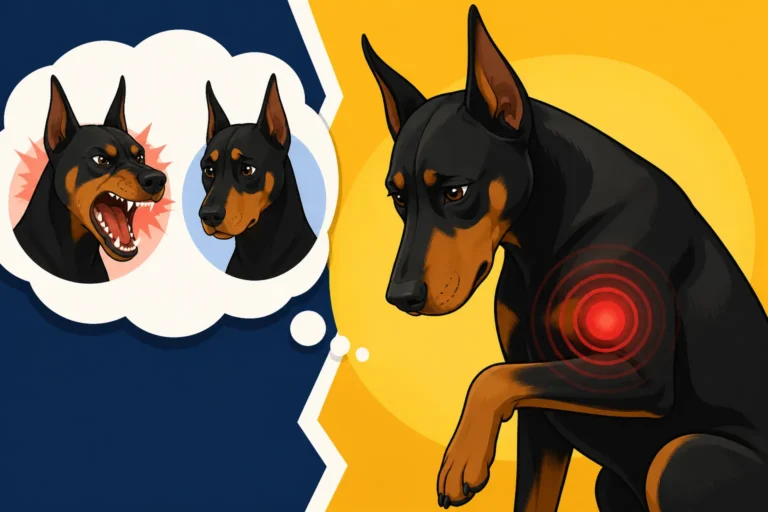
Even though your Doberman might look like a miniature adult, their bones are still maturing. Generally, most Dobermans' growth plates don't fully close until 12-18 months of age, with some larger males taking even longer. This means high-impact activities like intense jumping, tight turns, or long, sustained runs on hard surfaces should still be approached with extreme caution. The risk of conditions like Wobbler Syndrome in the Doberman or even hip and elbow issues is real, and pushing them too hard too soon can exacerbate these. Protecting a growing Doberman's joints is paramount.
Instead of full-blown sport work, consider introducing elements of sports. For example, in agility, you can teach them to run through tunnels, weave around cones (without pressure or speed), or walk over low-to-the-ground contact equipment. These activities build body awareness and confidence without putting stress on their developing joints. Similarly, for protection sports, you can focus on building drive, bite inhibition, and target acquisition with appropriate equipment and professional guidance, ensuring the dog isn't doing anything physically strenuous until mature.
Building Drive and Focus
Dobermans are known for their intense drive and focus, qualities that are highly desirable in working sports. During adolescence, you can begin to really hone these traits. Short, engaging training sessions that involve high-value rewards (like a favorite toy or super tasty treats) can keep their attention despite all the adolescent distractions. This is the age when many Dobermans start testing boundaries, so consistency in training and clear expectations are vital. A structured class environment, even if it's just basic obedience, can be incredibly beneficial for maintaining focus around distractions.
This is also a great time to introduce more advanced obedience cues, precision in their movements, and building duration for stays and recalls. Think of it as refining the raw talent they showed as puppies. For example, if you’re interested in competitive obedience, you can start working on more precise heeling patterns, longer duration stays with distractions, and a really snappy recall that stands up to tempting outdoor environments. Building this solid foundation in obedience will make any future sport training much smoother.
Introducing Low-Impact Sport Elements
Around this age, depending on the individual Doberman's physical maturity and your vet's advice, you can start to introduce more structured, low-impact elements of sports. For instance, nose work or tracking is an amazing outlet for Dobermans. It’s mentally exhausting, builds confidence, and puts zero stress on their joints. You can easily set up scent games in your backyard or home, hiding treats or favorite toys and teaching them to find them. This taps into their natural prey drive and intelligence in a constructive way. Nose Work as a Low-Impact Doberman Sport is a fantastic read for getting started.
For agility, this might mean teaching them to go over a very low bar (no higher than their elbow), walk across a dog walk board that's only inches off the ground, or practice the approach to a tunnel entrance. For protection sports, it might involve further development of their bite work on soft equipment or building their bark and hold. The key is to keep it fun, positive, and most importantly, low-impact. Never push them into something they're uncomfortable with, and always prioritize their physical safety over performance goals. A good trainer will be able to guide you through these introductory steps safely.
| Age Range | Primary Focus | Recommended Activities (Low Impact) | Activities to Avoid (High Impact) |
|---|---|---|---|
| 8 weeks – 6 months | Socialization, foundational manners, mental stimulation | Puzzle toys, short loose-leash walks, body awareness games, target training, polite greetings, puppy classes, What a Doberman Puppy Needs at Each Age | Forced long runs, high jumps, intense tugging/jerking, repetitive stair climbing, hard surface sprints |
| 6 months – 18 months | Building drive, focus, impulse control, advanced obedience | Nose work/tracking, structured obedience, low-level agility obstacles (tunnels, low bars), light retrieving, basic protection foundation, Competitive Obedience and the Doberman Temperament | High jumps, sharp turns at speed, prolonged impact on joints, strenuous long-distance running, intense protection bite work without proper conditioning |
| 18 months+ | Full sport engagement, refining skills, physical conditioning | Agility, advanced obedience, Schutzhund/IPO, dock diving, hiking, endurance activities, Agility With a Doberman's Long Frame | Activities that cause lameness or pain, overtraining leading to burnout |
Full Engagement: Eighteen Months and Beyond
Once your Doberman is generally past 18 months old, and ideally closer to two years for high-impact activities, they are typically considered physically mature. Their growth plates have closed, their bones have hardened, and their musculature has developed. This is when you can truly begin to explore the full range of working sports with confidence, knowing you're building upon a solid foundation rather than risking injury.
Full Engagement in High-Impact Sports
Now, with a physically mature Doberman, the sky's the limit for sport training! This is when you can really dive into the more intense aspects of agility, competitive obedience, Schutzhund (now more commonly known as IPO or IGP), or even specialized work like search and rescue or therapy dog training. What Protection Sport Involves for a Doberman can give you a deeper look into that particular discipline. Your Doberman's incredible athletic ability, intelligence, and intense focus can shine in these areas.
For agility, this means raising those jumps, working on contact obstacles with speed, and chaining together complex sequences. For obedience, it's about achieving that precision, speed, and consistency that separates a good team from a great one. If you're considering Schutzhund, this is when the physical demands of bite work, tracking, and complex obedience routines truly come into play. It's exhilarating to work with a Doberman at this level, as they truly embody the "dog of steel with a heart of gold" persona. Remember, even though they're mature, proper warm-ups and cool-downs are essential to prevent injuries.
Refining Skills and Maintaining Fitness
Sport training isn't a "one and done" deal; it's an ongoing journey of refinement and conditioning. Even once your Doberman is competing, you'll constantly be working to improve their skills, strengthen their weaker areas, and maintain their physical fitness. This often involves cross-training, like swimming for cardiovascular health and joint support, or specific conditioning exercises to build core strength and flexibility. Just as an athlete prepares for a marathon, a sport Doberman benefits from a well-rounded fitness regimen. Whether Agility Suits a Doberman's Joints offers some great perspective on keeping them sound.
This also means staying vigilant about their overall health. Regular vet check-ups, a high-quality diet (you can find excellent performance dog foods on Amazon or specialty pet stores), and paying attention to any subtle changes in their gait or behavior are crucial. A Doberman truly thrives when they have a job to do, and sport training provides that mental and physical outlet, fostering a deep bond between you and your intelligent companion. Watching them excel at something they love, something you've helped them achieve from careful puppyhood to athletic maturity, is one of the most rewarding experiences of Doberman ownership.
Disclaimer
This article is for general informational purposes only and does not constitute professional advice. Laws, prices and regulations vary by location and change over time. Consult a qualified professional for guidance on your specific situation.