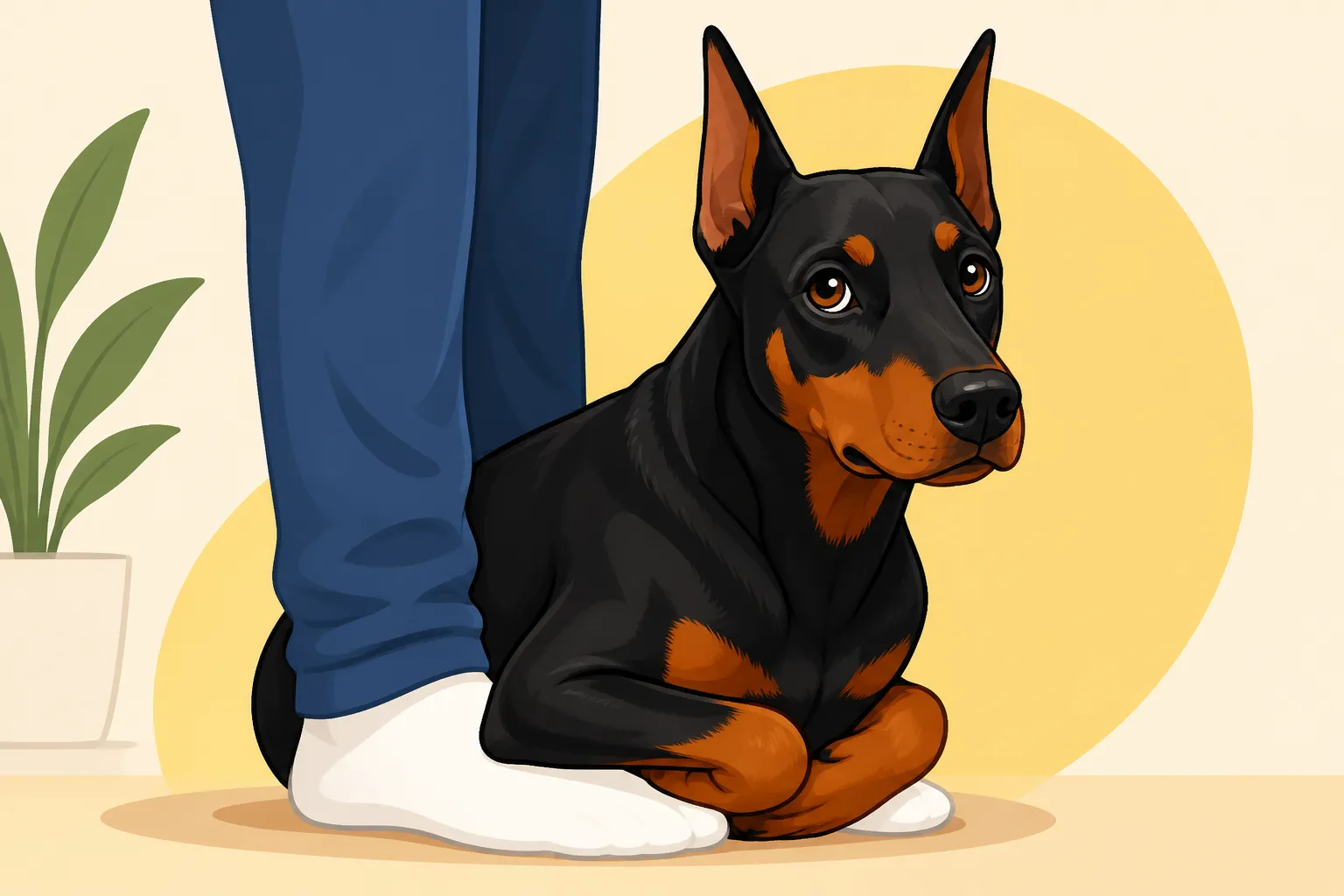
A Doberman That Sits on Your Feet
Oh, the Doberman foot-sit! It's a classic, isn't it? You're just trying to enjoy a quiet moment on the couch, or perhaps cooking dinner, and suddenly, there's a warm, heavy weight settling firmly on your feet. While it feels incredibly endearing most of the time – a true sign of that famous Doberman devotion – it can also be a tripping hazard, a barrier, or even a little much when you need your personal space. This guide is here to dive deep into why your Doberman has adopted your feet as their personal warming station and, more importantly, how you can gently manage this behavior so it works for both of you, fostering that incredible bond without sacrificing your ability to move around your own home.
Why Your Doberman Has Claimed Your Feet
It’s easy to dismiss a dog sitting on your feet as simply seeking attention, but with Dobermans, there’s often a richer tapestry of reasons woven into their genetics and unique personality. These aren't just casual cuddlers; they are deeply bonded, highly intelligent, and inherently watchful dogs. Their behaviors, even the seemingly small ones like foot-sitting, are often a manifestation of these core traits.
The Instinctive Guard Dog Mentality
Let's face it, Dobermans were originally bred for protection. Karl Dobermann, the tax collector, wanted a dog that would stick close and be ready to defend. This inherent guarding instinct often translates into a desire to be physically near their chosen human, always aware of their movements and surroundings. When your Doberman sits on your feet, they aren't just being cute; they're subtly asserting their role as your protector. They are literally grounding themselves to you, making sure no one can approach you without them knowing. It's their way of keeping tabs on your security detail. Imagine being out in a busy park; if your Doberman settles on your feet, they're creating a small, secure perimeter, ensuring you're safe and they're ready to react if needed. It’s less about aggression and more about an unwavering vigilance for their family.
Bonding and Affection Display
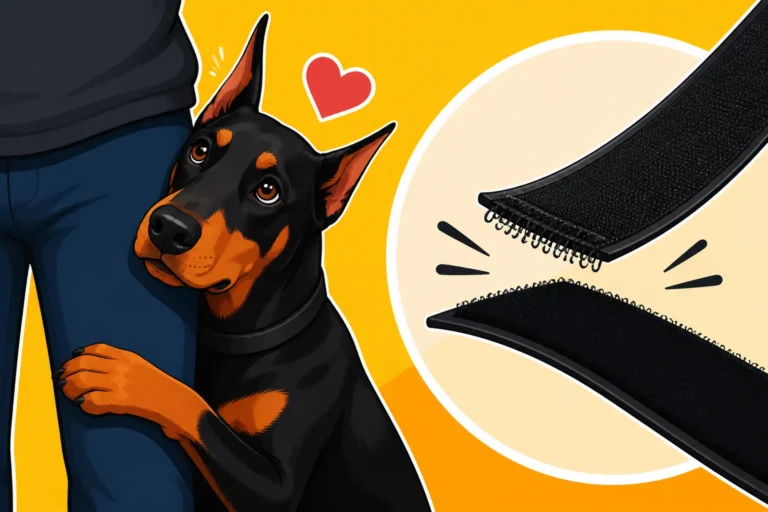
Beyond guarding, the foot-sit is a profound expression of affection and the strong bond Dobermans form with their owners. These dogs are often called "Velcro Dobermans" for a reason; they love to be close, physically connected to you in some way. Sitting on your feet provides constant physical contact, a reassuring presence for both you and them. It’s a quiet, non-demanding way to say, "I'm here, I love you, and I want to be near you." Think of it as their version of holding hands. This behavior often starts in puppyhood, where puppies instinctively pile together for warmth and security. As they grow, this natural inclination to be part of the "pack pile" translates into seeking closeness with their human family members. It’s a comforting gesture, both for the Doberman who feels secure by your side, and for the owner who appreciates the deep connection. For more on this, you might find Living With a Doberman That Follows You Everywhere interesting.
Seeking Comfort and Security
Just like humans find comfort in close proximity to loved ones, Dobermans also seek security from their chosen people. Your feet, anchored to the ground, represent stability and safety. By sitting on them, your Doberman is drawing on your calm energy and sense of security. This is particularly true if your Doberman is a bit anxious, or if there's something new or unsettling in their environment. A thunderstorm, unfamiliar guests, or even just a noisy delivery truck can send a sensitive Doberman seeking that reassuring physical contact. It's their safe space, a physical anchor to their world. For a dog known for its bravery, it’s a sweet reminder of their softer, more vulnerable side.
Understanding the "Velcro" Doberman Phenomenon
The Doberman’s propensity for foot-sitting is just one facet of their broader "Velcro dog" personality. This isn't just a quirky trait; it's deeply ingrained in the breed's temperament and intelligence, making them incredibly unique companions who want to be involved in every aspect of your life.
The Breed's Innate Clinginess
Dobermans are notorious for their clinginess. They aren't dogs that are content to simply be in the same room as you; they want to be on you, next to you, or at the very least, touching you. This constant desire for proximity stems from their development as personal protection dogs. They were bred to be truly integrated into their handler's life, forming an incredibly tight bond. This means they often struggle with isolation and thrive on interaction. If you've ever had a Doberman follow you from room to room, even to the bathroom, you know exactly what I'm talking about. The foot-sit is just another extension of this need to be constantly aware of your presence and movements. This deep connection is what makes them such loyal guardians, but it also requires an owner who appreciates and can manage their need for closeness. For a deeper dive into this phenomenon, check out Where the Velcro Doberman Nickname Comes From.
How Intelligence Plays a Role
Dobermans are incredibly intelligent dogs, consistently ranking high in canine intelligence surveys. This sharp mind means they are highly observant and quick to pick up on routines and subtle cues. They understand that by sitting on your feet, they often get a positive reaction – a pat, a kind word, or just the continued comfort of being near you. They learn that this behavior keeps them connected and involved in your activities. This isn't just instinct; it's a learned behavior, reinforced over time. They are constantly processing information about their environment and your interactions, and they will adapt their behaviors to maximize their comfort and connection with you. For example, if you consistently move your foot to pet them when they settle, they've learned that foot-sitting leads to positive attention. You can read more about their smarts in Training a Doberman That Is Smarter Than You Expect.
When Clinginess Becomes Resource Guarding (of You!)
While often benign, excessive foot-sitting can sometimes verge into a subtle form of resource guarding – with you as the resource. A Doberman who pushes between you and others, or grows tense when someone approaches while they're on your feet, might be exhibiting signs of guarding their access to you. This is less common but worth observing. It's not about them being "aggressive" in the typical sense, but rather a strong proprietary instinct over their most valued resource: their human. If your Doberman starts to snap or growl when others approach you while they're in their "foot-sit" position, it's a clear signal that this behavior might need more structured management. This is also something to be mindful of if you have multiple dogs in the household, as it can sometimes lead to tension if one Doberman feels they have exclusive rights to your personal space.
Managing the Foot-Sitting Habit
While foot-sitting is often a charming quirk, there are times when it becomes impractical or even unsafe. The good news is that with consistency and positive reinforcement, you can teach your Doberman alternative behaviors that still satisfy their need for closeness without constantly pinning you down.
Teaching a "Place" Command
One of the most effective ways to manage persistent foot-sitting is to teach your Doberman a "place" command. This involves designating a specific spot – a dog bed, a mat, or a comfortable crate – where your dog can go and relax. The goal is to create a positive association with this "place" so they see it as their own comfortable spot, rather than always needing to be right on top of you.
Start by luring your Doberman onto their designated place with a treat. As soon as they are on it, mark the behavior with a verbal cue like "yes" or a clicker, and reward them generously. Practice this in short, frequent sessions, gradually increasing the duration they stay on their place before receiving a reward. Use high-value treats to make it extra appealing. The BAXTER & Bella online puppy school offers excellent tutorials on building a strong "place" command, which can be invaluable for Dobermans. You’ll want to eventually add a verbal cue like "go to your place" as they understand the concept.
Here's a breakdown of the steps:
- Choose a "Place": A comfortable, elevated dog bed (many Dobermans love beds they can sink into, easily found on Amazon) or a mat works well. Make sure it's appealing to them.
- Lure and Reward: With a treat in hand, lure your Doberman onto the place. As soon as all four paws are on it, say "yes!" and give the treat. Repeat this many times.
- Add the Cue: Once they readily go to the place, add your verbal cue ("Place!" or "Bed!") just before you lure them.
- Duration: Slowly increase the time they spend on the place before rewarding. Start with a second, then two, then five, and so on.
- Distance and Distraction: Once they are solid with duration, start moving a few steps away, then returning to reward. Gradually introduce minor distractions.
- Release Cue: Teach a release word (like "Okay!" or "Free!") so they know when they are allowed to leave their place. This helps them understand that "place" isn't forever.
This command is fantastic for when you’re cooking, working, or have guests over, allowing your Doberman to still be in the same room but in their own designated spot. Teaching a Doberman to Settle in Another Room can provide even more tips on extending this concept.
Offering Alternative Close Proximity Options
Remember, your Doberman wants to be with you. If sitting on your feet isn't an option, provide other acceptable ways for them to be close. A dog bed right next to your chair, a comfortable mat by your desk, or a designated spot on the couch (if allowed) can satisfy their need for closeness without physically restricting you.
The key is to proactively guide them to these alternative spots before they even have a chance to settle on your feet. When you sit down, direct them to their bed with a cheerful "Go to your bed!" and reward them when they comply. Make these spots super comfy with their favorite blanket or a chew toy to reinforce the positive association. If they try to move to your feet, gently redirect them back to their spot. You’re not punishing them for wanting to be near you; you’re simply teaching them where that closeness is acceptable.
Mental Stimulation and Exercise
Sometimes, excessive clinginess, including foot-sitting, can be a symptom of a Doberman who isn't getting enough mental and physical exercise. A bored Doberman is more likely to seek constant engagement from their owner, and being stuck to your feet is one way they achieve that. Dobermans are highly intelligent and energetic dogs; they need an outlet for both their brains and their bodies.
Ensure your Doberman is getting sufficient walks, playtime, and mental challenges throughout the day. This could include structured training sessions, puzzle toys (which you can find a wide variety of on Amazon), or participation in dog sports like obedience or nose work. A mentally and physically tired Doberman is a content Doberman, and a content Doberman is often less insistent on being glued to your person. Consider some Puzzle Work That Actually Tires a Doberman for ideas. This won't eliminate their desire for closeness, but it can reduce the intensity and frequency of the foot-sitting habit.
When Foot-Sitting Becomes a Problem
While we love our Dobermans and their unique quirks, sometimes a behavior like foot-sitting can cross the line from endearing to problematic. It’s important to recognize these distinctions and address them for both your safety and your dog’s well-being.
Safety Concerns for Owners
The most obvious problem with a Doberman constantly sitting on your feet is the tripping hazard. These are large, powerful dogs, and a sudden movement from them or an unexpected need for you to step away quickly can lead to a nasty fall. This is especially true for elderly owners, those with mobility issues, or in busy households with young children who might not see the dog. Imagine carrying a hot plate of food or a laundry basket and tripping over your Doberman because they've decided your feet are the prime real estate. The risk of injury, both to you and potentially to your dog, is very real. It's not about being mean; it's about setting clear boundaries for safety within your home.
Impact on Social Interactions and Guests
A Doberman glued to your feet can also impact social interactions, especially when guests are present. While you might understand your dog's affectionate nature, visitors who aren't familiar with Doberman quirks might find it intimidating or uncomfortable to have a large dog constantly underfoot, particularly if it's accompanied by leaning, as discussed in A Doberman That Leans on You Constantly. This can make guests feel unwelcome or nervous, even if your Doberman means no harm. In more severe cases, if the foot-sitting stems from a resource-guarding tendency towards you, it can escalate to growling or snapping at anyone who comes too close. This is when the behavior needs to be addressed seriously, as it can strain relationships and create an unwelcoming atmosphere in your home.
Addressing Underlying Anxiety or Insecurity
Sometimes, persistent and anxious foot-sitting isn't just a sign of affection, but an indicator of underlying anxiety or insecurity in your Doberman. If your dog seems overly dependent, unable to settle anywhere else, or panics when you move away, it might be more than just a "Velcro" trait. This could manifest as separation anxiety when you leave, or general nervousness in new situations. A Doberman that has never learned to be comfortable in its own space, even when you're nearby, might struggle with confidence.
In such cases, simply redirecting the behavior might not be enough. You might need to work on building your Doberman's confidence and independence more broadly. This could involve structured crate training, engaging them in independent play with appropriate toys, and ensuring they have a secure "den" where they feel safe. Consulting with a professional positive reinforcement trainer or a veterinary behaviorist can be incredibly helpful in developing a plan to address deeper anxiety issues and build a more confident, independent Doberman. Remember, Correcting a Doberman Without Breaking It is crucial, as harsh methods can exacerbate anxiety rather than resolve it.
Here’s a quick summary of common scenarios and how to respond:
| Doberman Behavior | Possible Reason(s) | Recommended Action |
|---|---|---|
| Gently settles on feet, looks up for a pat | Affection, bonding, seeking comfort | Acknowledge with a gentle pat, then redirect to a nearby bed/mat if you need to move soon. Reward settling. |
| Follows everywhere, then sits on feet | Clinginess, guarding instinct, desire for proximity | Proactively direct to a "place" when you sit down. Ensure enough mental/physical exercise. Build "stay" skills. |
| Blocks path, makes it hard to move | Learned behavior, desire to control your movement | Immediately and calmly redirect to a "place" or another spot. Avoid reinforcing by giving attention until they move. |
| Growls or tenses when others approach | Resource guarding (of you), insecurity | Seek professional help from a certified dog trainer or behaviorist. Prioritize management to prevent incidents. |
| Anxious, panicky when you move away | Underlying anxiety, lack of confidence | Consult a vet or behaviorist to rule out medical issues. Implement confidence-building exercises and independent play. |
It's clear that while the Doberman foot-sit is often a heartwarming sign of their devotion, understanding the nuances of why they do it and how to gently guide them towards more appropriate behaviors ensures a happy, healthy, and safe relationship for everyone in the household. These magnificent dogs thrive on connection, and by providing clear boundaries and positive alternatives, you can enjoy their companionship to the fullest.
Disclaimer
This article is for general informational purposes only and does not constitute professional advice. Laws, prices and regulations vary by location and change over time. Consult a qualified professional for guidance on your specific situation.