A House-Trained Doberman That Slips Back
It’s incredibly disheartening and frankly, just plain gross, when your Doberman, who you thought was perfectly house-trained, suddenly starts having accidents indoors. You've been through the puppy phase, the endless trips outside, the frantic cleaning, and finally reached that glorious point of trust, only for it to feel like it’s all falling apart. This guide is here to walk you through the common reasons why a once-reliable Doberman might backtrack on their potty training and, more importantly, how you can get things back on track without losing your mind or your patience.
Unpacking the Mystery: Why Your Doberman is Having Accidents
When your Doberman, a breed known for its intelligence and desire to please, starts having accidents in the house after being perfectly trained, it rarely boils down to spite or a sudden lapse in understanding. More often than not, there's a clear underlying reason, even if it's not immediately obvious to us. It's frustrating because it feels like a personal affront, but your Doberman is likely trying to tell you something, or perhaps something has subtly shifted in their world that you haven't yet noticed.
It's tempting to get angry, to assume they're doing it deliberately, especially when they look at you with those big, soulful Doberman eyes after peeing on your favorite rug. But remember, dogs don't think like we do. A "slip-up" is usually a symptom, not a rebellion. Our job as their guardians is to become detectives and figure out what’s truly going on. It might be a physical discomfort, a change in their emotional state, or even something as simple as a tweak in your household routine that’s throwing them off their game.
Sudden Changes in Routine or Environment
Dobermans thrive on routine. They are creatures of habit, and while they can adapt, significant changes can be surprisingly unsettling for them, leading to anxiety or confusion that manifests as house-soiling. Think about your own life: if your schedule suddenly shifts, doesn't it throw you off? Your Doberman experiences something similar, but without the benefit of understanding why things are different.
Maybe someone in the household has started a new job with different hours, meaning their usual mid-morning potty break is missed. Perhaps you've moved to a new home, even just rearranging furniture can feel like a big deal to some dogs. A new pet, a new baby, or even visitors staying for an extended period can disrupt the calm and predictability your Doberman relies on. These aren't necessarily negative changes, but they are changes, and a sensitive Doberman can react by feeling insecure or anxious, which then translates to accidents indoors. They might feel unsure of where their "safe" potty spot is in a new environment, or perhaps the new smells or sounds are so distracting that they forget their training when outside. It’s crucial to consider any recent shifts, no matter how minor they seem to you, as they could be major to your dog.
Attention-Seeking or Anxiety
Sometimes, accidents are a cry for help or attention. Dobermans are famously known as "Velcro dogs" – they love being close to their people, sometimes Living With a Doberman That Follows You Everywhere. If your Doberman feels neglected, even if it's unintentional, they might resort to extreme measures to get your focus back on them. An accident, while frustrating for you, certainly gets your attention, doesn't it? This isn't necessarily malicious; it's a dog trying to communicate in the only way they know how.
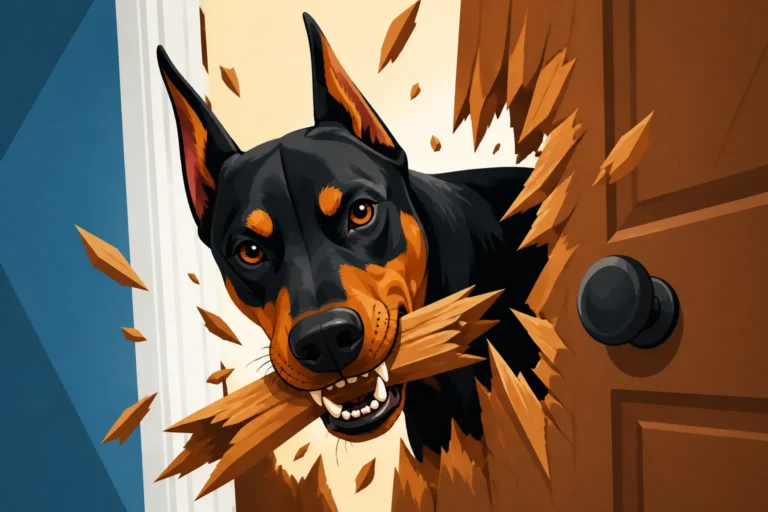
On the flip side, anxiety is a huge contributor to house-soiling. Separation anxiety is particularly common in Dobermans, who form incredibly strong bonds with their families. If your Doberman struggles when you leave, even for short periods, they might pee or poop in the house as a manifestation of their distress. It's not about being "mad" at you; it's a panic response. Loud noises, new people, or even changes in the family dynamic can trigger general anxiety. You might notice other signs too, like destructive chewing, excessive barking, or pacing. If your Doberman literally screams the moment the door shuts, you might be dealing with more than just a potty problem. Understanding the roots of this anxiety, perhaps by exploring topics like A Doberman That Cannot Cope When You Go Out, is a critical step.
Health Issues Mimicking Training Problems
Before you dive deep into behavior modification, the very first, non-negotiable step is a visit to your veterinarian. I cannot stress this enough. Many medical conditions can cause a previously house-trained Doberman to start having accidents, and until you rule these out, you're essentially guessing in the dark. It’s never about punishment when a health issue is at play. Your Doberman isn’t being “bad”; they’re unwell and need your help.
It’s easy to jump to conclusions and assume a behavioral problem, but your Doberman is just trying to cope with something physically uncomfortable or uncontrollable. They don't understand why their body isn't working right, and the stress of having an accident can add to their discomfort. A thorough vet check-up is the best way to determine if there's a physical reason for the change in their habits. Remember, Dobermans can be stoic, so subtle signs might be easily missed. Your vet can perform a comprehensive examination and recommend specific tests to uncover any hidden issues.
Urinary Tract Infections (UTIs) or Bladder Issues
One of the most common medical culprits behind sudden house-soiling is a urinary tract infection (UTI). Just like in humans, a UTI can make it incredibly difficult for a dog to hold their bladder. They might feel a sudden, urgent need to go, or they might not be able to hold it as long as they usually can. You might also notice them peeing more frequently, straining to urinate, or even blood in their urine. However, sometimes the only symptom is simply having accidents indoors.
Beyond UTIs, other bladder problems could be at fault, such as bladder stones, inflammation, or even certain types of tumors. These conditions can cause discomfort, increase the frequency of urination, or lead to a loss of bladder control. Your vet will likely want to take a urine sample to check for bacteria, crystals, or other abnormalities. Early detection and treatment of these issues are crucial, not just for house-training but for your Doberman's overall health and comfort.
Kidney Disease or Diabetes
Less common, but still important to consider, are systemic diseases like kidney disease or diabetes. Both of these conditions can lead to increased thirst and urination. If your Doberman is drinking significantly more water than usual, it stands to reason they'll also need to urinate more frequently. This increased volume can overwhelm their bladder capacity, making accidents more likely, especially overnight or if you're not able to let them out as often.
Diabetes mellitus, in particular, causes high blood sugar, which then spills into the urine, drawing more water with it. Kidney disease impairs the kidneys' ability to concentrate urine, leading to dilute, frequent urination. Your vet can run blood tests and analyze urine samples to screen for these conditions. It's especially vital for Dobermans to have regular check-ups, as some issues might not show obvious symptoms until they're quite advanced. Don't overlook the importance of these routine health checks, especially as your Doberman gets older and enters The Doberman Years When Everything Shows Up.
Other Pain or Discomfort
Sometimes, it’s not directly related to the bladder or kidneys at all. Pain or discomfort from other sources can make it difficult for your Doberman to get outside in time or even to position themselves comfortably to urinate or defecate. Arthritis, joint pain (common in larger breeds), or even back problems can slow them down considerably. Imagine having a sudden, urgent need to go, but every step causes pain – it's easy to see why an accident might happen.
For example, a Doberman with a stiff back or hip pain might find it uncomfortable to squat fully, or they might be reluctant to go down stairs or jump off the couch to get outside quickly enough. Neurological issues, like Wobbler Syndrome in the Doberman, can also affect their coordination and control, making house-soiling an involuntary consequence. If your Doberman is showing signs of lameness, stiffness, or changes in gait, or if they seem generally more lethargic, it's definitely worth discussing with your vet. Whether Pain Explains a Doberman's Behavior Change is a crucial question to ask when any behavioral shift occurs.
Cognitive Decline in Older Dobermans
As Dobermans age, just like humans, they can experience cognitive decline, sometimes referred to as Canine Cognitive Dysfunction (CCD). This is similar to Alzheimer's in people and can manifest in various ways, including confusion, disorientation, changes in sleep-wake cycles, and a loss of previously learned behaviors, like house-training. Your senior Doberman might simply forget where they are, or forget to signal that they need to go out.
You might notice them staring blankly at walls, getting "stuck" in corners, or becoming restless at night. Accidents in the house might become more frequent, often in unusual places. If your Doberman is getting on in years and these kinds of changes are occurring, discussing CCD with your vet is important. There are medications and dietary supplements that can sometimes help manage the symptoms and improve their quality of life.
Re-Establishing Good Habits and Prevention
Once any potential medical issues have been ruled out (or are being treated), it's time to go back to basics. This might feel frustrating, like you're starting from scratch, but approaching it with patience and a clear plan is key. Think of it less as "re-training" and more as "re-founding" the good habits that were once there, and addressing the underlying behavioral or environmental triggers.
This phase requires consistency, vigilance, and a good dose of empathy. Your Doberman isn't trying to annoy you; they're either confused, anxious, or have simply forgotten the rules due to a disruption. By creating a predictable and supportive environment, you can help them regain their confidence and reliability.
Back to Basics: The Puppy Protocol
This means treating your Doberman like a puppy again, at least for a little while. Take them out frequently, much more often than you think they need. Schedule potty breaks first thing in the morning, after waking from naps, after playing, after eating and drinking, and right before bedtime. Every single time they successfully eliminate outside, praise them lavishly and offer a high-value treat. This positive reinforcement is crucial for reinforcing the desired behavior.
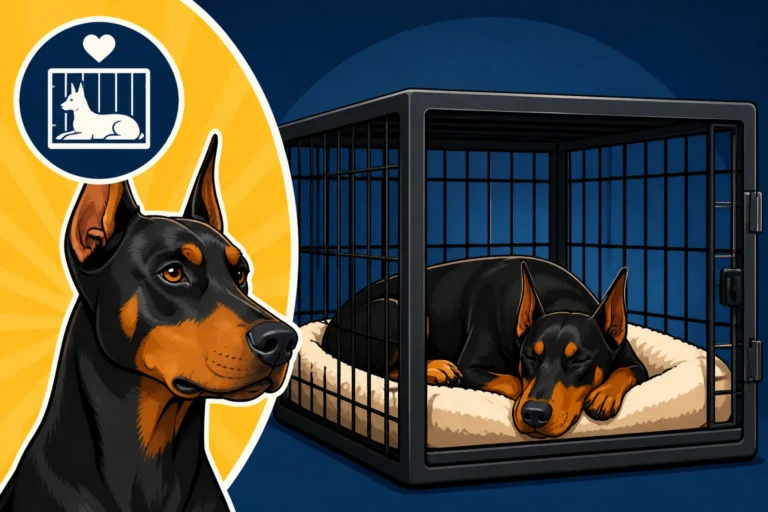
Limit their access to the house when you can't actively supervise them. This might mean using baby gates to confine them to a smaller, easily cleanable area, or using a crate. Crates, when used properly, are not a punishment. Most dogs naturally avoid soiling their sleeping area, so a crate can be a powerful tool to help them hold it. Ensure the crate is appropriately sized – just big enough for them to stand up, turn around, and lie down comfortably. If it's too large, they might use one end as a bathroom. You can find well-made crates on Amazon that can accommodate a growing Doberman. If they haven't been crated since puppyhood, you might need to reintroduce it positively, with treats and short durations, never as punishment.
Supervised Freedom and Leash Management
When your Doberman is in the house, they should either be in their crate or directly supervised by you. "Supervised" means they are within your line of sight at all times, ideally on a leash attached to you, especially in the initial stages. This prevents them from sneaking off to a quiet corner for an accident. If you see them sniffing around, circling, or showing any signs that they might need to go, immediately take them outside. This active supervision helps you anticipate their needs and prevent accidents before they happen.
A long line, also readily available on platforms like Amazon, can be useful here, giving them a little more freedom in a safe space while still allowing you to quickly intervene. Every successful trip outside reinforces the idea that outside is the place to go. This period of intense supervision might last days or even a couple of weeks, depending on how quickly your Doberman picks up the routine again. The goal is to set them up for success and minimize opportunities for accidents.
Consistent Potty Schedule
Consistency is king. Establish a strict, predictable potty schedule and stick to it religiously, even on weekends. Dobermans thrive on routine, and knowing exactly when they'll get their next opportunity to go can help reduce anxiety and prevent accidents. Write it down if you need to!
Here’s an example schedule, but adjust it to fit your Doberman’s needs and your household's rhythm:
| Time | Activity | Notes |
|---|---|---|
| 7:00 AM | First thing out | Always before breakfast |
| 7:30 AM | After breakfast | Even if they just went, offer another chance |
| 10:00 AM | Mid-morning break | Regular interval, even if you think they don't need it |
| 1:00 PM | Lunchtime break | If someone is home, or a dog walker |
| 4:00 PM | Afternoon break | Consistent timing is key |
| 6:30 PM | Before dinner | Prevents needing to go right after eating |
| 7:00 PM | After dinner | Digesting food can trigger a need to eliminate |
| 9:00 PM | Evening wind-down, last chance | Before you settle in for the night |
| 11:00 PM | Right before bed | Last trip out, even if it's a quick one |
Stick to these times, and always go to the same outdoor spot. Use a consistent phrase like "Go potty!" to help them associate the words with the action and location. Remember, every success needs a celebration!
Thorough Cleaning of Accidents
This is perhaps one of the most overlooked, yet critical, steps in dealing with house-soiling regressions. If your Doberman has an accident indoors, merely wiping it up with a paper towel isn't enough. Dogs are attracted to the smell of previous elimination spots, even if you can't detect it. If the scent remains, it acts like a giant "bathroom here!" sign for your Doberman, encouraging them to use that spot again.
You absolutely must use an enzymatic cleaner specifically designed for pet odors. These cleaners break down the uric acid crystals in urine, completely neutralizing the odor. Regular household cleaners might mask the smell to your nose, but your Doberman's far superior sense of smell will still pick up on it. Products like those widely available on Amazon are designed for this purpose. Treat the area thoroughly, soaking it according to the product instructions. If accidents have happened on carpet, you might need to treat the padding underneath as well. This step is non-negotiable for preventing repeat offenses.
Seeking Professional Guidance
Sometimes, despite your best efforts, the problem persists. It's okay to admit that you need an extra hand, especially with a smart and strong-willed breed like a Doberman. There's no shame in reaching out to professionals who have dedicated their careers to understanding canine behavior and health.
Don't let frustration fester or allow the problem to continue unchecked, as it can damage the bond you share with your Doberman. Getting professional guidance early can save you a lot of heartache, carpet cleaner, and ensure your Doberman gets the specific help they need.
Consulting a Veterinary Behaviorist
If medical issues have been ruled out and you're still struggling, especially if anxiety or fear seems to be a significant factor, a board-certified veterinary behaviorist can be an invaluable resource. These individuals are veterinarians who have gone on to specialize in animal behavior. This means they can both diagnose and treat medical conditions and behavioral problems, giving you a holistic approach.
A veterinary behaviorist can help identify complex behavioral patterns, such as severe separation anxiety or compulsive disorders, and develop a comprehensive treatment plan that might include behavior modification techniques, environmental management, and, if necessary, medication. They understand the nuances of canine cognition and can provide insights that a general vet or even a regular dog trainer might not. They can also provide referrals to other specialists if needed.
Working with a Certified Professional Dog Trainer
For many cases of house-soiling regression, particularly those rooted in routine changes, attention-seeking, or simply a lack of clarity in expectations, a certified professional dog trainer can be extremely helpful. Look for trainers who use positive reinforcement methods and have experience with Dobermans, as they are a unique breed with specific needs. Avoid any trainer who suggests punishment-based techniques, as these can exacerbate anxiety and damage your relationship with your dog.
A good trainer will observe your Doberman, assess your household environment, and help you implement a consistent training plan. They can teach you effective communication strategies, management techniques, and how to properly motivate your Doberman. Companies like BAXTER & Bella offer online resources and community support that can be a great starting point, though for a severe regression, one-on-one in-person training might be more beneficial. They can guide you through the process of rebuilding your Doberman's confidence in their potty habits, reinforcing positive behaviors, and helping them understand what's expected.
Disclaimer
This article is for general informational purposes only and does not constitute professional advice. Laws, prices and regulations vary by location and change over time. Consult a qualified professional for guidance on your specific situation.