Bringing a Doberman Puppy to an Older Doberman
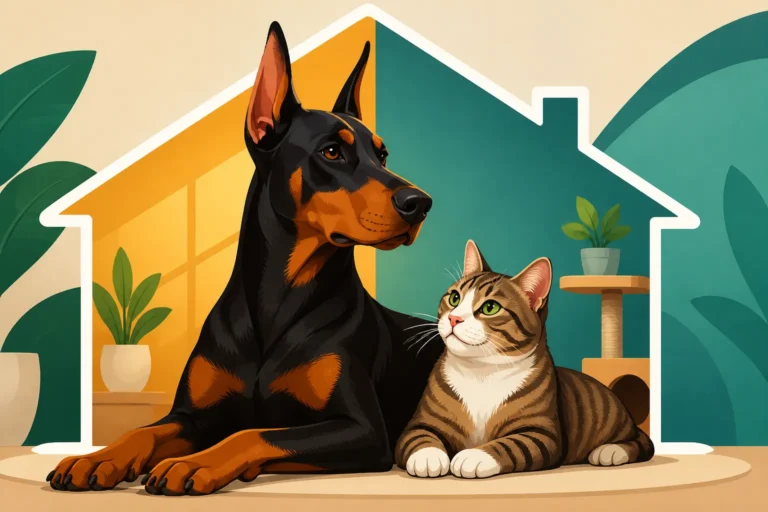
Bringing a bouncy, boisterous Doberman puppy into a home already ruled by a settled, perhaps even somewhat senior, Doberman can feel like navigating a minefield. You want both dogs to be happy, safe, and eventually, the best of friends, but the reality is often a whirlwind of new energy meeting established routines. This guide will walk you through preparing your home, managing those crucial first introductions, and fostering a peaceful co-existence between your older Doberman and the new furry whirlwind.
Understanding the Dynamics: Why Age Gaps Matter
When you decide to add a new Doberman puppy to your family, especially when you already have an older Doberman, you're not just getting another dog; you're introducing a whole new dynamic to your household. It's crucial to understand that while Dobermans are known for their strong family bonds, the age and personality differences between an adult Doberman and a puppy can create some interesting, and sometimes challenging, situations. Your older dog has a routine, established boundaries, and a sense of "their" space that a puppy, by nature, is going to completely disregard.
The Doberman Personality: Older Dog Traits
Your adult Doberman has likely settled into a comfortable routine. They know the house rules, their favorite napping spots, and the rhythm of your day. Dobermans are incredibly intelligent and observant, and they thrive on predictability. An older Doberman might be less inclined to engage in boisterous play, preferring calm companionship or a quiet chew toy. They’ve earned their stripes, so to speak, and often appreciate their peace. This can manifest as a deep devotion to you, sometimes to the point of being a "Velcro Doberman," shadowing your every move. A Doberman That Leans on You Constantly often illustrates this deep bond, and they may not appreciate a tiny, sharp-toothed creature suddenly invading their personal space or vying for your attention.
Their social skills with other dogs are also well-developed, but usually with dogs they know and trust. A stranger, especially a tiny, excitable one, can be a lot for them to process. Think of it like a seasoned grandparent suddenly having a toddler underfoot all day – there's love there, but also a need for quiet time and respect for their established ways. They might be patient to a point, but their tolerance will have limits, and it's your job to ensure those limits aren't constantly pushed by an oblivious puppy.
Puppy Energy vs. Senior Serenity
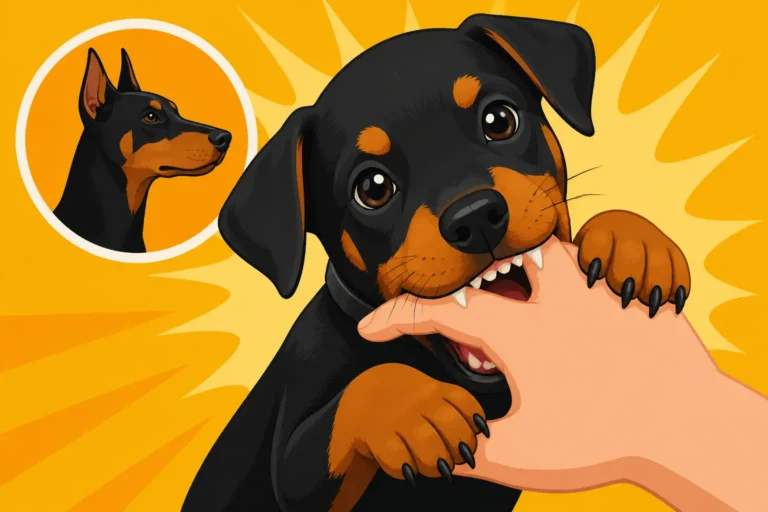
A Doberman puppy is a bundle of unadulterated energy, curiosity, and boundless enthusiasm. They want to play, chew, explore, and demand attention almost constantly. Their worldview is all about discovery, and they haven't yet learned the subtle cues of an older, more reserved dog. This means they might pounce on your older Doberman, try to chew their ears, steal their toys, or invade their bed without a second thought. This isn't malicious; it's just puppy behavior.
For your older Doberman, this incessant energy can be annoying, startling, or even painful if the puppy’s play is too rough. What an older dog might perceive as rude or aggressive, the puppy sees as an invitation to play. This mismatch in energy levels is one of the biggest challenges. Your older dog might simply retreat, which is fine, but they could also snap or growl to set boundaries. While a quick correction is normal, you want to prevent prolonged stress or any actual injury. Remember, A Doberman That Tests Every Rule at Ten Months is likely to escalate these behaviors as they grow, so setting good habits early is key.
Preparing Your Home for Double the Doberman Fun
Before the new Doberman puppy even sets a paw in your home, getting your living space ready is paramount. It’s not just about having enough dog beds; it’s about creating an environment where both your established Doberman and the new arrival can feel secure, comfortable, and have their needs met without constant conflict. This preventative work will save you a lot of headaches down the line and help foster a positive relationship from day one.
Setting Up Separate Spaces
One of the most critical steps is ensuring each Doberman has their own sanctuary – a place where they can retreat and feel safe from the other. This is especially important for your older Doberman, who will need respite from the puppy's relentless energy. A crate is an invaluable tool for both dogs. For the puppy, it becomes their den for sleeping, quiet time, and helps with house training. For the older dog, a dedicated crate or a specific room where the puppy isn't allowed offers a much-needed break. Choosing a Crate for a Doberman and finding Crate Sizing for a Doberman at Full Height is an excellent investment for training and peace of mind.
Consider baby gates or exercise pens to physically separate areas of your home. You might want to create a "puppy zone" in one room and keep your older Doberman's favorite napping spot off-limits to the puppy. This allows for visual interaction without constant physical contact, letting them get used to each other's presence. These separate spaces also come in handy during feeding times or when you need to leave the dogs alone for short periods. This prevents resource guarding issues before they even begin.
Essential Gear for Two Dobermans
Beyond crates and gates, you'll need to double up on certain supplies, and even consider some specialized items. Each dog should have their own food and water bowls, placed in their designated eating areas. This prevents competition and allows you to manage their individual diets effectively, especially if your older Doberman has specific dietary needs. It also helps prevent resource guarding over food.
Here's a quick checklist of essentials to double up on:
| Item | Purpose | Notes |
|---|---|---|
| Food Bowls | Individual feeding, prevents guarding | Consider slow-feeder bowls for the puppy to prevent gulping. |
| Water Bowls | Always accessible to both, prevents competition | Multiple bowls around the house are a good idea. |
| Dog Beds | Separate resting spots, personal space | Orthopedic for older dog, durable for puppy. |
| Leashes & Collars | Individual walks and training | Ensure proper fit for both, especially a growing puppy. |
| Toys | Prevents sharing disputes, caters to preferences | Durable chews for the puppy, cherished toys for the older dog. |
| Treats | For training and rewards | Different types/sizes appropriate for age and chewing strength. |
| Grooming Tools | Brushes, nail clippers | Keeps individual hygiene separate. |
You might find durable chew toys from popular retailers like Amazon incredibly useful for the puppy to redirect their chewing instincts away from your furniture – or your older Doberman's ears! For training, having separate sets of treats and training tools ensures you can work with each dog individually without the other becoming jealous or distracted. Online resources like BAXTER & Bella also offer fantastic puppy training programs that can guide you through these initial stages with both dogs in mind.
The Introduction: Making First Meetings a Success
The initial meetings between your Doberman puppy and your older Doberman are critical. These aren't just casual hellos; they are the foundation for their future relationship. Rushing these introductions or not managing them properly can lead to fear, resentment, or even aggression, which is much harder to undo later. The goal is to create positive, calm experiences where both dogs feel safe and unthreatened.
Neutral Territory First Impressions
Your home is your older Doberman's castle, filled with their scent and territory. Bringing a new puppy straight into this space can be overwhelming and immediately trigger possessive instincts. Instead, arrange their very first meeting on neutral territory – a park they don't frequent, a friend's fenced yard, or even just a different street. Both dogs should be on leash, controlled by separate handlers. This ensures safety and prevents either dog from feeling cornered or territorial.
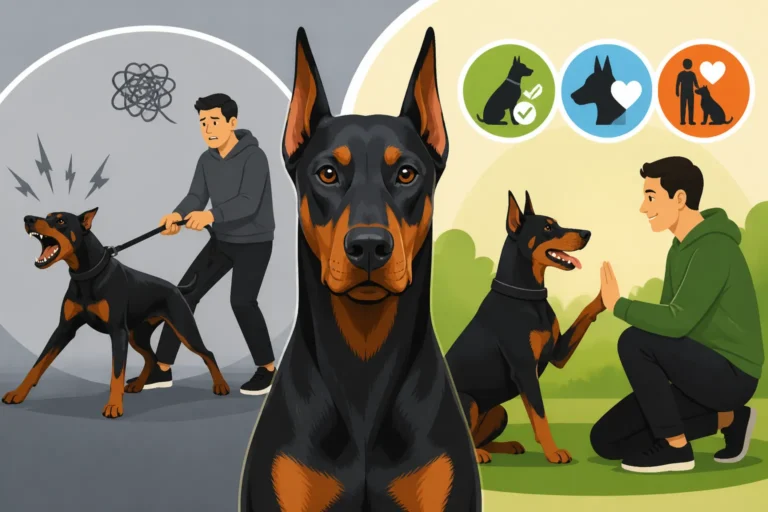
Start with parallel walking, keeping a comfortable distance. Allow them to observe each other from afar, getting used to the sight and smell. Avoid direct, head-on greetings initially, which can be confrontational in dog language. As they appear more relaxed, you can gradually decrease the distance, always observing their body language. Look for loose bodies, wagging tails (not stiff flags), sniffing, and relaxed ears. Avoid any tension, stiffness, direct staring, or lip licking. Keep these first interactions short and positive, ending on a good note before either dog gets overstimulated or stressed. A quiet sniff and then moving on is much better than a prolonged, tense interaction.
Supervised Integration and "Time-Outs"
Once they've had a few successful, calm introductions on neutral ground, you can begin to introduce them to your home, but always with strict supervision. Keep the puppy on a drag leash initially, even indoors, so you can easily guide them away if they become too intrusive. Let your older Doberman approach the puppy on their terms. Don't force interaction. Reward calm behavior from both dogs with praise and high-value treats.
The key here is active supervision. This means no leaving them alone together, even for a moment, in the early stages. Remember those separate spaces we talked about? This is where they shine. If the puppy is getting too much for the older dog, or if the older dog needs a break, use your gates or crates to provide a "time-out" for either dog. Hours a Doberman Can Be Left Alone together are zero in the beginning. It's about teaching the puppy respect and giving the older Doberman peace.
Table: Signs of Stress vs. Relaxation During Introductions
| Behavior | Indicates | What to Do |
|---|---|---|
| Relaxation | ||
| Loose body, soft gaze | Comfort, acceptance | Continue gentle interaction, reward both dogs. |
| Play bow, relaxed wag | Invitation to play | Allow brief, supervised play; intervene if it escalates. |
| Sniffing ground, yawning | De-escalation, comfort | Good sign, means they're trying to communicate peacefully. |
| Mutual sniffing | Curiosity, polite greeting | Allow brief, calm sniffing. |
| Stress/Tension | ||
| Stiff body, hard stare | Warning, discomfort | Separate immediately, increase distance, re-evaluate next steps. |
| Lip licking, yawning (rapid) | Stress, appeasement | Give space, don't force interaction. |
| Growling, snapping | Clear boundary, strong discomfort | Separate immediately, do not punish the growl. Seek professional help if severe. |
| Tail tucked, backing away | Fear, avoidance | Do not force interaction; give the fearful dog space. |
| Puppy constantly pestering | Overstimulation, lack of respect | Intervene, give puppy a "time-out" in their crate. |
If you notice any signs of discomfort or aggression, calmly separate the dogs and try again later, perhaps with more distance between them. Never punish your older Doberman for growling or snapping at the puppy; they are communicating their boundaries. Punishing them can make them escalate their behavior without warning in the future. If you find yourself needing to repeatedly Breaking Up a Fight Between Dobermans, it's a clear sign you need to slow down the introduction process and potentially consult a professional dog trainer or behaviorist.
Managing Daily Life with a Multi-Doberman Household
Once the initial introductions are over and both your Dobermans are coexisting, your job isn't done! Living with two Dobermans, especially one significantly older than the other, requires ongoing management, clear communication, and consistent routines. The aim is to integrate the puppy into the family unit while still respecting the established position and needs of your older dog. This takes patience and proactive planning.
Feeding Time Strategies
Feeding time can be a flashpoint in any multi-dog household, and it's particularly important to manage with Dobermans, who can be very focused on resources. To avoid any potential squabbles or resource guarding, always feed your Dobermans separately. This could mean feeding them in different rooms, using their crates, or putting up baby gates between them. This eliminates competition and allows both dogs to eat at their own pace without stress.
Ensure each dog has their own designated bowl. You might find it useful to feed the older dog first, as a sign of respect for their established status, or at least ensure they are settled before the puppy gets their meal. If your older Doberman is a slow eater or has a special diet, this separation is even more critical. Keep an eye on the puppy to prevent them from trying to steal food from the older dog, a common puppy behavior. If your Doberman tends to gulp their food, consider using a slow-feeder bowl. Remember to factor in age and activity levels when portioning food, as Daily Calories for an Adult Doberman will differ significantly from a growing puppy. You might also want to read Splitting a Doberman's Meals Around Exercise for tips on preventing bloat, a risk in the breed.
Training Both Dogs Effectively
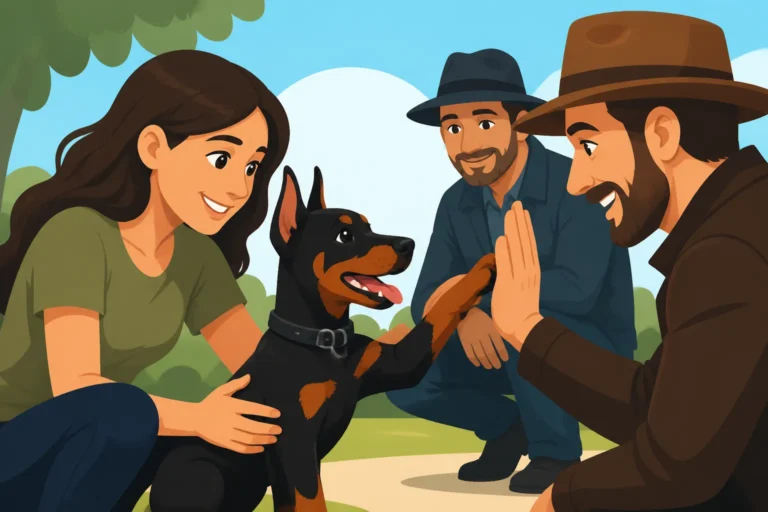
Training is a continuous process for any Doberman, but with a puppy and an older dog, it becomes a balancing act. Your puppy needs consistent, positive reinforcement training to learn basic manners, house rules, and socialization skills. Teaching a Doberman Puppy to Ask to Go Out is vital for house-training, and Exposing a Doberman Puppy to Strangers and new experiences will build their confidence. Utilizing structured programs like BAXTER & Bella can provide excellent guidance for puppy fundamentals.
While the puppy is learning, it's also important not to neglect your older Doberman. Continue to engage them in training exercises they know and enjoy. This reinforces their bond with you, keeps their minds active, and reminds them they are still valued members of the family. You can even use your older Doberman as a calm role model for the puppy, rewarding both dogs when they perform a command together or simply coexist peacefully. Short, individual training sessions are best, especially for the puppy, whose attention span is shorter. Remember that Why a Clever Doberman Is Harder to Train can apply to both ages, as their intelligence means they can outsmart you if you're not consistent.
Exercise and Play for Different Needs
Dobermans, regardless of age, need exercise, but the type and intensity of that exercise will vary greatly between a puppy and a senior dog. Your puppy needs bursts of high-energy play and mental stimulation to burn off steam and develop properly. This might include short fetch sessions, supervised play with appropriate toys, or puppy classes. However, excessive, high-impact exercise can be detrimental to a growing Doberman's joints.
Your older Doberman, on the other hand, might prefer gentler walks, sniffing excursions, or a quiet game of tug. They might not be able to keep up with a puppy's boundless energy, and forcing them to can lead to injury or resentment. It's crucial to schedule separate exercise times. Take the puppy out for their vigorous play sessions while the older dog rests, and then dedicate time to a calmer walk or activity with your senior Doberman alone. This ensures both dogs get their needs met without compromising the comfort or health of the other. Rotating toys, providing individual chew items from Amazon, and offering puzzle feeders can also help manage energy levels and keep both dogs mentally engaged.
Disclaimer
This article is for general informational purposes only and does not constitute professional advice. Laws, prices and regulations vary by location and change over time. Consult a qualified professional for guidance on your specific situation.