What a Doberman Does When Someone Knocks
Doberman door reactions stem from 19th-century guarding instincts and heritage, explaining why the breed barks at knocks.
Work with the temperament you have.
House-training and crate work, recall, leash manners, separation anxiety, and the behaviors this breed is wired for.
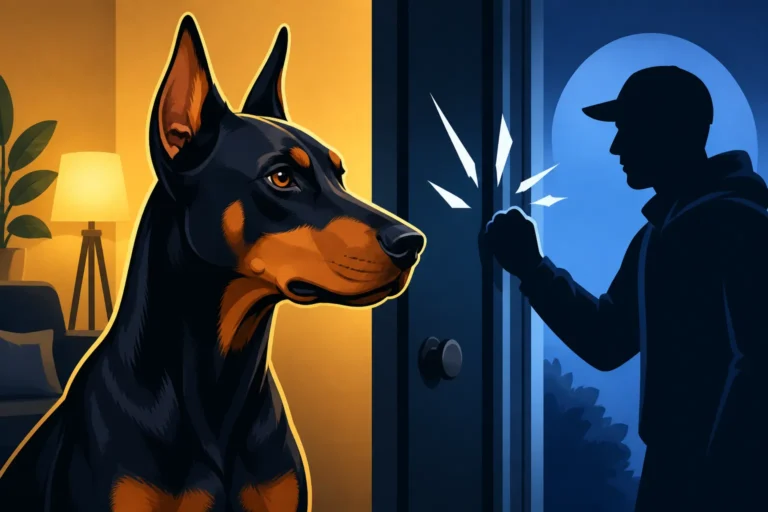
Doberman door reactions stem from 19th-century guarding instincts and heritage, explaining why the breed barks at knocks.
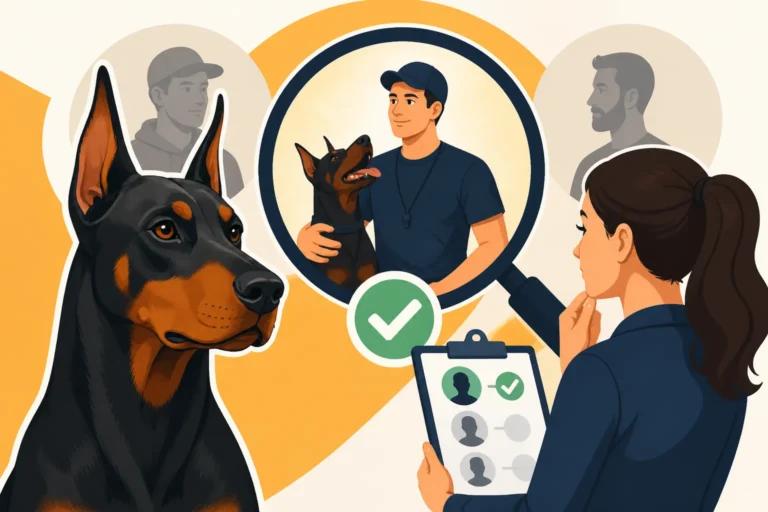
Finding a trainer with Doberman experience helps owners manage behavioral challenges and build a harmonious relationship.
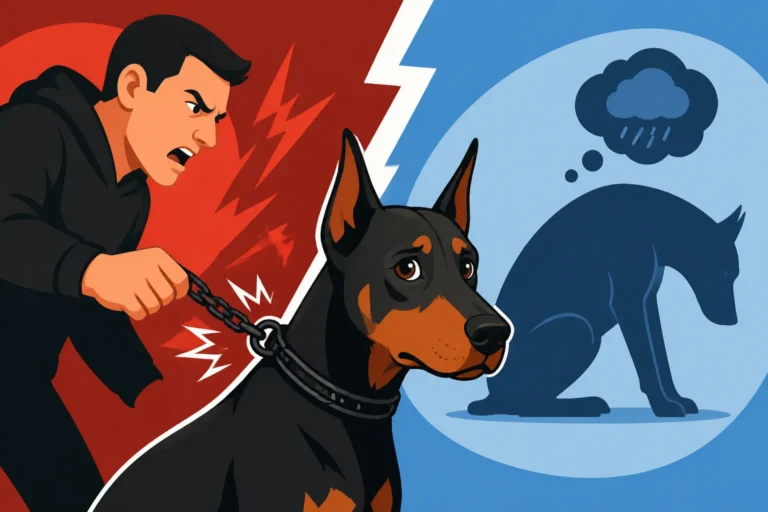
Heavy corrections sabotage Doberman training by fracturing trust and creating negative associations, leading to anxious or defensive behavior.

Doberman training rewards and natural drives help owners motivate intelligent dogs using high-value treats, toys, and tug sessions.

Doberman mental stimulation prevents destructive behaviors and household chaos by satisfying high intelligence through daily brain games.
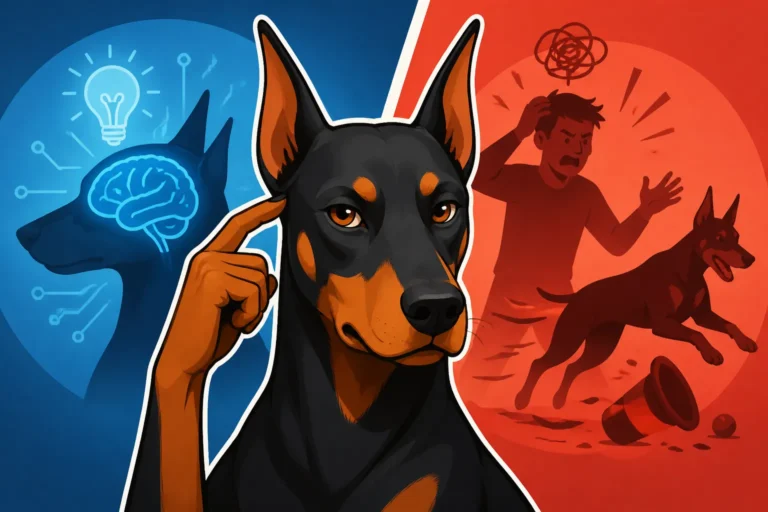
Doberman intelligence creates training challenges because clever dogs quickly learn unwanted habits and easily experience boredom.
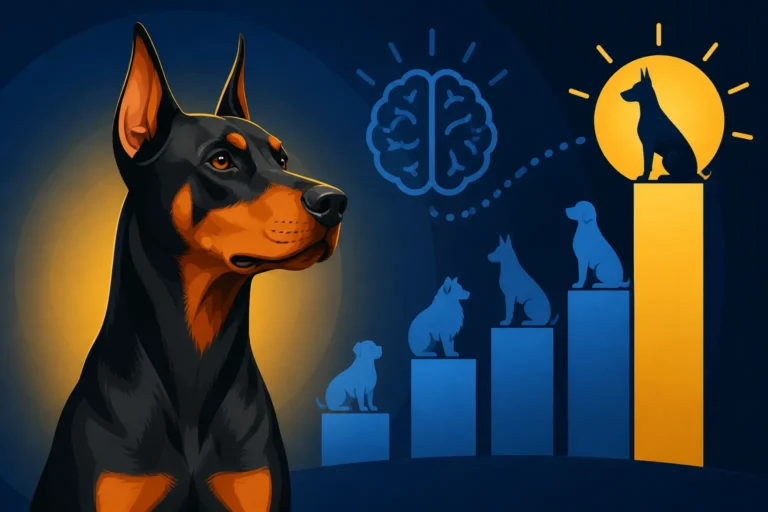
Doberman intelligence rankings, instinctive traits, and working ability explained through Stanley Coren research from nineteen ninety-four.

Doberman bonding patterns and family loyalty examined through Karl Friedrich Louis Dobermann and socialization.
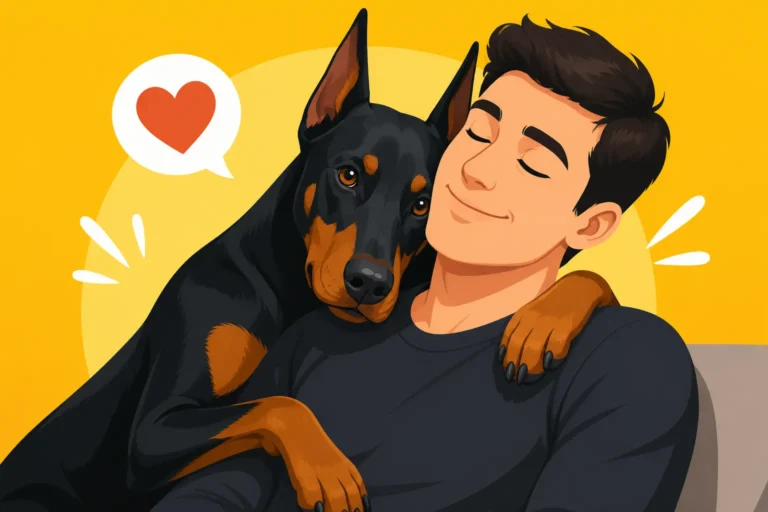
Doberman leaning behavior stems from historical protective instincts, strong loyalty, and an innate need for human connection.
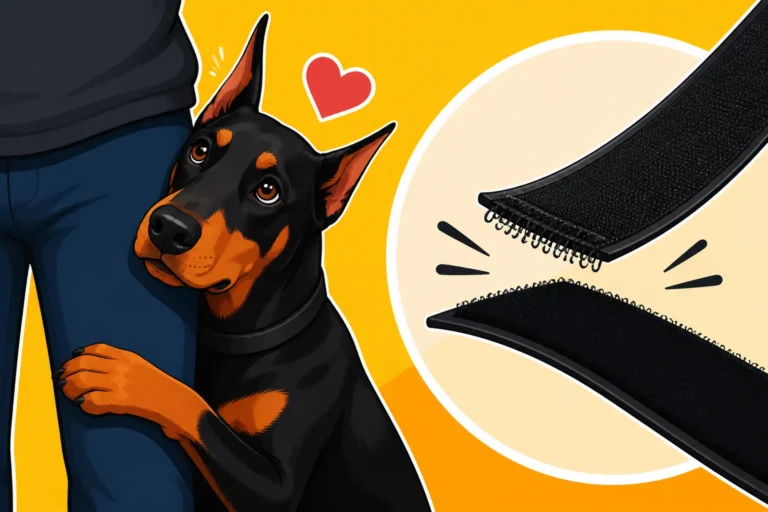
The Velcro Doberman nickname stems from historical breeding for protection, natural guarding instincts, and emotional sensitivity.