A Doberman That Leans on You Constantly
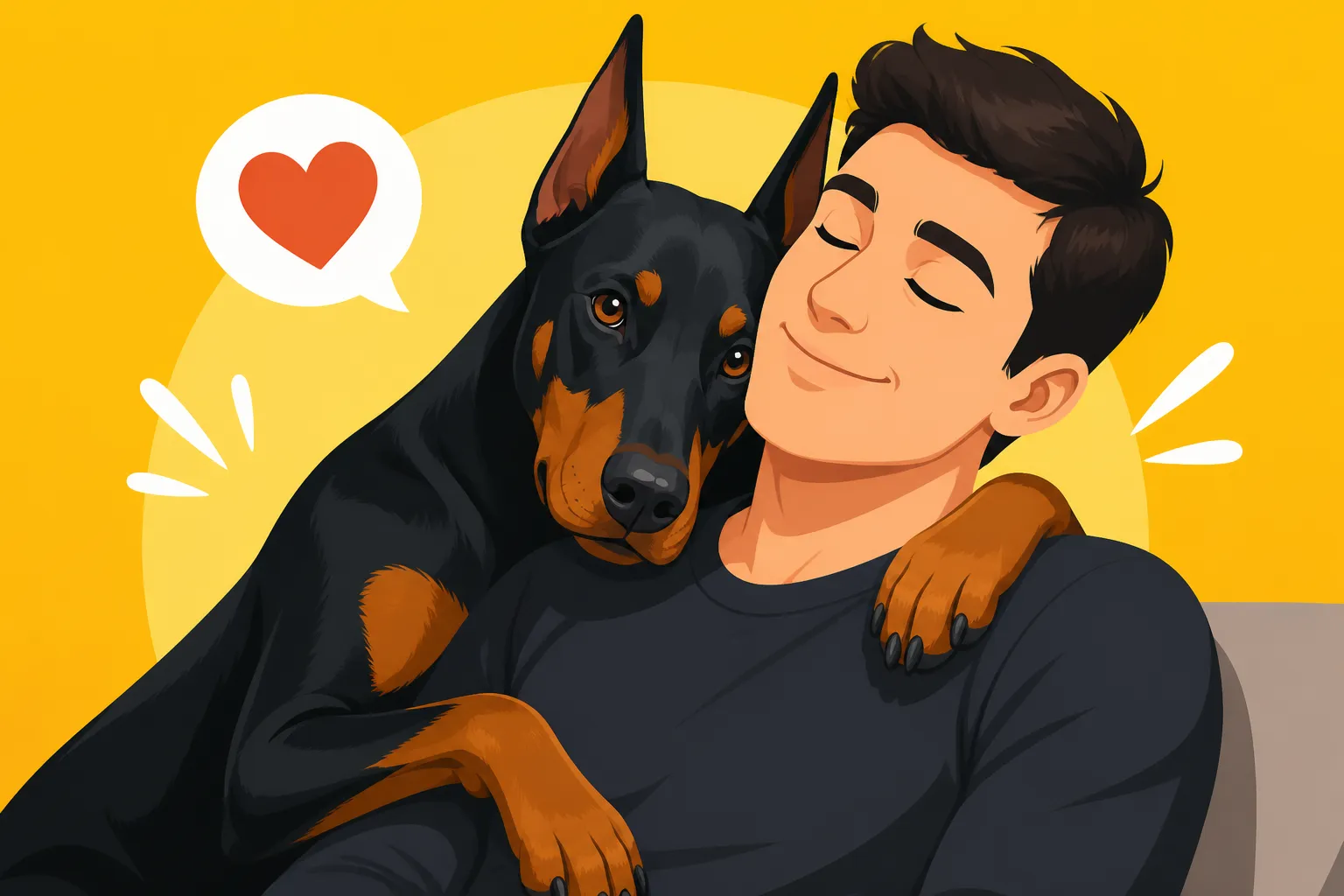
Oh, the Doberman lean! If you've ever owned one of these magnificent dogs, you know exactly what I'm talking about. It's that endearing, sometimes slightly inconvenient, moment when your Doberman slowly, deliberately, melts their eighty pounds of muscle and affection right into your legs. While it might feel like they're trying to physically merge with you, this guide is here to help you understand why your Doberman leans so much and how to navigate this incredibly common, often cherished, behavior in a way that benefits both of you.
The Roots of the "Velcro" Phenomenon in Dobermans
The term "Velcro Doberman" isn't just a cute nickname; it's a deeply accurate descriptor for a breed known for its intense loyalty and desire to be constantly by its owner's side. This isn't a flaw in their temperament; it's a fundamental part of who they are, woven into their very history and genetic makeup. Understanding these roots helps us appreciate the leaning for what it is—a genuine expression of their breed characteristics.
Historical Purpose and Instinctual Drives
To truly grasp why your Doberman feels the need to lean, we need to glance back at their origins. Karl Dobermann, the breed's creator, was a tax collector and night watchman who needed a personal protector. He wasn't just looking for a fierce guardian, but one that was intrinsically bonded to him. This close bond was paramount for a dog whose primary role was to stay vigilant and act as an extension of its owner's will, often in dangerous situations. The Doberman's protective instincts are inherently tied to their desire to be physically close to their person. They weren't bred to roam independently or guard a perimeter from afar; they were bred to be a shadow, a bodyguard that was always within reach. This historical context explains a lot of the clinginess we see today. They literally feel safest and most effective when they are right there, by your side, or, in many cases, leaning on you. It’s an inherited trait, a silent communication of their readiness to protect and their deep attachment.
The Doberman's Innate Need for Connection
Beyond protection, Dobermans have an incredibly strong drive for companionship and connection. They thrive on interaction and being part of the family unit, often seeking out physical touch as a primary form of bonding. For many Dobermans, leaning is their way of saying, "I'm here, I love you, and I feel secure with you." It’s not just about protection; it’s about affection and belonging. Think about a time you’ve been sitting on the couch, and your Doberman has slowly but surely nudged their way closer until they’re practically on your lap, or at least heavily pressed against your side. This isn't just about finding a comfy spot; it's an intentional act of closeness. This innate need for connection means that for a Doberman, being physically connected to you is a source of immense comfort and joy. It's a testament to the strong bond they form with their people, often to one specific family member more intensely than others, which is why you might notice A Doberman That Shadows One Family Member more than others. They feel most complete when they are physically connected, a true "Velcro Doberman" through and through, as explored in Where the Velcro Doberman Nickname Comes From.
Decoding Your Doberman's Lean: What Are They Trying to Say?
While the core reason for leaning is connection, the type of lean and the context around it can tell you a lot about what your Doberman is feeling or trying to communicate at that specific moment. It’s a nuanced form of body language that, once understood, can deepen your relationship.
The Comfort and Affection Lean
This is perhaps the most common and easily recognizable lean. It's typically a gentle, prolonged pressure, often accompanied by a soft sigh, relaxed posture, or a happy gaze. Your Doberman might press their entire body against your legs while you're standing, or slowly collapse against you when you're sitting. This lean is pure affection and comfort. It's their way of showering you with love, seeking reassurance, and expressing contentment in your presence. They might be letting you know how much they appreciate being near you, especially after a long day or when you've just returned home. This kind of leaning often feels warm and reassuring to us as owners, a physical manifestation of their devotion. It's the Doberman equivalent of a long hug, communicating deep trust and emotional connection.
The Seeking Reassurance or Security Lean
Sometimes, a Doberman's lean isn't just about affection; it's about drawing strength and comfort from you. If you're in a new or slightly overwhelming environment – perhaps a busy park, a vet's waiting room, or a gathering with unfamiliar faces – your Doberman might press into your leg with more intensity, their body language a little stiffer. This lean signals "I'm a little unsure, please tell me everything is okay." They are literally using your body as an anchor, seeking your calm energy and protection. This is particularly common in younger Dobermans still navigating the world, or even older dogs encountering something novel or slightly intimidating. A quick glance down, a gentle word, or a reassuring hand on their back can go a long way in validating their feelings and letting them know you're there. They lean on you because they trust you implicitly to keep them safe, leaning into your strength to feel more secure.
The "I Need Something" Communication Lean
Beyond comfort and reassurance, a Doberman might also use the lean as a subtle, or not-so-subtle, way to communicate a specific need. This lean often feels more direct and purposeful. They might nudge their head under your hand while leaning, or even give a slight push. Are they trying to tell you it's dinner time? Do they need to go out for a potty break? Are they hoping for a walk, or perhaps a belly rub? If your Doberman leans and then looks expectantly at the door, their food bowl, or at a toy, they're likely trying to initiate an activity. This is where their intelligence shines; they learn that physical contact with you often leads to desired outcomes. It's a gentle form of persuasion, leveraging their physical presence to get your attention and convey a request. Observing the context and pairing it with other subtle cues, like a specific whine or a glance, can help you quickly decipher what they’re asking for.
Here's a quick table to help distinguish between different types of leaning:
| Type of Lean | Doberman's Body Language | Owner's Feeling | Likely Communication | Appropriate Response |
|---|---|---|---|---|
| Affection/Comfort | Relaxed, soft, gentle pressure, slow merge | Warm, loved, appreciated | "I love being near you. I feel safe." | Gentle petting, soft words, return affection. |
| Reassurance/Security | Stiffer, more insistent pressure, looking up | Protective, needed, anchor | "I'm a bit unsure. Please protect me." | Calm voice, physical touch, redirect attention. |
| Seeking Attention/Need | Direct nudge, push, looking at object | Understood, requested, guided | "I want/need X (walk, food, potty)." | Identify need, then act or redirect. |
| Overwhelmed/Anxious | Trembling, intense pressure, panting, hyper-vigilant | Concerned, empathetic, observant | "I'm feeling overwhelmed/scared, help." | Remove from situation, calm reassurance, positive redirection. |
When Leaning Becomes Overwhelming: Recognizing the Challenges
While a Doberman's lean is generally endearing, there are times when it can become a bit much, potentially leading to physical challenges or indicating underlying behavioral issues that need attention. It's important to differentiate between a charming habit and a habit that needs gentle redirection.
Managing Physical Obstruction and Safety
Let’s be honest, an eighty-pound Doberman leaning into your legs can be a tripping hazard! It’s all too common to be walking through the kitchen, only to find yourself momentarily off-balance as your loyal companion decides right then is the perfect time for a full-body lean. This isn't just annoying; it can be genuinely dangerous, especially if you're carrying something heavy, navigating stairs, or have children in the house who could also be knocked off balance. For example, my Doberman, Max, once sent a tray of freshly baked cookies flying because he decided to lean against my legs as I was turning from the oven. Luckily, only the cookies suffered! It’s crucial to establish some boundaries, not to diminish their affection, but to ensure everyone's safety. This might mean teaching a "four on the floor" rule in certain areas or gently redirecting them with a verbal cue when their lean puts you at risk. We can appreciate their desire for proximity without sacrificing our equilibrium.
Distinguishing Normal Clinginess from Anxiety
The Doberman is affectionately known as a "Velcro dog," and their natural inclination is to be physically close to their owners. This is normal, and often charming. However, there’s a fine line between a dog who prefers to be close and one who cannot cope with any distance. If the leaning is accompanied by other signs of distress when you try to create space—like whining, pacing, destructive behavior when left alone, or hyper-vigilance—it might be pointing towards separation anxiety or an over-attachment issue. A truly confident Doberman will enjoy your presence but also be comfortable existing independently in the same room, perhaps settling on their bed rather than always draped over your feet. We don't want to accidentally foster a dependence that makes them anxious when you’re not physically touching them. Observe other behaviors: does your Doberman seem to panic if you go to another room? Does A Doberman That Screams the Moment the Door Shuts sound familiar? This level of distress goes beyond simple affection and might warrant a closer look at their overall confidence and training.
Impact on Socialization and Independence
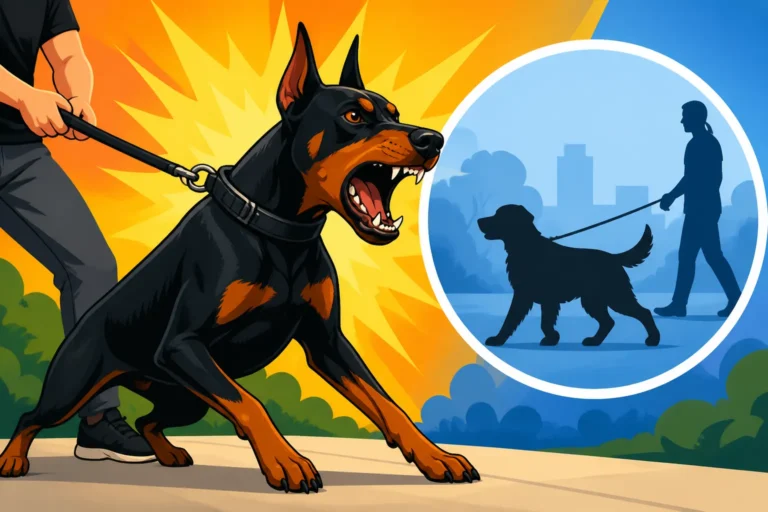
While a strong bond with your Doberman is wonderful, an excessive need to lean and be constantly physically connected can inadvertently hinder their ability to develop independence and interact confidently with the wider world. If your Doberman is always glued to your side, using you as a literal shield, they might not learn to confidently greet other people or dogs, explore new environments, or settle calmly on their own mat at a cafe. They may become overly reliant on your physical presence for their security, rather than building their own internal coping mechanisms. This can sometimes manifest as a Doberman who is wary rather than confident when meeting new people or experiencing new things, always seeking to press into you rather than engaging. Our goal should be to raise a Doberman who chooses to be close because they love us, not one who has to be close because they fear being without us. Building confidence through varied experiences and positive reinforcement, rather than constant physical reassurance, is key for their holistic development.
Gentle Strategies to Foster Independence and Confidence
Encouraging a healthy level of independence in your Doberman doesn't mean pushing them away; it means building their self-assurance so they can be comfortable and confident both with and without your direct physical presence. It’s about balance and teaching them that you are always there, even when you aren’t touching.
Reinforcing a "Place" Command and Boundary Training
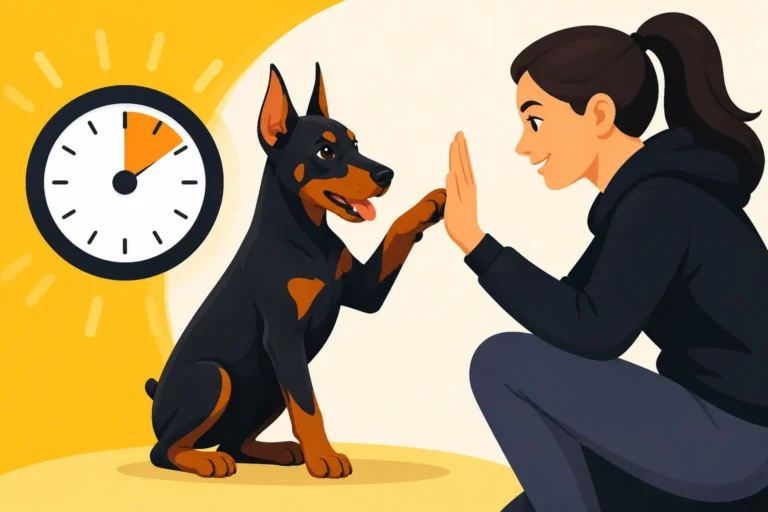
One of the most effective tools for managing excessive leaning and fostering independence is the "place" command. This teaches your Doberman to go to a designated spot—like a dog bed, mat, or crate—and remain there until released. It gives them a job and a clear boundary, which can be incredibly reassuring for a Doberman, as they thrive on structure. Start by rewarding them heavily for going to their place and staying there, even for short durations. Gradually increase the distance you move away and the time they are expected to stay. When they are on their place, they learn to settle independently, even if you're moving around the room. For instance, if you're cooking dinner, instead of having them underfoot, you can direct them to their bed with a "place" command. This not only keeps them safe but also teaches them to relax without constantly leaning on you. Consistent practice is vital, and many online platforms, like BAXTER & Bella, offer excellent virtual puppy and dog training programs that walk you through these commands step-by-step. Their structured approach can be incredibly helpful for owners needing guidance on Teaching a Doberman to Settle in Another Room or Building a Doberman Puppy That Is Confident, Not Sharp.
Enriching Your Doberman's Environment with Mental Stimulation
A Doberman’s mind is incredibly active, and often, excessive leaning or clinginess can stem from a lack of sufficient mental exercise. A bored Doberman is more likely to seek constant physical contact out of habit or as a way to engage with you. Providing ample opportunities for mental stimulation can redirect this energy and encourage them to occupy themselves independently. Think beyond just physical walks; incorporate puzzle toys, scent work, and trick training into their routine. For example, a KONG toy stuffed with frozen peanut butter or a snuffle mat filled with their kibble can keep them happily engaged for a good chunk of time, all while they're on their own mat or bed. Puzzle Work That Actually Tires a Doberman is invaluable for this breed. You can find a wide variety of interactive toys on platforms like Amazon that challenge their intellect. When their minds are stimulated, they are less likely to feel the need for constant physical interaction and can develop a more robust sense of self-sufficiency. This also helps with Training a Doberman That Is Smarter Than You Expect, turning their intelligence into an asset for independence.
Structured Interactions and Alone Time Training
To truly foster independence, you need to be intentional about how you interact with your Doberman and how you manage their alone time. Instead of always reacting to their leans for attention, start initiating interactions on your terms. Call them over for a cuddle, play a game, or offer a training session. This teaches them that attention is freely given, not something they must demand through constant physical contact. Equally important is gradually increasing their comfort with being alone. Start with very short durations—just stepping out of the room for a minute, then coming back before they show any signs of distress. Slowly extend these periods. Don’t make a big fuss when you leave or return; keep it calm and low-key. The goal is for them to learn that your absence is temporary and not a cause for panic. This isn't about ignoring them, but about teaching them a healthy rhythm of presence and absence. As discussed in Living With a Doberman That Follows You Everywhere, gradual desensitization to your absence is key to developing a dog who is secure in their own space.
Training Tools and Resources to Support Your Doberman's Growth
Training a Doberman, especially one prone to intense bonding and leaning, requires consistency, clear communication, and the right tools. It’s not about breaking their spirit or dampening their affection, but about channeling their intelligence and loyalty into a well-mannered, confident companion.
Utilizing Positive Reinforcement Techniques
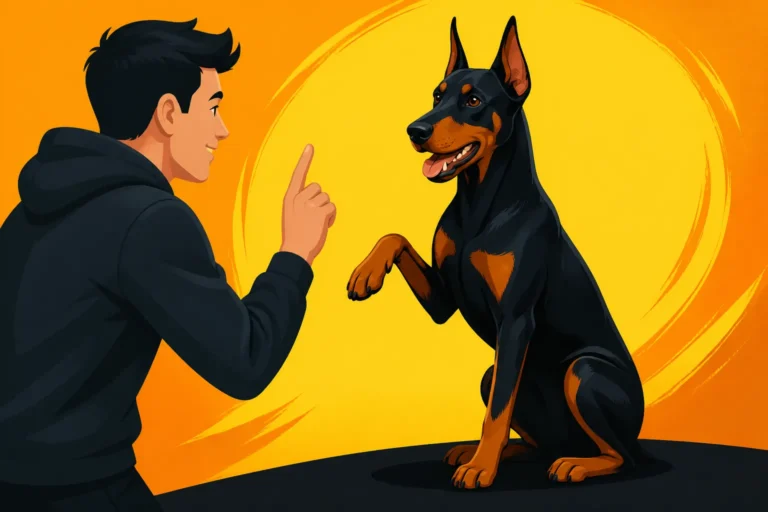
Dobermans are highly intelligent and incredibly sensitive. They respond best to positive reinforcement, where desired behaviors are rewarded, making them more likely to be repeated. Harsh corrections or punishment can easily shut a Doberman down, making them anxious and potentially more clingy, as they seek reassurance from their primary caregiver. When addressing leaning, for instance, if your Doberman leans on you while you're standing and you don't want them to, gently redirect them with a cue like "off" or "place," and then reward them for moving to their designated spot or for simply standing beside you without leaning. Use high-value treats, praise, or a favorite toy as rewards. This teaches them what to do instead of just punishing what not to do. For a breed that forms such strong bonds, positive reinforcement strengthens that bond built on trust and mutual respect, which is crucial for Correcting a Doberman Without Breaking It. Remember, consistency is your best friend here. Every family member needs to be on board with the cues and rewards to avoid confusing your smart Doberman.
Professional Guidance and Online Programs
While many Doberman owners successfully navigate these behaviors on their own, there’s absolutely no shame in seeking professional help, especially if the leaning is excessive, difficult to manage, or coupled with signs of anxiety. A qualified dog trainer or behaviorist experienced with Dobermans can provide personalized strategies tailored to your dog's specific needs and temperament. They can observe your interactions and identify subtle cues you might be missing. If in-person training isn't feasible, online programs can be an invaluable resource. Companies like BAXTER & Bella offer comprehensive online puppy and dog training courses that cover everything from basic obedience to more complex behavioral issues, often with live Q&A sessions and personalized support. These programs allow you to learn at your own pace from the comfort of your home, and they are excellent for addressing the "Velcro" nature of Dobermans. Additionally, there are many reputable books and online communities that provide guidance and support. Don't underestimate the power of shared experience and expert advice, particularly when dealing with such a devoted and intelligent breed. Learning What Doberman Owners Wish They Had Started Earlier can help you proactively address potential challenges before they escalate.
Disclaimer
This article is for general informational purposes only and does not constitute professional advice. Laws, prices and regulations vary by location and change over time. Consult a qualified professional for guidance on your specific situation.