Feeding a Doberman Whose Liver Stores Copper
It’s a deeply worrying moment when you learn your beloved Doberman has a liver condition, especially one as serious as copper storage hepatopathy. This disease means your Doberman's body isn't processing copper properly, leading to a build-up in the liver that can cause significant damage and even liver failure if not managed. This guide will walk you through exactly how to approach feeding your Doberman to support their liver and minimize copper accumulation, offering practical strategies and insights to help you navigate this challenging diagnosis.
Decoding Copper Storage Hepatopathy in Your Doberman
Understanding what's happening inside your Doberman's body is the first step toward effective management. Copper storage hepatopathy, sometimes called copper toxicosis, is a genetic predisposition that affects certain breeds, and our Dobermans are unfortunately among them. It's not just about what they eat, but how their unique biology handles essential minerals.
What Happens When a Doberman's Liver Stores Too Much Copper
Normally, copper is an essential trace mineral that dogs need in small amounts for various bodily functions, including enzyme activity, iron metabolism, and pigment formation. When a dog consumes copper, it's absorbed from the gut and transported to the liver. The liver then uses what it needs and excretes the excess into bile, which is passed out of the body through feces. It’s a beautifully balanced system designed to prevent both deficiency and overload.
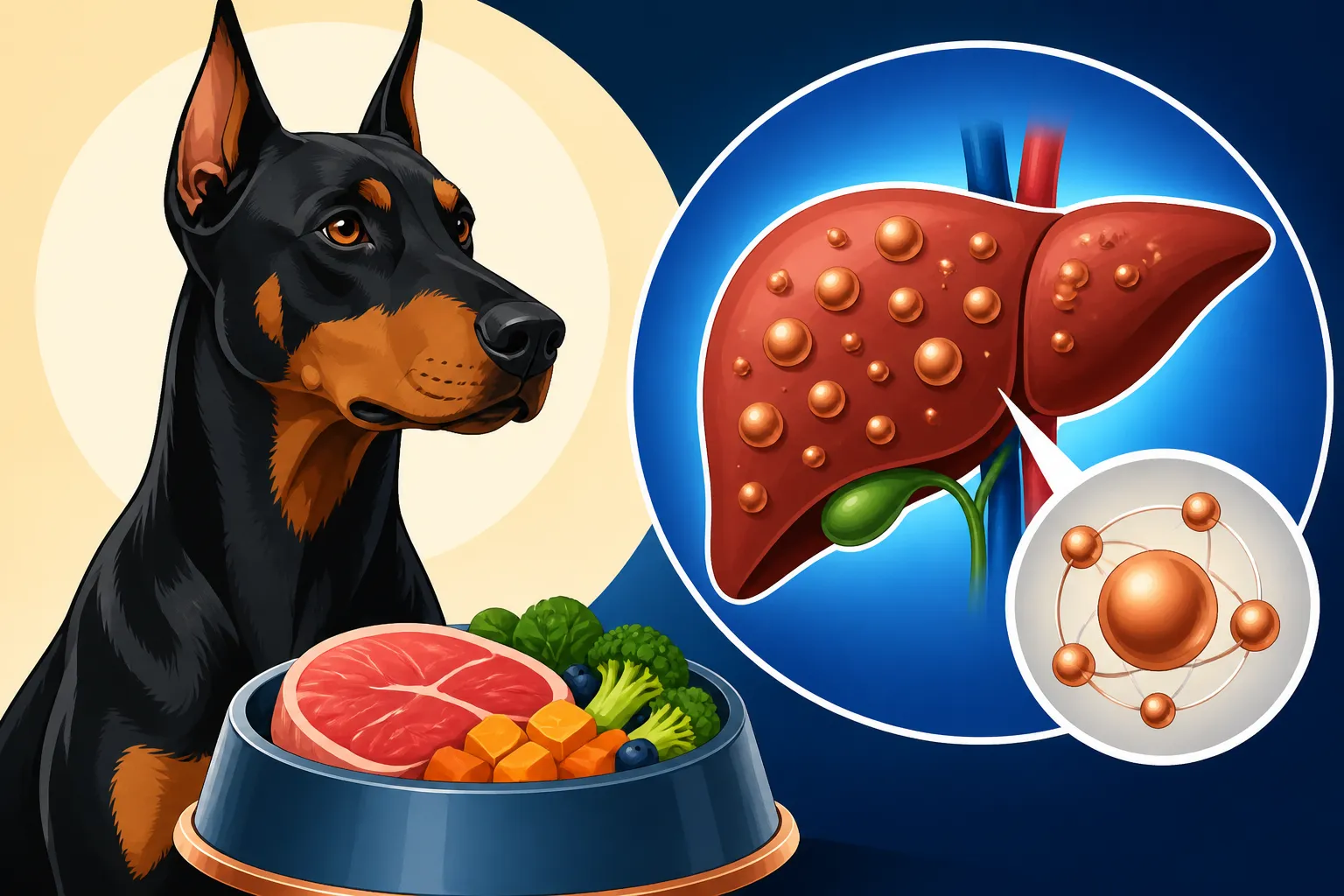
However, in Dobermans with copper storage hepatopathy, this delicate balance goes awry. Their livers don't excrete copper efficiently, meaning that instead of being eliminated, the copper starts to accumulate within the liver cells. Imagine a leaky bucket where water keeps flowing in, but the drain is partially blocked – eventually, the bucket overflows. This build-up is insidious; it happens slowly over time, often without any outward signs in the early stages. As the copper levels rise, it becomes toxic, causing oxidative stress and inflammation that damage the liver cells, leading to hepatitis and, if unchecked, irreversible cirrhosis or liver failure. It's a silent threat, gradually eroding their liver health.
Why Dobermans Are Prone to Copper Accumulation
The predisposition for copper storage disease in Dobermans is genetic. While the exact genetic mechanisms can be complex and involve multiple genes, it's clear that certain lines within the breed are more susceptible. This isn't something that happens because you fed them the wrong thing for a week or two; it's a lifelong metabolic quirk. For more on this, you might find Why Doberman Livers Store Copper enlightening. It's particularly frustrating because copper is a necessary nutrient, meaning you can't simply eliminate it entirely from their diet.
The genetic component means that even if a Doberman is eating a perfectly balanced, appropriate diet, their liver might still struggle to process copper correctly. This is why routine health screening is so vital for our Dobermans. It’s not about blame; it’s about acknowledging a breed-specific vulnerability. Owners often feel a pang of guilt, wondering what they could have done differently, but this condition is largely outside of immediate dietary control until a diagnosis is made. The real control comes in managing it after diagnosis.
Recognizing the Subtle Signs of Liver Trouble
One of the most challenging aspects of copper storage hepatopathy is its stealthy progression. In the early stages, Dobermans often show no noticeable symptoms. The liver is an incredibly resilient organ and can compensate for damage for a long time. Owners might only realize something is wrong when the disease has advanced significantly, making treatment more challenging. You might notice vague signs like a slight decrease in appetite, lethargy, or intermittent vomiting that could easily be mistaken for other minor ailments.
As the disease progresses, more definitive signs may appear, such as persistent vomiting, diarrhea, weight loss despite eating, increased thirst and urination, and jaundice (a yellowing of the skin, gums, or whites of the eyes). In severe cases, neurological symptoms can develop due to toxins building up in the bloodstream that a failing liver can't filter. This underscores the importance of regular veterinary check-ups and being attuned to any subtle shifts in your Doberman's behavior or energy levels. Early detection, often through routine blood work, can make a monumental difference in the prognosis and quality of life for your Doberman. You might want to read Whether Doberman Liver Disease Can Be Caught Early to understand the nuances of early diagnosis.
The Cornerstone of Care: Low-Copper Diets
Once a diagnosis of copper storage hepatopathy is made, dietary modification becomes the cornerstone of treatment. The goal isn't to remove all copper – that's impossible and unhealthy – but to significantly reduce the dietary intake to prevent further accumulation and give the liver a chance to heal and function better.
The Science Behind Copper Restriction
The principle behind copper restriction is straightforward: if the liver is struggling to excrete copper, then reducing the amount of copper coming into the system will ease the burden. This isn't a quick fix; it's a long-term strategy that requires commitment and consistency. When copper intake is lowered, the body has less excess copper to deal with, allowing the liver to gradually process and excrete what it can, and hopefully, reduce the overall stored copper. This process can take months, sometimes even years, and requires ongoing monitoring to ensure effectiveness.
Veterinary nutritionists often explain it as trying to empty that leaky bucket. You can't fix the leak (the genetic predisposition), but you can slow down the incoming water (dietary copper) significantly, so the bucket doesn't overflow as quickly, or even starts to drain slowly. This dietary approach is usually combined with medical therapies, but without the dietary foundation, the medications will be fighting an uphill battle. It's a collaborative effort between you, your vet, and a carefully formulated diet.
Understanding Key Nutritional Targets for Liver Support
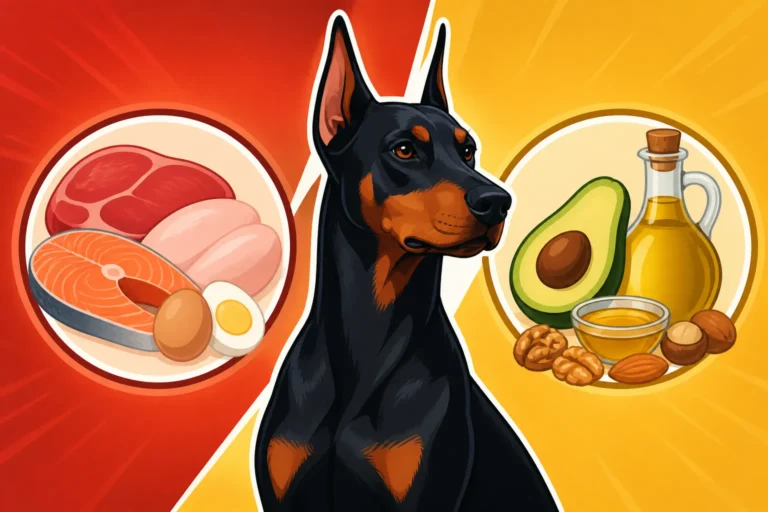
Beyond just lowering copper, a liver-supportive diet for a Doberman with hepatopathy needs to hit several other critical nutritional targets. Protein content, for example, is often a careful balance. While traditionally, low protein diets were recommended for all liver diseases, current understanding suggests that moderate, highly digestible protein is crucial for liver regeneration and muscle maintenance, unless the Doberman is showing signs of hepatic encephalopathy. The type of protein also matters, with dairy, egg, and vegetable proteins often being better tolerated than certain meat proteins.
Fat content should be moderate and easily digestible, as compromised livers can struggle with fat metabolism. Essential fatty acids, particularly omega-3s, are beneficial for their anti-inflammatory properties, which can help soothe an irritated liver. Sodium restriction is also common, especially if fluid retention (ascites) is a concern, as it helps manage blood pressure and fluid balance. Finally, adequate levels of B vitamins and fat-soluble vitamins (A, D, E, K) are important, as absorption can be affected, and some are crucial antioxidants. All these factors combine to create a diet that not only restricts copper but also actively supports liver function and overall health.
Identifying High-Copper Ingredients to Avoid
When you're trying to reduce copper in your Doberman's diet, knowledge is power. Many common ingredients are surprisingly high in copper. Organ meats like liver and kidney are particularly notorious for their high copper content and should be strictly avoided or used in extremely small, calculated amounts if recommended by a specialist. Shellfish, nuts, and certain legumes (like lentils and chickpeas) are also often high in copper. Some grains, like oats, can contain higher levels than others, though this can vary.
The challenge is that copper is ubiquitous in many healthful ingredients. Therefore, simply avoiding a few items isn't enough; you need a comprehensive approach to the entire diet. Even some "natural" supplements can contain hidden sources of copper. This is where working with your veterinarian or a board-certified veterinary nutritionist becomes absolutely invaluable. They can help you decipher ingredient lists and identify potential hidden copper sources, ensuring that every morsel your Doberman consumes contributes to their liver health. For a detailed breakdown of ingredients, consider looking into Foods That Load a Doberman Liver With Copper.
Navigating Commercial Food Options for Liver Disease
For many Doberman owners, commercial prescription diets are the most practical and reliable way to manage copper storage hepatopathy. These diets are specifically formulated to meet the unique nutritional needs of dogs with liver disease, including strict copper restriction.
Prescription Diets: What They Offer and Why Vets Recommend Them
Prescription liver diets are not just regular dog food with a fancy label; they are therapeutic formulas developed by veterinary nutritionists. Brands like Hill's Prescription Diet l/d (Liver Diet), Royal Canin Veterinary Diet Hepatic, and Purina Pro Plan Veterinary Diets Hepatic are specifically designed with low copper levels, controlled protein (often with highly digestible plant-based or dairy proteins), reduced sodium, and added antioxidants. They undergo rigorous testing to ensure their nutritional completeness and efficacy for dogs with liver conditions.
Veterinarians recommend these diets because they remove much of the guesswork for owners. The copper content is guaranteed to be low, and the other nutrients are balanced to support a struggling liver, including specific vitamin and mineral adjustments. This consistency and reliability are crucial for managing a long-term condition. While they might be pricier than standard kibble, the investment often pays off in improved health and potentially a longer, more comfortable life for your Doberman. They are, quite literally, medication in a bag, and they require a veterinary prescription because their specific formulation means they aren't suitable for all dogs. For a deeper dive into these specialized options, refer to Prescription Diets for a Doberman.
Scrutinizing Over-the-Counter Low-Copper Alternatives
The internet is full of "low copper" claims for various over-the-counter dog foods, and it's easy to get confused. While some commercial diets might naturally be lower in copper due to their ingredient profile, they are not designed as therapeutic diets for liver disease. The critical difference lies in the guaranteed analysis and the overall nutritional balance. A standard commercial food isn't formulated with the specific protein, fat, sodium, and vitamin balances required for a compromised liver, nor is its copper content rigorously controlled and guaranteed to be therapeutic.
Even if a regular dog food seems to have a low copper value on paper, it might be due to a lack of complete mineral analysis, or the bio-availability of the copper could still be an issue. Always approach these "alternatives" with extreme caution. If your Doberman has a diagnosed liver condition, relying solely on an over-the-counter food without explicit veterinary nutritionist approval could be detrimental. It's a gamble you simply can't afford to take with your Doberman's health. Stick to the prescription diets unless a specialist has formulated an equally effective alternative.
Finding Reputable Sources for Specialized Diets
Once your veterinarian has prescribed a specific liver diet for your Doberman, finding it is usually straightforward. Most veterinary clinics stock common prescription diets or can order them for you. Online pet supply retailers, like Chewy or Amazon, also carry these diets, but you'll typically need to submit your vet's prescription during the purchase process. This ensures that only dogs with a genuine medical need receive these specialized foods.
When ordering online, always double-check that you're buying the correct formula and size. It's also a good idea to order in advance to avoid running out, as shipping times can vary. Some owners find it helpful to set up auto-shipments to ensure a consistent supply. Remember, consistency is key in managing liver disease, so having a reliable source for your Doberman's food is paramount. Always prioritize freshness and proper storage of the food to maintain its nutritional integrity.
Crafting a Homemade Diet for Your Doberman's Liver
For some Doberman owners, a homemade diet offers a personalized approach to managing copper storage hepatopathy. This can be an excellent option, but it comes with its own set of responsibilities and challenges.
The Benefits and Challenges of DIY Liver Diets
The primary benefit of a homemade diet for a Doberman with liver disease is the complete control you have over every single ingredient. This allows for precise copper restriction and careful balancing of other nutrients tailored exactly to your Doberman's individual needs, stage of disease, and any other concurrent health issues. Owners often feel more connected to their dog's care when preparing meals from scratch, and some dogs with picky appetites may find homemade food more palatable than commercial options.
However, the challenges are significant and cannot be overstated. Formulating a truly balanced and nutritionally complete homemade diet for a dog, let alone one with complex medical needs like liver disease, is incredibly difficult. Without expert guidance, it's very easy to create a diet that is deficient in essential nutrients or, conversely, contains hidden excesses, including copper. Sourcing ingredients, cooking, and ensuring consistency can also be time-consuming and costly. If not done correctly, an improperly balanced homemade diet can cause more harm than good, exacerbating nutrient deficiencies or further compromising liver function. For a deeper dive into this specific topic, consider reading Home Cooking for a Doberman With Liver Disease.
Essential Components of a Balanced Low-Copper Recipe
Should you decide to pursue a homemade diet, understanding the core components is crucial. You'll need lean protein sources that are naturally low in copper and highly digestible. Options often include lean chicken breast (without skin), specific cuts of turkey, or sometimes certain white fish. Carbohydrates like cooked white rice, potatoes, or sweet potatoes are common choices. Small amounts of low-copper vegetables, such as green beans or carrots, can provide fiber and additional nutrients.
Fats should come from easily digestible sources, like a small amount of vegetable oil (e.g., canola or sunflower oil) or fish oil for omega-3s. A comprehensive vitamin and mineral supplement designed for homemade diets is absolutely non-negotiable, as even carefully chosen ingredients won't provide all the necessary micronutrients in the right balance. Remember, the goal is not just to reduce copper, but to provide all the other nutrients a Doberman needs to thrive, especially when their liver is compromised. This is a scientific endeavor, not just cooking.
Working with a Veterinary Nutritionist for Formulation
This is the absolute golden rule for anyone considering a homemade diet for a Doberman with copper storage hepatopathy: you must work with a board-certified veterinary nutritionist. This is not a task for a general vet, an internet recipe, or even a human nutritionist. Veterinary nutritionists have specialized training in animal physiology and disease management through diet. They can analyze your Doberman's specific medical history, current health status, and diagnostic results to formulate a custom recipe that meets all their nutritional requirements while strictly managing copper levels.
A nutritionist will provide precise ingredient measurements, cooking instructions, and supplement recommendations. They'll also consider palatability and your lifestyle, ensuring the diet is something you can realistically prepare consistently. They can also help you understand the nuances of Zinc and Copper Balance in a Doberman Bowl. This expert guidance is not an optional extra; it is a fundamental requirement to ensure your Doberman receives safe, effective, and complete nutrition. Their fees are an investment in your Doberman's health and are far less costly than dealing with the complications of an unbalanced diet down the road.
Beyond Food: Supportive Therapies and Supplements
While diet is paramount, it's usually part of a broader treatment plan that includes medication and specific supplements to help the liver recover and prevent further copper accumulation. This multi-pronged approach offers the best chance for successful management.
Chelation Therapy: Removing Excess Copper
When copper levels are dangerously high, veterinarians will often prescribe chelation therapy. Chelating agents are drugs that bind to heavy metals, including copper, in the body, forming a complex that can then be safely excreted through urine. The most common chelating agent used in veterinary medicine for copper storage hepatopathy is D-penicillamine. This medication is typically given for several months, sometimes up to a year or more, to actively reduce the copper burden in the liver.
It's important to understand that chelation therapy can have side effects, such as gastrointestinal upset or, less commonly, blood disorders. Your Doberman will need close monitoring with regular blood tests while on these medications. Chelation is usually initiated when copper levels are very high or clinical signs are severe. Once copper levels are reduced to a safer range, the Doberman may be transitioned to a maintenance therapy, which often includes a combination of diet and zinc supplementation. For more on this critical aspect of treatment, you can refer to Copper Chelation for a Doberman Liver.
Antioxidants and Liver Protectants: What Helps
Copper accumulation causes oxidative stress in the liver, meaning there's an imbalance between free radicals and the body's ability to detoxify them. Antioxidants play a crucial role in combating this damage. S-Adenosylmethionine (SAMe) is a popular supplement that acts as a precursor to glutathione, a powerful antioxidant naturally produced in the body. It also supports liver cell regeneration and function. Silymarin, derived from milk thistle, is another common liver protectant known for its antioxidant and anti-inflammatory properties.
Your vet might also recommend vitamin E, which is a potent antioxidant, and B vitamins, which are vital for many metabolic processes in the liver and can be depleted during illness. These supplements are not cures, but they provide crucial supportive care, helping to protect the liver cells from ongoing damage and promoting healing. Always discuss any supplements with your vet before introducing them, as some can interact with medications or even contribute to copper load if not chosen carefully. They'll also be tracking Medication for a Doberman With Hepatitis as part of the overall treatment.
Zinc: A Key Player in Copper Balance
Zinc plays a unique and important role in managing copper storage hepatopathy. Zinc works in two main ways to reduce copper absorption. Firstly, it induces the production of a protein called metallothionein in the intestinal cells. Metallothionein has a higher affinity for copper than zinc, so it binds to dietary copper, preventing its absorption into the bloodstream. This copper-metallothionein complex is then shed with the intestinal cells, passing out of the body in the feces.
Secondly, zinc can directly compete with copper for absorption sites in the intestines. By increasing zinc intake, you essentially block some of the copper from getting into the body in the first place. Zinc supplementation is often used as a maintenance therapy once initial copper levels are lowered with chelation, or sometimes as a primary therapy in very mild cases or those caught extremely early. There are various forms of zinc supplements, and your vet will advise on the most appropriate type and dosage, as excessive zinc can also be harmful. This therapy also requires careful monitoring to ensure proper balance without causing zinc toxicity.
Living Day-to-Day: Meal Management and Monitoring
Managing a Doberman with copper storage hepatopathy is a long-term commitment. It requires diligence in meal preparation, strict adherence to dietary guidelines, and regular veterinary check-ups to monitor progress and adjust the treatment plan as needed.
Meal Timing and Portions for Optimal Digestion
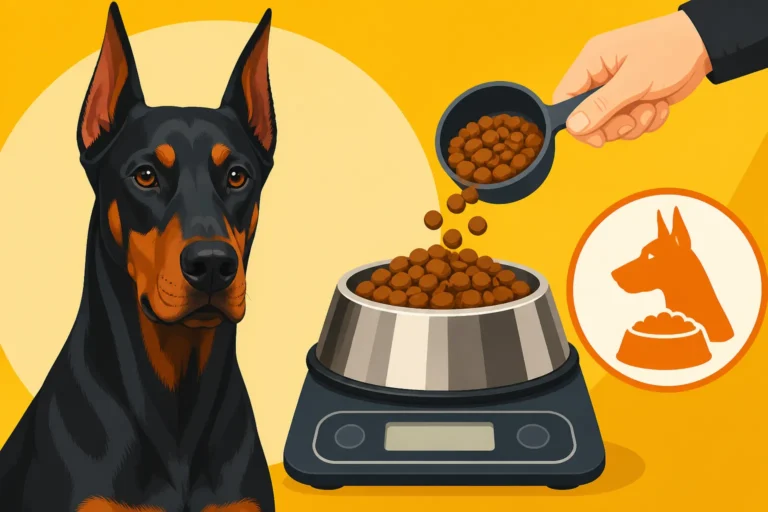
For Dobermans with liver disease, it's often beneficial to feed smaller, more frequent meals throughout the day rather than one or two large meals. This approach reduces the metabolic load on the liver at any one time and can help prevent spikes in blood glucose, which a compromised liver might struggle to regulate. For example, instead of two large meals, you might aim for three or four smaller meals, spaced out every few hours. This can also help with palatability if your Doberman is a picky eater or has a reduced appetite.
Portion control is equally important. Your veterinarian or nutritionist will provide precise caloric and weight-based feeding guidelines for the chosen diet. Sticking to these recommendations helps maintain an ideal body weight, which is crucial for overall health and minimizes strain on internal organs. Using a kitchen scale to accurately measure portions is highly recommended, especially when dealing with such a sensitive condition. Overfeeding or underfeeding can have negative consequences on an already stressed system.
Regular Bloodwork and Biopsies: What to Expect
Ongoing monitoring is essential to assess the effectiveness of the dietary and medical treatment. This typically involves regular blood tests, often every 3-6 months, to check liver enzyme levels (ALT, AST, ALP), bilirubin, and other indicators of liver function. While elevated liver enzymes don't tell the whole story, changes in these values can indicate whether the liver is responding positively or if the disease is progressing. You can learn more about this in Liver Enzyme Results in a Doberman.
In some cases, your vet may recommend follow-up liver biopsies. A biopsy, which involves taking a small tissue sample from the liver for analysis, is the most definitive way to assess the actual copper content in the liver tissue. It also allows pathologists to evaluate the degree of inflammation, scarring, and regeneration. While it's an invasive procedure, it provides invaluable information for guiding treatment decisions. The frequency of biopsies will depend on your Doberman's individual case and your vet's assessment of their progress.
Adjusting the Diet as Your Doberman's Health Evolves
Copper storage hepatopathy is a dynamic condition, and your Doberman's nutritional needs may change over time. As the liver heals and copper levels decrease, the dietary plan might be slightly modified. Conversely, if the disease progresses or new symptoms emerge, adjustments will be necessary. This is why regular communication with your veterinary team is so important.
For instance, once copper levels are stable and low, your vet might slightly relax certain dietary restrictions or adjust medication dosages. If your Doberman develops other health issues, such as kidney problems or pancreatitis, the liver diet might need further modifications to accommodate those conditions without compromising liver health. Never make significant dietary changes without consulting your veterinarian or a veterinary nutritionist, as even seemingly minor alterations can have unintended consequences for a Doberman with a delicate liver. This adaptability is key to maintaining your Doberman's quality of life, which is a major consideration, as discussed in How Long a Doberman Lives With Liver Disease.
Addressing Common Concerns and Troubleshooting
Living with a Doberman that has a serious health condition like copper storage hepatopathy can be challenging, and you're bound to encounter questions and hurdles along the way. Knowing how to troubleshoot common issues can help ease your stress.
When Your Doberman Refuses the New Diet
It's heartbreaking when your Doberman, who usually inhales their food, turns their nose up at the new, specialized diet you've carefully prepared. This can be a common issue, especially if they're used to a different texture, flavor, or simply aren't feeling well. The first step is to rule out a medical reason for the refusal, such as nausea or pain. Your vet might prescribe an anti-nausea medication to help.
If it's purely a palatability issue, try making the food more appealing. Warming canned prescription diets slightly can release aromas. For kibble, adding a small amount of low-copper, vet-approved broth or warm water might help. Some owners find that mixing a tiny amount of a highly palatable, low-copper ingredient (like boiled chicken breast or a small dollop of plain, low-fat yogurt – always vet-approved!) can entice them to eat. Patience is key. Sometimes it takes several days for a Doberman to accept a new diet. Gradually transitioning by mixing a small amount of the new food with their old food (if still safe to do so) can also work. Remember, consistency in offering the new food is crucial.
Managing Treats and Chews with Liver Disease
Treats and chews are often overlooked sources of hidden copper and other ingredients that can be detrimental to a Doberman with liver disease. Many commercial treats, especially those made with organ meats, certain fish, or legumes, can be surprisingly high in copper. Rawhides and other edible chews can also contain ingredients that are not suitable for a sensitive liver. This doesn't mean your Doberman has to live a life without joy; it just means you need to be extremely selective.
Your vet or nutritionist can provide a list of approved, low-copper treat options. Often, simple, plain items like small pieces of boiled potato, sweet potato, green beans, or even certain low-fat, low-sodium crackers (in moderation) can be safe choices. For chews, non-edible options like Nylabones or KONG toys filled with approved foods can satisfy their chewing instinct without adding unwanted copper. Always read ingredient labels meticulously, and if in doubt, err on the side of caution or consult your veterinary team. Even small amounts of inappropriate treats can sabotage your efforts.
The Long-Term Outlook and Quality of Life
Living with copper storage hepatopathy is a marathon, not a sprint. The long-term outlook for a Doberman largely depends on the stage of the disease at diagnosis, adherence to the treatment plan, and individual response. With early diagnosis and consistent management, many Dobermans can live fulfilling lives for years after diagnosis. Regular vet visits, blood tests, and careful dietary management are non-negotiable parts of this commitment.
The goal is always to maximize your Doberman's quality of life. This means not only managing their physical health but also ensuring they remain happy and comfortable. Be observant for any changes in appetite, energy, or behavior, and communicate these promptly to your vet. With a dedicated approach to diet, medication, and monitoring, you can provide your Doberman with the best possible chance to thrive despite their liver condition. It's a challenging journey, but one you don't have to face alone, as your veterinary team is there to support you every step of the way.
Disclaimer
This article is for general informational purposes only and does not constitute professional advice. Laws, prices and regulations vary by location and change over time. Consult a qualified professional for guidance on your specific situation.