Doberman Puppy Teeth on Hands
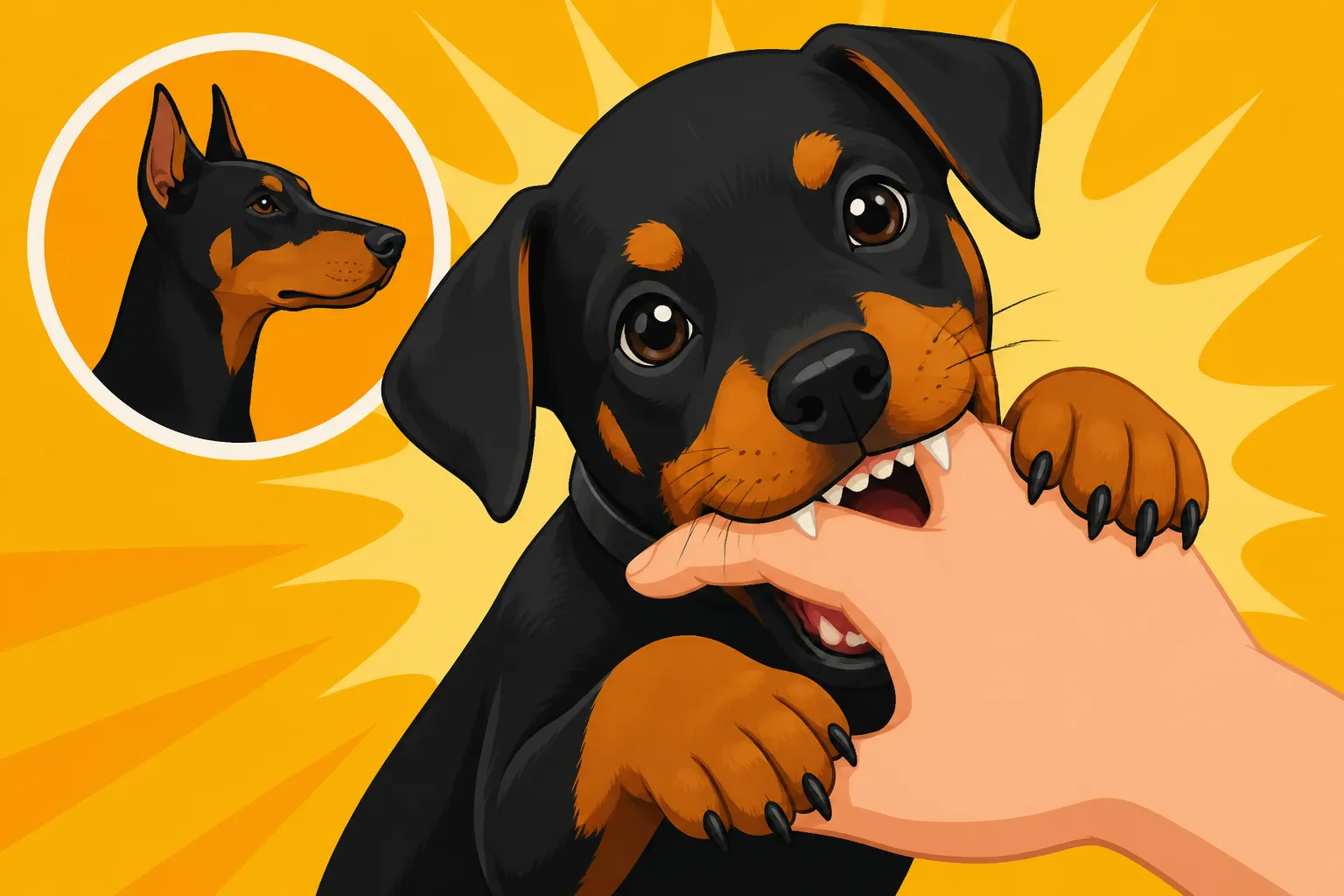
It’s a universal Doberman puppy parent experience: those adorable little razor nubs latching onto your hands, ankles, or anything else within reach. This isn't aggression; it's just how puppies explore their world and communicate, but it can quickly become painful and frustrating. This comprehensive guide will walk you through understanding why your Doberman puppy uses their mouth so much and, more importantly, equip you with practical, empathetic strategies to redirect that natural behavior and teach them appropriate bite inhibition from the start.
Understanding Why Your Doberman Puppy Nips and Bites
When you bring home a Doberman puppy, you're essentially welcoming a tiny, sharp-toothed explorer into your life. Their mouths are their primary tools for investigation, much like how human babies use their hands. It's completely normal, albeit sometimes quite startling, to find your puppy mouthing at everything and everyone. This stage is crucial for teaching them bite inhibition – learning how much pressure they can apply before it hurts. Without this lesson, an adult Doberman, even one playing gently, could accidentally cause injury.
Doberman puppies, like all puppies, are driven by instinct. In their litter, they learned to play bite with their siblings. When one puppy bit another too hard, the bitten puppy would yelp, and the play would stop, teaching the aggressor to adjust their pressure. This is the foundation of bite inhibition. When you step into the role of a littermate, you need to mimic this learning process. It's not about punishing them for being a puppy; it's about guiding their natural instincts towards acceptable outlets.
Teething is another major factor. Just like human babies, Doberman puppies experience discomfort as their tiny, sharp puppy teeth fall out and their larger, adult teeth emerge. This process typically starts around 3-4 months of age and can last until they're about 6-7 months old. During this time, the urge to chew and mouth intensifies because it helps relieve the pressure and soreness in their gums. Providing appropriate chew toys becomes absolutely vital during this period to save your hands and furniture.
The Natural Development of Puppy Mouthing
From the moment they're born, Doberman puppies use their mouths to interact with their environment and their littermates. They nurse, they play, they groom each other, and they explore objects with their mouths. This is their way of gathering information and developing motor skills. It’s important not to confuse this natural behavior with aggression. A true aggressive bite in a young puppy is rare and typically accompanied by other concerning body language, such as stiffness, growling, or fear. Most puppy nips are playful, enthusiastic, or a bid for attention.
As they grow, the play biting with siblings becomes more vigorous. This is where those crucial lessons in bite inhibition come in. If a puppy bites too hard, their sibling will likely shriek, pull away, and stop playing. This abrupt end to fun teaches the biting puppy that painful bites lead to undesirable outcomes. This is the exact feedback loop we need to replicate in our interactions with our puppies. We want them to understand that human skin is much more delicate than a puppy's tough hide.
Ignoring this developmental stage or, worse, punishing it harshly can actually backfire. A puppy who is not allowed to mouth at all might not learn appropriate bite inhibition. If they are taught that any mouth contact is bad, they might suppress warning signals (like a soft bite or growl) and go straight to a hard bite if ever truly stressed or afraid as an adult. Our goal isn't to stop them from using their mouth entirely, but to teach them how to use it gently and appropriately.
Teething and the Urge to Chew
Oh, the joys of puppy teething! If you've ever had a Doberman puppy, you know exactly what I'm talking about. Around three to four months old, those needle-sharp deciduous teeth start making way for big, strong adult teeth. This transition can be quite uncomfortable for your little one, leading to an almost insatiable urge to chew. Their gums are sore, swollen, and itchy, and chewing provides much-needed relief by massaging the gums and helping to loosen stubborn puppy teeth.
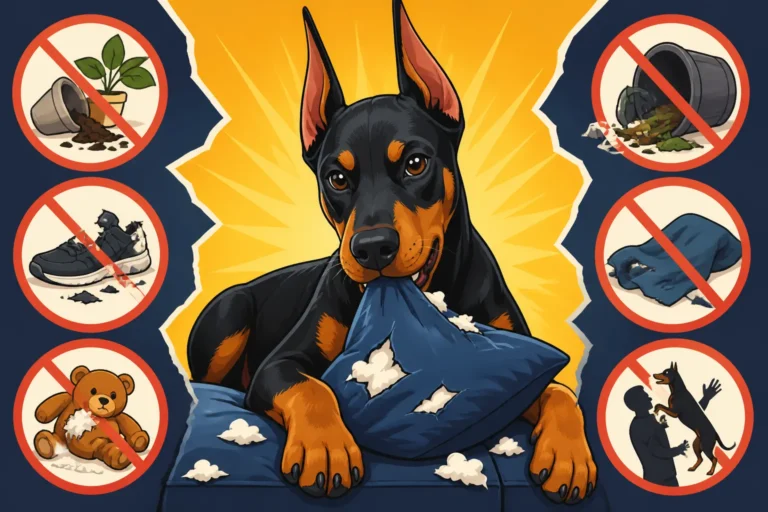
During this period, your Doberman puppy isn't trying to be naughty when they mouth at your fingers or try to chew on the leg of your coffee table. They are simply trying to alleviate their discomfort. If you don't provide appropriate, enticing chew alternatives, they will find their own, and often those choices are things you'd rather they didn't touch. This is where a proactive approach to chew toy selection comes in, giving them acceptable outlets for their natural needs.
It's a finite period, thankfully, but it requires patience and consistency. Once all their adult teeth are in, usually by 6-7 months, the intense chewing desire often lessens, though a Doberman will always benefit from appropriate chew items throughout their life. Be aware that some Dobermans might experience a second wave of mouthing during adolescence as they test boundaries and mature. This is where continued training and consistency become even more critical to reinforce the lessons learned during puppyhood.
Effective Strategies for Managing Puppy Biting
Managing puppy biting successfully is all about consistency, redirection, and teaching. It's a dance, really, between allowing natural behaviors and shaping them into polite interactions. The key is to be proactive rather than reactive, always having a plan for when those little shark teeth decide your hand looks like a tasty chew toy. Remember, your Doberman puppy is a quick learner, but they need clear, consistent communication from you.
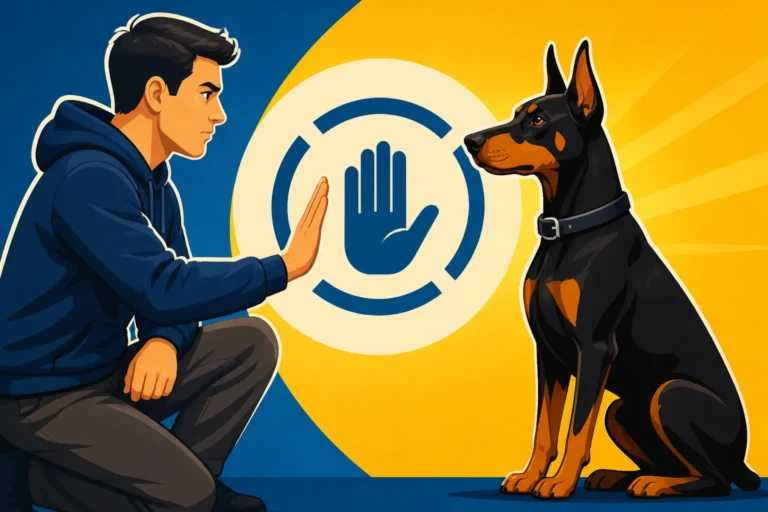
One of the most effective tools in your arsenal is the "yelp and ignore" method, directly mimicking how littermates teach each other. When your Doberman puppy bites too hard, emit a high-pitched "yelp!" immediately. Make it sound genuine, like you've been truly hurt. Then, instantly withdraw your hand or whatever was bitten, turn your back, and completely ignore your puppy for a few seconds. This teaches them that biting too hard makes the fun stop.
The moment they stop mouthing and show a calmer behavior, you can re-engage with them, but always with an appropriate chew toy. This two-part approach—stopping the interaction for undesirable behavior and rewarding calm behavior with a suitable alternative—is incredibly powerful. Over time, your Doberman puppy will learn to modulate their bite pressure and associate human hands with gentle interaction rather than a chew toy. For more on this, you might find Teaching a Doberman Puppy to Soften Its Mouth to be a helpful read.
Redirection with Appropriate Chew Toys
The moment those puppy teeth start coming out, your Doberman puppy's urge to chew will skyrocket. This is where having a variety of appropriate chew toys on hand is paramount. Think durable rubber toys, softer teething rings, and even frozen washcloths or puppy-safe Kongs stuffed with peanut butter or yogurt to soothe their sore gums. The goal is to redirect their attention from your hands and furniture to these designated chew items. You can find a fantastic selection of durable puppy chew toys on platforms like Amazon, offering everything from Nylabones to classic Kongs.
Always keep a chew toy readily accessible. When your Doberman puppy starts to mouth at your hands, immediately offer them a toy instead. Make the toy exciting—wiggle it, squeak it, or hold it out enticingly. Praise them enthusiastically when they take the toy in their mouth and start chewing on it. This positive reinforcement solidifies the idea that "this is what I want you to chew." Consistency is key here; every time they choose a toy over your hand, it's a win.
It's also helpful to rotate chew toys to keep them novel and interesting. What was exciting yesterday might be old news today. Think about different textures, shapes, and sizes. Some puppies prefer something soft and pliable, while others want something firm to really gnaw on. Observe what your Doberman puppy gravitates towards and stock up on similar items. This proactive approach helps them develop good chewing habits that will last into adulthood.
The Power of "Time-Outs" and Ignoring
When your Doberman puppy's biting becomes too intense, or they simply aren't responding to redirection, a brief "time-out" can be incredibly effective. This isn't about punishment in the harsh sense, but rather about removing them from the rewarding situation (you!) the moment they bite too hard. The concept is simple: fun stops when the teeth come out in an unacceptable way.
The moment your puppy bites you with too much pressure, or simply won't stop nipping despite redirection, immediately disengage. If you're playing on the floor, stand up and walk away from them for 10-20 seconds. If they follow you and continue to nip, you can step behind a baby gate or into another room, effectively removing yourself from their reach. The key is to be calm, decisive, and consistent. Do not yell, scold, or physically push them away, as this can inadvertently escalate the behavior or make them fearful.
After the brief time-out, you can calmly return and resume interaction, but be ready to initiate another time-out if the biting starts again. It might take several repetitions, but your Doberman puppy will quickly learn that rough play or excessive nipping means the fun interaction ends. This teaches them impulse control and helps them understand the boundaries of appropriate play. It also reinforces that your attention is a privilege, not a given, and that polite behavior earns more interaction.
Structured Play and Training Sessions
Beyond simply reacting to biting, incorporating structured play and short, engaging training sessions can greatly help channel your Doberman puppy's energy and focus. Dobermans are intelligent dogs, and they thrive on mental stimulation. Five-minute sessions with your young Doberman, focused on basic obedience cues like "sit," "down," or "stay," can be incredibly rewarding for both of you. This not only builds their confidence but also gives them an appropriate outlet for their boundless puppy energy.
During these sessions, you can incorporate gentle tug games or retrieve exercises, but always with rules. For instance, teach them "drop it" by trading a high-value treat for the toy they're holding. This ensures that you can always safely retrieve items from their mouth. If their teeth accidentally make contact with your hand during play, immediately end the game with a yelp and a brief time-out, as discussed earlier. This consistent application of rules helps them understand boundaries.
Enrolling in a good puppy class or an online puppy school, like the one offered by BAXTER & Bella, can also be a game-changer. These programs provide structured learning environments where puppies can socialize appropriately (further honing their bite inhibition with other pups) and owners can learn effective training techniques from experienced professionals. Plus, the mental effort involved in learning new commands can be just as tiring, if not more so, than physical exercise, helping to reduce the overall intensity of their nipping behavior.
When to Seek Professional Guidance
Sometimes, despite your best efforts, puppy biting can feel overwhelming, or you might notice behaviors that seem beyond typical puppy antics. It's crucial to understand when to seek help from a professional dog trainer or veterinary behaviorist. Early intervention is always best, especially with a powerful breed like a Doberman, to ensure that any concerning behaviors don't escalate as they grow into strong adults.
One red flag is if your Doberman puppy's bites are consistently hard, breaking the skin, or drawing blood, even after consistent application of the "yelp and ignore" and redirection methods. While accidental nips can happen, a persistent inability to learn bite inhibition needs professional attention. Another concern is if your puppy shows signs of true aggression, such as snarling, growling with a stiff body, or lunging with ill intent, particularly when guarding resources like food or toys. These are not typical puppy behaviors and warrant immediate professional assessment.
If you feel frustrated, overwhelmed, or simply like you're not making progress, don't hesitate to reach out. A good trainer can observe your interactions, identify specific triggers, and tailor a training plan to your Doberman puppy's individual needs. They can also help differentiate between normal puppy behavior and more concerning issues, giving you peace of mind and effective strategies.
Identifying Concerning Biting Behavior
While most Doberman puppy biting is normal exploratory or play behavior, there are certain signs that warrant closer attention. It's important to distinguish between enthusiastic play mouthing and something more concerning. For instance, if your puppy's nips are consistently delivered with significant pressure, even after repeated attempts to teach them bite inhibition, this might indicate an issue. A puppy that draws blood regularly, even accidentally, is struggling to understand their own strength.
Consider the context of the biting. Is it always during play, or does it happen when you try to take something away from them, or when they feel cornered? Resource guarding, where a dog becomes aggressive when protecting food, toys, or even a favored sleeping spot, can start in puppyhood. If your Doberman puppy growls, stiffens, or bites when you approach their food bowl or try to take a toy, this is a serious concern that needs immediate professional intervention.
Additionally, observe their body language. A playful puppy might have a loose, wiggly body, a wagging tail, and a "play bow." A puppy displaying concerning behavior might have a stiff body, hackles raised, a low growl, or a hard stare. These are indicators of fear, anxiety, or true aggression, and they are not behaviors that you should try to handle alone without expert guidance. Addressing these issues early can prevent them from becoming deeply ingrained problems as your Doberman matures.
Choosing the Right Professional Help
Finding the right professional help for your Doberman puppy's biting issues is crucial. Not all trainers are created equal, and it's vital to choose someone who uses positive reinforcement and force-free methods. Avoid any trainer who suggests harsh corrections, punitive tools like prong collars or e-collars for bite inhibition, or methods that rely on intimidation. These can damage your puppy's trust in you and exacerbate fear-based behaviors.
Look for a certified professional dog trainer (CPDT-KA, KPA CTP, or similar certifications) or a veterinary behaviorist (DACVB). These individuals have extensive education and experience in animal behavior and can provide ethical, effective solutions. Ask about their philosophy, their experience with Dobermans or similar breeds, and what their approach would be to your specific situation. Many offer initial consultations to discuss your concerns.
Don't be afraid to interview a few trainers to find one whose approach aligns with your values and whose personality you feel comfortable with. A good trainer will teach you how to communicate effectively with your Doberman puppy, empowering you with the tools and knowledge to continue their training long-term. Remember, investing in professional guidance early can save you a lot of headache and heartache down the road, ensuring you raise a confident, well-adjusted Doberman.
Long-Term Solutions and Expectations
Bringing a Doberman puppy into your home is a commitment, and managing their mouthing and biting is part of that journey. It's not a quick fix; it's an ongoing process that evolves as your Doberman grows. The goal isn't just to stop the painful puppy nips, but to teach them appropriate communication and impulse control that will serve them well throughout their lives. Understanding the long game and setting realistic expectations will help you navigate this phase with patience and consistency.
As your Doberman matures from a puppy into an adolescent, you might notice a resurgence of mouthing as they test boundaries and their hormones begin to kick in. This is a common phase, and it means you'll need to double down on the consistent application of the rules you established in puppyhood. Continue to redirect to appropriate chew toys, utilize time-outs when necessary, and maintain regular training sessions. Remember that a well-exercised and mentally stimulated Doberman is generally a happier and less mouthy Doberman. A Doberman Adolescent That Mouths Again covers this in more detail.
Ultimately, your Doberman should learn to have a "soft mouth"—meaning they understand the pressure of their bite and can interact gently with human skin. This skill is invaluable for everything from taking treats softly to playing without causing accidental injury. It's a hallmark of a well-socialized and well-trained dog. With patience, persistence, and positive reinforcement, you can guide your Doberman through this phase and build a strong, trusting relationship based on clear communication and mutual respect.
Continuing to Build Bite Inhibition in Adolescence
Just when you think you've conquered the land of razor-sharp puppy teeth, your Doberman enters adolescence, typically between 6 months and 2 years of age. This period can often bring a renewed phase of testing boundaries, and sometimes, a resurgence of mouthing or nipping. It’s not that they’ve forgotten everything; it’s more about pushing limits and seeing what they can get away with now that they’re bigger and stronger. This is a critical time to remain vigilant and consistent with your training.
During adolescence, your Doberman's adult teeth are fully in, so their bite can be much more impactful. This makes it even more important to reinforce those bite inhibition lessons. Continue using the "yelp and disengage" method if their teeth touch your skin too hard during play. Redirect their energy to durable toys and structured games. Remember, a Doberman's mind needs to be worked as much as their body, so engage them with puzzle toys and training exercises to keep them mentally satisfied. Consider reviewing resources like Puzzle Work That Actually Tires a Doberman for ideas.
Consistency across all family members is non-negotiable. Everyone in the household must apply the same rules and responses to mouthing. If one person allows rougher play, it undermines the training efforts of others. This phase is about solidifying good habits and ensuring that your Doberman understands that gentle mouth manners are expected consistently, regardless of their age or excitement level.
The Role of Exercise and Mental Stimulation
A tired Doberman is a good Doberman, and this absolutely applies to reducing unwanted mouthing and chewing behaviors. Dobermans are a high-energy, intelligent breed that needs significant physical exercise and mental stimulation daily. If their needs aren't met, that excess energy and mental boredom will often manifest in undesirable behaviors, including excessive chewing or nipping.
Think about incorporating a variety of activities into your Doberman's daily routine. Long walks, runs, fetch in a secure yard, or even structured playdates with well-matched dogs can help burn off physical energy. But don't forget the brain games! Dobermans excel in activities like obedience training, Nose Work as a Low-Impact Doberman Sport, or even just practicing new tricks. These mental challenges can be just as exhausting as a strenuous physical workout and help satisfy their innate drive to work and learn.
When your Doberman puppy or adolescent is sufficiently exercised and mentally engaged, they are far less likely to resort to mouthing or destructive chewing out of boredom or frustration. They'll be more inclined to settle down, chew calmly on an appropriate toy, or simply nap. Establishing a consistent routine that includes both physical and mental outlets is one of the most powerful long-term solutions for managing their energy and ensuring polite behavior.
Building a Strong, Trusting Relationship
Ultimately, guiding your Doberman puppy through the nipping phase is about more than just stopping a behavior; it's about building a foundation of trust and understanding. Every interaction, every redirection, every moment of praise contributes to the relationship you're forging with your dog. A Doberman who trusts you and understands your expectations is a Doberman who will be a joy to live with.
Use positive reinforcement consistently. Reward desired behaviors—like chewing on a toy, giving a polite "sit," or simply resting calmly—with praise, gentle petting, or small, high-value treats. Avoid punishment, fear, or intimidation, as these methods can erode trust and create a Doberman who is anxious or fearful, potentially leading to more serious behavioral issues down the line. Dobermans are sensitive dogs, and harsh corrections can actually shut them down or make them reactive. You might find Why Yelling Shuts a Doberman Down to be very insightful here.
The journey from tiny, sharp-toothed puppy to well-mannered adult is a marathon, not a sprint. There will be good days and challenging days. But with patience, consistency, and a deep understanding of your Doberman's needs, you can transform those early nipping behaviors into a testament to their intelligence and your dedicated training. Embrace the process, celebrate the small victories, and enjoy watching your Doberman grow into a loyal and cherished companion.
Chew Toy Comparison for Doberman Puppies
Choosing the right chew toys is a critical part of managing puppy biting and ensuring your Doberman puppy has appropriate outlets for their natural chewing instincts. Here's a comparison of common types of chew toys and their benefits:
| Toy Type | Best For | Benefits | Considerations |
|---|---|---|---|
| Rubber Toys (e.g., Kong) | Heavy chewers, stuffing with treats | Extremely durable, satisfying chew, mentally stimulating | Can be expensive, need proper sizing to prevent choking |
| Nylon Chews (e.g., Nylabone) | Persistent chewers, teeth cleaning | Long-lasting, helps clean teeth, comes in various flavors | Can be very hard, may not appeal to all puppies, monitor for sharp edges |
| Rope Toys | Tug games, dental benefits | Good for interactive play, flosses teeth | Can unravel and be ingested, not for unsupervised heavy chewing |
| Plush/Fabric Toys | Comfort, light play | Soft, comforting, easy to carry | Easily destroyed, can be ingested, not for serious chewing |
| Edible Chews (e.g., Dental chews, Bully sticks) | Satisfying chew, dental hygiene | Highly palatable, helps clean teeth, provides nutrition | Monitor for choking hazards, can be high in calories, choose reputable brands |
| Puzzle Toys | Mental stimulation, slower eating | Engages brain, prevents boredom, slows down meals | Requires supervision, can be frustrating if too difficult |
Disclaimer
This article is for general informational purposes only and does not constitute professional advice. Laws, prices and regulations vary by location and change over time. Consult a qualified professional for guidance on your specific situation.