Whether Anyone Accepts a Doberman as a Therapy Dog
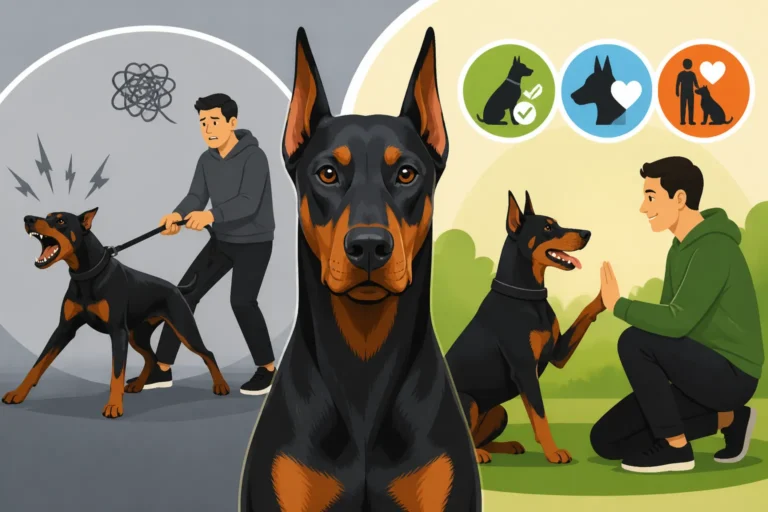
It's a common misconception that certain dog breeds, especially those with a strong, protective reputation like the Doberman, are automatically disqualified from gentle, public-facing roles such as therapy work. Many Doberman owners feel a pang of frustration when their beloved, sweet-natured companion is eyed with suspicion. This guide aims to clear up those assumptions and explore the very real path your Doberman could take to become a certified therapy dog, despite the hurdles their breed stereotype often presents.
Understanding the Therapy Dog Role and Doberman Temperament
Becoming a therapy dog isn't just about being a "good dog" at home; it's about possessing a very specific set of temperamental traits and training that allow a dog to calmly and confidently interact with a wide range of people in various environments. This often includes hospitals, nursing homes, schools, and disaster relief centers, all places where a dog needs to be unflappable.
What Makes a Great Therapy Dog?
When you think of a therapy dog, images of golden retrievers or Labradors might first come to mind, and for good reason. These breeds are often naturally predisposed to the traits needed: high sociability, low reactivity, a calm demeanor, and an innate desire to please. A therapy dog must be able to:
- Tolerate novel environments: New smells, sounds (like medical equipment beeping or children yelling), and surfaces (slippery floors, stairs, elevators) without showing fear or anxiety.
- Accept all types of handling: From gentle petting to clumsy, uncoordinated pats from someone with limited mobility, a therapy dog must remain calm and tolerant. They should not flinch, snap, or become overwhelmed.
- Exhibit impeccable manners: No jumping, excessive licking, barking, or pulling on the leash. They need to understand and obey basic commands reliably, even with distractions.
- Have a stable temperament: They shouldn't be easily startled or prone to aggression, even when accidentally stepped on or exposed to sudden movements. Their emotional responses must be predictable and positive.
- Enjoy interaction: While calm, they should also show an inclination to engage with people, offering comfort and connection.
The Doberman's Unique Suitability and Challenges
Now, let's look at the Doberman. On one hand, you have a breed renowned for its loyalty, intelligence, and protective instincts. Dobermans often bond incredibly closely with their families, earning them the nickname "Velcro dogs" for their tendency to follow their owners everywhere. This deep bond can translate into a profound desire to connect and be near people, which is fantastic for therapy work. Their intelligence means they can learn complex commands quickly, and they thrive on having a job to do. Training a Doberman That Is Smarter Than You Expect is often a rewarding process, and their enthusiasm for learning can be channeled into therapy skills.
However, the Doberman's protective nature and formidable appearance are undeniable. Many people, unfortunately, harbor preconceived notions based on media portrayals or general misconceptions about the breed. This can lead to fear or hesitation, which is the exact opposite of the calm, welcoming atmosphere a therapy dog is supposed to foster. Their strong guarding instinct, while valuable in a family protector, needs to be carefully managed and channeled so it doesn't manifest as suspicion or reactivity towards strangers in a therapy setting. Doberman Guarding Instinct and Where It Tips Over is a critical read for understanding this aspect of their personality.
Furthermore, some Dobermans can be more sensitive or prone to anxiety if not properly socialized from a young age. A dog that struggles with A Doberman That Cannot Cope When You Go Out due to separation distress will certainly find the ever-changing environments of therapy work challenging. The goal is to cultivate a Doberman that is confident and resilient, not sharp or nervous. Building a Doberman Puppy That Is Confident, Not Sharp lays the groundwork for such a temperament.
The Path to Certification: Training and Temperament Testing
Getting a Doberman certified as a therapy dog is absolutely achievable, but it requires significant dedication to training, socialization, and often, finding the right organization to work with. It's not a quick process, but a deeply enriching journey for both you and your dog.
Early Socialization and Foundational Training
The journey begins long before you even think about certification. From puppyhood, extensive and positive socialization is paramount. Your Doberman puppy needs to meet a vast array of people, hear different sounds, see various objects, and experience diverse environments without being overwhelmed. Think of it as building a strong, unshakable foundation of confidence. The Sixteen Weeks That Set a Doberman Up with varied experiences can make all the difference.
Basic obedience is non-negotiable. Your Doberman must reliably respond to commands like "sit," "stay," "down," "come," and "leave it," even amidst distractions. "Loose leash walking" is also crucial, as a Doberman pulling an owner through a hospital corridor is hardly comforting. These aren't just parlor tricks; they are the bedrock of a well-behaved, safe therapy dog. Many online training programs, such as those offered by BAXTER & Bella, can provide excellent structured guidance for new puppy owners looking to build this kind of solid foundation, offering step-by-step lessons and support from experienced trainers.
As your Doberman matures, you'll want to move beyond basic obedience to Canine Good Citizen (CGC) testing. While not therapy dog certification itself, the CGC title from the American Kennel Club (AKC) demonstrates that your dog is a reliable, well-mannered member of the community. Many therapy organizations require a CGC as a prerequisite because it covers crucial behaviors like accepting a friendly stranger, sitting politely for petting, walking through a crowd, and reacting appropriately to distractions.
Specific Therapy Dog Training
Beyond CGC, specific therapy dog training focuses on exposing your dog to scenarios they'll encounter in actual visits. This includes:
- Wheelchairs and mobility aids: Your Doberman must be comfortable with these devices, not trying to play with them or shying away.
- Loud noises: Unexpected alarms, dropped objects, or excited voices.
- Unusual scents: Hospital smells, perfumes, cleaning products.
- Medical equipment: IV poles, oxygen tanks, hospital beds.
- Gentle (and not-so-gentle) petting: Remaining calm when someone is less than graceful in their interaction.
- "Leave It" for dropped items: Especially important in environments where medication or small objects might be on the floor.
Finding a trainer who specializes in therapy dog preparation, and ideally one who has experience with Dobermans or other strong-willed, intelligent breeds, can be incredibly valuable. They can help you fine-tune your Doberman's responses and identify any potential weak spots. Finding a Trainer Who Has Worked With Dobermans is crucial because a cookie-cutter approach might not suit the Doberman's unique temperament.
The Certification Process
Most therapy dog organizations require a comprehensive evaluation that assesses your Doberman's temperament, obedience, and ability to handle various stimuli. This test often includes:
- Stranger interactions: Approaching and being petted by several strangers, including those with different gaits, voices, and appearances.
- Reaction to distractions: Loud noises, dropped objects, people running or shouting.
- Acceptance of an "unfriendly" stranger: A neutral person ignoring the dog, to see if the dog remains calm and doesn't demand attention.
- Reaction to medical equipment: Walking past or being near a wheelchair, crutches, or a walker.
- Separation from handler: Briefly being left with a stranger to assess anxiety levels.
- Overall disposition: Observing if the dog is relaxed, happy, and willing to engage.
It's important to remember that rejection is not a failure; it's an opportunity to identify areas for further training. Some Dobermans might have an inherent sensitivity that makes this work too stressful for them, and that's okay. The well-being of your dog should always be the priority.
Practical Considerations for Doberman Therapy Work
Even with a perfectly trained Doberman, there are still practical elements to consider when pursuing therapy work.
Public Perception and Presentation
While your Doberman might be a gentle giant, others may not see them that way initially. This is a reality you'll have to navigate. It's why excellent leash manners and a calm demeanor are so important – they can instantly begin to dispel negative stereotypes. A clean, well-groomed Doberman wearing a professional-looking therapy dog vest (easily found on platforms like Amazon) can also help convey their role and purpose. Handling a Doberman in Public Without Alarming People becomes an even more vital skill when you're representing therapy animals.
| Doberman Trait (Common Perception) | Ideal Therapy Dog Trait | Bridging the Gap (Training Focus) |
|---|---|---|
| Intimidating Appearance | Approachable, Calm | Excellent leash manners, "greet" command, calm demeanor, professional vest. |
| Protective Instinct | Gentle, Tolerant | Extensive socialization, "leave it" command, desensitization to varied stimuli, impulse control. |
| "Velcro Dog" (clingy) | Independent yet Engaged | Build confidence in new environments, controlled "sits" and "stays" with distractions, comfort with handler out of sight. |
| High Energy / Drive | Quiet, Relaxed | Consistent exercise before visits, "settle" command, long duration "downs," impulse control. |
| Intelligent, Learns Quickly | Reliable, Responsive | Advanced obedience, proofing commands in distracting environments, consistent positive reinforcement. |
Time, Cost, and Commitment
Becoming a therapy dog team is a commitment. There's the time invested in training classes, practice sessions, and the actual visits themselves. Then there are the financial aspects:
- Training fees: Group classes, private lessons, and workshops all add up.
- Certification fees: Therapy dog organizations typically have an application fee and sometimes annual membership fees.
- Health screenings: Therapy dogs must be in excellent health. This means regular vet check-ups, up-to-date vaccinations, and potentially additional screenings to ensure they're fit for the work and won't transmit anything. The Health Testing a Doberman Breeder Must Show gives an idea of responsible health management.
- Equipment: A comfortable, durable leash and collar or harness, a therapy dog vest, and perhaps specialized grooming tools.
- Travel: Getting to and from various facilities.
When you consider What a Doberman Costs Month to Month, adding therapy dog training and visits will certainly impact your budget and time management. It's a passion project, and the rewards are immeasurable, but it's important to go in with eyes wide open about the dedication required.
The Rewards of Therapy Work with a Doberman
Despite the challenges, a Doberman can be an incredibly impactful therapy dog. Their strong, reassuring presence, combined with their inherent sensitivity and desire for connection, can be profoundly comforting to people. I've heard countless stories of Dobermans melting hearts and changing minds in therapy settings.
Imagine a large, imposing Doberman gently resting its head on the lap of an elderly patient in a nursing home, bringing a smile to a face that hasn't shown much joy recently. Or a child struggling with reading, gaining confidence by reading aloud to a calm, non-judgmental Doberman. The very act of a Doberman, a breed so often misunderstood, demonstrating such tenderness, can be a powerful experience, breaking down barriers and fostering empathy.
If you have a Doberman with a naturally calm, outgoing, and stable temperament, and you're willing to put in the consistent training and dedication, there's no reason why they can't excel as a therapy dog. You'll not only be providing comfort to countless individuals but also showcasing the true, gentle heart of the Doberman breed to a world that often misjudges them.
Disclaimer
This article is for general informational purposes only and does not constitute professional advice. Laws, prices and regulations vary by location and change over time. Consult a qualified professional for guidance on your specific situation.