Whether Doberman Liver Disease Can Be Caught Early
Doberman liver disease and copper-associated hepatitis can be detected early using routine blood panels and diagnostic testing.
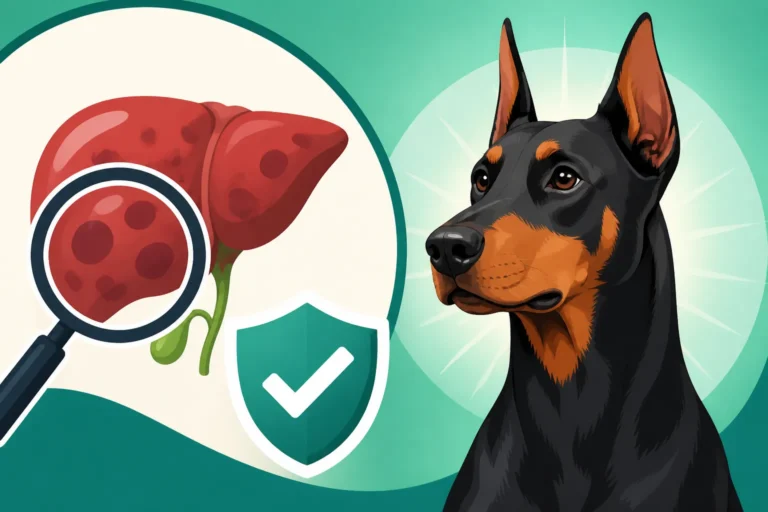
Doberman liver disease and copper-associated hepatitis can be detected early using routine blood panels and diagnostic testing.
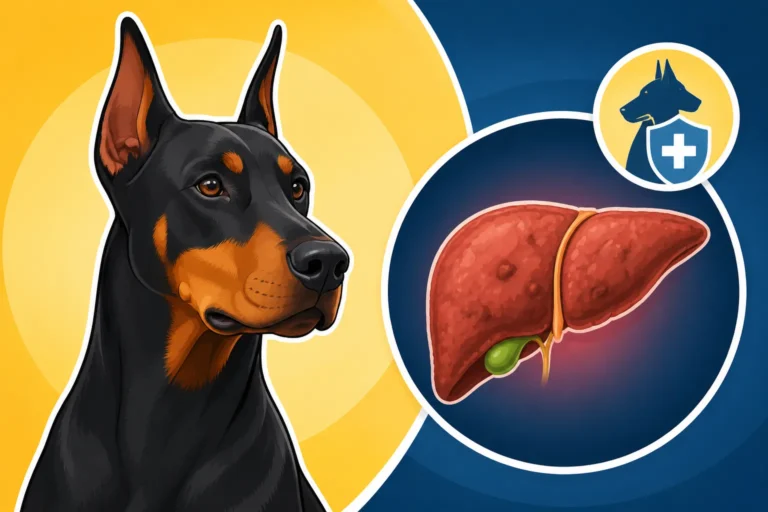
Doberman liver disease and copper storage hepatopathy affect lifespan, and dedicated care can influence prognosis for the breed.
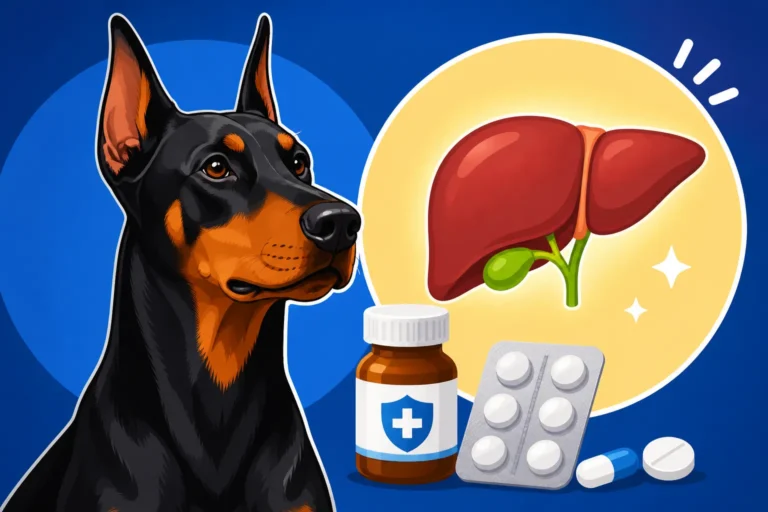
Medication options for a Doberman with chronic active hepatitis manage copper storage disease to improve liver health and quality of life.
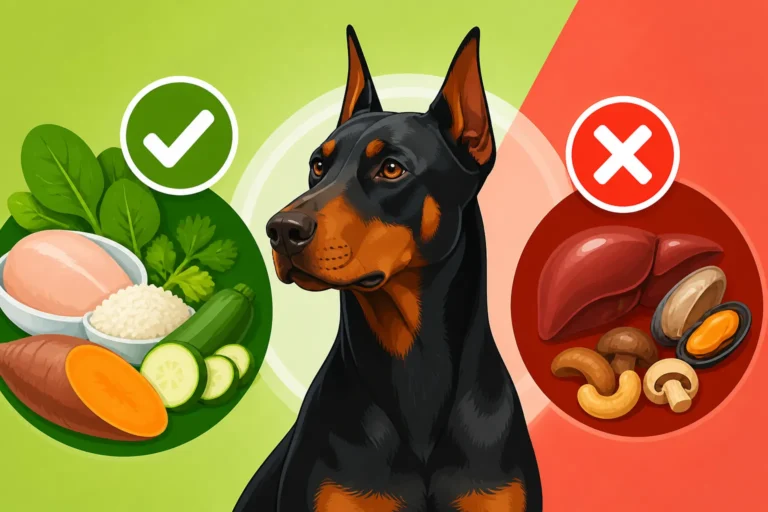
Low-copper diets for Dobermans help manage copper storage hepatopathy by reducing toxic buildup and protecting liver health.
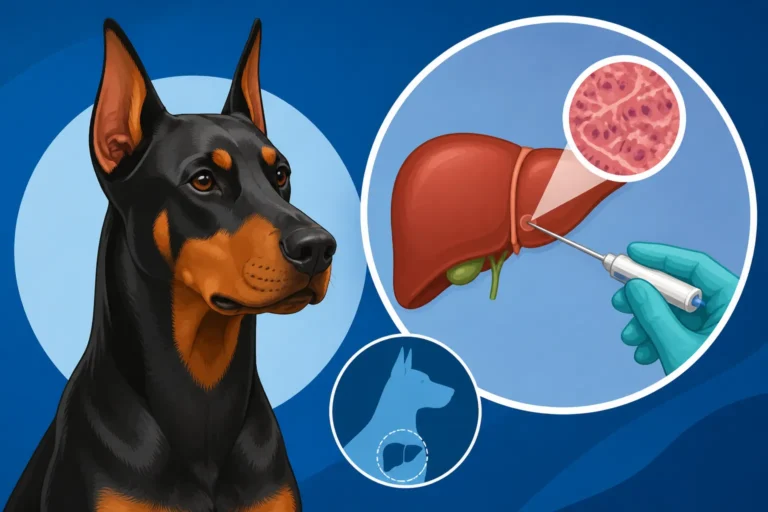
Liver biopsy for a Doberman provides a definitive diagnosis when elevated enzymes and blood tests indicate potential disease.

Copper storage hepatopathy risks in female Dobermans, including genetic causes, toxic copper buildup, and liver cirrhosis management.

Copper-associated hepatopathy causes silent liver damage in Dobermans because their genetic mutation prevents proper copper excretion.
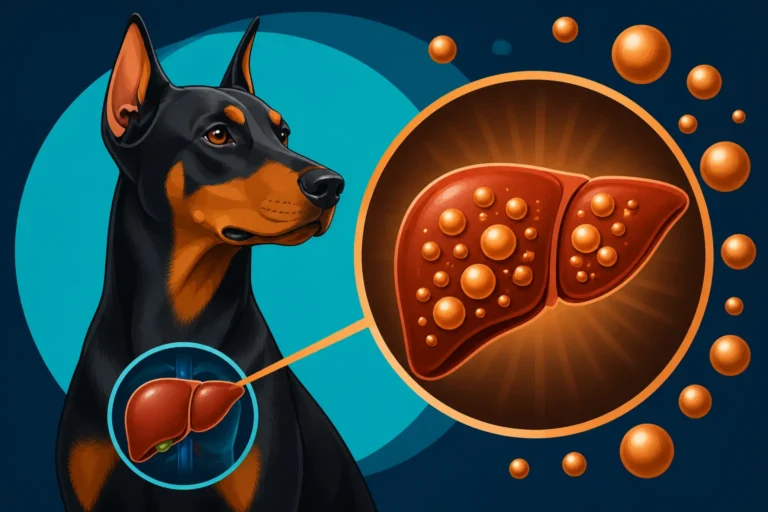
Doberman copper storage disease occurs due to genetic predispositions that impair liver function and cause toxic buildup.
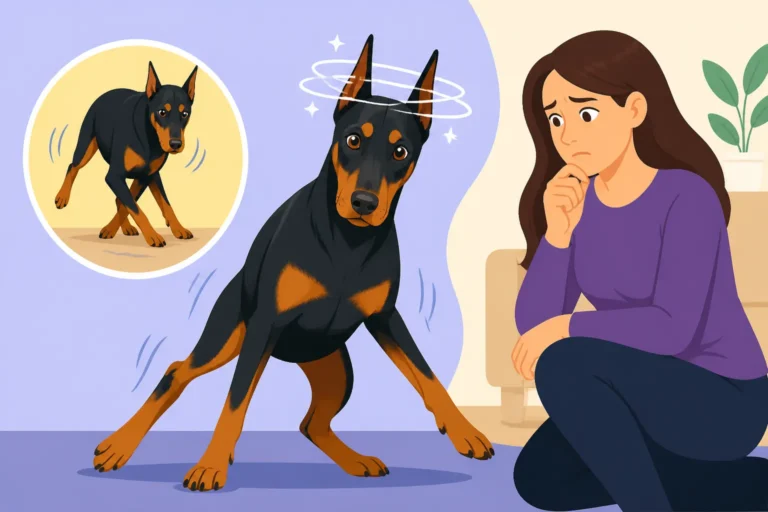
Wobbler syndrome causes spinal cord compression in Dobermans aged three to eight, leading to unsteadiness and hind leg weakness.
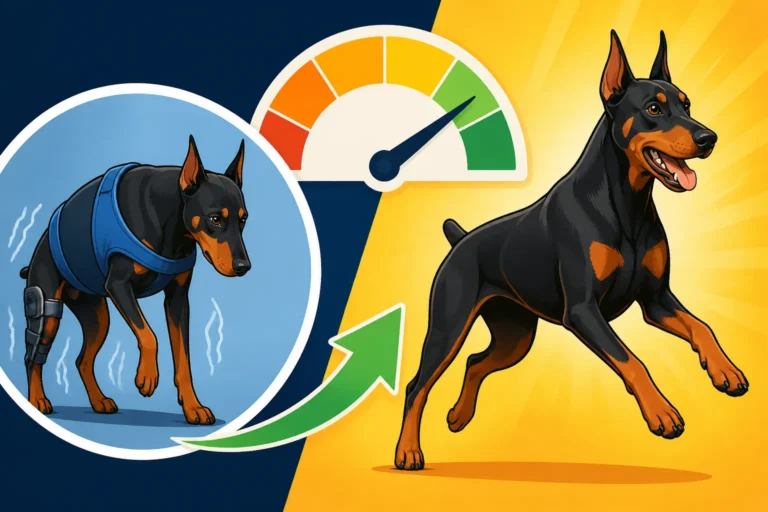
Doberman Wobbler Syndrome progression details how cervical spine compression causes uncoordinated gaits, balance issues, and limb weakness.