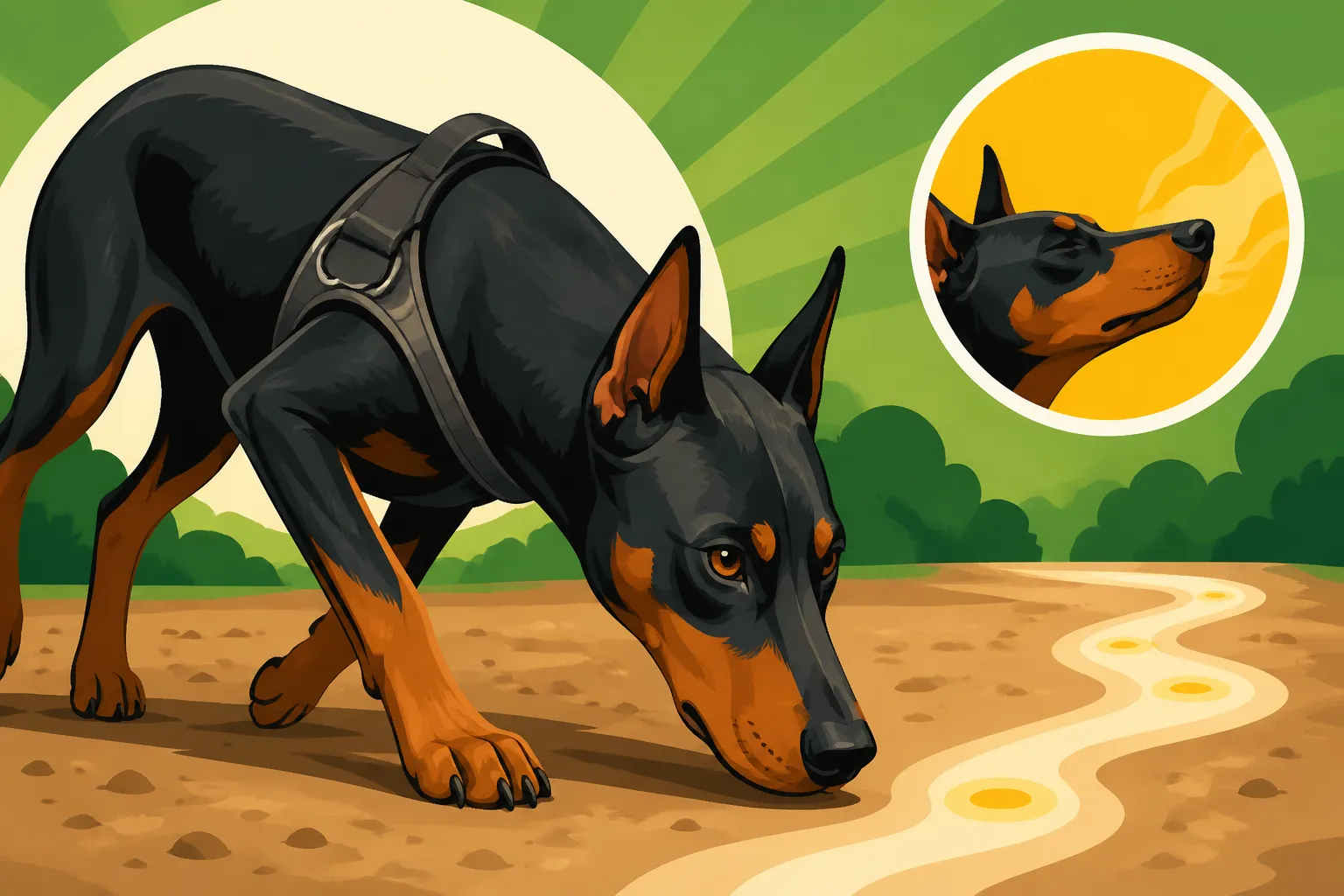
Putting a Doberman’s Nose to Work
You know, living with a Doberman is a constant adventure, isn't it? They're brilliant, athletic, and have this incredible drive, which is fantastic until you realize just how much mental energy they possess. Often, we focus on physical exercise—long walks, runs, fetch—and while that's crucial, it barely scratches the surface of what these intelligent dogs need. If your Doberman still seems restless, destructive, or just plain bored even after a solid romp, you might be overlooking one of their most powerful, yet underutilized, tools: their nose. This guide is all about harnessing that amazing olfactory power to provide enriching, satisfying mental exercise that will leave your Doberman happily tired and fulfilled.
Why Scent Work Is So Perfect for Dobermans
Our Dobermans are often thought of as protectors and athletes, and they certainly excel in those roles. But beneath that sleek, powerful exterior lies an incredibly keen mind and an amazing sense of smell. Ignoring that natural ability is like buying a high-performance sports car and only ever driving it to the grocery store. Scent work, or nosework, isn't just a fun pastime; it’s a profound way to engage your Doberman's brain, build their confidence, and even strengthen your bond.
Tapping Into Their Instinctive Drive
Dobermans were originally bred to be working dogs, assisting their creator, Karl Dobermann, in his rounds. This means they possess an innate desire to do something, to have a job. While modern Dobermans aren't typically out patrolling the streets with a tax collector anymore, that underlying drive to be vigilant, to investigate, and to problem-solve is still very much alive. When you introduce them to scent work, you're giving them a legitimate job that taps directly into their natural instincts. It's not just about finding a treat; it's about solving a puzzle, using their most primal sense, and feeling that deep satisfaction of a job well done.
Think about it: their world is primarily olfactory. While we humans navigate largely by sight, dogs perceive so much through smell. Every blade of grass, every gust of wind, every passing person or animal leaves a rich tapestry of scents for them to decipher. When we focus purely on visual cues in training, we're asking them to ignore a huge part of their natural sensory experience. Scent work allows them to embrace and excel in their true language, leading to a much more profound sense of accomplishment for them. It’s like finally letting a naturally gifted artist pick up a paintbrush after years of only being allowed to write essays.
The Mental and Physical Benefits Beyond a Walk
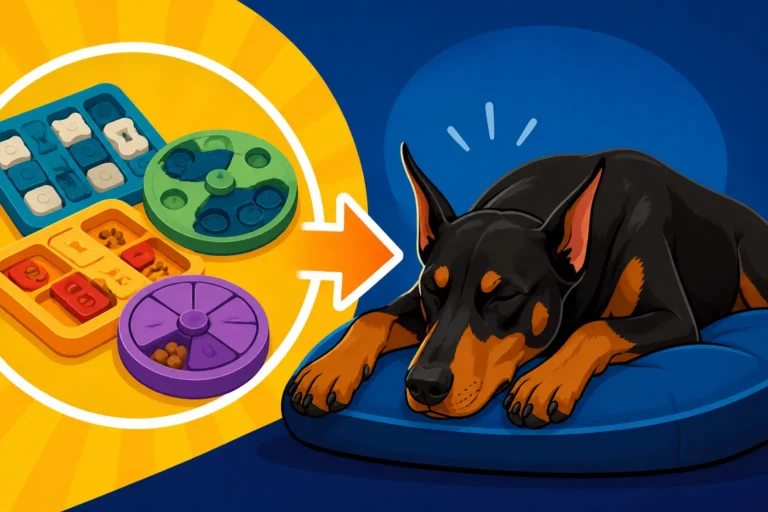
A long walk is great for physical exercise, but often it's not enough to truly tire out a Doberman's sharp mind. Scent work, on the other hand, is incredibly mentally fatiguing. When your Doberman is concentrating on a scent, processing clues, and problem-solving, their brain is working overtime. This intense mental engagement can be far more tiring than an hour of running around. I've seen Dobermans come home from a 30-minute nosework session and crash harder than after a full hike. It’s because their brains have had a true workout.
Beyond the mental exhaustion, scent work offers other benefits. It builds confidence, especially for shy or insecure Dobermans, as they learn to trust their own instincts and are rewarded for their independent problem-solving. It can also be a wonderful way to burn off steam for dogs that might be on restricted physical activity due to an injury or age. It reduces stress and anxiety because it’s a calm, focused activity that encourages quiet concentration rather than high-arousal excitement. Imagine a Doberman with mild reactivity, finding solace and joy in sniffing out a hidden treat, rather than constantly scanning for triggers. It truly shifts their mindset.
Accessibility for All Ages and Physical Conditions
One of the most beautiful aspects of scent work is its inclusivity. Unlike high-impact sports like agility, which can be tough on a Doberman’s joints as they age, or sports that require immense speed and stamina, scent work is gentle and adaptable. A Doberman puppy can start with simple scent games to build focus and confidence, learning that using their nose is a rewarding experience. This can be especially helpful in developing a solid foundation before they hit that challenging adolescent phase. Five-Minute Sessions With a Young Doberman can be perfect for introducing these concepts without overwhelming them.
For older Dobermans, or those with physical limitations like hip dysplasia or early signs of conditions like Wobbler Syndrome, scent work provides invaluable mental stimulation without putting strain on their bodies. They can search at their own pace, even if it means moving slowly or relying on their handler to guide them to the general area. It allows them to remain engaged and feel purposeful, even if their sprint days are behind them. Even Dobermans dealing with health issues like The Heart Disease That Reaches Most Dobermans might find this a gentle yet stimulating activity if their vet approves. No matter your Doberman’s age or physical condition, there's a scent game out there for them.
Getting Started with Scent Games at Home
You don't need fancy equipment or a special club membership to start engaging your Doberman's nose. The best place to begin is right in your own home, with simple, everyday items. These foundational games are fantastic for building enthusiasm and understanding the basics of scent detection. Plus, it's a great way to bond with your Doberman and see just how clever they truly are.
The "Find It" Game: A Gentle Introduction
The "Find It" game is the absolute simplest way to introduce your Doberman to the joy of sniffing for rewards. All you need are some high-value, small treats – think tiny bits of cooked chicken, cheese, or their favorite soft kibble. Start by having your Doberman sit and stay, or if they're not quite there yet, have a friend gently hold them, or pop them behind a baby gate for a moment. Show them the treat, let them sniff it, and then toss it a short distance away into a slightly hidden spot, like under a chair or behind a curtain. As you toss it, say "Find it!" in an excited, happy tone.
When they find it, praise them enthusiastically! The discovery is the reward, but your joyful reaction reinforces that they've done something wonderful. Repeat this a few times, gradually increasing the difficulty by hiding the treat in slightly more challenging spots around the room. The key is to make it easy enough that they succeed quickly, building their confidence and making the game incredibly fun. Remember, you're not just hiding treats; you're teaching them a concept and a command. This early success lays the groundwork for more complex nosework later on and helps teach them that Rewards a Doberman Will Work For can come in many forms.
Advanced Hide-and-Seek with Treats or Toys
Once your Doberman is a "Find It" pro, you can ramp up the challenge with more elaborate hide-and-seek games. Instead of just tossing a single treat, you can hide several small piles of treats in different spots around a room, or even across a couple of rooms. The goal is to encourage a longer, more thorough search. You might hide treats in slightly elevated spots they need to stretch for, or tucked inside crumpled paper towel rolls (supervised, of course!). Always ensure the hiding spots are safe and won't frustrate them or lead to them chewing on inappropriate items.
For Dobermans who are more toy-motivated, you can use their favorite tug toy or squeaky ball. The process is similar: let them smell the toy, put them in a "wait," and then hide it. Initially, leave a little bit of the toy exposed so they can easily spot it. As they get better, tuck it completely out of sight. You can even hide yourself after hiding the toy, and have them find both the toy and then you! This turns it into a collaborative hunt, deeply engaging their pack instincts. Remember to praise lavishly when they find you and the object. This is fantastic for Keeping a Doberman Mentally Tired and prevents boredom.
DIY Scent Puzzles and Enrichment Toys
You don't need to spend a fortune on complicated puzzle toys when your Doberman's nose is the ultimate puzzle-solver. Many household items can be transformed into fantastic scent challenges. For instance, take an old towel, sprinkle treats on it, roll it up tightly, and then tie it in a knot. Your Doberman will have to use their nose and paws to unravel it and get to the prize. This is a wonderfully engaging activity that combines scent with problem-solving. Another idea is to use an empty cardboard box, toss some treats inside, and then fill it with crumpled paper or other clean, safe packing materials. They’ll have to sift through to find the goodies.
Consider a simple muffin tin: place treats in some of the cups, and then cover all the cups with tennis balls. Your Doberman will have to sniff out which cups have treats and then figure out how to remove the ball to get to them. Brands like Amazon offer a huge variety of affordable puzzle toys and snuffle mats that can also provide excellent mental stimulation. Just make sure whatever you offer is durable and safe for your Doberman, especially if they are prone to destructive chewing. The key is to make them think, rather than just gobble.
Exploring Formal Scent Work and Nosework Sports
Once your Doberman has mastered the at-home games and shows a real aptitude and enthusiasm for using their nose, you might find yourself wondering if there's more to it. And there absolutely is! Competitive nosework, often called K9 Nose Work or Scent Work, takes these natural abilities and refines them into a structured, thrilling sport. It's an incredible way to deepen your Doberman's skills and your partnership.
What Is Competitive Nosework?
Competitive nosework is a dog sport inspired by professional detection dogs, like those who find drugs or explosives, but it's adapted for pet dogs. Instead of illicit substances, dogs are trained to find specific target odors, often essential oils like birch, anise, or clove, hidden in various environments. The beauty of this sport is that it allows dogs to express their natural hunting and searching behaviors in a fun, safe, and controlled environment. It's often referred to as "the sport for every dog" because it truly values the dog's natural abilities and doesn't require any specific breed, size, or prior training.
Dogs learn to associate a specific odor with a reward and then search for that odor in four main "elements": container searches (e.g., finding the odor in one of several boxes), interior building searches, exterior area searches, and vehicle searches. The dogs work off-leash in many scenarios, but they always work individually, one dog at a time. The handler doesn't guide the dog directly but learns to "read" their dog's body language to know when they are "in odor" and have found the source. It’s a silent, focused partnership, where the dog is truly the star, and the handler is merely their support. It’s a wonderful challenge for a clever Doberman, giving them a serious "job."
Finding a Local Nosework Class or Trainer
If competitive nosework sounds like something you and your Doberman would enjoy, the next step is to find a qualified instructor. It's crucial to learn the proper methodology from the beginning, as good habits are much easier to establish than bad ones are to break. Search for K9 Nose Work or Scent Work clubs and trainers in your area. Organizations like the National Association of Canine Scent Work (NACSW) or the American Kennel Club (AKC) Scent Work programs often list certified instructors on their websites. A good trainer will understand the nuances of working with different breeds, including the Doberman's intense focus and drive.
When looking for a trainer, don't be afraid to ask about their experience, their teaching philosophy, and if you can observe a class. You want an instructor who uses positive reinforcement methods, celebrates your dog's natural abilities, and helps you understand how to read your Doberman's unique signals. While there are online resources, nothing beats the hands-on guidance of an experienced instructor who can observe your dog's specific searching style and help you troubleshoot challenges. Finding a Trainer Who Has Worked With Dobermans is always a good idea, as they understand the breed's specific temperament and learning style.
Understanding the Levels and Titles
Like many dog sports, competitive nosework offers different levels and opportunities to earn titles, which can be incredibly motivating for both you and your Doberman. You typically start at the "Novice" level, where the searches are relatively straightforward, often involving one target odor (like birch) hidden in obvious places, such as a single container or an accessible spot in a room. As you and your Doberman progress, you move through "Advanced," "Excellent," and "Master" levels. Each level introduces more complexity: more target odors, increasingly difficult hiding spots, larger search areas, and longer search times.
Earning titles involves successfully completing a certain number of qualifying searches at each level. For example, you might need three "Qualifying" scores in Novice Container, Novice Interior, Novice Exterior, and Novice Vehicle searches to earn your "Novice Container Search Title" (NW1 or similar, depending on the organization). The journey through the levels is truly a testament to your Doberman's natural talent and your growing partnership. It's not about speed, but about accuracy and thoroughness. The joy isn't just in the title, but in watching your Doberman's confidence soar as they become a master detection dog.
Essential Gear for Your Doberman's Nose Adventures
While you can start scent work with just treats and a cardboard box, having a few key pieces of equipment can make the experience more efficient, enjoyable, and safer for both you and your Doberman. Think of it as investing in their education and their job satisfaction!
Choosing the Right Treats and Scent Articles
The foundation of successful scent work, especially in the beginning, is the reward. High-value treats are non-negotiable. Forget the dry kibble unless your Doberman absolutely goes wild for it. We're talking about small, soft, smelly treats that your Doberman finds irresistible. Cooked chicken, hot dogs, cheese, or specialized training treats are usually excellent choices. The goal is to make the reward so fantastic that your Doberman is desperate to repeat the behavior that earned it. Remember, these should be tiny morsels to avoid overfeeding and to ensure quick consumption during searches.
For formal nosework, you'll eventually introduce specific "scent articles" or "odor sources." These are typically cotton swabs or small felt pieces infused with essential oils (birch, anise, clove, cypress, etc.). These are handled carefully with gloves and stored in airtight containers to prevent contamination and maintain the integrity of the odor. You can purchase starter kits from scent work supply companies or find specific essential oils from reputable sources on Amazon. Just ensure they are therapeutic grade and meant for K9 nosework, not just any essential oil, as quality and purity matter.
Durable Scent-Specific Toys and Containers
For at-home games, you might want a few durable, scent-specific toys. These could be special tug toys or puzzle feeders that your Doberman only gets out for "nose games." This exclusivity helps build excitement for the activity. When it comes to containers for hiding treats or odor, simple cardboard boxes work wonderfully, but you might also consider purchasing some scent work "hides." These are usually small, discreet containers that can be easily hidden in various environments without being too obvious to the dog visually, forcing them to rely purely on scent.
Plastic food containers with small holes punched in them, or even small metal tins, can serve a similar purpose for practice. The key is to have a variety of items and textures so your Doberman learns to generalize their search skills. As for snuffle mats, they are fantastic for encouraging natural foraging behavior and slowing down enthusiastic eaters. You can tuck treats deep into the fabric strips, and your Doberman will spend a good chunk of time sniffing and rooting them out.
Long Lines and Harnesses for Outdoor Scenting
When you move your scent work outdoors, especially for exterior searches in formal nosework, a long line and a comfortable harness become essential. A long line (10-30 feet) allows your Doberman to investigate a larger area without being restricted, while still giving you control and ensuring their safety. This is particularly important for Dobermans, who might have a strong prey drive or get distracted by novel sights and sounds. Harnesses and Leads for a Strong Doberman should be comfortable, non-restrictive, and allow for a full range of motion. Avoid collars that put pressure on the neck, as your Doberman will be moving their head and neck a lot during searches.
A good harness ensures that any pressure is distributed across their chest and shoulders, protecting their throat. You might even consider a specific "scent work harness" that your Doberman only wears during nosework activities. This can help create a distinct mental cue: "when this harness comes out, it's time to sniff!" This routine helps them mentally prepare and get into the "zone." Remember, the goal is to facilitate their natural behavior, not restrict it.
Overcoming Common Scent Work Challenges
Even though scent work is generally low-stress and highly rewarding, you might encounter a few bumps in the road. It’s important to approach these challenges with patience and understanding, remembering that your Doberman is learning a new skill and you are learning to be a better observer of their subtle cues.
Keeping Your Doberman Motivated and Focused
Sometimes, Dobermans, with their incredible intelligence and high energy, can get a bit too excited or, conversely, lose interest if the game becomes too easy or too hard. The trick to motivation lies in making every search a positive, successful experience. If your Doberman seems to lose focus, make the search easier. Go back to basics, hide the treat in a more obvious spot, and make sure the reward is truly irresistible. Short, successful sessions are always better than long, frustrating ones. Think of it like Five-Minute Sessions With a Young Doberman – keep them wanting more!
Another common issue is that Dobermans can get "handler-focused," constantly looking to you for cues rather than trusting their nose. In scent work, it's crucial that the dog works independently. Try to stand still, let your Doberman work, and only intervene if they are truly stuck and becoming frustrated. Your role is to be a supportive cheerleader and the deliverer of rewards, not the guide dog. If your Doberman keeps looking at you, try turning your back slightly or just standing silently. They’ll soon learn that the answers are in their nose, not your body language.
Avoiding Frustration for Both of You
Frustration can quickly suck the joy out of any activity. For your Doberman, frustration often comes from searches that are too difficult, too long, or where the reward is insufficient. For you, it might come from not understanding what your Doberman is telling you, or feeling like they're just not "getting it." The key here is proactive prevention. Always set your Doberman up for success. If you're hiding an odor, ensure it's in a spot where they are likely to find it relatively quickly, especially when starting out.
If you notice your Doberman starting to exhibit signs of frustration (e.g., giving up, frantic searching, barking, or just staring at you), immediately lower the difficulty. You might even go back to simply showing them the hidden treat and letting them get it, just to end on a high note. For yourself, remember that reading your dog’s body language takes practice. What looks like "giving up" might actually be them processing scent. Learning to trust your dog and their nose is a huge part of your own journey in nosework. There are often Trainer Rates for a Reactive Doberman that apply to general training, but a good nosework instructor will also help you learn to read your Doberman's subtle signals during searches, reducing frustration for both of you.
Balancing Scent Work with Other Training
Scent work should complement, not replace, your Doberman's other training and activities. It's one tool in your toolbox for a well-rounded, fulfilled Doberman. It’s fantastic for mental exercise, but they still need their physical outlets. Continue with obedience training, walks, and other forms of enrichment. Scent work can actually enhance other training by improving your Doberman's focus and confidence. For instance, a Doberman who is confident in their scenting abilities might be more confident in other new situations.
Think about how scent work fits into your overall routine. You might dedicate one or two days a week to more formal nosework sessions, and incorporate shorter "find it" games into your daily life. A quick game before you leave for work can help provide mental stimulation, especially if your Doberman struggles with A Doberman That Cannot Cope When You Go Out. Some trainers even suggest giving your Doberman a short, easy scent puzzle before a walk to help them settle and focus before hitting the distractions of the outside world. It’s all about creating a harmonious balance that meets all of your Doberman's needs.
Here's a quick comparison of different ways you can engage your Doberman's nose:
| Activity Type | Description | Benefits | Recommended Skill Level | Gear Needed |
|---|---|---|---|---|
| "Find It" Games | Hiding treats/toys in obvious spots around the house. | Builds confidence, introduces scent concept, low setup. | Beginner | High-value treats, toy |
| Snuffle Mats | Fabric mat with folds to hide kibble/treats, dog sniffs them out. | Encourages natural foraging, slows eating, gentle mental exercise. | Beginner | Snuffle mat (easily found on Amazon), kibble/treats |
| Box/Towel Puzzles | Hiding treats in crumpled boxes or rolled-up towels/blankets. | Problem-solving, fine motor skills (paws/nose), adaptable difficulty. | Beginner-Intermediate | Cardboard boxes, old towels, treats |
| Outdoor Hide-and-Seek | Hiding treats/toys in the yard, under bushes, behind trees. | Teaches discrimination of outdoor scents, higher distraction environment, builds endurance. | Intermediate | High-value treats, durable toy, long line/harness for safety |
| Competitive Nosework | Training dogs to detect specific target odors (e.g., essential oils) in various environments (containers, rooms, vehicles). | High-level mental stimulation, confidence building, strengthens handler-dog bond, structured progression, titles. | Intermediate-Advanced | Target odors, odor-specific containers, long line/harness, certified instructor, trial entry fees |
No matter which path you choose, remember that putting your Doberman's nose to work isn't just a fun activity; it's a vital part of enriching their lives and understanding them better. It's a journey of discovery, for both of you!
Disclaimer
This article is for general informational purposes only and does not constitute professional advice. Laws, prices and regulations vary by location and change over time. Consult a qualified professional for guidance on your specific situation.