Whether a Doberman Is Too Much for a Teenager to Walk
It's a common scenario: your teenager is eager to take on the responsibility of walking your powerful Doberman, dreaming of those picturesque strolls you see on social media. But the reality is, handling a Doberman, especially when they're excited or reactive, requires a level of physical strength, confidence, and skill that not every teenager possesses. This guide will help you honestly assess whether your teenager is truly ready for the task and what steps you can take to ensure safety and success for everyone involved.
Understanding the Doberman's Physical Strength and Drive
Let's be real, a Doberman isn't a fluffy little lap dog that will gently trot beside anyone with a leash in their hand. These are substantial, athletic animals with an incredible amount of power and an equally impressive drive. Thinking about whether your teenager can manage one on a walk means thinking about more than just their willingness; it means understanding the dog's inherent capabilities and tendencies.
The Power Behind the Pull
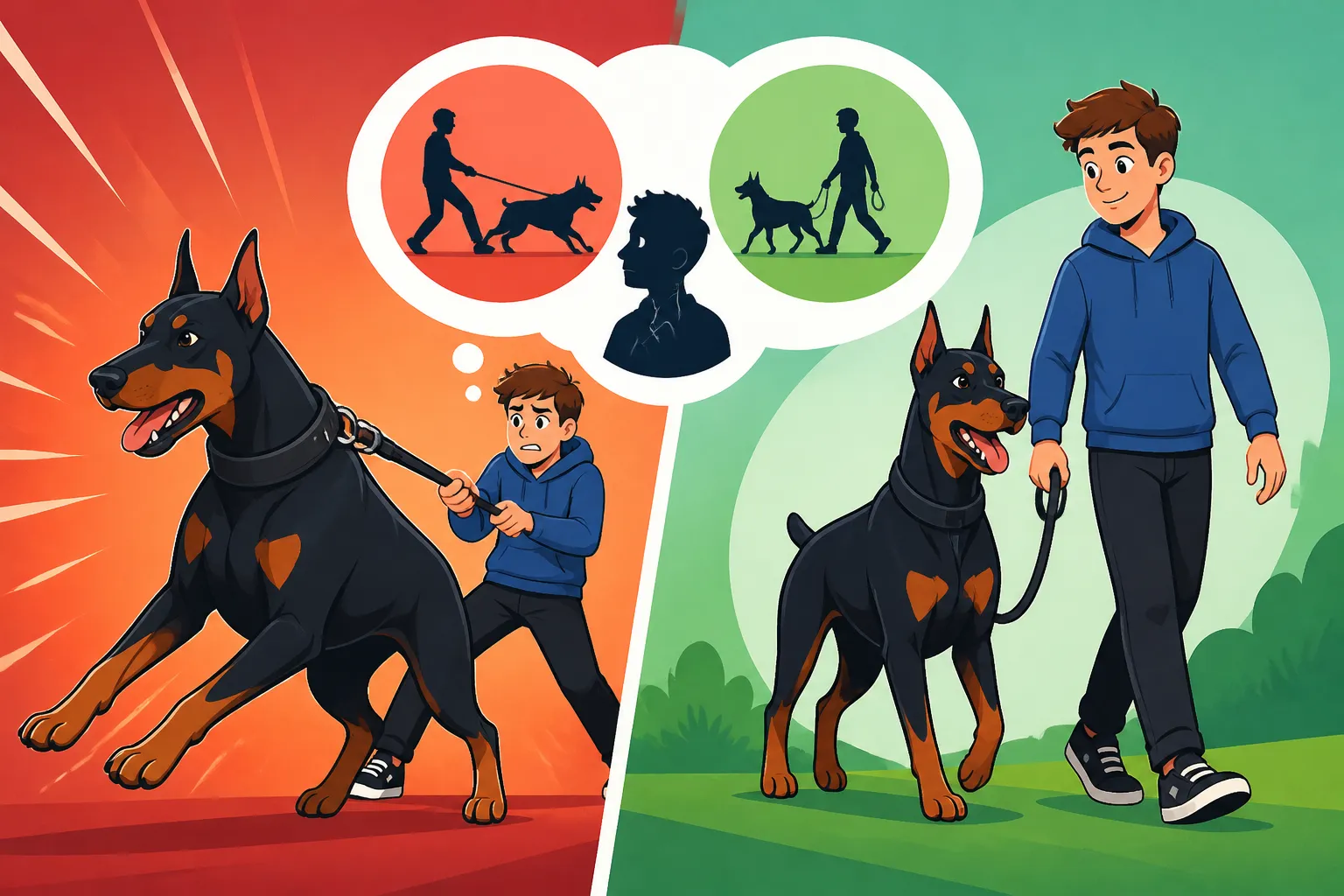
An adult Doberman can easily weigh between 60 to 100 pounds, sometimes even more for a larger European male. When a dog of this size decides to pull on the leash, whether it's because they've spotted a squirrel, another dog, or just a particularly interesting scent, they can generate an immense amount of force. This isn't just a minor tug; it can be a sudden, powerful lunge that can easily yank a smaller or less prepared person off their feet. Imagine your teenager, perhaps 120-130 pounds, trying to anchor an 85-pound Doberman that’s committed to chasing something. It's not a fair fight, and the Doberman will almost always win. It's not about being stubborn; it's pure physics. Your teenager might feel strong enough, but a Doberman's sudden burst of energy can be incredibly deceptive and hard to counter. This is why proper leash manners are crucial, but even with training, unexpected events can happen.
High Drive and Attention
Dobermans were bred for purpose, for guarding and working, which means they come pre-loaded with a high level of drive and an innate alertness. They are constantly scanning their environment, processing sounds, smells, and movements that we might not even notice. This makes them fantastic protectors, but it also means they can be easily distracted and overstimulated on a walk. A plastic bag blowing across the street, a jogger rounding a corner, or even just a particularly noisy bird can switch them from calm companion to focused, pulling predator in a split second.
A teenager who is still developing their own observational skills might miss the subtle cues that precede a Doberman's reaction, or they might not have the quick reflexes to redirect the dog before it acts. It's not a reflection of the teenager's intelligence, but rather their stage of development and experience compared to the dog's finely tuned instincts. The Doberman's world is full of interesting things, and their desire to investigate them can easily override a handler's command if the training isn't solid or the handler isn't fully present and assertive.
Size and Weight Considerations
Let's talk logistics. The Doberman the AKC Standard Describes aims for a balanced, athletic build, typically around 26 to 28 inches at the shoulder for males and 24 to 26 inches for females. Even a female Doberman, on the lower end of the weight spectrum, is a significant animal. This height means their center of gravity is higher, giving them leverage against a handler, especially if that handler is shorter or lighter.
Consider a simple scenario: your Doberman sees a friend and decides to greet them with enthusiasm. They launch forward, and your teenager, perhaps caught off guard, suddenly has to contend with 70 to 90 pounds of lean muscle heading in an unintended direction. It's not just about holding the leash; it's about maintaining balance, stability, and enough body weight to counteract the dog's momentum. This isn't just about avoiding an embarrassing moment; it's about preventing injuries to both the handler and the dog, and maintaining control in situations where loss of control could lead to a less-than-friendly public encounter.
Training and Equipment: Essential Tools for Control
The good news is that Dobermans are intelligent and trainable dogs, and many teenagers are eager to learn. The key is to equip both of them with the right skills and tools. It's not fair to throw a teenager and a powerful dog together without proper preparation.
The Importance of Early and Consistent Training
Training is the foundation for a well-behaved Doberman, regardless of who is holding the leash. For a teenager to safely walk a Doberman, that dog needs to have a solid understanding of leash manners from a young age. This means teaching a reliable 'heel' or 'loose-leash walk' command, and making sure the dog understands that pulling is simply not an option. Why a Clever Doberman Is Harder to Train is a topic many Doberman owners can relate to – their intelligence means they learn quickly, but also means they can learn undesirable behaviors just as fast if not guided correctly.
In our home, we started with basic obedience classes as soon as our Doberman puppy had his vaccinations. Every family member, including my teenage daughter, participated. It wasn't just about teaching the dog; it was about teaching us how to communicate with him effectively. This consistent reinforcement, where everyone uses the same cues and expectations, helps the Doberman understand what's expected no matter who is walking him. If the Doberman is already an adult and lacks these skills, a professional trainer specializing in large, strong breeds is absolutely essential. Don't expect a teenager to fix years of ingrained pulling habits alone.
Harnesses and Head Halters for Better Control
Even with excellent training, there are tools that can make a huge difference in managing a Doberman's strength, especially for a less physically robust handler like a teenager. Forget the standard neck collar for daily walks; it offers minimal control against a powerful pull and can actually cause discomfort or injury to the dog's throat.
Front-clip harnesses are a fantastic option. They redirect the dog's pulling power back towards the handler, making it much harder for them to drag you forward. Brands like Easy Walk or Freedom No-Pull Harness are popular for this reason. When a dog pulls, they pivot around to face you rather than gaining momentum forward.
Head halters, like the Gentle Leader or Halti, offer even more control by guiding the dog's head, and where the head goes, the body often follows. They can look a bit like a muzzle, which sometimes leads to public misconceptions, but they are a very effective and humane tool for managing strong dogs. They require some positive conditioning to get the dog comfortable wearing them, but the investment is worth it for the added safety. You can find a wide range of these products on sites like Chewy, making it easy to compare options and read reviews from other Doberman owners. Harnesses That Hold a Strong Doberman delves into this topic more deeply.
Here’s a quick comparison of popular options:
| Equipment Type | How It Works | Pros | Cons | Teenager Suitability |
|---|---|---|---|---|
| Flat Collar | Attaches to leash; pressure on neck. | Simple, common. | Little control against strong pull; can injure neck. | Low |
| Choke Chain | Tightens around neck with pulling. | Can stop pulling if used correctly by experienced handler. | Can cause tracheal damage, discomfort; easily misused. | Very Low (Discouraged) |
| Prong Collar | Metal prongs pinch neck when pulled. | Provides quick feedback; often effective at stopping pulling. | Requires skilled use to avoid pain/fear; not for casual use by teens. | Very Low (Discouraged) |
| Front-Clip Harness | Leash attaches at chest; redirects dog when pulling. | Reduces pulling effectively; no neck pressure; good for all skill levels. | Can tangle legs if not fitted well; might not stop all lunging. | High |
| Head Halter | Fits over snout and behind ears; guides head. | Excellent control, especially for strong pullers or reactive dogs. | Can be uncomfortable if not introduced slowly; often mistaken for muzzle. | High (with practice) |
Building a Teenager's Handling Skills
It's not enough to just give a teenager a Doberman and a fancy harness. They need to be taught how to use the tools and how to be a confident leader. Think of it as driver's education for dog walking.
- Supervised Practice: Start with short, supervised walks in low-distraction environments. Walk together, with you initially holding the leash, and guide your teenager on how to give commands, anticipate distractions, and reward good behavior. Gradually let them take the leash for longer periods, but remain close by.
- Role-Playing Scenarios: Discuss what to do if another dog approaches, if a loud truck goes by, or if the Doberman tries to chase a rabbit. Having a plan can build confidence.
- Focus on Confidence, Not Force: A Doberman responds best to a calm, confident handler, not one who tries to physically overpower them. Teach your teenager to use their voice clearly, give consistent cues, and maintain a steady stance. Yelling or yanking will only make the Doberman more agitated or shut down. Correcting a Doberman Without Breaking It is a critical skill for any handler.
- Positive Reinforcement: Emphasize rewarding the Doberman for loose-leash walking, checking in, and ignoring distractions. A teenager might find it fun to teach their Doberman tricks or engage in Puzzle Work That Actually Tires a Doberman, which builds their bond and the dog's responsiveness.
Assessing the Teenager: More Than Just Physicality
While physical strength is a big piece of the puzzle, a teenager's maturity, responsibility, and emotional preparedness are equally, if not more, important when it comes to safely walking a Doberman.
Maturity and Responsibility
Walking a Doberman is not just a chore; it’s a commitment and a responsibility. A teenager needs to understand that they are responsible for another living creature's safety, and the safety of the public. This means:
- Consistency: Are they willing to walk the dog regularly, even when it's raining, cold, or they'd rather be playing video games? Dobermans thrive on routine.
- Awareness: Do they pay attention to their surroundings? Are they glued to their phone, or are they actively monitoring the dog and the environment for potential issues? A Doberman needs a handler who is present and engaged.
- Problem-Solving: If the dog spots something exciting, will they panic, or will they remember their training and try to redirect the dog with a command or a treat?
It's about demonstrating a level of maturity that goes beyond just wanting a dog. They need to understand that What a First Doberman Demands of Its Owner is significant, and that includes the daily tasks like walking.
Confidence and Situational Awareness
Dobermans are astute judges of character, and they can sense hesitation or fear in their handler. A nervous or uncertain teenager might inadvertently signal to the Doberman that they need to be in charge, potentially leading the dog to take control of the walk or react defensively to perceived threats.
- Projecting Calmness: Teach your teenager how to project a calm, assertive demeanor. This doesn't mean being aggressive, but being clear and steady.
- Anticipating Reactions: Situational awareness is key. Can your teenager spot another dog or a child on a bike before the Doberman reacts? Can they quickly cross the street, offer a high-value treat, or change direction to avoid a potential conflict? This proactive approach is vital for managing a powerful breed. Handling a Doberman in Public Without Alarming People requires constant vigilance and quick thinking.
- Advocacy: If someone asks to pet the Doberman, can your teenager confidently say "no" if the dog isn't comfortable, or if they prefer to keep walking? They need to be the dog's advocate, protecting its space and comfort.
Legal and Public Perception Aspects
Let's face it, Dobermans have a formidable reputation. Why Dobermans Have a Frightening Reputation often stems from media portrayals and their history as guard dogs. While most Dobermans are loving family companions, their appearance alone can make some people nervous.
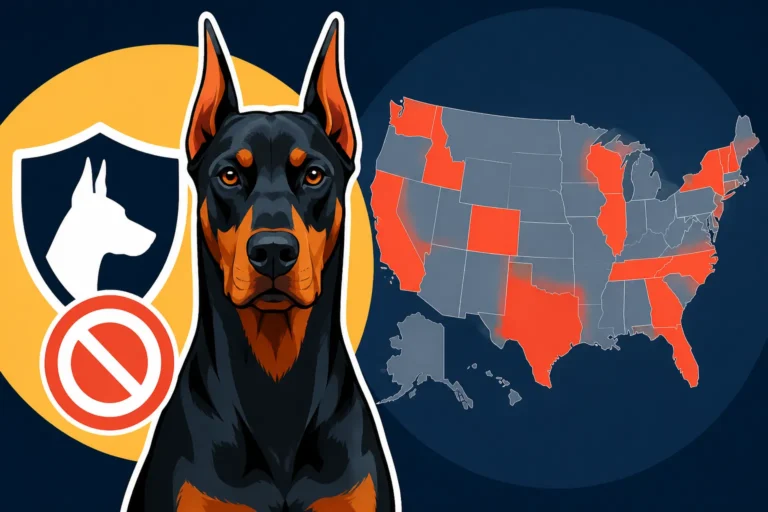
- Breed Restrictions: Be aware that some areas or landlords have breed-specific restrictions. While this doesn't directly impact walking, it highlights the external perception.
- Liability: If the Doberman were to get loose, or if an incident occurred while your teenager was walking it, you, as the owner, are ultimately responsible. This isn't meant to scare you, but to underscore the gravity of ensuring the handler is capable.
- Public Interaction: Your teenager needs to be prepared for people to cross the street, comment on the dog's appearance, or even ask questions. They should know how to politely and confidently manage these interactions, ensuring a positive image for the breed and avoiding unnecessary confrontations.
Strategies for Successful Teen-Doberman Walks
So, your teenager is eager, and your Doberman is ready to stretch their legs. How do you create a safe and successful walking dynamic? It’s all about preparation, patience, and realistic expectations.
Joint Walks and Supervision
The absolute best way to start is with joint walks. This isn't just about you supervising; it's about modeling good handling behavior for your teenager. Initially, you might hold the leash while your teenager walks beside you, observing how you handle distractions, give commands, and reward the dog. Then, gradually switch roles. Let your teenager take the leash in calm environments while you walk right beside them, offering real-time coaching and support.
Think of it as co-piloting. You're there to step in if needed, to offer encouragement, and to help them troubleshoot. This phased approach builds their confidence and allows you to gauge their readiness for solo walks. Start in your quiet neighborhood, then gradually introduce slightly busier areas as both the Doberman and your teenager gain proficiency. Doberman Puppies and Their First Heart Check is something we always do, but just as important is assessing the 'heart' of your handling team.
Structured Exercise Beyond Leash Walking
A tired Doberman is a well-behaved Doberman, and a Doberman that has had its physical and mental needs met is much less likely to pull on the leash. Relying solely on casual leash walks might not be enough for this high-energy breed. Incorporate other forms of exercise that can help drain some of that Doberman drive, making leash walks more manageable for a teenager.
- Fetch or Tug: High-intensity games in a securely fenced yard can burn a lot of energy quickly. This can be a great way for your teenager to bond with the dog and engage them physically before a walk.
- Flirt Pole: A flirt pole is like a giant cat toy for dogs, excellent for burning energy and practicing impulse control.
- Mind Games: Dobermans are smart! Engage their brains with puzzle toys, scent work, or trick training. A mentally stimulated Doberman is often calmer. You can find many interactive toys on Chewy that are designed to challenge intelligent breeds. This kind of mental engagement can reduce the intensity of their physical energy, making them more amenable to a teenager's handling on a walk.
- Dog Sports: If your teenager is interested and the Doberman is suited, consider exploring entry-level dog sports like obedience, rally, or even beginner agility. These activities provide structure, exercise, and mental stimulation, all while building a stronger bond and improving handler skills.
Continuing Education for Both Dog and Handler
Training isn't a one-time event; it's an ongoing journey. Both your Doberman and your teenager will benefit from continuous learning and reinforcement.
- Refresher Training: Even well-trained Dobermans can get rusty, or new distractions can arise. Periodically revisit basic leash manners and obedience commands.
- Teenager Workshops: Look for local dog training clubs or online resources that offer workshops for junior handlers. These can provide valuable insights, build confidence, and connect your teenager with other young dog enthusiasts.
- Observe and Adapt: Pay attention to how your Doberman is responding to your teenager's handling. Are there specific situations where they struggle? Is the Doberman becoming stronger as it matures? Be prepared to adapt equipment, training methods, or supervision levels as needed. Remember, The Doberman Years When Everything Shows Up can bring new challenges, and continuous adaptation is key.
- Seek Professional Help: If you notice significant issues with pulling, reactivity, or if your teenager is becoming overwhelmed, don't hesitate to consult a professional dog trainer or behaviorist. They can provide tailored guidance and hands-on support to ensure both your Doberman and your teenager remain safe and happy. Trainer Rates for a Reactive Doberman can vary, but the investment in professional guidance is always worth it.
Ultimately, deciding whether a Doberman is "too much" for a teenager to walk depends entirely on the specific dog, the specific teenager, and the level of preparation and support provided by the adults in the household. With the right training, equipment, supervision, and a mature, confident teenager, it can be a wonderfully rewarding experience for both of them.
Disclaimer
This article is for general informational purposes only and does not constitute professional advice. Laws, prices and regulations vary by location and change over time. Consult a qualified professional for guidance on your specific situation.