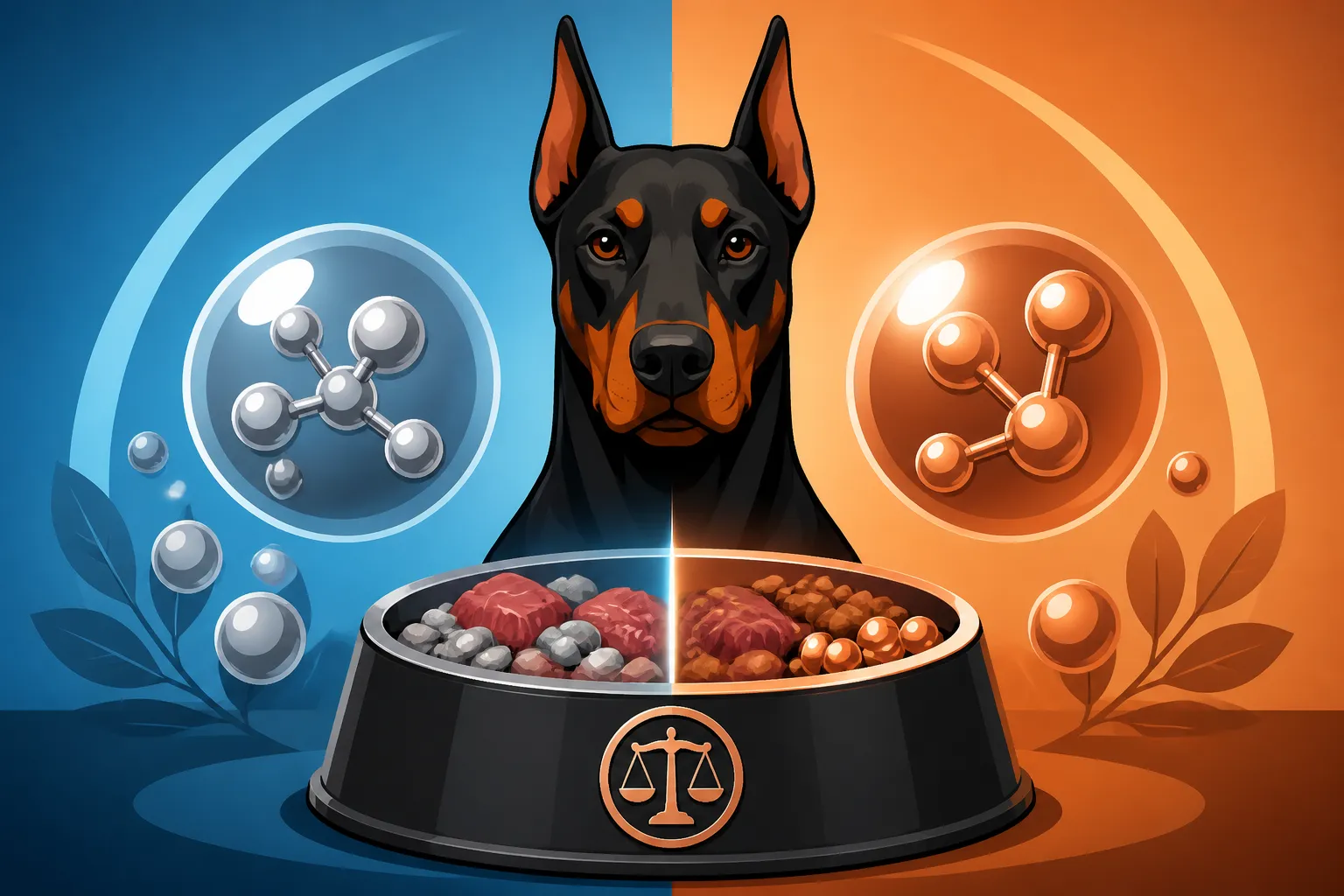
Zinc and Copper Balance in a Doberman Bowl
One of the trickiest things about owning a Doberman is navigating their unique health predispositions, and liver issues, particularly those involving copper, are high on that list. It can feel overwhelming trying to understand how what you feed your beloved dog impacts such a critical organ. This guide will help you decode the intricate relationship between zinc and copper in your Doberman's diet, offering practical steps to ensure their long-term liver health.
Why Copper is a Concern for Dobermans and Why Zinc Matters
It’s a cruel irony that some of the very nutrients essential for life can, in excess, become toxic. For Dobermans, copper is one such nutrient. While all dogs need a certain amount of copper in their diet, our Doberman friends have a genetic quirk that makes them prone to accumulating too much of it in their livers, leading to serious health problems. Understanding this predisposition is the first step in proactive care, and that’s where zinc comes into play as a valuable dietary ally.
The Doberman's Unique Predisposition to Copper Storage
Unlike many other breeds, Dobermans can be genetically predisposed to a condition called Copper-Associated Hepatopathy, or more commonly, copper storage disease. This means their bodies aren't as efficient at processing and eliminating excess copper, causing it to build up in the liver over time. Imagine a leaky bucket filling slowly but steadily; eventually, it overflows. In this case, the overflow leads to inflammation, cell damage, and ultimately, liver failure. It's a silent threat because often, there are no outward signs until significant damage has already occurred, sometimes years into their life. Many owners are shocked to learn about Copper Liver Disease in Doberman Females or Why Doberman Livers Store Copper only after their dog shows advanced symptoms.
This isn't about feeding your Doberman too much copper in the sense of deliberately overloading their diet; it's about their system's inability to handle even normal, necessary levels of copper efficiently. They might be eating a perfectly good, balanced dog food, but their liver just can't keep up. This can make owners feel incredibly frustrated and helpless, wondering if every meal is contributing to a ticking time bomb. The reality is that early awareness and dietary management are key. The scary part is How Many Dobermans Have Silent Liver Disease – often, it's a lot more than we realize until routine bloodwork or a biopsy reveals it.
The Role of Zinc in Counteracting Copper Accumulation
So, where does zinc fit into this complex picture? Think of zinc as copper's natural rival. When present in sufficient amounts in the diet, zinc actually interferes with the absorption of copper from the digestive tract. It essentially acts as a gatekeeper, reducing the amount of copper that ever makes it into the bloodstream and, subsequently, to the liver. This competitive relationship is incredibly valuable for Dobermans, as it helps to lower their overall copper burden.
Furthermore, zinc can stimulate the production of metallothionein, a protein within the liver that binds to heavy metals like copper, making them less toxic and facilitating their excretion. It's like having a dedicated cleanup crew that not only stops more trash from coming in but also helps remove the trash that's already there. Because of this dual action, adequate zinc intake becomes a cornerstone of managing and preventing copper accumulation in susceptible Dobermans. It’s a proactive step that can make a real difference in their liver health, and it's a much less invasive approach than dealing with full-blown liver disease later on.
Recognizing and Managing Copper Storage with Diet
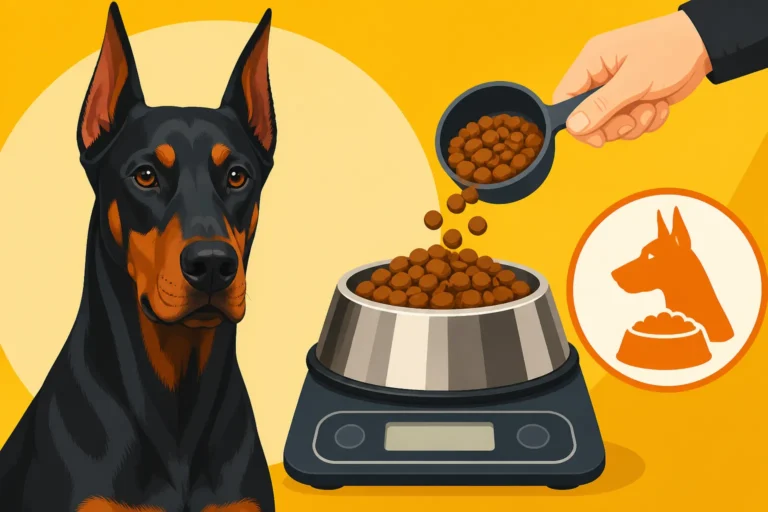
Once you understand your Doberman's predisposition, the next logical step is to become a savvy detective about their diet. It’s not about fear-mongering; it's about being informed and empowered to make the best choices for your dog. This involves knowing what to look for on ingredient labels and understanding how to select or formulate a diet that supports optimal zinc and copper balance. It's a bit of a learning curve, but it's entirely manageable.
Identifying High-Copper Ingredients in Dog Food
Many common dog food ingredients, especially those valued for their nutritional density, can be surprisingly high in copper. The challenge is that copper is an essential trace mineral, so it’s in most foods. The goal isn't to eliminate it entirely, but to be mindful of its sources and concentrations when dealing with a Doberman prone to accumulation.
Here’s a table outlining some common ingredients and their general copper levels:
| Ingredient Category | High Copper Sources | Moderate Copper Sources | Low Copper Sources |
|---|---|---|---|
| Organ Meats | Liver (especially beef, lamb), Kidney | Heart | |
| Muscle Meats | Duck, Venison, Lamb | Beef, Pork, Chicken, Turkey | White fish (e.g., cod, tilapia), Eggs |
| Grains/Legumes | Lentils, Peas, Chickpeas, Soy, Oats, Brown Rice | Barley, Quinoa | White Rice, Corn (often lower but variable) |
| Other Ingredients | Shellfish, Mushrooms, Spirulina, Yeast, Certain vitamin/mineral pre-mixes | Nuts (avoid for dogs anyway), Some vegetables (e.g., spinach) | Carrots, Green Beans, Sweet Potatoes, Most Fruits |
When scrutinizing a food label, be aware that "meat meal" or "by-product meal" can contain organ meats, which are typically richer in copper. Also, pay close attention to the guaranteed analysis or nutritional information, if provided, though specific copper percentages are not always listed on standard bags. For a Doberman suspected of having copper storage issues, your veterinarian might recommend a specific prescription diet, which will have carefully controlled copper levels. For general feeding, avoiding foods where liver or high-copper meats are listed as the first few ingredients can be a good starting point. You might find that many popular brands available on platforms like Chewy or Amazon list their full ingredient breakdown, making your research a bit easier. Which Foods Are Highest in Copper for a Doberman is a critical piece of information for proactive owners.
Strategies for Choosing a Low-Copper Diet
Choosing a low-copper diet for your Doberman isn't about deprivation; it's about intelligent selection. If your Doberman has been diagnosed with copper storage disease, a veterinary therapeutic diet specifically formulated for liver health is often the first line of defense. These diets are meticulously crafted to have restricted copper levels and often increased zinc. Brands like Royal Canin Hepatic or Hill's Prescription Diet l/d are examples of such specialized foods.
If your Doberman hasn't been diagnosed but you're aiming for a preventative approach due to breed predisposition, you'll need to be more diligent in your regular food selection. Look for:
- Lower Protein, Lower Fat Diets: While Dobermans are active, extremely high-protein diets can sometimes contain more copper, especially if the protein sources are heavy in organ meats. Discuss appropriate protein levels with your vet.
- Limited Organ Meats: Choose foods where organ meats (like liver) are not primary ingredients.
- Specific Protein Sources: Opt for diets featuring protein sources generally lower in copper, such as chicken, turkey, or certain white fish.
- Avoidance of High-Copper Grains/Legumes: While "grain-free" became a trend, many grain-free diets rely heavily on legumes like lentils and peas, which can be higher in copper. A balanced diet with carefully chosen grains might actually be better than a legume-heavy grain-free option.
- Vet Consultation: Always consult your veterinarian before making significant dietary changes, especially if there's an existing health concern. They can help you interpret food labels and determine what's truly suitable. They can also advise on Low-Copper Diets for a Doberman that are safe and effective.
Some fresh food delivery services, like Ollie, might offer customized meal plans that allow you to discuss specific dietary needs with their nutritionists, potentially helping to tailor a lower-copper option. Just ensure any such diet is balanced and reviewed by your vet. Remember, Whether a Doberman Liver Diet Is for Life often depends on the severity and progression of the disease, so it's a long-term commitment.
Supplementation and Ongoing Monitoring for Your Doberman
Dietary management is powerful, but sometimes it needs a little boost, particularly when dealing with a genetic predisposition like copper storage. Zinc supplementation can be a vital component of this strategy, but it’s not something to undertake without professional guidance. Furthermore, ongoing monitoring is essential to ensure that your efforts are paying off and to catch any issues early.
When and How to Introduce Zinc Supplements
Introducing zinc supplements to your Doberman’s diet is a decision that should always be made in consultation with your veterinarian, especially if they are already on a veterinary therapeutic diet. Over-supplementation of any mineral can have adverse effects, and zinc is no exception. However, if your vet determines it's appropriate, zinc can be a very effective chelation therapy, meaning it helps to bind and excrete excess copper.
Typically, zinc is given in specific forms, such as zinc acetate or zinc gluconate, at doses determined by your vet based on your Doberman's weight and the severity of their condition. It's often administered between meals to maximize its effectiveness in blocking copper absorption. The "how" is just as important as the "what":
- Timing: Often given at least an hour before or after meals to prevent food from interfering with its absorption or causing stomach upset.
- Dosage: This is absolutely critical and will be determined by your vet. Do not guess or rely on generic recommendations.
- Form: Zinc is available in several forms, and some are more bioavailable or better tolerated than others. Your vet will recommend the most suitable one.
- Watch for Side Effects: Zinc can sometimes cause nausea or vomiting, especially if given on an empty stomach. If you notice any digestive upset, report it to your vet immediately.
Remember, zinc is not a cure, but a management tool. It works by preventing new copper from entering the system and helping to remove existing copper. This can be combined with other Medication for a Doberman With Hepatitis if the liver damage is already significant. Always source supplements from reputable suppliers, and consider brands recommended by your vet or found on trusted pet supply sites.
The Importance of Regular Veterinary Check-ups and Bloodwork
Proactive care for a Doberman with copper concerns doesn't stop at diet and supplements; it requires consistent monitoring. Regular veterinary check-ups and specific blood tests are absolutely critical for evaluating liver health and tracking the effectiveness of your management strategy. It’s the only way to truly know if your interventions are working.
Your vet will likely recommend periodic blood panels to check liver enzyme levels (ALT, ALP, GGT), bile acids, and potentially even direct copper levels in the blood, though serum copper isn't always a perfect indicator of liver copper. More definitively, Liver Biopsy in a Doberman remains the gold standard for diagnosing and assessing the severity of copper storage disease, and your vet may recommend this procedure if liver issues are strongly suspected.
Here’s what regular monitoring typically involves:
- Annual Wellness Exams: Even without specific symptoms, a thorough physical exam can catch subtle changes.
- Routine Bloodwork: This might be done every 6-12 months, or more frequently if your Doberman is on medication or has active liver disease. These tests are essential for Monitoring Bloodwork for a Doberman Liver.
- Imaging: Ultrasounds can give a visual assessment of the liver's size, shape, and texture, although they can't directly measure copper content.
- Biopsy (if indicated): If liver enzymes are persistently elevated or other signs suggest active disease, a biopsy might be necessary to confirm the diagnosis and guide treatment.
The goal is to catch any copper accumulation or liver inflammation long before it progresses to irreversible damage. Early detection is paramount for conditions like this, as it allows for the most effective interventions. It's truly heartbreaking to see a Doberman suffering when early action might have made a difference. Your vet is your most important partner in this journey, guiding you through diagnostic tests and treatment plans, helping you give your Doberman the best possible chance at a long, healthy life, understanding that How Long a Doberman Lives With Liver Disease can be significantly impacted by early and consistent care.
Disclaimer
This article is for general informational purposes only and does not constitute professional advice. Laws, prices and regulations vary by location and change over time. Consult a qualified professional for guidance on your specific situation.