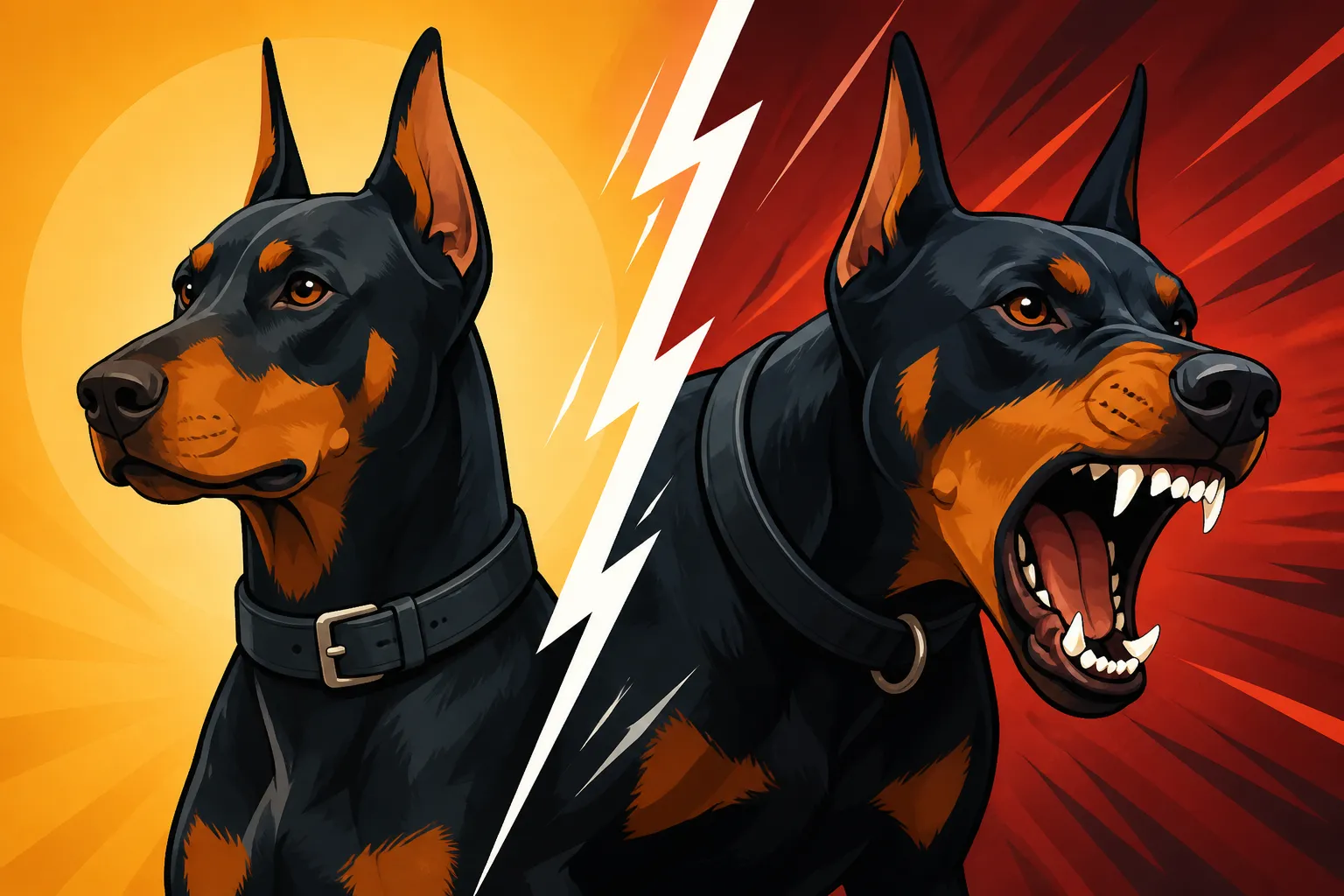
A Steady Doberman That Suddenly Turns Sharp
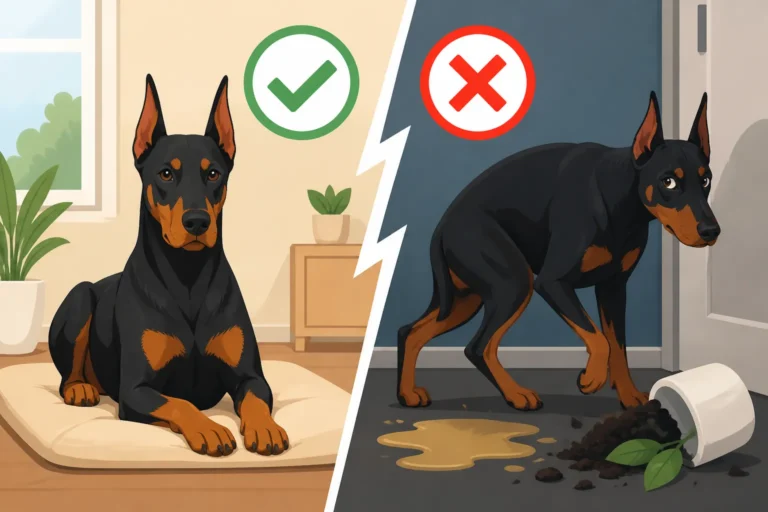
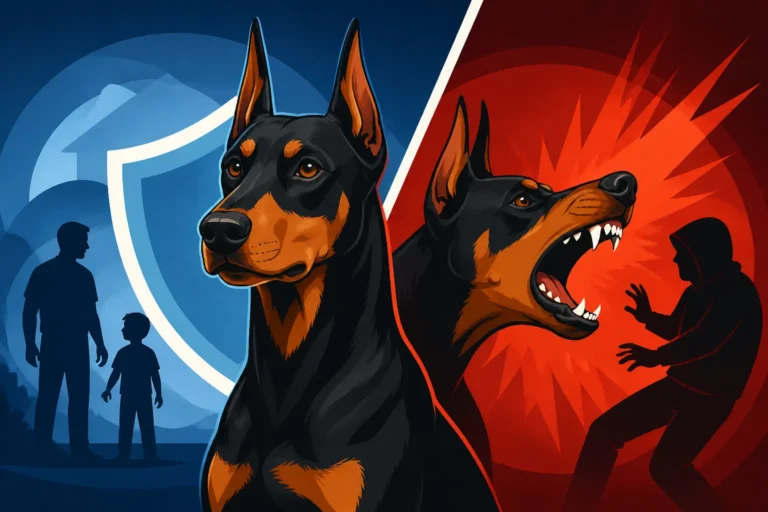
It’s incredibly unsettling when your usually calm and steady Doberman suddenly starts acting sharp, displaying uncharacteristic growls, snarls, or even snapping. One day they're your shadow, your devoted companion, and the next, they seem like a different dog, leaving you confused, worried, and perhaps even a little scared. This guide aims to help you understand the potential reasons behind such a sudden shift in your Doberman's temperament and outline the steps you can take to address it.
The Shock of a Sudden Shift in Temperament
When your Doberman, a breed known for its loyal and protective nature, undergoes a rapid change in behavior, it can feel like a betrayal of trust – both theirs and yours. You’ve come to know their quirks, their moods, and their typical reactions, so when something deviates sharply from that norm, it’s not just surprising; it’s deeply alarming. You might find yourself questioning everything you thought you knew about your dog, wondering if you missed something or if you've somehow failed them. This isn't just a minor personality blip; it often indicates an underlying issue that needs immediate attention.
What "Sharp" Looks Like in a Doberman
A Doberman turning "sharp" isn't always about outright aggression, though it can certainly escalate to that. Often, it begins with subtle changes that, when viewed together, paint a clear picture of distress or discomfort. You might notice them becoming less tolerant of touch, especially in certain areas. Perhaps they used to love a good belly rub or a firm pat on the head, and now they flinch, duck away, or even offer a low growl when approached in those ways.
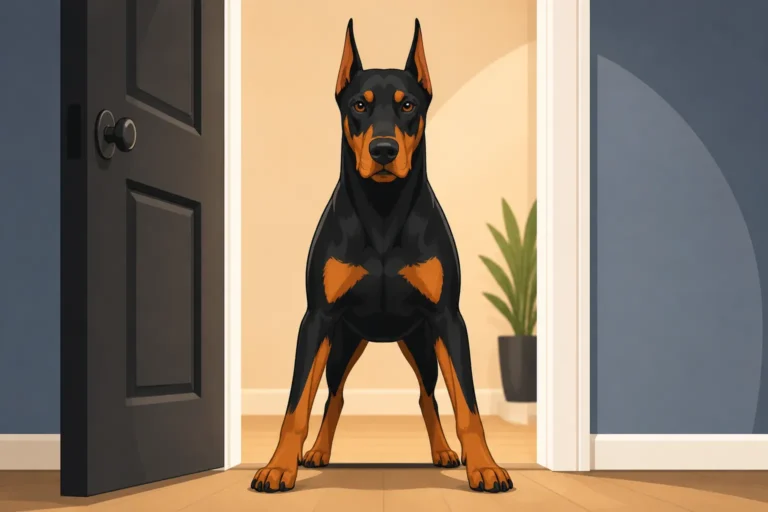
Another common manifestation is increased reactivity to stimuli they previously ignored. A passing dog on a walk, the mail carrier, or even a sudden noise inside the house might elicit an exaggerated bark, a stiff posture, or a lunge. They might start guarding resources more intently – their food bowl, a favorite toy, or even your lap – displaying warning signs like a hard stare, tensed body, or a raised hackle. This shift can be particularly unnerving because Dobermans are so naturally attuned to their owners, and a sudden withdrawal or challenge to authority feels very out of character. It’s a communication that something is profoundly wrong.
Why This Behavior Change Is So Unsettling
The Doberman breed carries a certain stigma, unfortunately, and when your well-behaved companion starts acting out, it fuels those misconceptions. Beyond public perception, it shakes your personal confidence. You might feel embarrassed, frustrated, or even guilty. The dog you trusted implicitly now seems unpredictable, and that can strain the bond you share. Living with an unpredictable large dog, especially one as powerful and intelligent as a Doberman, is a stressful experience. It impacts everything from your daily walks to having guests over, turning routine activities into potential minefields. The urgency to find the root cause isn't just about managing behavior; it's about restoring peace of mind for both you and your beloved Doberman.
Medical Reasons for Sudden Behavior Shifts
When a Doberman's personality changes suddenly, the very first place to look is always their health. Dogs, especially stoic breeds like Dobermans, are masters at hiding pain or discomfort until it becomes unbearable. A sudden shift to being "sharp" or aggressive is often their only way of communicating that they are hurting or profoundly unwell. Never assume it's simply a training issue or a behavioral problem without ruling out medical causes first. This is a critical step, as ignoring a physical ailment can lead to prolonged suffering for your dog and a worsening of the behavioral symptoms.
Pain and Chronic Discomfort
Imagine you have a nagging headache or a sore back that just won't quit. How does it affect your mood, your patience, your willingness to be touched? Dogs experience this too, and they don't have the words to tell us. Pain, whether acute or chronic, can drastically alter a Doberman's demeanor. Joint pain, often from conditions like hip dysplasia or arthritis (which can start presenting in the middle years), can make them sensitive to touch, reluctant to move, and prone to snapping if a painful area is bumped. A simple ear infection, a dental abscess that’s been brewing for weeks, or even an undiagnosed injury can cause enough discomfort to make your usually tolerant Doberman lash out.
Internal organ pain, such as from kidney disease, pancreatitis, or even the subtle discomfort of a developing condition like Copper Liver Disease in Doberman Females, can lead to irritability and a desire to be left alone. A Doberman might growl when picked up, touched on their back, or even when lying down in a certain position. They might start guarding their resting spot, or become intolerant of other pets or children approaching them when they're trying to find comfort. Pay close attention to subtle signs like changes in appetite, reluctance to jump, or favoring a limb, even if they seem minor. All these can contribute to a short temper.
Neurological Conditions
The brain is the control center for behavior, so any neurological issue can manifest as a sudden and dramatic personality change. Seizure disorders, even subtle partial seizures that might not look like a typical "grand mal" event, can cause disorientation, fear, or aggression before, during, or after the episode. These "focal seizures" might just look like staring into space or unusual repetitive movements, but they can significantly impact how your Doberman processes information and reacts to their environment.
More serious conditions like brain tumors, encephalitis (brain inflammation), or even spinal cord compression related to Wobbler Syndrome in the Doberman can affect mood, cognitive function, and impulse control. A Doberman experiencing these issues might suddenly develop irrational fears, confusion, or a lowered threshold for aggression. They might seem to "forget" their training or react disproportionately to everyday stimuli. These conditions require immediate veterinary attention, often involving specialized imaging like an MRI to get a proper diagnosis.
Hormonal Imbalances and Organ Disease
Hormones play a huge role in regulating mood and behavior. One of the most common hormonal culprits for behavioral changes in Dobermans is hypothyroidism. A Doberman with an underactive thyroid might become lethargic and gain weight, but they can also become anxious, irritable, or even aggressive. It’s often a subtle change at first, a gradual slowing down or slight increase in grumpiness, but it can suddenly spike to a more pronounced sharpness. If your Doberman seems to have Weight Gain and Low Energy in a Doberman alongside behavioral shifts, thyroid testing is a must. Your vet will look for The Thyroid Numbers That Slow a Doberman Down to diagnose this.
Beyond the thyroid, organ diseases can also impact behavior. Liver disease, for example, can cause a buildup of toxins in the bloodstream that affect brain function, leading to confusion, lethargy, or even aggression in some cases. Heart conditions, such as The Heart Disease That Reaches Most Dobermans, might not directly cause aggression, but a Doberman that is constantly uncomfortable, breathless, or experiences dizzy spells from a failing heart might become irritable and react sharply when startled or pushed past their comfort zone. The Silent Years Before a Doberman's Heart Shows can be deceptive, as subtle discomfort can still influence temperament.
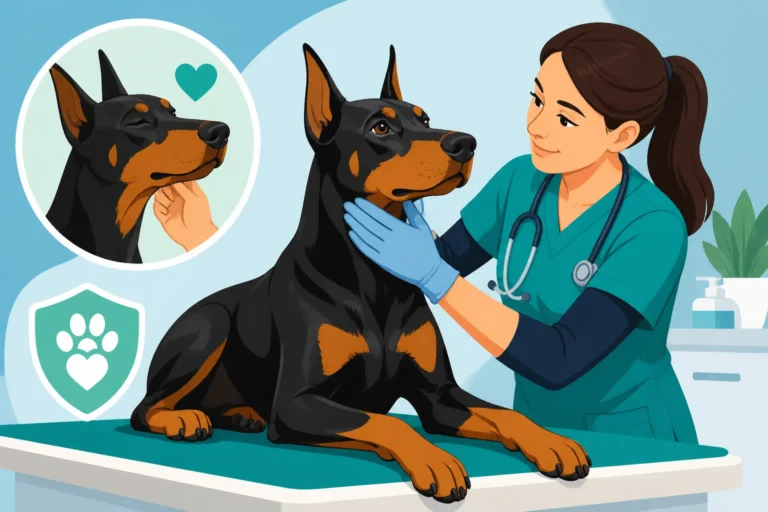
It’s crucial to get a full veterinary check-up, including bloodwork, a urinalysis, and potentially imaging or specialized tests, as soon as you notice a significant behavioral change. Your veterinarian is your first and most important partner in deciphering what’s truly going on with your Doberman. They can rule out underlying medical conditions, and if something is found, proper treatment can often resolve or significantly improve the behavioral issues.
Environmental and Training Triggers
Once medical causes have been thoroughly ruled out by your veterinarian – and I mean thoroughly, with all the necessary tests – then it's time to consider the behavioral and environmental factors. Our Dobermans are incredibly sensitive and intelligent creatures, and their behavior is a direct reflection of their environment, their experiences, and our interactions with them. A "sharp" turn can often stem from something in their world that has shifted, or from a misunderstanding in their training and perception of safety.
Changes in the Home Environment
Dobermans thrive on routine and stability. They bond deeply with their families and can be highly sensitive to changes in their living situation. A new baby, a new pet, a houseguest staying for an extended period, or even a sudden shift in your work schedule can throw a sensitive Doberman off balance. They might perceive these changes as a threat to their resources, their bond with you, or their overall sense of security. For example, if a new baby arrives, the Doberman might suddenly feel displaced, leading to guarding behavior over their space or even you, which can manifest as snappiness if they feel challenged.
Moving to a new home, even if it's a bigger, better space, can be incredibly stressful. New sights, sounds, smells, and a completely new territory to navigate can trigger anxiety and insecurity, making a Doberman more prone to reacting sharply to perceived threats. Think about it: they've lost their familiar safe zone. Even subtle changes, like a new piece of furniture that blocks a favorite pathway or a construction project next door creating constant loud noises, can contribute to stress levels that eventually boil over into aggressive displays.
Inconsistent Training and Communication Gaps
Dobermans are smart – often too smart for their own good! They thrive on clear, consistent communication and firm, fair leadership. If training has been inconsistent, if boundaries have blurred, or if they've been allowed to "get away" with certain behaviors, they might start testing the limits. A Doberman that was taught to 'guard the house' in an overly zealous way might start doing it too well, leading to barking, lunging, or even nipping at visitors they deem unwelcome.
Furthermore, using harsh or punitive training methods can severely damage a Doberman's confidence and trust, potentially leading to fear-based aggression. A dog that has been corrected too heavily, perhaps with a prong collar or e-collar, might eventually associate the discomfort with the presence of other dogs or people, leading them to lash out preemptively. Rebuilding Trust With a Harshly Handled Doberman is a long and patient process. Sometimes, an owner unintentionally reinforces fearful or anxious behaviors without realizing it, inadvertently teaching the Doberman that being "sharp" gets them what they want – whether that's space, the retreat of a perceived threat, or attention. It’s vital to use positive reinforcement techniques to build confidence and clearly communicate expectations. Why Yelling Shuts a Doberman Down is a concept many owners overlook.
Fear, Anxiety, and Lack of Socialization
Many instances of sudden "sharpness" in Dobermans are rooted in fear or anxiety. A Doberman that wasn't adequately socialized as a puppy, or one that had a traumatic experience, might develop deep-seated fears that manifest later in life. Imagine a Doberman puppy that rarely left the breeder's yard or was isolated during its crucial developmental window; later, the sounds of city traffic or the presence of strangers can be terrifying, leading to defensive aggression. The Sixteen Weeks That Set a Doberman Up is a key period for foundational socialization.
Even well-socialized Dobermans can develop fears later due to a negative encounter – a dog attack, a bad fall, or a scary experience at the vet. This can lead to a formerly friendly Doberman suddenly becoming reactive or fearful in specific situations, such as A Doberman That Lunges at Passing Dogs or Getting a Doberman Used to Vet Handling. They might growl or snap to create distance from whatever frightens them, rather than because they are inherently aggressive. Understanding What a Doberman Yawn Actually Means or A Doberman That Stiffens Before It Growls can help you spot early signs of discomfort. Identifying these fear triggers and working with a professional to build positive associations is key to addressing the behavior.
Addressing the Behavior: A Step-by-Step Approach
When your Doberman suddenly turns sharp, it’s natural to feel overwhelmed, but there’s a clear path forward. This isn’t something you should try to handle alone, and immediate, systematic action is necessary for your Doberman's well-being and the safety of everyone around them.
Step 1: Immediate Veterinary Consultation
As discussed, medical issues are often the hidden drivers of sudden behavioral changes. Before anything else, schedule a comprehensive check-up with your veterinarian. Be prepared to discuss:
- Changes in appetite or thirst: Is your Doberman eating more, less, or refusing certain foods? Is their water intake different?
- Changes in energy levels: Are they more lethargic, or suddenly hyperactive or restless?
- Any limping, stiffness, or reluctance to move: Watch for subtle signs of discomfort, like difficulty getting up, going up stairs, or jumping.
- Changes in bathroom habits: Accidents, increased frequency, or straining.
- Changes in vision or hearing: Have they started startling more easily? Do they seem to miss things they used to notice?
- Any recent injuries or known health issues: Even minor bumps or scrapes can be more painful than they let on.
- Medications and diet: Review everything your Doberman is currently taking or eating.
Your vet will likely perform a physical exam, blood tests, and urinalysis. They might also recommend X-rays to check for skeletal pain, or specialized blood panels to look for The Thyroid Numbers That Slow a Doberman Down or other hormonal imbalances. Don't hesitate to ask for a referral to a veterinary behaviorist if your general vet cannot find a physical cause, or if they suspect a complex behavioral component alongside medical issues.
| Potential Cause | Common Behavioral Symptoms (May Include "Sharpness") | Initial Action Required |
|---|---|---|
| Pain/Injury | Growling/snapping when touched, reluctance to move, guarding body part, irritability | Full physical exam, X-rays |
| Neurological Issues | Disorientation, confusion, irrational fear, seizures, aggression | Neurological exam, imaging |
| Hormonal Imbalance | Lethargy, irritability, increased anxiety, weight changes | Blood panel (e.g., thyroid) |
| Sensory Decline | Startling easily, increased anxiety, unresponsiveness to cues, confusion | Eye/ear exam |
| Organ Disease | Lethargy, changes in appetite, irritability, confusion | Bloodwork, urinalysis, imaging |
Step 2: Management and Safety First
While you're waiting for vet results and consulting with professionals, your priority is to ensure the safety of everyone involved. This means managing your Doberman's environment to prevent further incidents.
- Muzzle Training: This is not a punishment; it’s a vital safety tool. Get your Doberman used to wearing a comfortable, well-fitting basket muzzle. Start slowly, associating the muzzle with positive things like treats, and gradually increase the time they wear it. Muzzles should be comfortable enough to allow them to pant and drink water. You can find excellent, humane basket muzzles on platforms like Amazon. Muzzle training proactively before it's an emergency can save lives, and it allows your dog to participate in activities safely while you work on the underlying issues. Remember, Muzzle Training a Doberman Before It Is Needed is a smart move for any owner.
- Leash Management: Keep your Doberman on a leash in public and when guests are present. This provides immediate control and prevents them from approaching situations that might trigger their sharpness.
- Create a Safe Space: Give your Doberman a quiet, comfortable "den" where they can retreat and not be disturbed. This might be a crate or a designated room. Ensure children and other pets understand this is their private space.
- Avoid Triggers: Identify situations or interactions that seem to provoke the sharp behavior and avoid them as much as possible until you have a better understanding of the root cause. This might mean walking at different times or routes, or using baby gates to separate them from visitors.
Step 3: Seek Professional Behavioral Help
Once medical causes are addressed or ruled out, the next step is to consult a qualified professional specializing in dog behavior. This is not the time for a generic puppy class or a trainer who relies solely on punitive methods.
- Veterinary Behaviorist (Dip. ACVB): These are veterinarians with advanced training and certification in animal behavior. They are uniquely qualified to diagnose and treat behavioral problems, often working in conjunction with your primary vet, and can prescribe medication if anxiety or fear is a major component.
- Certified Professional Dog Trainer (CPDT-KA, CDBC): Look for trainers with reputable certifications who use positive reinforcement, force-free methods. A Certified Dog Behavior Consultant (CDBC) has specific expertise in addressing complex behavioral issues like aggression. Ask if they have experience with Dobermans and sudden behavior changes. Finding a Trainer Who Has Worked With Dobermans is crucial, as the breed's intelligence and sensitivity require a nuanced approach. Avoid anyone who promises quick fixes or suggests dominance-based or heavy correction techniques, as these can exacerbate fear and aggression in a Doberman. The online platform BAXTER & Bella, for example, offers resources for building a solid training foundation that can be a good supplement to one-on-one professional guidance.
- Behavioral Assessment: The professional will conduct a thorough assessment, reviewing your Doberman’s history, daily routine, and the specifics of the behavioral changes. They’ll observe your dog’s reactions and help identify triggers.
Step 4: Implement a Behavior Modification Plan
Working with your chosen professional, you’ll develop a tailored behavior modification plan. This will likely involve:
- Counter-Conditioning: Changing your Doberman's emotional response to triggers from negative to positive. For example, if they're sharp towards visitors, every time a visitor appears (at a safe distance), they get high-value treats.
- Desensitization: Gradually exposing your Doberman to triggers at a low intensity, slowly increasing the intensity as they become more comfortable. This is a slow, careful process that must not rush the dog.
- Structure and Predictability: Re-establishing clear routines and expectations helps reduce anxiety. Consistent boundaries and rewards for calm behavior are essential.
- Enrichment: Providing plenty of mental and physical exercise, appropriate for their age and physical condition, helps reduce stress and boredom. Puzzle toys, scent work, and controlled walks can be invaluable.
- Medication (if prescribed): For severe anxiety or fear, a veterinary behaviorist might prescribe medication to help lower your Doberman's overall stress levels, making them more receptive to behavior modification techniques. This isn't a cure but a tool to help them learn.
Remember, patience is paramount. Addressing a sudden behavioral shift in a Doberman can take time, consistency, and a deep understanding of their needs. But with the right support, many Dobermans can successfully navigate these challenges and return to being the steady, loving companions you know them to be.
Disclaimer
This article is for general informational purposes only and does not constitute professional advice. Laws, prices and regulations vary by location and change over time. Consult a qualified professional for guidance on your specific situation.