Whether Rust Markings Fade on a Doberman
It's a common concern for Doberman owners, especially those new to the breed: that stunning, rich rust marking that provides such a striking contrast to their sleek black, red, blue, or fawn coats. You worry that over time, those beautiful accents might start to dull, thin, or even vanish. This guide is here to reassure you and explain why your Doberman's rust markings might appear to fade, and what you can do to keep them looking their best.
The Foundation of Doberman Rust Markings
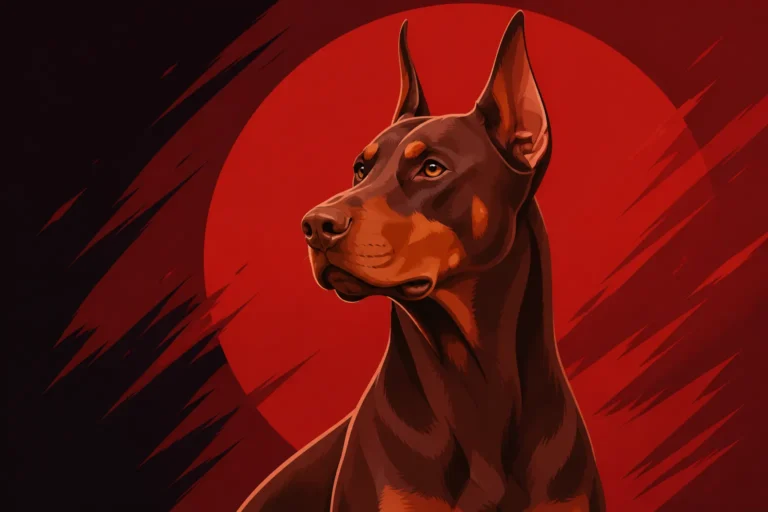
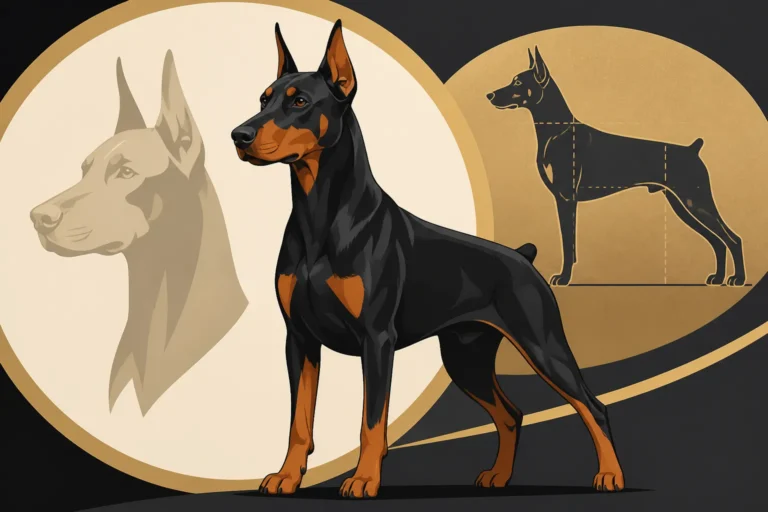
First, let's talk about what those rust markings actually are. They're not just random splashes of color; they're a genetically determined pattern of pigmentation, a hallmark of the Doberman breed. The Doberman Pinscher standard, whether it's the American Kennel Club's or others, specifically describes the placement and desirability of these markings. You'll find them above each eye, on the muzzle, throat, and forechest, on all four legs and feet, and underneath the tail. The richness and clarity of these markings are part of what makes a Doberman so visually distinct.
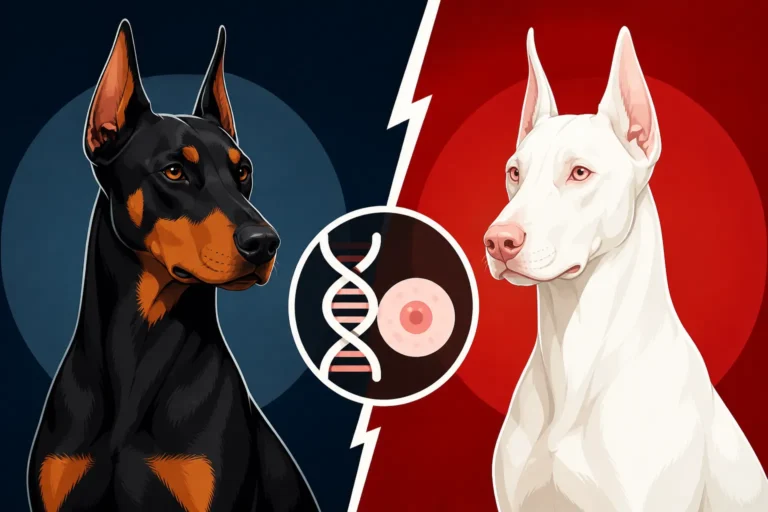
These colors are part of your Doberman's genetic makeup, passed down from their parents. For instance, a Doberman can be black and rust, which is the most common and widely recognized color. You also have red Dobermans, who will have rust markings that complement their lighter, often mahogany-toned base coat. There are also the diluted colors, blue and fawn, which also feature rust markings that harmonize with their respective dilute base coats. These genetic instructions are quite stable, meaning the presence of the rust markings isn't something that typically "fades" away like an old photograph over time in a healthy dog. It's more about how well the coat itself is maintained and the health underlying it.
Why Rust Markings Might Appear to Fade
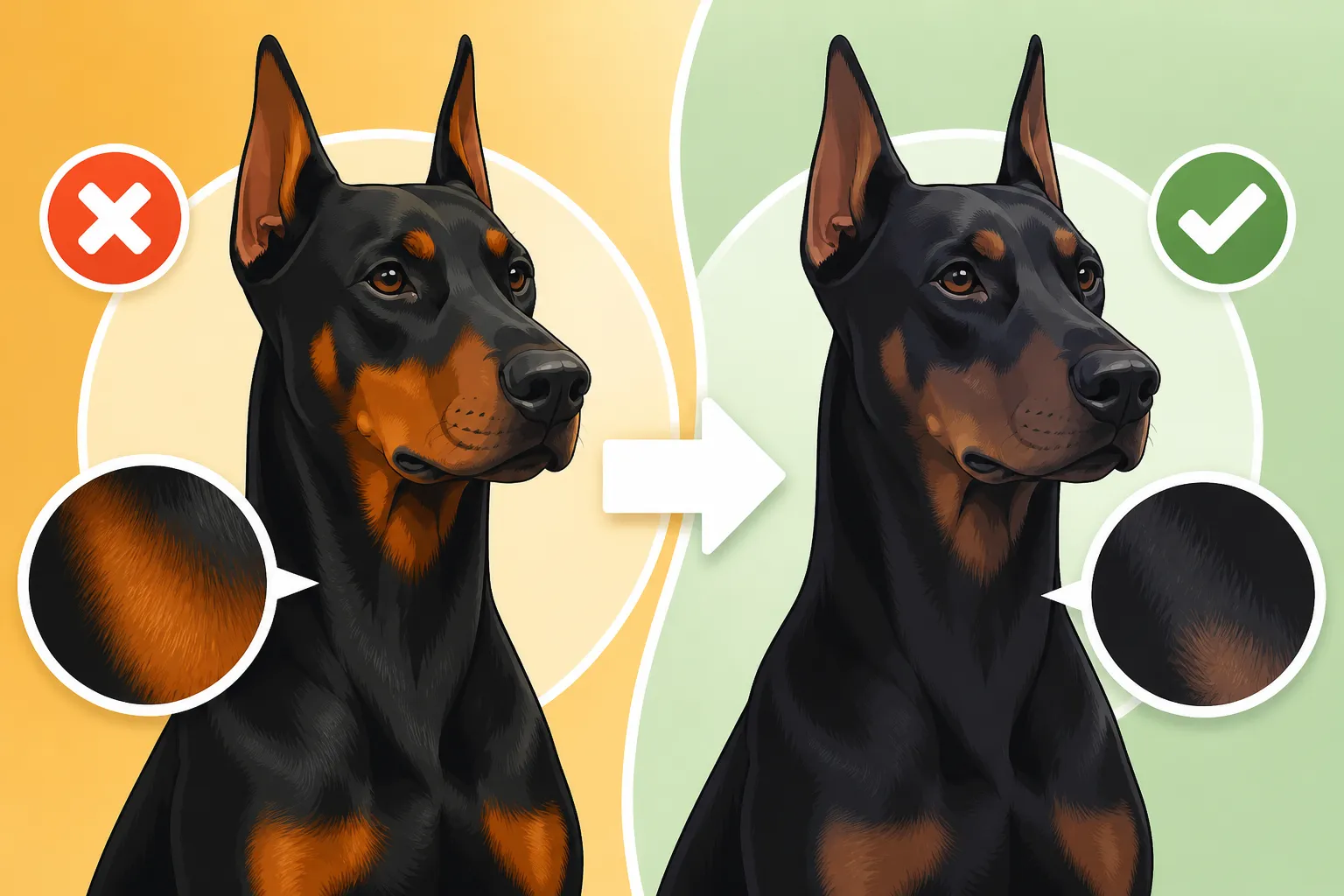
While true, permanent fading of genetically determined rust markings is uncommon, several factors can make them appear less vibrant or rich. It's like looking at a perfectly painted car under different lighting or when it's covered in a layer of dust – the true color is still there, but its presentation is altered.
Sun Exposure and Its Effects
Just like human hair can lighten or develop highlights from prolonged sun exposure, a Doberman's coat, especially the colored rust points, can be affected by UV rays. If your Doberman spends a lot of time outdoors, particularly during peak sun hours, you might notice the rust markings taking on a more washed-out or even bleached appearance. This isn't a permanent genetic change; it's more like sun damage to the outer layer of the hair shaft. Once new hair grows in, the original color typically returns, assuming the underlying health and genetics are sound. This effect can be more noticeable on dogs with lighter base coats, like a red Doberman, or those with less intense rust coloring to begin with.
Coat Condition and Overall Health
The luster and depth of your Doberman's rust markings are intrinsically linked to the overall health and condition of their coat. A dull, dry, or brittle coat won't reflect light as vibrantly as a healthy, shiny one, making the rust seem less striking. This can be influenced by several factors:
- Nutrition: A diet lacking in essential nutrients, particularly omega-3 and omega-6 fatty acids, can lead to a dry, lackluster coat. If your Doberman isn't getting adequate high-quality protein and fats, their coat will suffer, and the intensity of their markings can diminish. Think about feeding an eighty-pound Doberman well – it's crucial for their entire body, coat included. Many owners find great quality food and supplements on platforms like Chewy that specifically cater to coat health.
- Skin Health: Underlying skin issues, such as allergies, infections, or even just dry skin, can impact hair growth and quality. If your Doberman is experiencing dandruff and flaking on a Doberman, or other skin irritations, the hair in those areas might not grow in with its full, rich color. This is particularly relevant for dilute colors like blue and fawn, which are prone to specific skin and coat problems, including color dilution alopecia, which leads to hair loss and can certainly make any remaining markings appear less distinct.
- Internal Illness: Sometimes, a subtle dulling of the coat can be an early indicator of a more serious underlying health issue. While not directly "fading" the rust, an unhealthy dog may present with a poor coat that makes all its colors appear less vivid. It's part of why consistent health monitoring throughout The Doberman Years When Everything Shows Up is so vital.
Dirt, Grime, and Inadequate Grooming
This one might seem obvious, but a dirty coat will always look duller than a clean one. If your Doberman loves to roll in the mud or spends a lot of time outside accumulating dust and grime, those rust markings can easily be obscured and lose their vibrancy. Regular grooming, including appropriate bathing and brushing, is essential for maintaining a clean and healthy coat. A Doberman's short, sleek coat, while seemingly low maintenance, still benefits from consistent care. Doberman Grooming on a Coat With No Undercoat will tell you that a good brush can make a world of difference.
Age-Related Changes
As Dobermans age, it's natural for them to start developing gray hairs, particularly around the muzzle, eyes, and sometimes interspersed throughout their body coat. While this isn't the rust markings themselves fading, the increasing amount of gray can create an overall lighter or less uniformly colored appearance, making the rust patches seem less prominent by contrast. This is a normal part of the aging process and not a sign of poor health unless accompanied by other symptoms.
True Fading Versus Temporary Dulling: How to Tell the Difference
Distinguishing between a temporary dulling of the rust markings and a perceived "fading" due to more entrenched factors is important for knowing how to address it.
| Characteristic | Temporary Dulling/Appearance Change | Genetic Variation/Health Indicator |
|---|---|---|
| Cause | Sun exposure, dirt, dry coat, poor grooming, temporary nutritional gaps | Genetic predisposition, underlying skin condition, systemic illness |
| Appearance | Washed-out, bleached, dull, obscured by dirt | Less intense color from birth, patchy, accompanied by skin irritation |
| Reversibility | Often reversible with proper care (shade, nutrition, grooming) | Not truly reversible (if genetic); manageable if health-related |
| Associated Signs | Healthy skin, good body condition, normal energy levels | Dry/flaky skin, excessive shedding, itching, lethargy, changes in appetite |
If the dullness seems to affect specific areas, such as the back, which gets the most sun, it's likely sun-related. If the coat generally feels dry or looks unkempt, a dietary or grooming issue is more probable. However, if you notice the rust markings are becoming patchy, the skin beneath is irritated, or your Doberman is showing other signs like excessive itching, hair loss, or changes in behavior, it's time for a vet visit. These could indicate more serious skin conditions or internal health problems that require professional diagnosis and treatment. For example, Skin and Coat Care for a Blue or Fawn Doberman often requires specialized attention due to the delicate nature of their diluted coats.
Nurturing Vibrant Doberman Markings
The good news is that for most Dobermans, maintaining the rich vibrancy of their rust markings comes down to solid, consistent care.
Prioritize Top-Tier Nutrition
A high-quality diet is the bedrock of a healthy coat and skin. Look for dog foods with excellent protein sources and balanced fats, including omega-3 and omega-6 fatty acids. These essential fatty acids are crucial for skin barrier function and coat luster. You might consider adding a fish oil supplement or a specific skin and coat supplement to your Doberman's diet, especially if you notice dryness. Products specifically formulated for skin and coat health, often rich in omega oils for a Doberman with coat loss or dullness, can be found readily on sites like Chewy. Always check with your vet before introducing new supplements to ensure they're appropriate for your dog's individual needs.
Implement a Consistent Grooming Routine
Even though Dobermans have short coats, they benefit greatly from regular grooming.
- Brushing: A quick daily or every-other-day brush with a soft bristle brush or a grooming mitt will remove loose hair, dirt, and stimulate natural oils, distributing them evenly across the coat. This not only keeps the coat clean but also promotes shine and depth of color.
- Bathing: Bathe your Doberman as needed, typically every few weeks to a couple of months, using a high-quality dog shampoo that is gentle and moisturizing. Over-bathing can strip natural oils, leading to dry skin and a dull coat. Choose a shampoo designed for sensitive skin or those that promote coat health. Doberman Grooming on a Coat With No Undercoat emphasizes the importance of using appropriate products that won't irritate their thin skin.
- Sun Protection: If your Doberman loves to sunbathe, try to provide shaded areas during the hottest parts of the day. For extended outdoor activities, consider a lightweight dog coat that offers UV protection, particularly for sensitive areas, though this might not be practical for everyday use.
Regular Veterinary Check-ups
Don't underestimate the power of routine vet visits. Your veterinarian can spot subtle signs of nutritional deficiencies, allergies, or other health issues that might manifest as changes in coat quality long before they become obvious problems. Early detection and intervention are key to maintaining your Doberman's overall health, which in turn reflects in their coat. A healthy Doberman will naturally have a more vibrant and appealing coat.
Environmental Considerations
Beyond direct care, consider your Doberman's environment. Ensuring they have comfortable, clean bedding can prevent skin irritation. Protecting them from harsh weather, both extreme sun and bitter cold, will help maintain coat integrity. While Dobermans are adaptable, their short coat means they feel the cold easily, which can sometimes impact skin health if they're constantly shivering or exposed to dry, cold air.
Ultimately, your Doberman's rust markings are a beautiful and inherent part of their breed identity. While they aren't likely to truly "fade" in a permanent, genetic sense, their vibrancy can be temporarily dulled by environmental factors, diet, and underlying health issues. By providing excellent nutrition, consistent grooming, and regular veterinary care, you'll ensure those stunning rust accents remain as rich and striking as they were meant to be.
Disclaimer
This article is for general informational purposes only and does not constitute professional advice. Laws, prices and regulations vary by location and change over time. Consult a qualified professional for guidance on your specific situation.