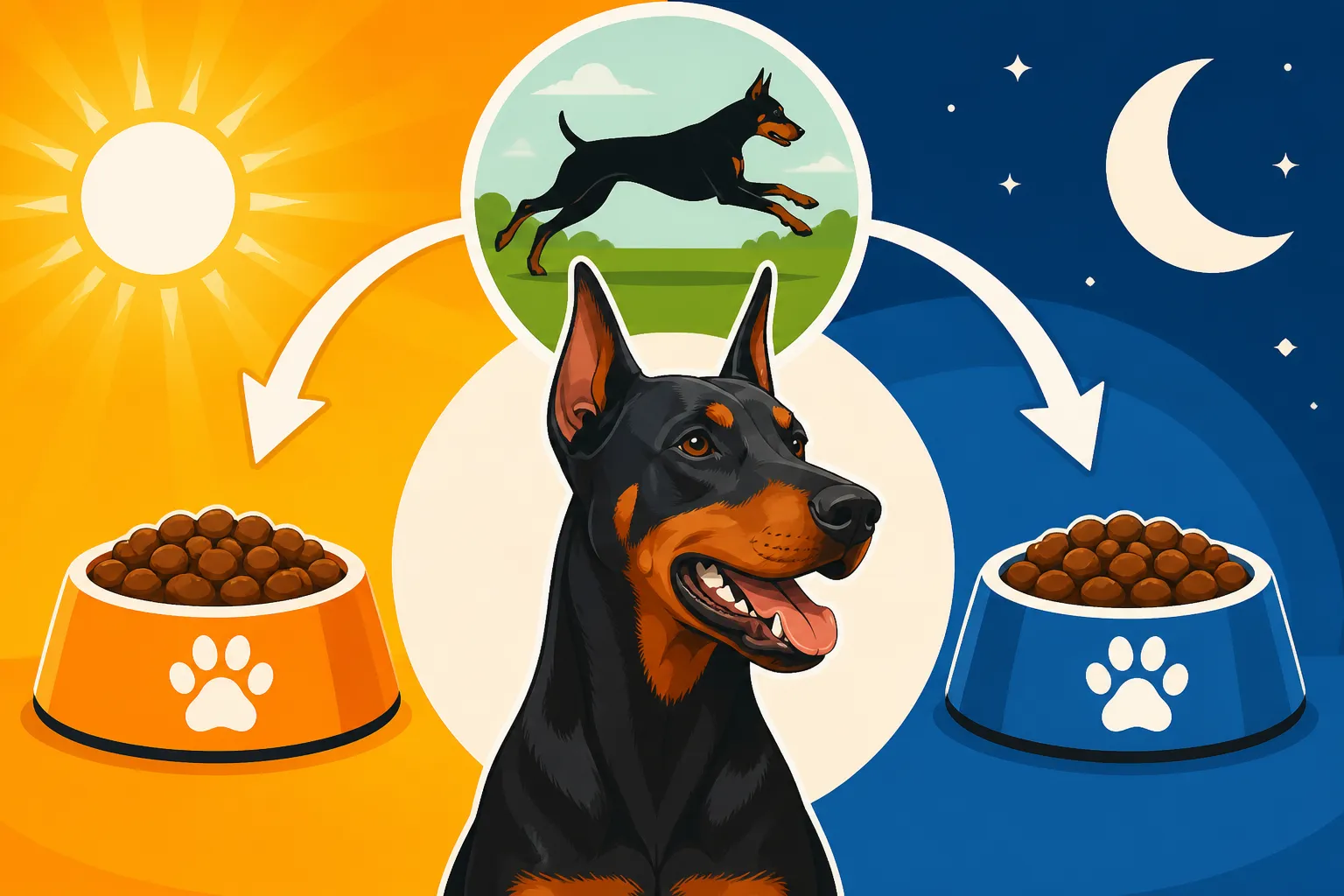
Splitting a Doberman’s Meals Around Exercise
As a Doberman owner, there's a unique knot of anxiety that forms in your stomach every time your lean, muscular companion finishes a meal, especially if they're about to bounce off the walls or head out for some serious exercise. We all worry about "bloat" – that terrifying, often fatal stomach twist – and trying to figure out the perfect timing for meals around an active Doberman's demanding schedule feels like a constant puzzle. This guide aims to unravel that mystery, providing practical, empathetic advice on how to split your Doberman's meals to support their high energy levels while safeguarding their health.
Understanding the Doberman's Unique Digestive Needs
Dobermans are a breed unlike many others, not just in their striking appearance and intelligent minds, but also in their physical makeup. Their very build, which contributes to their elegance and athleticism, also presents specific vulnerabilities when it comes to digestion. Ignoring these unique needs can lead to serious health concerns, making a thoughtful approach to feeding absolutely essential for every Doberman parent.
The Deep, Narrow Chest and Bloat Risk
One of the most defining characteristics of the Doberman, as described by the breed standard, is their deep and relatively narrow chest. While this gives them that powerful, noble silhouette, it unfortunately also puts them at a significantly higher risk for Gastric Dilatation-Volvulus (GDV), more commonly known as bloat. This isn't just an upset stomach; it's a life-threatening emergency where the stomach first fills with gas and fluid (dilatation) and then twists upon itself (volvulus), cutting off blood supply and trapping everything inside.
The exact reasons why deep-chested breeds are predisposed to GDV aren't fully understood, but it's believed that the extra space in the abdominal cavity might allow the stomach more room to move and twist. Eating too quickly, consuming one large meal, or engaging in strenuous exercise immediately before or after eating are all considered contributing factors. For us Doberman owners, this means every feeding decision carries a weight of responsibility, knowing that a simple oversight could have devastating consequences. It's a constant tightrope walk between feeding them enough for their energy and doing it safely.
High Metabolism and Energy Demands
Beyond their unique chest conformation, Dobermans are also renowned for their high metabolism and boundless energy. These are dogs that thrive on activity, whether it's a vigorous run, protection training, or simply chasing squirrels in the yard. Their lean muscle mass and athletic build mean they burn through calories much faster than many other breeds. This high energy output translates directly into a need for consistent, appropriate nutrition to fuel their bodies and minds.
If a Doberman isn't getting enough fuel, or if that fuel isn't delivered in a way that provides sustained energy, you might notice a drop in performance, lethargy, or even an inability to maintain a healthy weight. Giving them one massive meal to try and meet their daily caloric needs might seem efficient, but it clashes directly with the bloat risk. Instead, we need a strategy that provides them with the energy they need without overwhelming their digestive system in a single sitting. It’s about finding that sweet spot where their athletic needs and their physiological vulnerabilities can both be managed with care.
The Critical Link Between Feeding and Exercise
For a Doberman, mealtime isn't just about satisfying hunger; it's intricately tied to their physical activity levels. Understanding this connection is paramount, as poor synchronization between feeding and exercise is one of the most significant risk factors for the dreaded bloat. It's not just an old wives' tale; there's a physiological basis for why timing these two aspects of your Doberman's day is so crucial.
Why Timing Matters: The Science Behind Bloat and Activity
When a Doberman eats a large meal, their stomach expands significantly. If they then engage in vigorous activity like running, jumping, or intense play, their stomach can literally swing and jostle within that deep chest cavity. This movement, combined with the presence of food and gas, increases the likelihood of the stomach twisting on its axis. Imagine trying to run a marathon immediately after a huge Thanksgiving dinner – it's uncomfortable for us, but for a Doberman, it can be fatal.
Scientific theories suggest that the combination of a full stomach and physical exertion can lead to excessive gas production, possibly from swallowed air during rapid eating or fermentation of certain foods. This gas-filled stomach is then more buoyant and unstable, making it easier for it to flip or rotate, initiating the volvulus. Once twisted, the entrance and exit of the stomach are sealed off, blood flow is compromised, and the clock starts ticking for emergency intervention. This understanding underscores why the "wait an hour" rule isn't just a suggestion, but a vital piece of Doberman care.
Practical Risks of Poor Timing
In the hustle and bustle of daily life, it's easy to overlook the importance of meal timing. Perhaps you fed your Doberman and then got caught up in a work call, only to realize an hour later that they need their walk or training session. Or maybe your Doberman, fueled by puppy exuberance, decides to engage in an intense game of tug-of-war or some wild zoomies right after gobbling down their breakfast. These are the real-world scenarios that can put your Doberman at risk.
Think about a typical Saturday morning. You might feed your Doberman, then head out to the dog park for a vigorous fetch session. Or perhaps you're involved in protection sport, and your dog has a training session scheduled shortly after what you thought was a "light" meal. Even something as seemingly innocuous as playful wrestling with another dog in the yard can generate enough jostling to be problematic. The risk isn't just with high-impact activities; any activity that causes the stomach to move excessively after a meal can be a trigger. Being vigilant about symptoms like unproductive retching, a distended abdomen, or restlessness is critical, as bloat is an emergency that demands immediate veterinary attention. Recognizing a Doberman Stomach Twist in Time can be life-saving information.
Crafting the Ideal Meal Schedule for an Active Doberman
Given the unique needs and risks associated with Dobermans, creating a well-structured meal schedule is not just helpful, it’s absolutely vital. It’s about consistency, careful timing, and adapting to your individual dog's routine and energy levels. This isn't a one-size-fits-all solution, but a framework to ensure your Doberman stays fueled and healthy.
Optimal Number of Meals Per Day
For most adult Dobermans, splitting their daily food ration into at least two meals is the absolute minimum recommendation. Three meals a day is often even better, especially for highly active dogs, younger adolescents, or those who struggle to maintain weight. The principle here is simple: smaller, more frequent meals reduce the volume of food in the stomach at any one time, thereby minimizing the risk of dilatation and subsequent volvulus.
Think of it like this: instead of one massive dump of food that stretches the stomach to its maximum, you're providing a steady, manageable supply of nutrients throughout the day. This also helps keep their metabolism humming along, providing sustained energy without the huge spikes and crashes that can come from single, large feedings. For puppies, who are growing rapidly and have even higher metabolic demands, three to four smaller meals might be necessary. As they mature, you can gradually transition them to two or three meals, always keeping their activity level and bloat risk in mind. Splitting a Doberman's Ration Into Three can truly make a difference in their digestive comfort and safety.
The "Before and After" Exercise Rule
This is perhaps the most critical component of a Doberman's feeding schedule. As a general rule of thumb, you should aim for a significant buffer period between eating and any strenuous activity. I usually recommend waiting at least 1-2 hours before any intense exercise and 30-60 minutes after. This allows the initial stages of digestion to occur, reducing the volume and mobility of food in the stomach.
For a casual stroll around the block or a quick potty break, the "after" rule might be slightly less rigid, but anything involving running, jumping, or high-energy play demands adherence to these timeframes. If your Doberman participates in sports like agility, obedience, or protection work, you'll want to be even more meticulous. A small, easily digestible treat during a training session is usually fine, but a full meal is a no-go. Plan your dog's day around these feeding windows. If morning exercise is a priority, feed them earlier, or wait until after the activity before offering breakfast. The same goes for evening routines; make sure dinner is served well before their final romp in the yard.
Consistency is Key
Dogs thrive on routine, and Dobermans are no exception. A consistent feeding schedule not only helps regulate their digestive system but also provides a sense of security and predictability. Their bodies become accustomed to processing food at specific times, which can aid in efficient digestion and nutrient absorption. Sudden, drastic changes to their feeding schedule can sometimes upset their delicate digestive balance, leading to mild stomach upset or even increasing stress levels, which can indirectly impact gut health.
Sticking to a schedule means feeding them at roughly the same times each day, seven days a week. This might require some planning, especially if your own schedule varies, but it's a small investment for your Doberman's well-being. Using an automatic feeder can be a lifesaver for busy owners, ensuring meals are delivered on time even if you're running late. Consistency in meal timing, combined with thoughtful spacing around exercise, forms the bedrock of a healthy digestive regimen for your Doberman. It contributes significantly to reducing the risk of conditions like bloat, ensuring your athletic companion can thrive.
Food Choices and Their Impact on Digestion and Energy
Beyond when you feed your Doberman, what you feed them plays an equally crucial role in their digestive health and overall energy levels. A Doberman's diet needs to support their active lifestyle without putting undue strain on their sensitive digestive system. Making informed choices about their food, hydration, and even how they eat, can make a significant difference.
Quality of Food for Sustained Energy
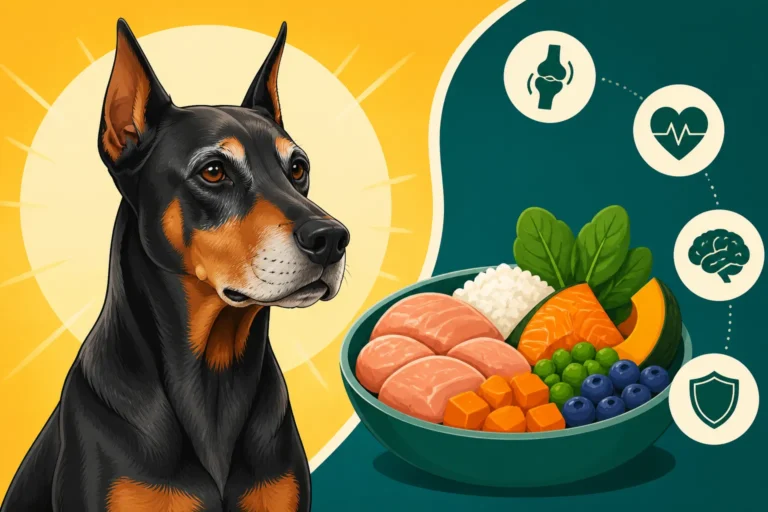
When it comes to feeding an active Doberman, quality isn't just a buzzword – it's essential. Look for foods that feature high-quality animal protein as the primary ingredient, followed by healthy fats and complex carbohydrates. This balance provides sustained energy, rather than quick spikes and crashes, which is ideal for a dog with a high metabolism. Foods with easily digestible ingredients can also reduce the load on their system. Some owners find that premium fresh food services, like Ollie, provide meals that are highly palatable and digestible for their Dobermans, offering a balanced nutritional profile designed for active dogs.
Conversely, avoid overly rich foods, those with excessive fillers, or ingredients known to cause gas or fermentation in some dogs. While the "grain-free" debate continues, some research has suggested a potential link between certain grain-free diets (particularly those high in legumes like peas and lentils) and dilated cardiomyopathy (DCM) in some breeds, including Dobermans. It's always best to discuss dietary choices with your vet, especially considering Taurine and Carnitine in a Doberman Diet and their importance for heart health. A well-balanced diet ensures they get the nutrients they need without compromising their health or contributing to digestive upset. Many excellent brands are available, and exploring options on platforms like Chewy can help you compare ingredients and find what works best for your Doberman.
Hydration and Its Role
Proper hydration is just as vital as food, particularly for active Dobermans. Water aids in digestion, helps move food through the gastrointestinal tract, and is critical for overall cellular function and temperature regulation. A Doberman who is dehydrated may be more susceptible to digestive issues and can experience a drop in performance.
Always ensure your Doberman has access to fresh, clean water, especially before and after exercise. If your Doberman is prone to gulping water, offer smaller amounts more frequently around activity times. Some owners find that incorporating wet food into the diet, or adding water or low-sodium broth to kibble, can boost hydration. For highly active Dobermans, especially in warmer climates, discussing electrolyte supplements with your veterinarian might be beneficial to replenish what's lost through exertion, though this is usually reserved for very intense working dogs or specific medical needs. A good rule of thumb is to always carry water when you're out for extended walks or training sessions.
Slow Feeder Bowls and Enrichment
The speed at which a Doberman eats can significantly impact their digestion and risk of bloat. Many Dobermans, driven by their keen appetite, tend to "scarf down" their food in mere minutes. This rapid ingestion often leads to swallowing a lot of air, which can contribute to gas buildup in the stomach – a precursor to bloat.
Enter slow feeder bowls. These specially designed bowls have ridges, mazes, or pillars that force your Doberman to eat around obstacles, effectively slowing down their mealtime. This simple change can dramatically reduce the amount of air they swallow and encourage more mindful eating. There are many varieties available, from simple plastic designs to more intricate puzzle feeders. Beyond just slowing down eating, puzzle feeders offer mental enrichment, engaging your Doberman's intelligent mind and helping to tire them out mentally, which can be just as important as physical exercise. You can find a wide range of these beneficial tools available for purchase on Amazon, making it easy to implement this small but impactful change in your feeding routine. Using Bowls That Stop a Doberman Swallowing Its Dinner is a proactive step every Doberman owner should consider.
Adjusting the Schedule for Specific Scenarios
Life isn't always a rigid, predictable routine, and neither are our Doberman's lives. There will be times when their regular feeding and exercise schedule needs to be tweaked. Knowing how to adjust gracefully, while still prioritizing their health, is part of being a responsible Doberman parent.
Puppies, Seniors, and Medical Conditions
The "ideal" feeding schedule isn't static; it evolves with your Doberman's life stages and health status. Doberman puppies, with their rapid growth and boundless energy, need more frequent, smaller meals. Their tiny stomachs can't handle large volumes, and their soaring metabolism demands a constant supply of nutrients. Typically, puppies under six months benefit from three to four meals a day. As they grow, you can gradually reduce this to two or three.
Senior Dobermans, on the other hand, might have reduced energy levels and a slower metabolism. While their exercise might be less intense, the risk of bloat doesn't magically disappear, and often, other health concerns might arise. They may still benefit from two to three smaller meals, perhaps with a focus on easily digestible ingredients. For Dobermans with pre-existing medical conditions, such as The Heart Disease That Reaches Most Dobermans or Copper Liver Disease in Doberman Females, dietary modifications and meal timing might need specific guidance from your veterinarian. These situations often require careful balance, ensuring optimal nutrition without exacerbating existing health challenges. Always consult your vet for tailored advice for these special circumstances.
Intense Training and Competition Days
For Dobermans involved in working sports, competitive obedience, or protection training, a standard feeding schedule might not cut it on event days. The physical and mental demands of competition can be intense, and their energy needs will fluctuate. On these days, it’s best to provide a smaller, easily digestible meal several hours before the event. Avoid anything heavy or rich that could sit in the stomach.
During extended training sessions or competitions, small, high-value, easily digestible treats can be used for motivation and quick energy boosts. Think small pieces of cooked chicken, cheese, or specialized training treats. After the activity, allow your Doberman to cool down and relax for a good 30-60 minutes before offering their main post-exercise meal. This recovery meal should be balanced to help replenish their energy stores and support muscle repair. It's a delicate dance to keep them fueled without risking digestive upset, especially when adrenaline is high.
Travel and Environmental Changes
Traveling with your Doberman, whether it's a road trip or an unfamiliar environment like a new boarding kennel, can be stressful for them. Stress can manifest in various ways, including digestive upset. To minimize this, try to maintain their regular feeding schedule as much as possible. If a full meal isn't feasible due to travel sickness or anxiety, offer a smaller portion.
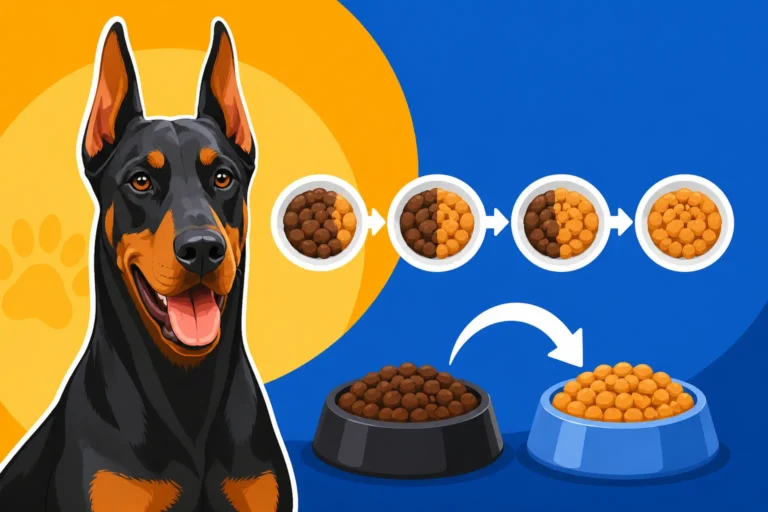
Ensure they have access to their usual food if possible, as sudden diet changes combined with travel stress can be a recipe for stomach issues. Always carry a supply of their regular food, along with plenty of fresh water. Portable water bowls and travel-friendly food containers are invaluable. If you're traveling across time zones, gradually adjust their meal times a few days before departure to ease the transition. The goal is to create as much normalcy as possible in an otherwise unusual situation, helping to keep their digestive system calm and happy.
Recognizing and Responding to Digestive Distress
No matter how meticulous you are with your Doberman's feeding schedule and food choices, it's crucial to be aware of the signs of digestive distress, especially the critical symptoms of bloat. Early recognition and swift action can truly be the difference between life and death for your Doberman.
Signs of Bloat and Other Issues
Bloat (GDV) is every Doberman owner's nightmare, and for good reason. It progresses rapidly and is life-threatening. The most critical signs to watch for include:
- Unproductive retching or dry heaving: Your Doberman looks like they're trying to vomit but nothing comes up, or only foamy saliva. This is a huge red flag.
- Distended abdomen: The stomach area, particularly on the left side behind the ribs, appears swollen, tight, and might feel hard. This can be subtle at first but becomes more pronounced.
- Restlessness and discomfort: Pacing, whining, inability to get comfortable, repeatedly looking at their flank, stretching out in unusual positions.
- Pain: They might guard their belly, whimper if touched, or resist lying down.
- Weakness, collapse, rapid shallow breathing, pale gums: These are signs of shock and indicate a very advanced, critical stage.
Beyond bloat, other signs of digestive upset that warrant attention include persistent diarrhea, repeated vomiting, loss of appetite, lethargy, or any sudden change in stool consistency or frequency. While these might not be immediate emergencies like bloat, they still indicate a problem that needs investigation. A Doberman That Suddenly Stops Eating is never a good sign and should prompt a vet visit.
When to Seek Veterinary Attention
If you suspect bloat for even a second, do not wait. Get your Doberman to the nearest emergency veterinary hospital immediately. Time is absolutely of the essence with GDV. Every minute counts, as the twisted stomach can rapidly lead to tissue death and systemic shock. Call ahead if you can, so the vet staff is prepared for your arrival. This is one of those situations where it's always better to be safe than sorry – a false alarm is a much better outcome than waiting too long. Emergency Vet Fees for a Collapsing Doberman can be significant, but they pale in comparison to losing your beloved companion.
For other digestive issues, if symptoms are severe (e.g., profuse vomiting, bloody diarrhea, extreme lethargy) or persist for more than 24 hours, a vet visit is warranted. Don't try to self-diagnose or treat serious digestive problems at home without professional guidance. Your veterinarian can accurately diagnose the issue and recommend appropriate treatment, which might range from dietary adjustments to medication, or even more advanced diagnostics. Proactive measures, like regular health screenings and maintaining pet insurance enrolled before any health issues arise, can help mitigate the financial stress during these emergencies. For breeds like the Doberman, prophylactic gastropexy – a surgical procedure that tacks the stomach to the abdominal wall to prevent it from twisting – is an option some owners consider to significantly reduce bloat risk. You can learn more about this by reading Tacking a Doberman's Stomach While It Is Under.
| Exercise Intensity | Time Before Meal | Time After Meal | Examples of Exercise |
|---|---|---|---|
| Low-Impact | 30 minutes | 15 minutes | Leashed potty break, casual stroll |
| Moderate Activity | 1-1.5 hours | 30-45 minutes | Brisk walk, light fetch, backyard play |
| High-Intensity/Strenuous | 2-3 hours | 1-1.5 hours | Running, agility, protection training, dog park, heavy hiking |
| Training (Treats) | N/A | N/A | Small, digestible treats are generally fine during training sessions, but avoid full meals |
Disclaimer
This article is for general informational purposes only and does not constitute professional advice. Laws, prices and regulations vary by location and change over time. Consult a qualified professional for guidance on your specific situation.