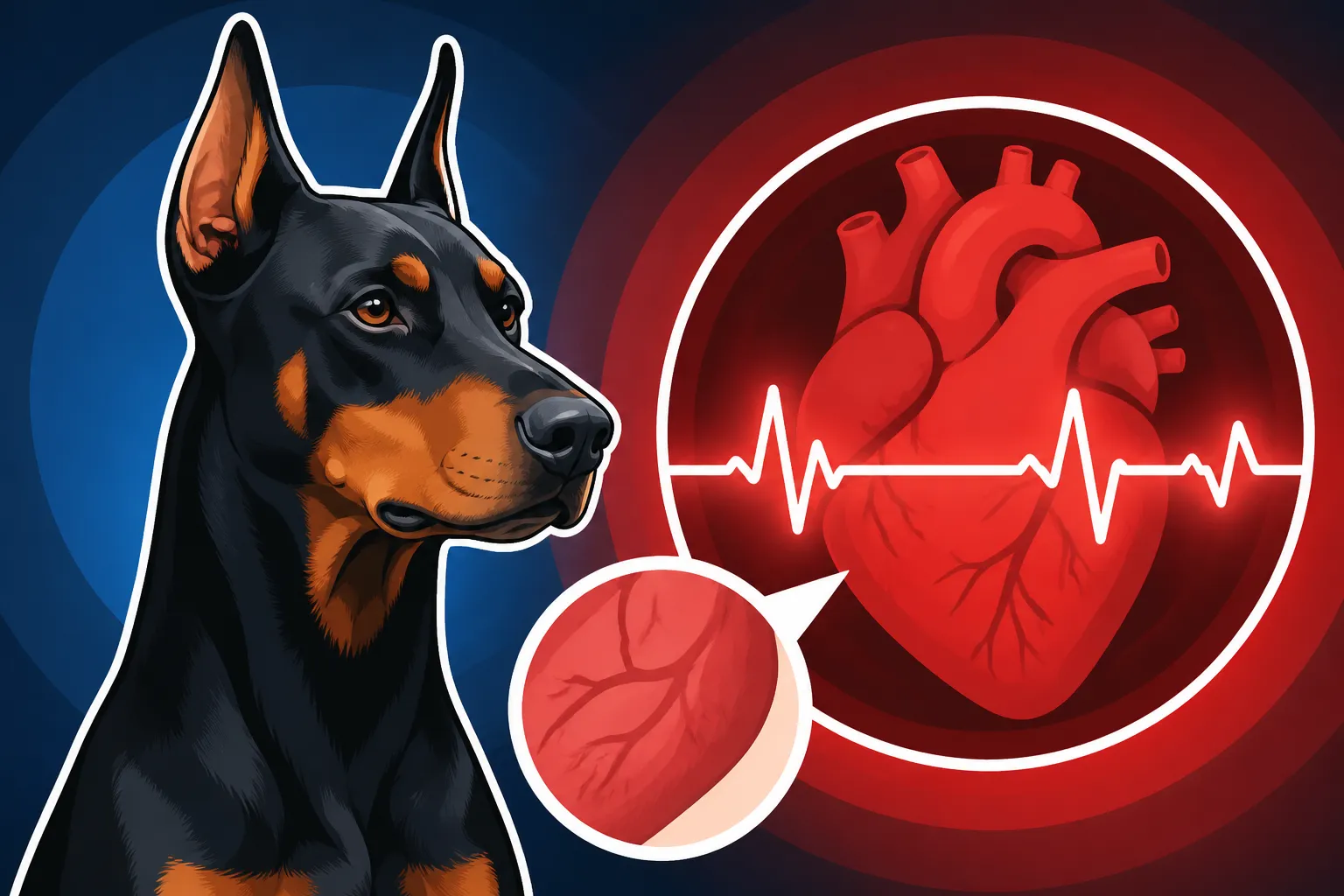
The Heart Disease That Reaches Most Dobermans
It’s an incredibly tough reality for Doberman owners, but the truth is, this majestic breed faces a significant health challenge that can strike seemingly out of nowhere: Dilated Cardiomyopathy, or DCM. The heartbreak of discovering your beloved Doberman, who appeared perfectly healthy just weeks ago, is silently battling a failing heart is a frustration all too many of us have faced. This guide aims to shed light on this devastating disease, helping you understand its complexities, recognize the subtle warning signs, and empower you with the knowledge to protect your Doberman's heart for as long as possible.
Understanding Dilated Cardiomyopathy DCM in Dobermans
When you bring a Doberman into your home, you're welcoming an intelligent, loyal, and often goofy companion who quickly becomes a central part of your family. But with that joy comes the immense responsibility of understanding their unique health predispositions, and none looms larger than Dilated Cardiomyopathy. This isn't just a generic "heart disease"; it's a specific, aggressive condition that disproportionately affects Dobermans, turning their powerful hearts into ticking time bombs if not managed carefully.
What is DCM and How Does it Affect the Doberman Heart?
At its core, Dilated Cardiomyopathy is a progressive disease of the heart muscle. Imagine the heart as a strong, muscular pump. In a Doberman with DCM, the walls of the heart, particularly the ventricles (the main pumping chambers), become thin and stretched out. This stretching, or "dilation," makes the heart less efficient at pumping blood out to the body. Think of a worn-out rubber band – it loses its snap and can't perform its job effectively.
Initially, the heart tries to compensate. It might beat faster or work harder, but over time, this only exacerbates the problem, leading to further enlargement and weakening. The crucial issue is that this weakening isn't uniform. Not only do the chambers get bigger, but the muscle itself becomes flabby and unable to contract with the force needed. This reduced pumping action leads to a backlog of blood, increasing pressure in the vessels and ultimately causing fluid to build up in the lungs or abdomen.
Unlike some other heart conditions that might involve valve issues or congenital defects, DCM is a primary myocardial disease – meaning it's a problem with the heart muscle itself. The insidious nature of DCM is that it has a long "occult" phase, where the heart is already undergoing significant changes, but your Doberman shows absolutely no outward symptoms. This silent progression is what makes it so terrifying for owners, as the first noticeable signs often appear when the disease is already quite advanced, leaving limited time for intervention.
Why Dobermans Are So Susceptible to DCM
The heartbreaking reality is that Dobermans are genetically predisposed to DCM. It's not just bad luck; it's written in their DNA. Estimates vary, but many sources suggest that a very high percentage of Dobermans, potentially up to 50% or more, will be affected by DCM in their lifetime. This makes it a leading cause of death in the breed, a statistic that weighs heavily on every Doberman enthusiast.
Researchers have identified specific genetic mutations linked to DCM in Dobermans. The most well-known are the DCM1 gene (a deletion in the PDK4 gene) and the DCM2 Titin gene variant. These genes play crucial roles in heart muscle function and structure. While having one or both of these mutations doesn't guarantee your Doberman will develop DCM, it significantly increases their risk. It's like having a predisposition for a certain illness in your family; it means you need to be more vigilant.
Beyond genetics, the Doberman's unique athletic build and rapid growth curve might also play a subtle role, though genetics are the overwhelming factor. These are powerful, active dogs, and their hearts are put to the test. While not a direct cause, their inherent drive and stamina can sometimes mask early signs of heart fatigue, as they will push themselves even when their heart is struggling. Understanding this genetic lottery is key to appreciating why proactive, breed-specific screening is not just recommended, but essential for every Doberman.
The Silent Killer: Recognizing Occult DCM
One of the most agonizing aspects of Doberman DCM is its "occult" phase. This isn't just a medical term; it’s a reality that strikes fear into the hearts of Doberman owners. It means "hidden," and it perfectly describes how this disease can lurk undetected, slowly damaging your dog's heart while they appear to be in the prime of their life. The frustration of seeing a dog full of vigor one day, only to have a cardiologist deliver devastating news the next, is a burden many Doberman families carry.
The Insidious Nature of the Occult Phase
During the occult phase, your Doberman might seem perfectly normal, happy, and energetic. They’ll still chase balls, greet you with enthusiasm, and demand their walks. This period can last for months or even years, making it incredibly difficult for owners to spot a problem. The heart is silently remodeling, weakening, and developing arrhythmias (irregular heartbeats), but there are no outward physical symptoms that would make you think to rush to the vet. This is often described as The Silent Years Before a Doberman's Heart Shows, and it’s why routine screening is so incredibly vital for this breed.
The insidious part is that the heart muscle is already undergoing irreversible changes. The walls are thinning, the chambers are stretching, and the electrical system, which controls the heart’s rhythm, can become unstable. These changes are happening at a microscopic level, invisible to the naked eye, and often even undetectable without specialized diagnostic tools. Owners often beat themselves up, wondering what they missed, but the truth is, there’s often nothing obvious to see. Your dog isn't being stoic; the disease simply hasn't progressed to the point of clinical signs yet.
It’s a cruel trick of nature. You bond with your Doberman, trust in their strength and vitality, and then learn that their most vital organ has been silently failing. This is why conversations around Doberman health always emphasize proactive measures, moving beyond simply reacting to visible illness. We have to look deeper, anticipate the risks, and try to catch these changes before they escalate into an emergency.
Subtle Signs Owners Might Miss
While the occult phase is largely asymptomatic, as the disease progresses, there can be extremely subtle signs that, in hindsight, might have been hints. These are often so fleeting or mild that they are easily dismissed as normal aging, a temporary upset, or just a "dog being a dog." This is where an owner's keen observation and intuition come into play, but even the most diligent owner can miss these early whispers.
For instance, you might notice a slight decrease in your Doberman's stamina. Maybe they used to sprint for 20 minutes straight at the dog park but now prefer to trot after 10. Or perhaps they're a little slower to get up in the morning, taking an extra stretch. Many owners might chalk this up to getting older, especially if the dog is 5 or 6 years old, assuming it's just a natural part of their maturation or slight decrease in fitness. It’s rarely significant enough to prompt a vet visit on its own, yet it can be a harbinger of things to come.
Another easily overlooked symptom is a transient cough. It might be a single "hack" after drinking water too fast, or a soft, occasional cough that you only hear a few times a week. It's often dismissed as a mild irritation, allergies, or even excitement. However, as the heart's pumping efficiency declines, fluid can start to accumulate in the lungs, leading to a "cardiac cough." By the time this cough becomes persistent and noticeable, the heart disease is usually no longer in the occult phase. Any unexplained change in breathing or coughing should always be thoroughly investigated, particularly in a Doberman.
The Importance of Proactive Screening
Given the silent nature of Doberman DCM, waiting for symptoms to appear is a gamble no responsible owner wants to take. This is why proactive, regular heart screening is not just a suggestion, but a crucial part of Doberman ownership. It’s an investment in your dog’s future and gives you the best chance of intervening before the disease takes a severe hold. Many Doberman owners choose to enroll their dogs with pet insurance providers like Healthy Paws early on, specifically to help manage the substantial costs associated with these vital screenings and any potential treatments down the line.
Essential Screening Tools: Echo and Holter Monitoring
The cornerstone of Doberman DCM screening involves two primary diagnostic tools: the echocardiogram and Holter monitoring. These aren't just fancy tests; they provide direct, real-time information about your Doberman's heart health, allowing veterinarians to detect subtle changes before they become life-threatening. Ideally, your Doberman should start these screenings by two to three years of age, and certainly no later than four, continuing them annually. This is vital, as heart changes can develop rapidly in this breed. This commitment is why resources like Annual Echo and Holter Screening for a Doberman are so important for owners to understand.
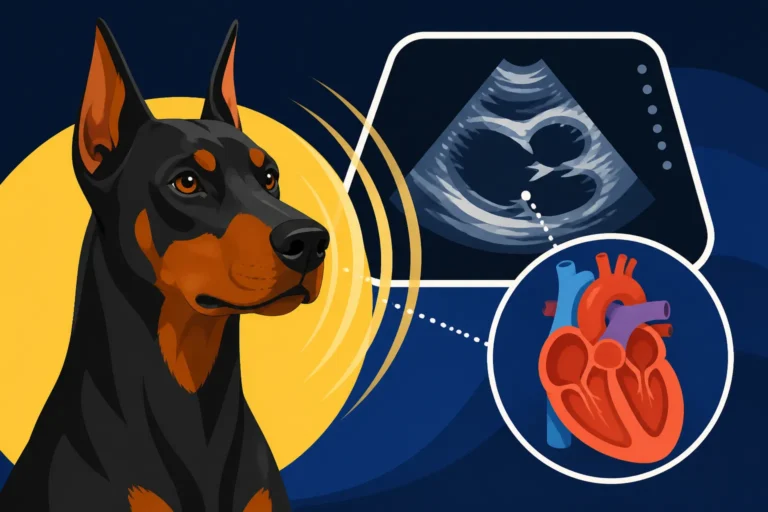
An echocardiogram, often called an "echo," is essentially an ultrasound of the heart. It’s non-invasive and painless, and your Doberman typically lies calmly on a table while a trained veterinary cardiologist uses a probe to visualize their heart. What does it measure? A whole host of critical data points:
- Chamber size: It can detect if the ventricles are dilating or becoming enlarged.
- Wall thickness: It shows if the heart walls are thinning.
- Contractility (ejection fraction and fractional shortening): This indicates how efficiently the heart muscle is contracting and pumping blood. A weakened heart will show reduced contractility.
- Blood flow: Doppler ultrasound allows the cardiologist to see how blood is flowing through the heart chambers and valves.
The other essential tool is Holter monitoring. This involves your Doberman wearing a small, portable ECG device, typically for 24 hours, while they go about their normal routine. The device continuously records every single heartbeat. Why is this so important? Because DCM often manifests with electrical abnormalities, particularly premature ventricular contractions (PVCs), which are extra, abnormal heartbeats originating in the lower chambers. These PVCs can come and go, making them incredibly difficult to catch during a brief, in-clinic ECG. The Holter monitor captures a full day’s worth of heart activity, revealing these hidden arrhythmias. Your vet will often provide you with specific instructions for the 24-hour period, aiming to capture a typical day for your dog.
Interpreting Screening Results
Getting your Doberman's heart screening results can be an anxious wait, but understanding what the numbers and findings mean is empowering. A veterinary cardiologist, who has specialized training in heart diseases, is the best person to interpret these complex results. They look at a combination of factors, not just one isolated number.
For the echocardiogram, the cardiologist will compare your Doberman's heart measurements (like left ventricular end-diastolic diameter and systolic diameter) against breed-specific reference ranges. What might be considered a normal heart size for a Chihuahua would be abnormal for a Doberman. They're looking for early signs of chamber enlargement and reduced contractility. Even subtle deviations from normal, or changes over time from previous echos, can be significant. They might also assess the condition of the heart valves and look for any fluid accumulation.
Interpreting Holter results requires a keen eye for arrhythmias. The raw data from a 24-hour Holter can be hundreds of thousands of heartbeats. The cardiologist will analyze this data for the presence and frequency of premature ventricular contractions (PVCs). A few isolated PVCs might be considered benign, but a high number (e.g., hundreds or thousands over 24 hours), or runs of multiple PVCs together, can be a strong indicator of occult DCM. Understanding How Many Abnormal Beats Worry a Doberman Cardiologist can help you prepare for discussions with your vet. The cardiologist also looks for other types of arrhythmias, like atrial fibrillation, which can also be associated with DCM. This detailed analysis allows them to stage the disease and recommend the most appropriate course of action, which could range from continued monitoring to starting medication even before clinical signs emerge.
Genetic Testing for Doberman DCM
While echocardiograms and Holter monitors are crucial for monitoring the physical and electrical function of the heart, genetic testing offers a different piece of the puzzle. It tells you about your Doberman’s inherent predisposition based on their DNA. It’s not a diagnostic test for active disease, but rather a risk assessment tool that can help inform breeding decisions and guide your proactive screening strategy.
The Known DCM Gene Variants
For Dobermans, research has identified a couple of key genetic mutations that are strongly associated with DCM. Understanding these can help you discuss your Doberman’s risk profile with your veterinarian and breeder. The two primary variants currently tested for are DCM1 and DCM2.
The DCM1 gene refers to a specific deletion within the PDK4 gene. This mutation was first identified in Dobermans and has been extensively studied. If your Doberman tests positive for the DCM1 deletion, it means they carry a genetic risk factor for developing DCM. This doesn't mean they will get DCM, but it certainly increases their likelihood. For breeders, understanding The DCM1 Gene Test Explained for Doberman Owners is critical, as it informs decisions about which dogs to breed to avoid passing on this genetic vulnerability. A Doberman can be clear, heterozygous (one copy of the mutation), or homozygous (two copies of the mutation) for DCM1, each carrying a different level of risk.
More recently, the DCM2 Titin variant has been identified as another significant genetic contributor to DCM in Dobermans. The Titin gene is massive and plays a vital role in the structure and function of muscle, including heart muscle. Mutations in the Titin gene are also associated with human DCM. The DCM2 variant acts independently of DCM1, meaning a Doberman can be positive for one, both, or neither. Discovering The DCM2 Titin Variant in Dobermans has added another layer of complexity, but also greater insight, into the genetic underpinnings of this disease. These genetic tests are readily available from several reputable canine genetic testing laboratories, such as Embark and Canine HealthCheck, offering owners a clearer picture of their dog's inherent risk.
Understanding Test Results and Their Implications
Receiving genetic test results can be a mixed bag of emotions. A "clear" result for both DCM1 and DCM2 is certainly a relief, indicating your Doberman does not carry these specific known genetic risk factors. However, it's crucial to understand that a "clear" genetic test does not mean your Doberman is immune to DCM. There are other, currently unknown, genetic factors at play, and Dobermans who test clear for both known variants can still develop DCM. This is why A Doberman That Tests Clear and Still Gets DCM is an important topic to acknowledge, reinforcing that ongoing cardiac screening remains paramount for all Dobermans, regardless of genetic status.
If your Doberman tests "heterozygous" (carrying one copy) or "homozygous" (carrying two copies) for either DCM1 or DCM2, or especially both, it indicates a significantly increased risk. Knowing Whether a Doberman Positive for Both Genes Is Doomed helps manage expectations, as while their risk is higher, it's not an immediate death sentence. It simply means vigilance and proactive screening become even more critical. These results don’t mean you will love your Doberman any less, but they empower you to be more proactive in their health management.
For breeders, genetic testing is an invaluable tool for making informed breeding decisions. The goal is to reduce the incidence of DCM in future generations by avoiding breeding two carriers together, or by carefully planning pairings to minimize risk. However, because DCM is so prevalent, completely eliminating all carriers from the breeding pool immediately would severely limit genetic diversity, so a balanced approach is often needed, focusing on careful selection and comprehensive health testing of all breeding animals. It's a complex ethical challenge, but genetic testing is a powerful step forward in the fight against Doberman DCM.
Managing Doberman DCM: Treatment Options
The moment of a DCM diagnosis can feel like a punch to the gut. The fear, the uncertainty, the overwhelming sense of dread – it's a lot to process. But it's crucial to remember that a diagnosis isn't an immediate end. While DCM is a progressive and ultimately fatal disease, there are effective treatment options available that can significantly extend your Doberman's quality of life, often for many months or even years. The goal shifts from cure to management, focusing on heart support and symptom relief.
Early Intervention and Medication in the Occult Phase
Perhaps one of the most significant breakthroughs in Doberman DCM management is the realization that early intervention, even during the occult phase before symptoms appear, can make a profound difference. This is why proactive screening is so important. If your Doberman is diagnosed with occult DCM (meaning heart changes and/or arrhythmias are present, but no clinical signs of heart failure), your cardiologist will likely recommend starting medication.
The "hero" drug in this scenario is often Pimobendan (Vetmedin). This medication is a positive inotrope, meaning it helps the heart muscle contract more forcefully, and a vasodilator, which helps open up blood vessels, making it easier for the heart to pump blood. Studies have shown that starting Pimobendan in Dobermans during the occult phase can significantly delay the onset of clinical signs of heart failure and extend their lifespan. You can find more specific information on Pimobendan Before a Doberman Shows Signs. It's a game-changer, giving Dobermans more precious time before they become symptomatic.
Your cardiologist might also recommend other medications, such as ACE inhibitors (like enalapril or benazepril), which help to reduce blood pressure and improve cardiac function, or antiarrhythmic drugs (like sotalol or mexiletine) if the Holter monitoring reveals a high burden of dangerous arrhythmias. The choice of medication and dosage is highly individualized, based on your Doberman's specific echo and Holter results. Additionally, some cardiologists may suggest supplements like Taurine and Carnitine, especially if there's any suspicion of a dietary component to the DCM, though their efficacy for primary genetic DCM in Dobermans is still debated. For a deeper dive, consider Taurine and Carnitine for a Doberman Heart. This proactive approach helps to support the struggling heart and gives your Doberman the best chance at a longer, more comfortable life, and this is where comprehensive pet insurance like Healthy Paws can truly alleviate the financial stress of these ongoing, often costly, medications.
Advanced Treatment for Symptomatic DCM
When a Doberman with DCM progresses to the symptomatic phase, it means they are now experiencing clinical signs of congestive heart failure (CHF). This is typically when fluid begins to build up, most commonly in the lungs, leading to coughing, difficulty breathing, and reduced exercise tolerance. This is a critical point, and treatment shifts to aggressively managing these symptoms to improve comfort and breathing.
The primary goal at this stage is to clear any fluid accumulation. Diuretics, such as furosemide, become essential. These medications help the body eliminate excess fluid, reducing congestion in the lungs and making it easier for your Doberman to breathe. Your cardiologist will carefully adjust the dosage based on your dog's response, monitoring their breathing and kidney function. Learning about Fluid on a Doberman's Lungs and How It Is Cleared is incredibly important for owners facing this stage, as knowing what to expect can ease some anxiety.
In addition to diuretics, your Doberman will likely continue with Pimobendan and ACE inhibitors, and antiarrhythmics may be adjusted or added if their heart rhythm becomes more erratic or life-threatening. Some dogs may also benefit from other medications like spironolactone, which is a weaker diuretic but offers additional heart-protective effects. In acute crises, such as a sudden collapse or severe breathing difficulties, emergency hospitalization with oxygen therapy, injectable diuretics, and other intensive care measures might be necessary to stabilize your Doberman. The challenge with symptomatic DCM is balancing the medications to manage symptoms effectively while minimizing side effects, ensuring the best possible quality of life for your beloved companion. This level of advanced care can be expensive, highlighting again why many Doberman owners secure a strong pet insurance policy well before their Doberman shows any signs of illness, to ensure they can afford all necessary treatments without financial strain.
Living with a Doberman Diagnosed with DCM
A DCM diagnosis changes everything, but it doesn't mean the end of your Doberman's happy life right away. It simply means you need to adjust and become even more attuned to their needs. Living with a Doberman undergoing heart treatment requires immense dedication, careful observation, and a commitment to maintaining their quality of life.
Adjusting Lifestyle and Exercise
One of the biggest questions owners face after a DCM diagnosis is how to manage their Doberman's activity levels. The natural instinct might be to restrict all exercise, but that's not always the best approach. A Doberman is an active breed, and complete inactivity can lead to muscle loss and a decline in overall well-being. The key is finding a delicate balance. Your cardiologist will provide specific guidance, but generally, strenuous exercise, intense sprints, or prolonged periods of high activity will be discouraged. Exploring Whether a Doberman With DCM Should Exercise can offer more nuanced perspectives.
Instead, think about regular, short, gentle walks. These help maintain muscle tone, stimulate their mind, and allow for bathroom breaks, all without putting undue strain on their heart. Monitoring your Doberman during and after exercise is crucial. Look for signs of fatigue, excessive panting, weakness, or coughing. If you see any of these, it’s a clear signal to reduce activity. Their daily routine should be predictable and calm, minimizing stress as much as possible, as stress can elevate heart rate and blood pressure, potentially exacerbating their condition.
At home, you'll need to be vigilant in monitoring their health. Keep a close eye on their resting respiratory rate – the number of breaths they take per minute while asleep or completely relaxed. An elevated resting respiratory rate can be an early indicator of fluid buildup in the lungs. Regular weigh-ins can also help detect fluid retention. Your vet or cardiologist will likely provide you with a target range for their respiratory rate and weight, empowering you to be an active participant in their care.
Providing End-of-Life Comfort and Care
Despite the best medical care, DCM is a progressive disease, and there will come a time when treatments become less effective, and your Doberman's quality of life begins to decline. This is perhaps the most painful part of the journey, but it’s also a time when your Doberman needs you most to provide comfort and make difficult decisions with compassion. Discussions around Keeping a Failing Doberman Comfortable at Home are never easy, but they are essential.
Recognizing the signs that your Doberman is suffering is paramount. These can include persistent difficulty breathing, severe coughing that isn't controlled by medication, extreme lethargy, loss of appetite, an inability to get comfortable, or signs of pain. These moments require an honest and empathetic assessment of their quality of life. It’s natural to want to hold on for as long as possible, but our ultimate responsibility is to prevent prolonged suffering.
Hospice care can play a significant role during this phase. This focuses on comfort, pain management, and ensuring your Doberman's remaining days are as peaceful and happy as possible. This might involve adjusting medication schedules, providing soft bedding, ensuring easy access to food and water, and simply showering them with love and gentle attention. The emotional toll on owners during this time is immense, and it’s okay to seek support from friends, family, or pet bereavement resources. Making the decision to say goodbye is one of the hardest acts of love, but it’s a final act of kindness to spare them from further pain. Many pet insurance plans, including those from Healthy Paws, offer support for palliative care, helping families manage the costs associated with keeping their Dobermans comfortable in their final stages.
The Future of Doberman Heart Health
While the statistics around Doberman DCM can be disheartening, there is reason for hope. The veterinary community, dedicated breeders, and passionate Doberman owners are all working towards a future where this devastating disease is less prevalent. It’s a collective effort, focusing on responsible breeding practices, continued research, and raising awareness within the Doberman community.
Breeding Responsibly to Reduce DCM Incidence
The most impactful way to tackle Doberman DCM long-term is through responsible breeding. Ethical Doberman breeders understand the immense responsibility they carry for the health of the puppies they produce. This means far more than just genetic testing; it involves a comprehensive health screening protocol for all breeding dogs, extending beyond just their hearts. For an insight into what good breeders provide, consider reading The Health Testing a Doberman Breeder Must Show.
Responsible breeders will:
- Annually screen all breeding dogs with both echocardiograms and Holter monitors. They will typically use board-certified veterinary cardiologists for these screenings and be transparent with the results, often posting them publicly or providing copies to prospective puppy buyers.
- Utilize genetic testing for DCM1 and DCM2. While a "clear" dog can still develop DCM, and carriers can be bred responsibly, the results inform breeding decisions to reduce the risk to offspring. For example, a breeder would ideally never breed two dogs that are both positive for the same variant.
- Focus on overall health and longevity. A good breeder considers the health history of multiple generations, looking for lines that have a lower incidence of DCM and other common Doberman health issues.
- Be transparent and educate puppy buyers. They will openly discuss the risks of DCM, explain their screening protocols, and emphasize the importance of continued screening for the life of the puppy.
It's a huge undertaking, but it's the only way to genuinely improve the health of the breed. Puppy buyers also have a role to play by seeking out and supporting these ethical breeders, even if it means waiting longer or paying a higher price.
Ongoing Research and Hope for the Breed
The fight against Doberman DCM is far from over, and ongoing research offers significant hope for the future. Researchers at universities and veterinary cardiology centers are tirelessly working to understand the disease better, identify new genetic markers, and develop more effective treatments. This collaborative effort involves cardiologists, geneticists, and even Doberman owners who participate in studies by providing DNA samples and health data.
Current research efforts include:
- Identifying new genetic variants: As we learned with DCM2, there are likely other genetic factors contributing to DCM. Researchers are continuing to analyze Doberman DNA to find these missing pieces of the puzzle.
- Improving early detection methods: Scientists are exploring new biomarkers (e.g., specific proteins or molecules in the blood) that could potentially flag DCM even earlier than current screening methods, possibly through a simple blood test. The Blood Test That Flags a Doberman Heart is a promising area of research that could complement current screening.
- Developing advanced therapies: Beyond current medications, researchers are investigating novel drugs, gene therapies, and other advanced interventions that could potentially halt or even reverse the progression of DCM in the future.
Organizations like the Doberman Pinscher Club of America Charitable Trust and the Doberman Pinscher Club of America Health Foundation play a critical role in funding this vital research. Every owner who participates in a study, every donation made, and every conversation about Doberman health contributes to this ongoing effort. It’s a testament to the dedication of the Doberman community that this breed’s future, despite the challenges, is continuously being fought for.
DCM Stages, Symptoms, and Screening Recommendations
Understanding the progression of DCM can help Doberman owners better navigate diagnosis and treatment. Here's a simplified overview:
| DCM Stage | Description | Common Symptoms | Screening & Management |
|---|---|---|---|
| Occult (A/B1) | Genetic predisposition, but no current structural heart changes or arrhythmias. | None | Genetic testing, annual Holter & Echo (from 2-3 years old) |
| Occult (B2) | Structural heart changes (enlargement, reduced contractility) and/or significant arrhythmias, but no clinical signs of heart failure. | None (may have subtle, easily missed signs like slight fatigue) | Annual Holter & Echo. May start Pimobendan and/or antiarrhythmics. |
| Clinical (C) | Structural changes with active congestive heart failure. | Coughing, difficulty breathing (especially at rest), reduced exercise tolerance, lethargy, fainting. | Aggressive medical management with diuretics, Pimobendan, ACE inhibitors, antiarrhythmics. Regular re-checks. |
| Refractory (D) | Advanced clinical heart failure that is no longer responsive to standard medical therapies. | Severe, persistent symptoms despite maximal medication. Poor quality of life. | Focus on comfort, palliative care, quality of life assessment, end-of-life planning. |
Disclaimer
The information provided in this article is for general informational purposes only and does not constitute veterinary medical advice. Always consult with a qualified veterinarian or veterinary cardiologist for any health concerns or before making any decisions about your Doberman's care. DCM is a complex disease, and individualized medical advice is essential.