Feeding a Doberman on Liver Medication
Discovering your beloved Doberman has a liver condition can feel like a punch to the gut. The diagnosis itself is overwhelming, and then you're hit with the reality of medication, special care, and, perhaps most daunting for many owners, a complete overhaul of their diet. It’s a lot to take in, and figuring out how to feed a Doberman while they're on liver medication can feel like navigating a complex maze. This guide is here to walk you through the essential dietary adjustments, food choices, and monitoring strategies to support your Doberman's liver health and help them thrive.
Understanding Doberman Liver Disease and Its Dietary Implications
When your Doberman is diagnosed with a liver condition, whether it's chronic hepatitis, copper storage disease, or another issue, it means their liver isn't functioning as it should. The liver is an incredible organ, a powerhouse responsible for countless bodily functions: filtering toxins, metabolizing nutrients, producing proteins, and aiding digestion. When it's compromised, everything can go awry. For Dobermans, specifically, there's a particular concern with Copper Liver Disease in Doberman Females, which can be genetically predisposed in the breed. This means their bodies accumulate copper in the liver, leading to inflammation and damage over time.
Why Diet Becomes a Critical Part of Treatment
Think of your Doberman's liver as an overworked engine that's struggling to keep up. Medication, like Medication for a Doberman With Hepatitis, is crucial for direct treatment, reducing inflammation, or removing excess toxins. However, diet plays an equally vital supportive role. The right diet can reduce the workload on the liver, prevent further damage, and even help regenerate damaged cells. Conversely, an unsuitable diet can exacerbate the condition, making the medication less effective and speeding up disease progression. It's not just about what to avoid, but what to actively include to provide the best possible support. Many owners feel frustrated, trying to understand how a food that was once perfectly fine can now be detrimental. It's because the liver's ability to process those nutrients has changed.
The Doberman's Unique Needs with Liver Disease
Dobermans are known for their athletic build and often keen appetites, so suddenly changing their food can be a challenge. Beyond general liver support, Dobermans with copper storage hepatopathy have a very specific need: a drastically reduced copper intake. This isn't something most commercial dog foods are formulated for, as copper is an essential trace mineral. The goal is to provide enough protein for muscle maintenance without overwhelming the liver, adequate calories for energy, and a precise balance of vitamins and minerals, all while minimizing copper. This delicate balance is why simply switching to "low-fat" or "sensitive stomach" food often isn't enough. It requires a targeted approach, often guided by your veterinary specialist who is familiar with Why Doberman Livers Store Copper. Owners sometimes wonder How Many Dobermans Have Silent Liver Disease, underscoring the importance of understanding this breed-specific risk.
Key Dietary Adjustments When on Liver Medication
Once your Doberman is on liver medication, the diet needs to be a therapeutic tool. It’s about minimizing liver strain and maximizing healing. This often means some pretty significant changes from their usual kibble.
Low Copper Intake: A Non-Negotiable for Many Dobermans
For Dobermans with suspected or diagnosed copper storage hepatopathy, reducing dietary copper is paramount. Copper accumulates in the liver, causing oxidative stress and inflammation. Many standard dog foods contain higher levels of copper than a compromised liver can handle. You’ll need to seek out foods specifically formulated to be low in copper, often prescription hepatic diets. This isn't just about avoiding a few ingredients; it's about checking the entire ingredient list and the guaranteed analysis for copper content. Ingredients traditionally high in copper include organ meats (especially liver), shellfish, mushrooms, and some nuts. Even certain commercial treats can be surprisingly high in copper, so it’s crucial to scrutinize everything that goes into their bowl or mouth. If you're home-cooking, which we'll discuss, paying attention to Zinc and Copper Balance in a Doberman Bowl is vital. Zinc can sometimes be supplemented under veterinary guidance, as it helps block copper absorption.
Controlled, High-Quality Protein
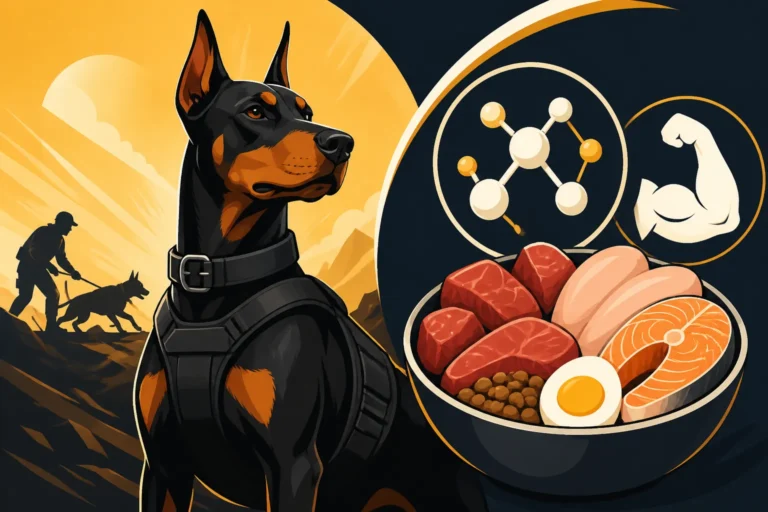
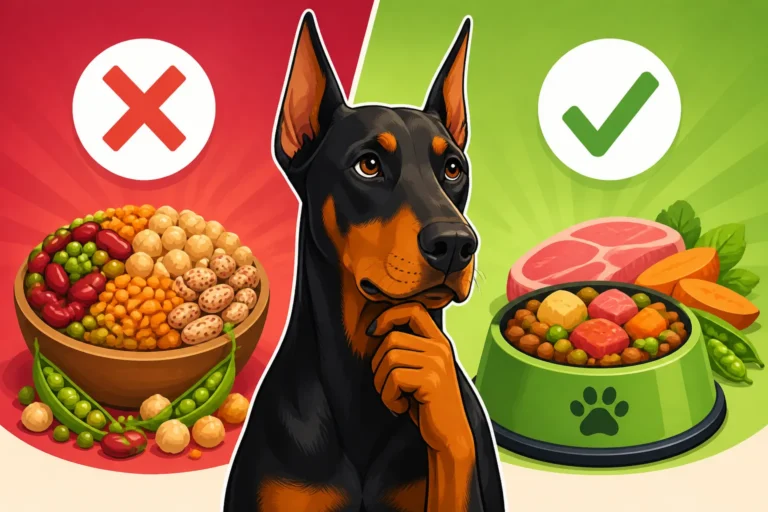
The role of protein in liver disease can be confusing. It’s a common misconception that all liver diets must be low protein. This isn't always the case, especially if your Doberman isn't showing signs of hepatic encephalopathy (a neurological disorder caused by liver dysfunction, leading to ammonia buildup). In fact, adequate protein is essential for muscle maintenance, tissue repair, and liver regeneration. The key is controlled and highly digestible protein. This means choosing protein sources that are easy for the liver to process and produce fewer ammonia byproducts. High-quality animal proteins like chicken, turkey, or fish are often preferred over very rich red meats.
If your Doberman does have hepatic encephalopathy, then a truly reduced protein diet might be necessary, but this should only be done under strict veterinary supervision, as protein deficiency can lead to severe muscle wasting. Your vet will look at factors like Liver Enzyme Results in a Doberman and your dog's overall clinical signs to determine the appropriate protein level.
Moderate Fat and Adequate Carbohydrates
Fat is a concentrated source of calories, which is important for maintaining your Doberman's weight, especially if their appetite is affected. However, excessive fat can be difficult for a compromised liver to process. Therefore, a diet with a moderate fat content, using easily digestible fats, is generally recommended.
Carbohydrates typically make up a larger portion of the diet for Dobermans with liver disease. They provide readily available energy, sparing protein for essential functions and reducing the liver's workload. Complex carbohydrates like rice, sweet potatoes, and oats are often excellent choices. They are easy to digest and provide sustained energy. The goal is to ensure your Doberman is receiving enough calories to prevent weight loss, which can be a common problem when their liver isn't functioning correctly. It's a fine balance, ensuring nutrition without overtaxing the system.
Navigating Food Choices and Supplements
Once you understand the dietary principles, the next step is finding the right food and considering supportive supplements. This is where many owners feel overwhelmed by the sheer number of options and conflicting information.
Prescription Hepatic Diets: The Safest Bet
For many Dobermans on liver medication, prescription hepatic diets are the go-to solution. These diets are specifically formulated by veterinary nutritionists to meet the unique needs of dogs with liver disease. They typically feature:
- Controlled, highly digestible protein: Often from sources like milk protein, soy protein, or specific cuts of chicken.
- Low copper content: Critically important for Dobermans.
- Moderate fat levels: Providing energy without excessive strain.
- Increased complex carbohydrates: For energy and to spare protein.
- Added antioxidants and B vitamins: To support liver function and cellular health.
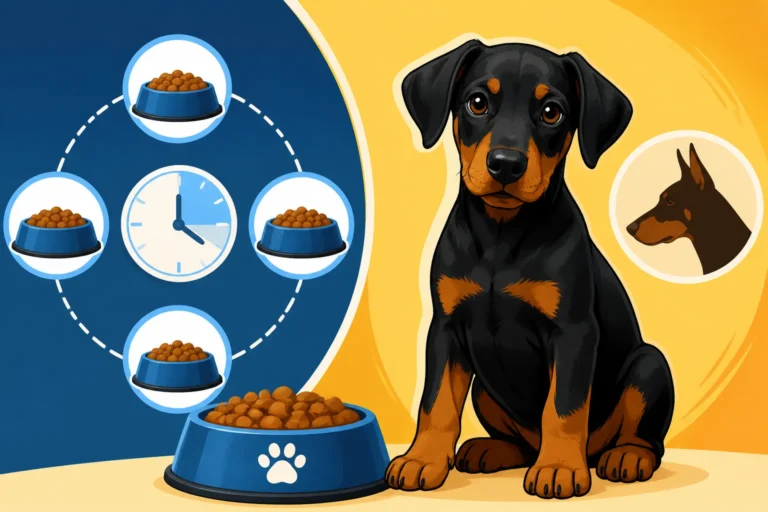
Brands like Royal Canin Hepatic, Hill's Prescription Diet l/d, and Purina Pro Plan Veterinary Diets Hepatic are widely available through veterinary clinics and online retailers. You might find these on platforms like Chewy, though they usually require veterinary authorization for purchase. These diets take the guesswork out of balancing nutrients, which is a huge relief for many owners. Always consult your vet to choose the best specific formula for your Doberman’s individual condition. You'll likely need to introduce the new food gradually, mixing it with their old food over several days, to prevent stomach upset.
Considering Home-Cooked Diets
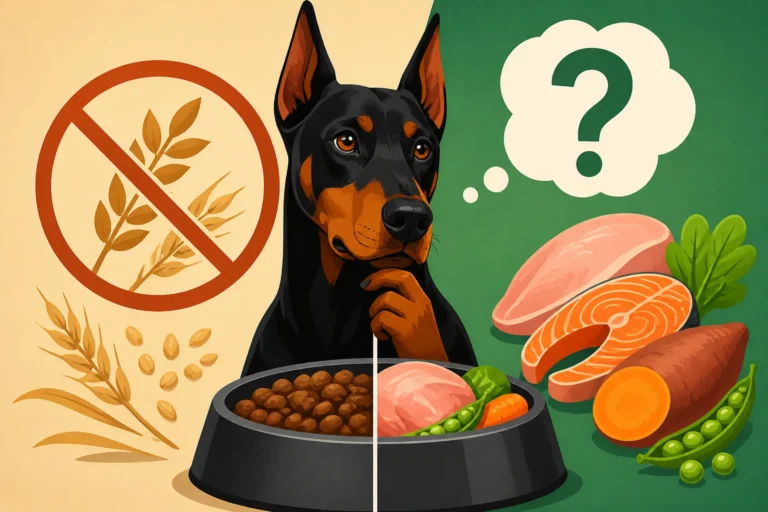
Some owners prefer to prepare Home Cooking for a Doberman With Liver Disease for their Doberman, especially if their dog is particularly picky or has sensitivities to commercial ingredients. While this offers incredible control over ingredients, it's crucial that a home-cooked diet for a Doberman on liver medication is formulated by a board-certified veterinary nutritionist. It is incredibly difficult to create a nutritionally complete and balanced diet, especially one that is low in copper and provides the correct protein ratios, without expert guidance. A poorly balanced home-cooked diet can do more harm than good, potentially worsening the liver condition or causing other nutritional deficiencies.
If you go this route, the nutritionist will provide specific recipes, ingredient lists, and instructions. This often involves careful measurement, specific cooking methods, and possibly adding supplements to ensure completeness. It's a commitment, but can be very rewarding for some owners. You'll need to source specific ingredients, which can be done through regular grocery stores or online marketplaces like Amazon for more niche items.
The Role of Supplements
Several supplements can support liver health in Dobermans, especially those on medication. However, always discuss these with your veterinarian first, as some can interact with medications or may not be appropriate for all conditions.
- SAMe (S-Adenosylmethionine): This is a popular liver supplement that acts as an antioxidant and plays a role in liver cell repair and detoxification. It helps maintain the glutathione levels in the liver, which is critical for detoxification.
- Milk Thistle (Silymarin): Known for its liver-protective properties, milk thistle can help reduce inflammation and promote regeneration of liver cells.
- Ursodiol (Ursodeoxycholic Acid): Often prescribed alongside other medications, ursodiol helps improve bile flow and can protect liver cells. While technically a medication, it acts in a supportive capacity for liver function.
- B Vitamins: The liver plays a key role in B vitamin metabolism. Supplementing B vitamins can support overall liver function, especially if your Doberman's appetite is poor.
- Zinc: For Dobermans with copper storage disease, zinc can be prescribed to help block the absorption of copper from the diet. This is a very specific intervention and dosage must be carefully monitored by your vet.
Remember, supplements are just that—supplements. They are meant to complement medication and diet, not replace them.
| Dietary Component | General Guidelines for Dobermans on Liver Medication | Why It Matters |
|---|---|---|
| Copper | Very Low | Prevents accumulation, reduces oxidative damage, especially for Dobermans with copper storage hepatopathy. |
| Protein | Controlled, High-Quality, Highly Digestible | Essential for muscle maintenance and liver repair; avoid excess to prevent ammonia buildup, unless hepatic encephalopathy is present, then lower. |
| Fat | Moderate, Easily Digestible | Provides necessary calories without overtaxing a compromised liver's metabolic capacity. |
| Carbohydrates | High, Complex (e.g., rice, sweet potato) | Primary energy source, spares protein, and reduces liver workload. |
| Sodium | Controlled | Helps manage fluid retention (ascites) often associated with advanced liver disease. |
| Vitamins | Supplement B-vitamins, Antioxidants (E, C) | B-vitamins support metabolic processes; antioxidants combat oxidative stress in liver cells. |
| Supplements | SAMe, Milk Thistle, Zinc (if copper disease) | Support liver detoxification, regeneration, and block copper absorption. |
Monitoring and Long-Term Care for a Doberman with Liver Disease
Feeding a Doberman with liver disease and on medication isn't a "set it and forget it" task. It requires ongoing vigilance, regular veterinary check-ups, and a keen eye on your dog's overall well-being. This long-term commitment is essential for managing the condition and ensuring the best possible quality of life.
The Importance of Regular Veterinary Check-ups and Bloodwork
Your Doberman will need consistent follow-up appointments with your veterinarian or a veterinary internal medicine specialist. These visits will typically include physical examinations and blood tests to monitor their liver enzymes, bile acids, albumin, and other indicators of liver function. Monitoring Bloodwork for a Doberman Liver helps your vet assess how well the medication and diet are working and whether any adjustments are needed. For Dobermans with copper storage, specific tests to monitor copper levels might also be part of the routine. These regular checks are vital to catch any signs of worsening disease or adverse reactions to treatment early on.
It's natural to feel anxious before these appointments, but remember, this monitoring is your best tool for keeping your Doberman healthy. It provides objective data that guides treatment decisions, allowing your vet to refine the diet, adjust medication dosages, or recommend additional therapies.
Observing Your Doberman at Home
You are your Doberman's most important advocate. Between vet visits, paying close attention to their behavior, appetite, and general health is crucial. Here’s what to look out for:
- Appetite and Water Intake: Is your Doberman eating all their food? Are they still keen on their treats? Any significant changes in appetite or thirst should be noted. If they suddenly become very picky about their prescription diet, it might be time to discuss alternatives with your vet.
- Energy Levels: Is your Doberman as active as usual, or are they more lethargic? A Doberman That Tires Faster Than It Used To can be a subtle sign of underlying issues.
- Weight Changes: Unexplained weight loss or gain can indicate a problem with nutrient absorption or fluid retention. Keep an eye on their body condition, feeling their ribs and hip bones regularly.
- Stool Quality: Changes in stool consistency, color, or frequency can reflect digestive issues related to liver function or dietary adjustments.
- Urination: Increased urination or changes in urine color (e.g., very dark) can sometimes be a sign of liver or kidney involvement.
- Behavioral Changes: Lethargy, disorientation, or changes in personality can, in rare cases, point to hepatic encephalopathy, especially if protein intake is too high for their specific condition.
Keeping a journal of these observations can be incredibly helpful when discussing your Doberman's progress with your vet. This allows for a more comprehensive picture of their health over time.
The Long-Term Perspective
Living with a Doberman on liver medication means embracing a long-term management strategy. While it can be daunting, many Dobermans can live fulfilling lives with proper care. It’s about making consistent, informed choices regarding their diet and sticking to their medication schedule. The investment you make in their specialized diet and regular vet care truly pays off in their comfort and longevity. Understanding topics like How Long a Doberman Lives With Liver Disease can provide perspective, but remember that every dog's journey is unique, and proactive care makes a significant difference. Be patient with yourself and your Doberman; adapting to new routines takes time, but your dedication will provide them with the best chance at a happy, healthy life.
Disclaimer
This article is for general informational purposes only and does not constitute professional advice. Laws, prices and regulations vary by location and change over time. Consult a qualified professional for guidance on your specific situation.