The Two Doberman DCM Gene Tests
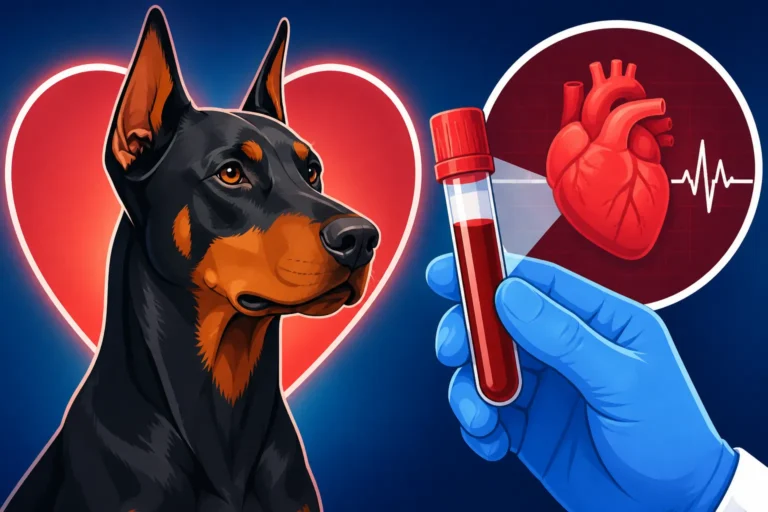
It’s a heartbreaking reality for many Doberman owners: the quiet fear of Dilated Cardiomyopathy (DCM) looming over their beloved companions. You adore your Doberman, marvel at their intelligence and loyalty, but the shadow of this devastating heart condition is always there. This guide aims to demystify the two primary genetic tests available for Doberman DCM, explaining what they mean, what they don't, and how you can use this knowledge to advocate for your dog's health and make informed decisions, whether you're bringing home a new puppy or managing an adult Doberman.
Understanding Dilated Cardiomyopathy DCM in Dobermans
Living with a Doberman means living with the awareness of DCM. It's a truth that can feel overwhelming, a heavy weight on the hearts of dedicated owners and breeders alike. This isn't just another canine ailment; it's a silent predator that often gives no warning until it's too late. When you hear statistics about DCM, it’s easy to feel a knot in your stomach. It's not just a statistic; it's the future of your dog, the one nudging your hand for pets right now.
The Silent Killer: What DCM Is and How It Progresses
Dilated Cardiomyopathy, or DCM, is a progressive disease of the heart muscle. In simpler terms, the heart's chambers, particularly the left ventricle, become enlarged and the muscle walls become thin and weak. This leads to a severe reduction in the heart's ability to pump blood effectively to the rest of the body. Imagine a balloon that's been stretched too many times; it loses its elasticity and can't push air out with the same force. That's essentially what happens to a Doberman's heart with DCM. The insidious part is that the disease often progresses through a long "occult" or hidden phase. During this time, your dog might seem completely normal, full of energy, and showing no outward signs of illness. They could be sprinting after a ball, playing with other dogs, or demanding cuddles on the couch, all while their heart is silently deteriorating. This can go on for months, or even years, making the eventual diagnosis incredibly shocking and devastating. When the symptoms finally do appear, they can come on suddenly and aggressively, manifesting as coughing, lethargy, difficulty breathing, a distended abdomen due to fluid buildup, or even sudden collapse. This rapid decline is what makes DCM so frightening, leaving owners scrambling to understand what happened and how they missed it.
Why Dobermans Are So Vulnerable to DCM
The Doberman breed carries a disproportionately high risk for DCM compared to most other breeds. It’s not just a chance occurrence; it’s deeply embedded in their genetics. Estimates suggest that a significant percentage of Dobermans will develop DCM in their lifetime. This high prevalence is why it's considered the breed's Achilles' heel, a primary concern for every Doberman parent. This genetic predisposition means that even with the most careful upbringing and excellent nutrition, a Doberman can still fall victim to the disease. It’s a genetic lottery that no one wants to win. The exact reasons for this extreme vulnerability are still being researched, but it's understood to be polygenic, meaning multiple genes contribute to its development, rather than a single simple cause. This complexity is what makes both understanding and testing for DCM so challenging, and why there's no single "magic bullet" test.
The Urgency of Early Detection and Genetic Understanding
Given the silent nature of DCM, early detection isn't just helpful; it's absolutely critical. Understanding the genetic predispositions, through tests like the two we'll discuss, offers a window into your dog's potential risk factors. While gene tests don't tell you if your dog will get DCM, they tell you if they carry some of the known risk factors. This knowledge, combined with regular cardiac screenings like echocardiograms and Holter monitoring, forms the cornerstone of proactive Doberman health management. It allows you and your vet to establish a baseline, monitor for subtle changes, and potentially start interventions sooner if warranted. The goal is to catch the disease in its occult phase, before clinical signs manifest, because early medication can potentially extend and improve your Doberman's quality of life. Without this vigilance, many Dobermans are only diagnosed once they are in overt heart failure, at which point the prognosis is often much grimmer.
Delving Into the DCM1 Gene Test: The PDC Variant
When you start researching Doberman health, especially in reputable circles, you'll inevitably encounter discussions about DCM gene tests. The first one most Doberman owners hear about is often related to the PDC variant. It was one of the earliest identified genetic markers associated with DCM in the breed, and for a while, it was the primary genetic tool available to breeders and owners.
What the DCM1 Test Actually Screens For
The DCM1 gene test specifically looks for a deletion in the pyruvate dehydrogenase kinase 4 (PDK4) gene. This particular mutation is often referred to as the DCM1 variant. Researchers identified this specific genetic alteration as being significantly associated with an increased risk of developing DCM in Dobermans. It's important to understand that this test isn't looking for "DCM" itself, but rather a specific genetic marker that contributes to the risk. Think of it like a piece of a puzzle. If your Doberman has this piece, it means they're carrying one known genetic factor that predisposes them to the disease. The test determines if your dog is clear (does not have the deletion), a carrier (has one copy of the deletion), or affected (has two copies of the deletion). Each result carries different implications for your individual dog and for breeding purposes. The discovery of this variant was a huge step forward, offering the first tangible genetic insight into this complex disease and giving breeders a tool to start making more informed decisions about mating pairs. However, as with all scientific discoveries, the understanding of DCM continued to evolve.
Interpreting Your Doberman's DCM1 Results: Clear, Carrier, Affected
Receiving your Doberman's DCM1 results can be a confusing experience, especially if you're not well-versed in genetics. Let's break down what each possible outcome means:
- Clear (N/N or Homozygous Normal): This means your Doberman does not carry the specific PDK4 deletion associated with DCM1. This is excellent news for this particular gene variant, significantly reducing their risk from this specific genetic pathway. However, it absolutely does not guarantee they will never develop DCM, as other genetic factors and environmental influences are at play. You might hear the term "A Doberman That Tests Clear and Still Gets DCM"; this is precisely why.
- Carrier (N/PDK4 or Heterozygous): Your Doberman has one copy of the PDK4 deletion and one normal copy. Carriers generally have a higher risk of developing DCM compared to clear dogs, but the risk is not as high as affected dogs. Importantly, carriers can pass on the DCM1 gene to their offspring. For breeding, this means careful consideration of the mate's status to avoid producing affected puppies.
- Affected (PDK4/PDK4 or Homozygous Affected): Your Doberman has two copies of the PDK4 deletion. Dogs with this result have a significantly elevated risk of developing DCM. While not a 100% guarantee of disease, it indicates a strong genetic predisposition. For these dogs, proactive screening and early communication with your veterinarian are paramount.
Understanding these results helps manage expectations and informs decisions about health monitoring and potential breeding. Many Doberman owners get disheartened by a carrier or affected result, but it's important to remember it's a piece of the puzzle, not the whole picture.
The Limitations and Nuances of the DCM1 Test Alone
While groundbreaking, the DCM1 test, on its own, quickly proved to be an incomplete solution. The primary limitation is that DCM in Dobermans is polygenic. This means that while the PDK4 deletion contributes to risk, it's not the only gene involved, nor does it account for all cases of DCM. Many Dobermans who tested clear for DCM1 still developed DCM, leading to frustration and confusion among owners and breeders. Conversely, some Dobermans testing as carriers or even affected lived long, healthy lives without ever showing signs of heart disease. This variability highlights the complexity of genetic diseases and the interplay between multiple genetic factors and environmental triggers. Relying solely on the DCM1 test could lead to a false sense of security for some or unnecessary alarm for others. It became clear that further research was needed to uncover other genetic culprits contributing to this devastating condition, paving the way for the discovery of the second major variant.
Exploring the DCM2 Gene Test: The Titin Variant
The realization that DCM1 only told part of the story spurred further genetic research into Doberman DCM. Scientists continued to search for other significant genetic markers, knowing that a more comprehensive understanding was crucial for truly making progress in combating this widespread disease. This dedicated effort led to the discovery of the DCM2 variant.
Unpacking the Significance of the DCM2 Titin Variant
The DCM2 gene test focuses on a specific mutation within the Titin gene, often referred to as the DCM2 variant. The Titin gene is absolutely massive and plays a critical role in muscle structure and function, including the heart muscle. Mutations in the Titin gene have been implicated in various forms of cardiomyopathy in both humans and animals, so its identification as a key player in Doberman DCM was a significant breakthrough. This variant is distinct from the DCM1 (PDK4) deletion, meaning a Doberman can carry one, both, or neither of these genetic markers. The DCM2 variant is believed to contribute to the structural integrity of the heart muscle, and a mutation here can compromise that integrity, making the heart more susceptible to the changes seen in DCM. Many researchers now consider the DCM2 variant to be potentially even more impactful on disease development than DCM1, though they can certainly act in concert to amplify risk. Understanding The DCM2 Titin Variant in Dobermans adds another crucial layer to our genetic understanding, moving us closer to a more accurate risk assessment for individual dogs.
Understanding DCM2 Results in Combination with DCM1
The real power of the DCM2 test emerges when it's considered in conjunction with the DCM1 results. Suddenly, we have two pieces of that complex genetic puzzle. Most reputable genetic testing labs, such as Embark or Canine HealthCheck (CHC), offer panels that test for both variants simultaneously. This combined approach allows for a more nuanced risk assessment.
Here's a simplified look at how results might combine:
- Clear for both DCM1 and DCM2: This is the best possible genetic outcome from currently available tests. It means your Doberman does not carry either of these known significant genetic risk factors. While still not a 100% guarantee against DCM, their genetic predisposition is lower than dogs carrying either or both variants.
- Positive for DCM1 only (Carrier or Affected): Your Doberman carries the PDK4 deletion but not the Titin variant. This indicates an elevated risk, primarily linked to the DCM1 pathway.
- Positive for DCM2 only (Carrier or Affected): Your Doberman carries the Titin variant but not the PDK4 deletion. Many cardiologists believe the DCM2 variant to be a stronger predictor of disease onset.
- Positive for both DCM1 and DCM2 (Carrier or Affected in varying combinations): This scenario, where a Doberman is positive for both genetic markers, often indicates the highest genetic predisposition to developing DCM. It's often the subject of intense discussion, such as in the question of "Whether a Doberman Positive for Both Genes Is Doomed". While not a death sentence, it certainly warrants the most rigorous and early cardiac screening protocols.
This combined testing helps breeders make more informed decisions when planning matings to reduce the likelihood of producing puppies with high genetic risk. For pet owners, it provides a clearer picture of their dog's individual risk profile.
Why a Negative DCM2 Doesn't Mean "No DCM Risk"
Just like with DCM1, a "clear" result for the DCM2 Titin variant does not mean your Doberman is immune to DCM. This is a critical point that cannot be stressed enough, and it often leads to misunderstandings and false security. DCM remains a complex, multifactorial disease.
Here are the key reasons why a negative DCM2 result (even in combination with a negative DCM1) does not eliminate DCM risk:
- Other Unknown Genes: There are likely many other genes or genetic modifiers that contribute to DCM in Dobermans that have not yet been identified. Science is always evolving, and what we know today is just a snapshot.
- Environmental Factors: Diet, exercise, stress, and other environmental factors may play a role in the expression of DCM, even in genetically predisposed dogs. While genetics load the gun, environment can pull the trigger.
- Incomplete Penetrance: Even if a Doberman carries a DCM gene variant, it doesn't mean they will definitely develop the disease. This is called incomplete penetrance, where not all individuals with a specific genotype will express the associated phenotype (the disease itself).
- Phenocopies: In some rare cases, a Doberman might develop a similar heart condition that mimics DCM but is not genetically linked to the known Doberman DCM variants.
Therefore, while genetic testing provides invaluable insights into predisposition, it's never a substitute for ongoing, proactive veterinary care and regular cardiac screenings. This is why discussions around topics like "The Doberman Years When Everything Shows Up" emphasize that vigilance is needed throughout a Doberman's life, regardless of genetic test results.
Combining the Tests: A More Complete Picture But Still Not Perfect
When the DCM1 gene test first became available, it felt like a monumental leap forward. Finally, we had a tool to look inside a Doberman's genetics, offering some insight into the risk of the breed's most devastating disease. But as more Dobermans were tested and then monitored, it became clear that this single test, while important, wasn't the whole story. The discovery of the DCM2 variant was a crucial step in building a more comprehensive genetic picture.
The Advantage of Testing for Both DCM1 and DCM2
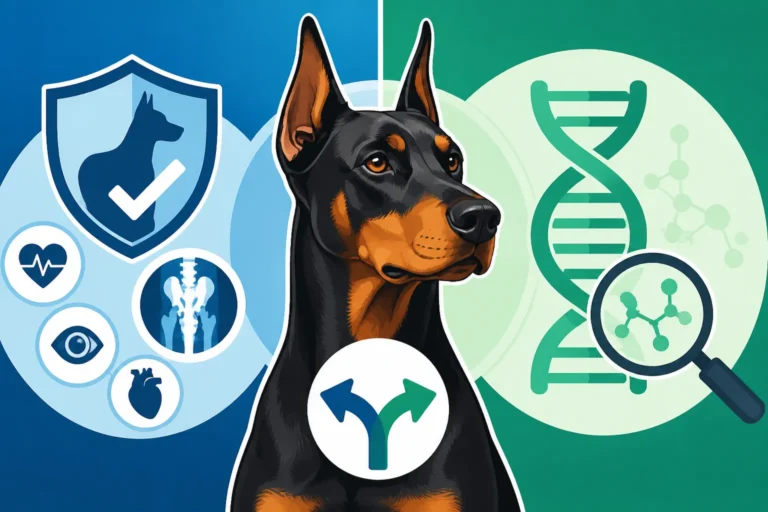
Testing for both DCM1 and DCM2 offers a significantly more robust risk assessment for your Doberman than relying on either test alone. Think of it like gathering more data points. With one data point, you might get a general idea, but with two, you can start to see patterns and probabilities with greater clarity. These two variants represent the most well-studied and validated genetic risk factors for DCM in Dobermans to date. By knowing your Doberman's status for both, you gain a multi-faceted understanding of their inherited predisposition.
For prospective Doberman owners, having genetic results for both parents from a breeder is a strong indicator of responsible breeding practices and a commitment to health. When a breeder presents you with results for "The Two Doberman DCM Gene Tests", they are providing you with invaluable information that empowers you to make an informed choice about your future puppy. It’s also crucial for current Doberman owners to consider getting both tests done, even if their dog is already an adult, as this information can inform their vet on appropriate screening frequencies and potential early interventions. For example, if a Doberman tests positive for both markers, a vet might recommend starting annual Holter and echocardiogram screenings even earlier than the typical age of two or three.
Navigating Scenarios: Positive for One, Both, or Neither
Understanding the different combinations of DCM1 and DCM2 results is key to interpreting your Doberman's genetic profile. Each scenario presents a different level of genetic risk, which then dictates how proactive you and your vet should be with clinical screenings.
- Clear for Both (N/N for DCM1, N/N for DCM2): This indicates a lower genetic predisposition to DCM based on current knowledge. While they are not immune, their risk from these specific genetic pathways is minimal. You should still adhere to breed-specific health screening guidelines, but perhaps without the immediate urgency a positive result would suggest.
- Positive for DCM1 Only (Carrier or Affected): Your Doberman carries the PDK4 deletion, which elevates their risk. However, the absence of the DCM2 variant might suggest a slightly different disease progression, potentially later onset, or a less severe form. Regular cardiac screening is highly recommended.
- Positive for DCM2 Only (Carrier or Affected): Many cardiologists consider the DCM2 Titin variant to be a stronger risk factor for disease development and earlier onset. A positive DCM2 result, even if DCM1 is clear, warrants immediate discussion with your vet about proactive cardiac monitoring.
- Positive for Both DCM1 and DCM2 (Any combination of Carrier/Affected): This is the scenario with the highest known genetic risk. Dogs in this category should be considered high-risk for developing DCM, potentially at an earlier age and with a more aggressive progression. Intensive cardiac screening, starting early in life, is absolutely essential. This comprehensive approach is particularly important in trying to understand "How Many Dobermans Develop DCM".
It's vital to remember that these genetic tests provide risk assessment, not a diagnosis. A positive genetic test doesn't mean your dog has DCM, only that they are predisposed. A negative test doesn't mean they won't get DCM.
The Role of Genetic Counseling and Breeder Responsibility
Given the complexities of Doberman DCM genetics, the role of genetic counseling, especially for breeders, cannot be overstated. Reputable Doberman breeders invest heavily in understanding these tests and use them as crucial tools in their breeding programs. They don't just test; they interpret and apply the results responsibly. A responsible breeder will be transparent about the genetic status of their breeding stock and will use combinations of parents that minimize the risk of producing affected offspring, ideally aiming for clear-to-clear or clear-to-carrier matings for the DCM1 gene, and similar careful consideration for DCM2. They should be able to provide you with "Reading a Doberman Puppy's Test Certificates".
This often means that a Doberman carrying a DCM gene might still be bred, but only to a mate who is clear of that specific variant, to ensure no puppies are homozygous affected. This method aims to reduce the prevalence of the disease over generations while maintaining genetic diversity within the breed. For pet owners, genetic counseling through your veterinarian can help you understand your Doberman's specific risk profile and plan for appropriate health monitoring. It's an essential conversation that ensures you're equipped with the best possible information to care for your Doberman throughout their life.
Beyond Gene Tests: Comprehensive Doberman Heart Health Screening
While gene tests offer invaluable insight into a Doberman's predisposition to DCM, they are just one piece of the puzzle. They indicate genetic risk, not actual disease presence. For a truly comprehensive approach to Doberman heart health, you absolutely cannot rely on genetic tests alone. Clinical screening through specialized veterinary cardiology examinations is the cornerstone of proactive DCM management.
Why Annual Echo and Holter Screening is Non-Negotiable
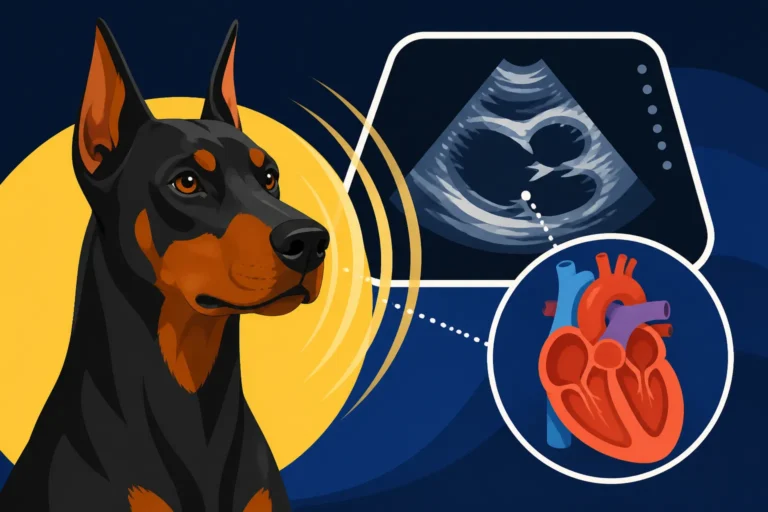
For any Doberman owner, regardless of their dog's genetic test results, annual cardiac screening with an echocardiogram (echo) and a 24-hour Holter monitor is absolutely non-negotiable. These are the gold standards for detecting DCM in its occult phase, before any outward symptoms appear.
-
Echocardiogram: An echocardiogram is an ultrasound of the heart. It allows a board-certified veterinary cardiologist to visualize the heart's structure, measure chamber sizes, assess wall thickness, and evaluate the pumping function of the heart. They can see if the heart is beginning to enlarge or if its contractility is becoming compromised, which are tell-tale signs of DCM progression. This non-invasive test provides real-time images and measurements that are critical for early diagnosis. Typically, Dobermans should start these annual screenings around 2-3 years of age, though dogs with high genetic risk (e.g., positive for both DCM1 and DCM2) might start earlier. This is the only way to know "What a Doberman Echo Actually Measures".
-
24-Hour Holter Monitor: The Holter monitor is a wearable ECG device that records every heartbeat for a full 24-hour period while your Doberman goes about their normal activities at home. Doberman DCM often manifests initially as electrical abnormalities in the heart, specifically ventricular premature contractions (VPCs) or arrhythmias, even before structural changes are visible on an echo. The Holter can pick up these subtle electrical disturbances, providing crucial information that might be missed during a brief in-clinic ECG. The number and complexity of these arrhythmias are key indicators for cardiologists. This is how your vet can evaluate "How Many Abnormal Beats Worry a Doberman Cardiologist".
These two tests, performed annually by a cardiologist, work in tandem to provide the most complete picture of your Doberman's cardiac health. They are vital tools in identifying "The Silent Years Before a Doberman's Heart Shows" clinical signs.
The "A Doberman That Tests Clear and Still Gets DCM" Reality
One of the most frustrating and often devastating realities for Doberman owners is when their dog tests clear for both known DCM gene variants, yet still goes on to develop the disease. This scenario, highlighted in the article "A Doberman That Tests Clear and Still Gets DCM ", underscores the complex nature of DCM and why genetic tests are not definitive guarantees.
There are several reasons this can happen:
- Undiscovered Genes: As previously mentioned, science hasn't identified every single gene or genetic modifier contributing to Doberman DCM. It's highly probable that other genetic factors, perhaps more subtle or less common, are at play. A "clear" genetic test only means clear for what we currently know.
- Environmental Triggers: Even in dogs with minimal genetic predisposition, environmental factors, nutritional deficiencies (like taurine deficiency, though this is less common with commercial diets now), or other illnesses could potentially trigger or exacerbate a cardiomyopathy.
- Complex Inheritance: DCM is likely a polygenic disorder, meaning many genes with small effects might combine to create risk. The two known variants are strong contributors, but they don't capture the entire genetic landscape.
- Spontaneous Mutations: While rare, new genetic mutations can occur.
This reality makes annual clinical screening paramount. If you skip the echo and Holter because your Doberman "tested clear," you could be missing the early, treatable stages of DCM. The gene tests inform your risk assessment, but the echo and Holter inform the actual status of their heart health. This is particularly important because early intervention with medication like Pimobendan can significantly extend a Doberman's quality and length of life once DCM is detected, even in its occult phase.
Integrating Genetic Information with Clinical Findings
The most effective approach to Doberman heart health is to integrate both genetic test results and clinical findings from annual screenings. These two types of information complement each other, providing a holistic view of your Doberman's individual risk and current health status.
Think of it this way:
- Genetic tests (DCM1 & DCM2): These tell you your Doberman's inherited predisposition or potential vulnerability. They help you understand their baseline risk. A Doberman with a high genetic risk might warrant starting annual Holter and echo screenings as early as one or two years of age, rather than waiting until the typical three years.
- Clinical screenings (Echo & Holter): These tell you the actual physiological status of your Doberman's heart right now. They detect the onset and progression of the disease in real-time.
A Doberman with a "clear" genetic panel should still undergo annual clinical screenings because of the chance of other, unknown genetic factors or environmental triggers. Conversely, a Doberman with a "positive" genetic panel should be screened even more diligently and potentially earlier, as they are at a higher genetic risk. The genetic results don't replace the clinical screenings; they inform how you approach those screenings. This integrated approach allows your veterinary cardiologist to make the most informed decisions about monitoring frequency, potential preventative measures, and when to consider starting medications such as those discussed in "Medication for a Doberman in the Occult Phase". It’s about building a comprehensive health strategy tailored specifically for your Doberman.
The Impact of Gene Test Results on Breeding Decisions
For dedicated Doberman breeders, the DCM gene tests are not just curious scientific novelties; they are crucial tools for responsible breeding. The high prevalence of DCM within the breed places a significant ethical responsibility on those who choose to perpetuate Doberman lines. Using these tests is a vital step toward improving the overall health of the breed and reducing the heartbreaking incidence of DCM in future generations.
Responsible Breeding Practices and DCM Gene Tests
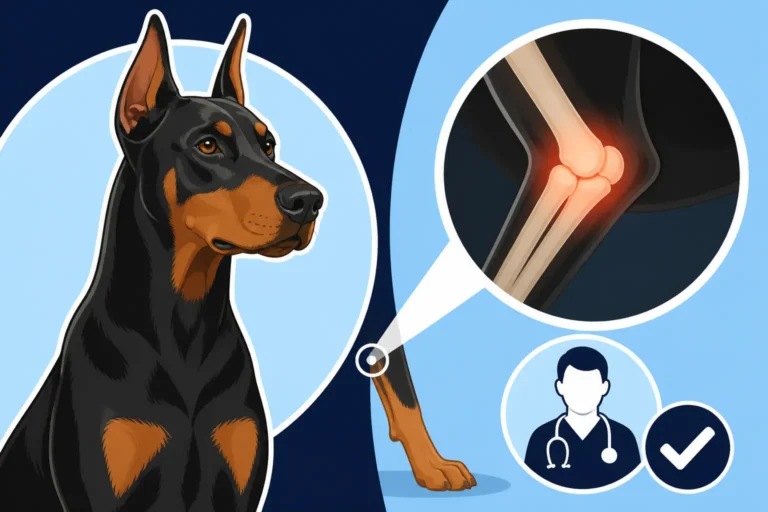
Responsible Doberman breeders view DCM gene tests as an essential part of their health testing protocols. Alongside hip and elbow evaluations, thyroid panels, Von Willebrand testing, and eye exams, DCM genetic testing provides insights into inherited predispositions that can guide mating choices. A breeder committed to health won't just test; they'll understand the implications of the results and use them to minimize risk. This doesn't necessarily mean immediately eliminating all carriers from a breeding program. Genetic diversity is also important for the long-term health of any breed. Instead, it means making educated decisions to avoid high-risk pairings.
For example, a responsible breeder would never knowingly breed two Dobermans that are both affected by or carriers of the same DCM variant, especially DCM2, as this significantly increases the chances of producing affected puppies. Instead, they might breed a carrier to a clear dog, ensuring that at least some of the offspring will be clear, and those that are carriers can then be carefully placed into pet homes or future breeding programs with further responsible considerations. This careful approach to genetics is part of "The Health Testing a Doberman Breeder Must Show".
Navigating the Ethics of Breeding Carriers
The question of whether to breed a Doberman that is a carrier for DCM1 or DCM2 is a complex ethical dilemma within the Doberman community. On one hand, the goal is to reduce the prevalence of DCM. On the other hand, immediately removing all carriers from the gene pool could drastically reduce genetic diversity, potentially leading to other health problems down the line.
Most reputable breeding philosophies advocate for careful, selective breeding of carriers. This means:
- Pairing Carriers with Clears: A Doberman that is a carrier for DCM1 or DCM2 can be safely bred to a Doberman that is clear for that specific variant. This ensures that no puppies will be homozygous affected for that gene, and at least 50% will be clear. The remaining 50% would likely be carriers, which can then be placed in pet homes or carefully considered for future breeding with clear mates.
- Focus on Clinical Health: Breeders also consider the clinical health of the dog. A Doberman that is a genetic carrier but has consistently passed annual echocardiograms and Holter monitors for many years (showing no clinical signs of DCM) might be considered a lower risk for breeding than a carrier that shows early signs of the disease.
- Holistic Approach: Breeders look at the entire pedigree, assessing the history of DCM in a particular line. If a carrier comes from a line with very low incidence of clinical DCM, it might be viewed differently than a carrier from a heavily affected line.
The decision is rarely black and white, requiring a deep understanding of genetics, breed health, and a commitment to transparency.
Improving the Future of the Doberman Breed Through Informed Choices
Ultimately, the goal of using DCM gene tests in breeding is to improve the long-term health and lifespan of the Doberman breed. Every informed breeding decision contributes to this larger objective. By carefully selecting breeding pairs based on their genetic status and clinical cardiac health, breeders can gradually reduce the frequency of these problematic genes within the population.
This process takes time and consistent effort across the entire Doberman community. It's not about eradicating a gene overnight, which is often impossible without severely bottlenecking a breed's genetic diversity. Instead, it's about making incremental, responsible choices that, over generations, shift the balance towards healthier outcomes. When prospective puppy buyers seek out breeders who demonstrate a clear understanding and application of these genetic tests, they are not only protecting their future pet but also supporting the breeders who are genuinely working towards a healthier future for the Doberman. This dedication helps to ensure that more Dobermans can live out a full, joyful life, without the looming threat of this terrible disease, perhaps even moving closer to "Whether Any Doberman Reaches Fifteen".
Living with a Doberman and DCM Gene Test Results
The results of your Doberman's DCM gene tests, while a significant piece of information, are just the beginning of a lifelong journey of care and proactive health management. Whether your Doberman tests clear, carrier, or affected, the information empowers you to be a more informed and vigilant owner. It's about taking that knowledge and translating it into tangible actions that support your Doberman's well-being.
Making Informed Decisions for Your Pet's Health
Understanding your Doberman's DCM gene test results allows you to make personalized, informed decisions about their ongoing health care.
- For Dogs Testing Clear for Both Variants: While this is wonderful news, it doesn't mean complacency. Your Doberman still belongs to a breed highly predisposed to DCM. Continue with annual cardiac screenings (echo and Holter) as recommended by your vet, starting around age two or three. Maintain a healthy lifestyle, ensuring proper nutrition and appropriate exercise. This diligent approach ensures you're aware of any new developments, regardless of genetic status.
- For Dogs Testing Carrier or Affected for One or Both Variants: This knowledge should prompt a more aggressive and earlier cardiac monitoring schedule. Discuss with your veterinary cardiologist about starting annual echo and Holter screenings earlier, perhaps as young as one year of age, or even earlier for very high-risk individuals. Early detection in these cases is paramount, as it opens the door to potential early interventions, such as medications like Pimobendan, which can improve quality of life and possibly extend their lifespan before overt symptoms begin. This proactive stance is the best way to manage the information from the gene tests.
Beyond medical decisions, this information can influence your daily life. You might become more attuned to subtle changes in your Doberman's energy levels, breathing, or appetite, knowing that these could be early indicators of a heart issue.
Considering Pet Insurance Like Healthy Paws for Future Care
The financial implications of managing a Doberman with DCM, or even just undergoing regular preventative screenings, can be substantial. This is where pet insurance, such as Healthy Paws, can play a crucial role in alleviating some of the financial burden and allowing you to make medical decisions based on what's best for your Doberman, rather than what you can afford out-of-pocket.
It’s an unfortunate reality that once a Doberman has any signs of DCM, whether clinical or even just electrical abnormalities detected on a Holter, it often becomes a pre-existing condition, and future treatment for it may not be covered by new insurance policies. This is why enrolling in a pet insurance plan like Healthy Paws before any signs of heart disease are detected – ideally when they are a puppy or young adult – is incredibly smart. Proactive enrollment ensures that if DCM does develop, diagnostic tests, specialist consultations, medications (which can be lifelong and costly), and emergency care will likely be covered, subject to your policy's terms. This forethought can save you thousands of dollars over your Doberman's lifetime and provide immense peace of mind. Investing in good pet insurance is a direct way to support the comprehensive health management that Dobermans, particularly those with genetic predispositions to DCM, truly need.
The Emotional Toll and Seeking Support
Living with the knowledge of DCM risk in your Doberman can take a significant emotional toll. The constant vigilance, the worry before each annual cardiac appointment, and the potential heartbreak of a diagnosis can be incredibly stressful. It’s okay to acknowledge these feelings. You are not alone in this experience.
Many Doberman owners find solace and support in online communities, breed-specific forums, and local Doberman clubs. Sharing experiences, asking questions, and simply knowing that others understand your concerns can be incredibly validating. Organizations like the Doberman Pinscher Club of America (DPCA) often have health committees and resources dedicated to DCM, offering educational materials and support networks. Don't hesitate to reach out to your veterinarian or a veterinary cardiologist for guidance and emotional support as well. They deal with Doberman DCM every day and can offer both medical advice and a compassionate ear. Remembering that you are doing everything you can to provide the best possible life for your Doberman, armed with knowledge and proactive care, is the ultimate testament to your love for this magnificent breed.
Disclaimer
This article is intended for informational purposes only and does not constitute veterinary medical advice. Always consult with a qualified veterinarian or a board-certified veterinary cardiologist for any health concerns or before making any decisions about your Doberman's care, diet, or treatment plans. Genetic test results should always be interpreted in conjunction with clinical examinations and the advice of a veterinary professional.