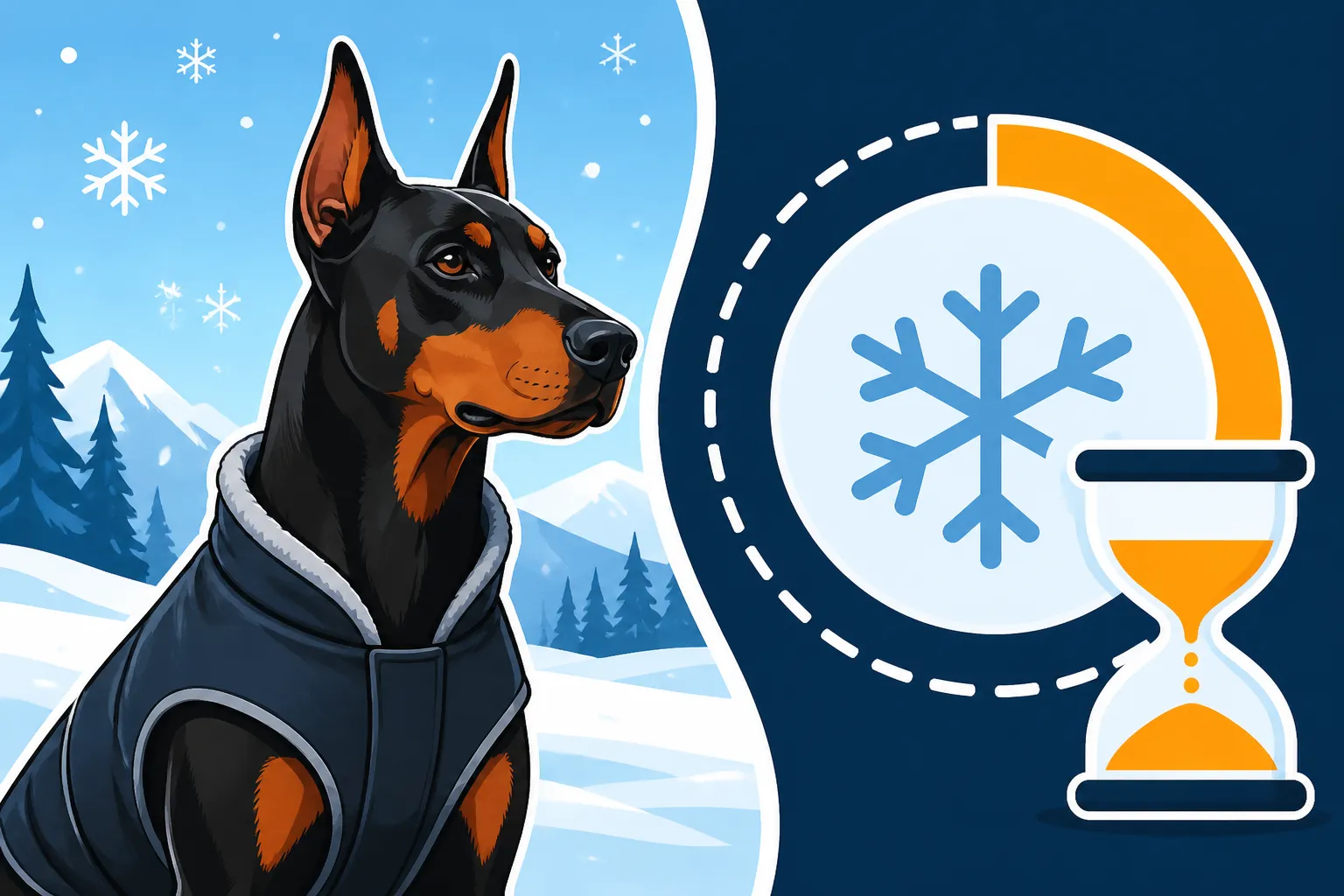
How Long a Doberman Can Be Out at Thirty-Five Degrees
One of the biggest worries for Doberman owners as the seasons change is how well their sleek, elegant dogs will handle the colder weather. It’s a common frustration to see other breeds romping happily in frosty air while your Doberman starts shivering after just a few minutes. This guide is here to help you understand precisely how long your Doberman can safely stay outdoors when the thermometer dips to 35 degrees Fahrenheit, and what you can do to keep them comfortable and protected.
Understanding Your Doberman's Unique Cold Tolerance
Let's be honest, Dobermans aren't built for Arctic expeditions. Their streamlined physique, which we adore for its beauty and athleticism, is also their biggest weakness when it comes to cold weather. This isn't just about them being "soft" – there are very real physiological reasons why they feel the chill more intensely than, say, a Siberian Husky or a Newfoundland.
The Single-Layer Coat and Lack of Undercoat
Unlike many cold-weather breeds, Dobermans boast a single-layer coat. It’s short, dense, and lies close to their body, giving them that characteristic sleek appearance. While this coat is fantastic for repelling rain and dirt, it offers minimal insulation against biting cold. They simply don't have that fluffy, insulating undercoat that acts like a natural thermal layer for double-coated breeds. Think of it like you wearing a thin windbreaker in winter compared to someone else in a thick down jacket. The difference is palpable. This is why you often hear owners asking Why a Doberman Feels the Cold Before Other Dogs. Their beautiful, practical coat just isn't designed for sustained exposure to low temperatures.
Low Body Fat and High Metabolism
Another factor working against your Doberman in the cold is their lean build and high metabolism. Dobermans are naturally athletic and typically have very little insulating body fat. While we strive to keep them at a healthy, lean weight – often judging their condition by Reading Ribs and Hip Points on a Doberman – this lack of extra padding means there's less natural insulation to keep their core temperature stable. Furthermore, their high metabolism, which fuels their boundless energy, also means they burn through calories quickly to generate heat. This is a double-edged sword: they can generate heat, but they also lose it rapidly without adequate protection. It means they need to consume enough calories just to maintain body temperature, let alone fuel their exercise. So, making sure you're Feeding an Eighty-Pound Doberman Well isn't just about muscle and energy; it's vital for their basic warmth too.
Factors Influencing Cold Exposure Time at 35°F
When the temperature hits 35°F, it's not a simple one-size-fits-all answer for how long your Doberman can stay out. Several variables come into play, making a significant difference between a quick potty break and a longer walk. Understanding these factors will help you make an informed decision for your specific dog on any given day.
Activity Level and Movement
This might seem obvious, but an active Doberman generates more body heat than one standing still. If your Doberman is trotting briskly on a Winter Walks With a Thin-Coated Doberman, playing fetch, or engaged in vigorous training, they'll withstand the cold for a longer period. The increased blood flow and muscle movement produce internal warmth. However, as soon as they slow down or stop, that heat production drops, and they'll start to feel the chill much more quickly. So, a 30-minute high-energy romp might be okay, but 30 minutes of standing around watching birds is definitely not. Keep them moving if you're going to be out for any length of time.
Wind Chill and Moisture
Thirty-five degrees Fahrenheit with no wind is entirely different from 35°F with a brisk wind. Wind chill dramatically accelerates heat loss from exposed skin. It strips away the thin layer of warm air that your Doberman's coat manages to trap close to their body, making the actual "felt" temperature feel much colder. Similarly, any moisture – whether it's rain, snow, or even just damp ground – can wick away body heat at an alarming rate. A wet coat loses most of its insulating properties. So, if it's damp or windy at 35°F, you should treat it as if the temperature is much lower, significantly reducing the safe outdoor time. Even a quick drizzle can turn a tolerable outing into a dangerous one very quickly.
Individual Health, Age, and Coat Condition
Just like people, Dobermans vary in their tolerance. A young, healthy, active adult Doberman will generally handle the cold better than a puppy, a senior dog, or a dog with underlying health issues. Older Dobermans, especially those with arthritis, thyroid issues, or even early signs of The Heart Disease That Reaches Most Dobermans, often have a harder time regulating their body temperature. Their circulation might not be as efficient, and they might not move as vigorously to generate warmth. Puppies also have less developed thermoregulation systems and are more susceptible to hypothermia. Furthermore, a Doberman with Color Dilution Alopecia in Blue and Fawn Dobermans or any other coat thinning issue will have significantly less protection and will need extra care and shorter exposure times. Always consider your individual dog's specific condition and err on the side of caution.
How Long Can Your Doberman Realistically Be Out at 35°F?
Given all these factors, providing an exact minute count is impossible and irresponsible. However, we can establish some realistic guidelines based on typical Doberman physiology and owner experience. Remember, these are general estimations, and your dog's comfort and safety should always be your top priority.
The "Quick Potty Break" Zone (5-10 minutes)
At 35°F, a quick dash outside for a potty break, perhaps to the end of the yard and back, is generally fine for most healthy Dobermans, even without a coat. This usually lasts no more than 5-10 minutes. They're usually focused on their business and moving just enough to stay warm during this brief excursion. However, if there's significant wind, rain, or snow, even this short duration might warrant throwing on a light jacket. For senior Dobermans or those prone to chilling, a coat for even this short period is a good idea. It's about minimizing the shock of the cold on their system.
The "Supervised Walk" Zone (15-30 minutes, with a coat)
For anything longer than a quick potty break, such as a proper walk around the block or a supervised play session, your Doberman absolutely needs appropriate winter gear. When it's 35°F, this means a well-fitting coat designed for warmth. A good starting point for a moderately active Doberman with a coat would be 15-30 minutes. If they are moving continuously and vigorously, and there's no wind or moisture, you might push towards the upper end. However, if they start to slow down, shiver, or lift their paws, it's time to head in immediately. Remember, dogs can get frostbite on their paw pads, so consider Whether a Doberman Needs Boots in Snow for these longer outings, especially if the ground is icy or treated with salt.
When to Avoid Extended Time Outdoors
There are times when even 35°F is simply too cold for more than a very brief, functional trip outside. If the temperature is 35°F but accompanied by high winds, sleet, freezing rain, or heavy snow, the "feels like" temperature can easily drop into the 20s or even colder. In these conditions, extended time outdoors should be avoided entirely. A Doberman can develop hypothermia surprisingly quickly. If your Doberman is a senior, a puppy, or has any health concerns (like those dealing with The Thyroid Numbers That Slow a Doberman Down or heart issues), their tolerance will be much lower. When in doubt, it's always safer to keep them indoors and compensate with indoor games and mental stimulation. There's no shame in prioritizing your Doberman's warmth and health over a long walk in harsh weather.
Recognizing Cold Stress and When to Head Indoors
It's crucial to be able to read your Doberman's signals. They can't tell you they're cold, so it's up to us, their devoted owners, to recognize the signs of discomfort and potential danger. Catching these cues early can prevent a simple chill from turning into a serious health issue like hypothermia or frostbite.
Subtle Signs of Chill
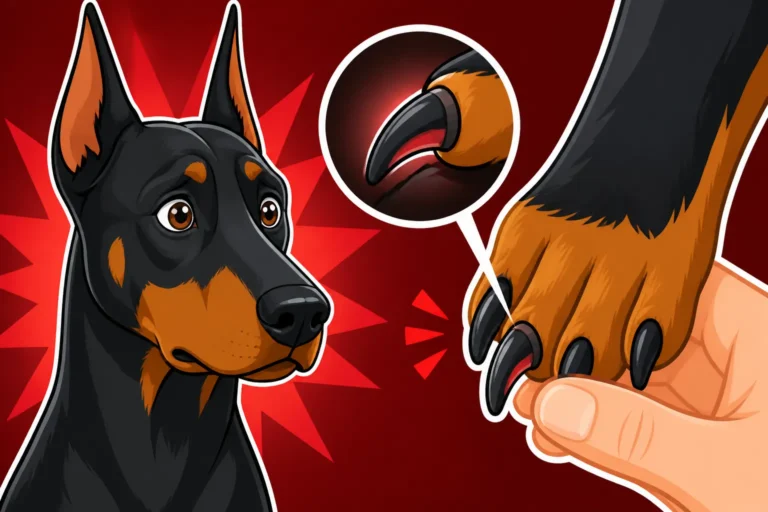
Before full-blown shivering begins, your Doberman might exhibit more subtle signs that they are getting cold. One common indicator is a change in posture or gait; they might hunch their back slightly, tuck their tail tightly between their legs, or walk with a more stiff, hurried stride, trying to minimize contact with the cold ground. You might notice them trying to stand on three legs, repeatedly lifting one paw, or walking tentatively on tiptoes – this indicates their paws are getting too cold. They might also press close against your legs or seek shelter behind you, trying to use you as a windbreak. Keep an eye out for any whining or restless behavior, which can also be a subtle cry for warmth. If you observe any of these, it’s a clear sign that they’ve had enough.
Obvious Warning Signs: Shivering and Lethargy
The most obvious sign, of course, is shivering. A Doberman's shivers can range from a slight tremble to vigorous, uncontrollable shaking. While a little shivering might occur when first stepping out into the cold, sustained shivering, especially if accompanied by other signs, means their body is struggling to generate enough heat. Another serious warning sign is lethargy or unusual slowness. If your typically energetic Doberman seems sluggish, disinterested in playing, or is moving much slower than usual, they are likely expending all their energy trying to stay warm. Their gums or tongue might also appear pale or bluish if they are severely chilled. These are not signs to ignore; prolonged exposure after these signs appear can lead to dangerous hypothermia. When you see these more pronounced warnings, it’s time to get indoors immediately and start warming them up gradually.
What to Do If Your Doberman Gets Too Cold
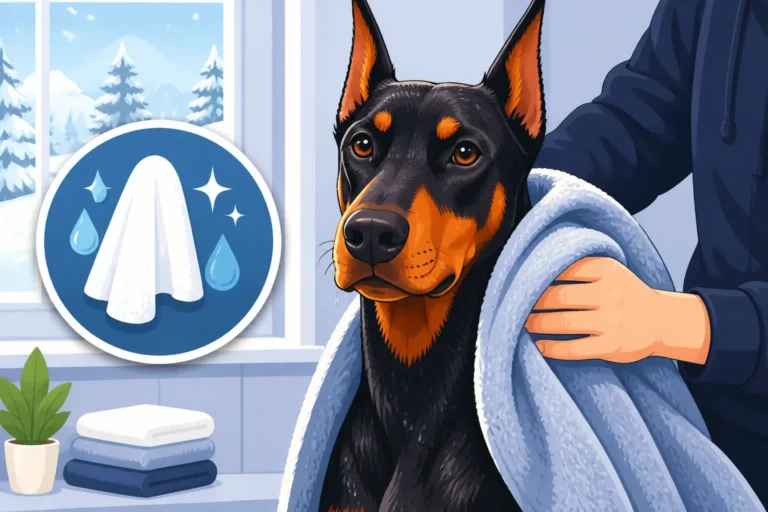
If you suspect your Doberman is too cold, the first step is to get them into a warm, dry environment as quickly as possible. Don't rush to warm them up too quickly with extremely hot water or direct intense heat, as this can cause shock. Instead, use warm (not hot) towels or blankets. Wrap them snugly in a blanket or several towels, particularly focusing on their chest and abdomen. You can use a hair dryer on a low, warm setting (held at a safe distance) to gently warm their fur, or a warm water bottle wrapped in a towel. Offer them a small amount of warm water or broth. Monitor their breathing and gum color. If they are unresponsive, extremely lethargic, or their shivering won't stop, contact your veterinarian immediately. These could be signs of severe hypothermia, which is a medical emergency. Always be prepared with a plan for gradual rewarming.
Keeping Your Doberman Warm and Safe in Cold Weather
Being proactive about your Doberman's warmth can make all the difference, especially when temperatures hover around that tricky 35°F mark. It’s not just about surviving winter; it’s about making sure your Doberman is comfortable, happy, and healthy through the colder months.
Investing in Proper Winter Apparel
This is non-negotiable for most Dobermans once the mercury drops. A good quality winter coat is essential. Look for coats that are waterproof or water-resistant, insulated, and cover a significant portion of their body, from their neck down over their back and ideally, part of their belly. Many brands offer styles specifically designed for deep-chested breeds, which is a huge bonus for Dobermans. You’ll want something that fits snugly but doesn't restrict movement. Take careful measurements! For shopping, you can find a huge selection on sites like Chewy or Amazon, often with customer reviews that mention Doberman fit. Some popular options include insulated jackets with fleece linings or quilted puffer styles. Don't forget that Winter Coats Sized for a Doberman can be tricky to find, so measuring correctly is key.
Beyond coats, booties can be incredibly beneficial. They protect your Doberman's paw pads from ice, snow, salt, and abrasive cold surfaces. Salt and ice melt can be particularly harsh, causing painful irritation and even chemical burns. If you're wondering Whether a Doberman Needs Boots in Snow, the answer is almost always yes for anything more than a very quick outing. Look for booties with good traction and secure closures that won't easily slip off their slender pasterns.
Strategic Exercise and Indoor Enrichment
When it's too cold for long outdoor excursions, don't let your Doberman become a couch potato. They still need mental and physical stimulation! Short, brisk walks with their coat on can be supplemented with indoor exercise. Think about engaging games like fetch in a long hallway, training sessions to practice new tricks, or puzzle toys that challenge their intelligent minds. Brands like Ollie (though primarily a food brand, their philosophy on active, healthy dogs extends to mental stimulation) and others offer great options for enrichment. Scent work, where you hide treats around the house for them to find, is another fantastic way to tire them out mentally without needing to brave the frigid air. Puzzle Work That Actually Tires a Doberman is a godsend in winter. These indoor activities are crucial to prevent boredom and destructive behaviors that can arise from pent-up energy.
Maintaining Indoor Warmth and Comfort
Even indoors, your Doberman appreciates extra warmth. Their thin skin and lack of undercoat mean they feel drafts easily. Provide them with warm, soft bedding, ideally elevated off cold floors. Options like orthopedic beds with plush covers are excellent. Many Doberman owners swear by Heated Beds for a Doberman in Winter, especially for older dogs or those with joint issues. These beds provide a consistent, gentle warmth that can be incredibly soothing. Make sure their main sleeping area isn't near a drafty window or door. Some Dobermans even enjoy wearing light indoor sweaters or pajamas during colder nights to maintain their body heat. If your Doberman has a favorite spot near a sunny window, let them soak up those rays! Every bit of warmth helps to keep them comfortable and cozy throughout the colder months.
Disclaimer
This article is for general informational purposes only and does not constitute professional advice. Laws, prices and regulations vary by location and change over time. Consult a qualified professional for guidance on your specific situation.