Whether a Doberman Should Be Kenneled Outside
For Doberman owners, the question of housing often comes with a few unique considerations. You might have a great, secure backyard and wonder if an outdoor kennel could be a perfect solution for your Doberman, providing them with fresh air and space. However, the reality is that Dobermans are a breed specifically not designed for outdoor living, and attempting to kennel them outside can lead to significant health and behavioral challenges. This guide will explore exactly why Dobermans thrive indoors, examining their physiological and emotional needs, and offering responsible alternatives for outdoor enjoyment.
Understanding Your Doberman's Unique Physiology and Sensitivity to Cold
It's tempting to think of any dog as adaptable to the outdoors, but Dobermans are built very differently from, say, a Siberian Husky or a German Shepherd. Their physical makeup makes them incredibly vulnerable to environmental factors, especially temperature extremes.
The Doberman's Distinctive Coat and Lack of Undercoat
Let's talk about that sleek, shiny Doberman coat. It's beautiful, undeniably striking, but it's also a single layer of short, fine hair. Unlike many other breeds that come equipped with a dense, insulating undercoat, your Doberman simply doesn't have that natural protection. Think about it like wearing a t-shirt in winter – it offers very little buffer against the cold.
This lack of insulation means Dobermans lose body heat rapidly. They also tend to be very lean dogs with low body fat, which further reduces their natural ability to stay warm. A Doberman might look tough and imposing, but biologically, they are quite delicate when it comes to temperature regulation. This is why you'll often hear owners discussing Why a Doberman Feels the Cold Before Other Dogs and seeing them bundled up in sweaters and coats even when the air has just a slight chill. They aren't being pampered; they're genuinely susceptible to the cold.
The Doberman's Need for Human Connection
Beyond their physical traits, Dobermans are renowned for their intense bond with their human families. They've earned the nickname "Velcro Dobermans" for a reason – they want to be with you, often physically touching you, following you from room to room. This isn't just a cute quirk; it's deeply ingrained in their temperament and their history as personal protection dogs who worked closely alongside their handlers.
Leaving a Doberman alone in an outdoor kennel, no matter how sturdy or seemingly comfortable, can be incredibly detrimental to their mental and emotional well-being. They thrive on interaction and being an integral part of the household. Isolation can lead to profound stress, anxiety, and a host of behavioral issues like excessive barking, destructive chewing, or even aggression born of fear and frustration. They are truly companion animals, and they need to feel like they are part of the pack, not relegated to the sidelines. If you’ve ever had a Doberman, you know that the idea of Whether a Doberman Ever Enjoys Being Alone is usually met with a chuckle and a story about them squeezing onto a tiny couch cushion right next to you.
Environmental Risks and Practical Challenges of Outdoor Kenneling
Considering a Doberman's unique needs, placing them in an outdoor kennel presents a multitude of risks that go far beyond just feeling a bit chilly.
Temperature Extremes and Inadequate Shelter
Even the most well-built outdoor kennel struggles to truly protect a Doberman from the elements. In colder climates, the danger of hypothermia is immense. A Doberman's ears and paw pads are particularly vulnerable to frostbite. While a dog house might seem like a solution, most aren't insulated enough to maintain a safe, consistent temperature for a Doberman when external temperatures drop below freezing. You'll find yourself constantly checking The Degrees at Which a Doberman Starts Shivering, and realizing that what might be a mild day for you is a serious health risk for them.
Conversely, hot weather poses an equally serious threat. Dobermans, especially those with darker coats, absorb heat quickly. Without proper shade, ample airflow, and consistent access to cool water, they are highly susceptible to heatstroke, which can be fatal. An outdoor kennel can quickly become an oven in direct sunlight, and even a shaded area might not be enough to dissipate the heat on a scorching day. Owners often wonder Whether a Doberman Overheats in Summer Too, and the answer is a resounding yes, making controlled indoor environments essential.
Exposure to Pests, Predators, and Theft
An outdoor environment, even a fenced one, exposes your Doberman to a host of other dangers. Fleas, ticks, and mosquitoes are constant threats, carrying diseases like Lyme disease, ehrlichiosis, and heartworm. While preventatives exist, constant exposure increases the risk.
Then there are local wildlife concerns. Depending on your area, coyotes, raccoons, aggressive stray dogs, or other territorial animals can pose a serious threat, especially to a dog confined to a kennel. The psychological stress of constantly being on alert for these threats can lead to chronic anxiety in your Doberman.
Tragically, Dobermans are also a desirable breed for theft. An unattended outdoor kennel can become a target, leaving your beloved companion vulnerable to being stolen. The security of being within the home, surrounded by family, is paramount for their safety.
Maintaining Hygiene and Health in an Outdoor Environment
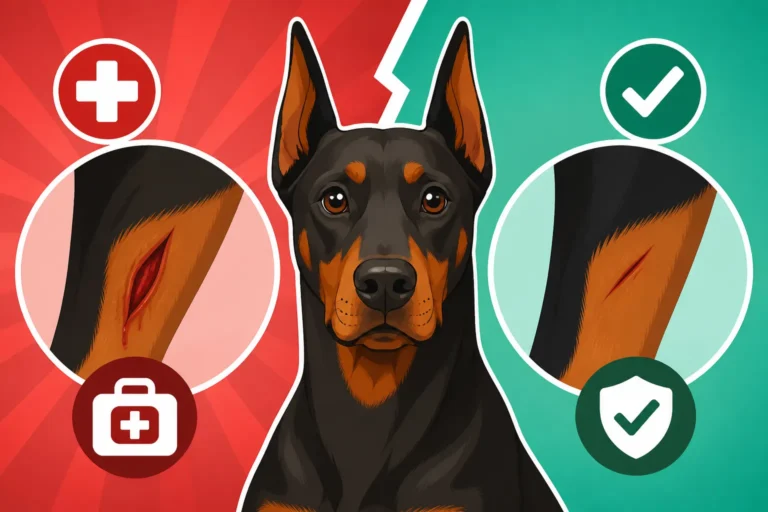
Keeping an outdoor kennel truly clean and dry is an ongoing battle, especially with weather fluctuations. Damp conditions can lead to skin infections and other dermatological issues for a Doberman's sensitive skin. Their thin skin is also prone to Wound Healing in a Doberman With Thin Skin, making small cuts or scrapes from rough surfaces in a kennel a bigger concern.
It's also much harder to closely monitor your Doberman's health when they're kept outside. Subtle changes in appetite, energy levels, or stool consistency – early indicators of illness – can easily be missed. Inside, these cues are far more apparent, allowing for quicker intervention by a veterinarian.
Safe and Responsible Alternatives to Outdoor Kenneling
While permanent outdoor kenneling isn't suitable, that doesn't mean your Doberman can't enjoy the great outdoors. It's all about providing safe, supervised access and prioritizing their comfort and well-being inside the home.
Creating a Comfortable Indoor Space
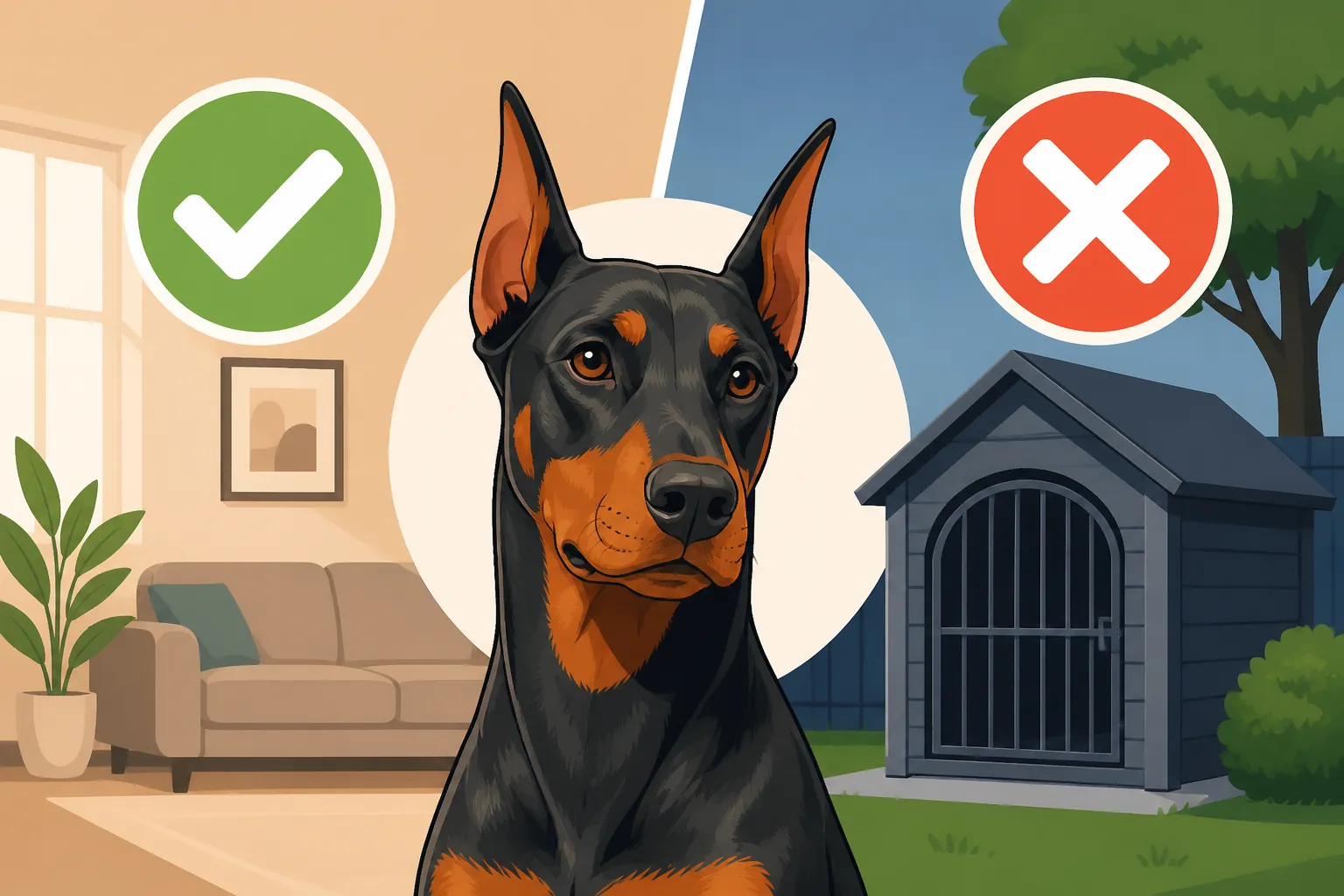
The absolute best "kennel" for your Doberman is a comfortable, safe space inside your home. This might be a roomy crate, a designated corner with a comfy bed, or simply allowing them free roam of dog-proofed areas. The key is that they are part of the family, in a climate-controlled environment, and safe from external threats.
When choosing a crate, make sure it's appropriately sized, allowing them to stand, turn around, and lie down comfortably. Crate Sizing for a Doberman at Full Height is crucial, as they are large dogs and need ample room. For bedding, prioritize comfort and support. Dobermans are lean and bony, so an orthopedic or well-cushioned bed is ideal to prevent pressure sores on elbows and hips. You can find excellent options from retailers like Chewy, which often carry robust, washable beds designed for larger breeds. Investing in Beds That Cushion a Bony Doberman is a gift to their joints and overall comfort.
Safe Outdoor Access for Exercise and Potty Breaks
Your Doberman absolutely needs regular outdoor time for exercise, mental stimulation, and potty breaks. This should always be in a securely fenced yard, under supervision. A solid fence that they can't jump or dig under is paramount. Dobermans are intelligent and athletic, so don't underestimate their ability to test boundaries.
During these outdoor sessions, ensure there's adequate shade in summer and protection from rain or snow in winter. If it's cold, they might need a warm coat, especially if they are going to be out for more than a quick potty break. When it comes to finding Coats That Actually Fit a Doberman's Chest, you'll often need to look for brands that cater to deep-chested breeds. Always bring them back inside once their outdoor activity is done, or if the weather turns harsh.
Mental and Physical Stimulation
Dobermans are highly intelligent and energetic dogs. Simply leaving them in an outdoor kennel, even for short periods, deprives them of the mental engagement they desperately need. This can lead to boredom, which quickly escalates to destructive behaviors.
Instead, focus on providing consistent mental and physical stimulation throughout the day. This includes structured walks, training sessions, and interactive play. Puzzle toys, like those often found on Amazon, can be a fantastic way to engage their minds indoors. Consider rotating toys to keep things fresh. They need to be Keeping a Doberman Mentally Tired as much as physically, and activities like nose work or even complex obedience training are excellent for this. Don't underestimate the power of Puzzle Work That Actually Tires a Doberman to prevent boredom and keep them sharp. Some owners even incorporate subscription boxes from brands like Ollie that include healthy treats suitable for use in puzzle feeders.
Behavioral and Training Considerations
The choices you make about your Doberman's living environment profoundly impact their behavior and ability to integrate into your family and society.
The Impact of Isolation on Doberman Temperament
A Doberman left alone in an outdoor kennel for extended periods can develop serious behavioral problems. The isolation deprives them of critical socialization and the constant human interaction they crave. This can manifest as excessive barking, often due to boredom or anxiety. They might become destructive, chewing on fences or kennel structures in an attempt to alleviate stress or escape.
More concerningly, isolation can lead to fear-based aggression or an unhealthy escalation of their natural guarding instincts. Without proper exposure to varied people, sounds, and environments, and without the steady reassurance of their human family, a Doberman can become overly suspicious or even fearful. This often gets misinterpreted as aggression when it's really a lack of confidence and appropriate coping mechanisms. What starts as a natural Doberman Guarding Instinct and Where It Tips Over into something problematic is often a result of inadequate socialization and emotional support.
Building a Secure Bond and Trust
Dobermans thrive on a secure, trusting relationship with their owners. This bond is built through consistent, positive interaction, training, and simply sharing life together. They need to feel loved, safe, and valued members of the family. Living indoors with you fosters this connection naturally. They learn household routines, understand social cues, and develop the confidence that comes from being part of a stable pack.
When a Doberman is kenneled outside, this crucial bond is severely hampered. They miss out on countless small interactions – a comforting touch, a reassuring word, the routine of family life – that build trust and emotional security. This can lead to a Doberman that, while physically present, feels emotionally distant or misunderstood. Remember, they are often called "Velcro Dobermans" for a reason; they literally want to be at your side, forming an unbreakable attachment. For more on this, you might explore Living With a Doberman That Follows You Everywhere.
Indoor vs. Outdoor Considerations for Dobermans
To summarize the key differences and why indoor living is almost always the superior choice for a Doberman, consider this comparison:
| Feature/Aspect | Indoor Living (Recommended) | Outdoor Kenneling (Not Recommended) |
|---|---|---|
| Temperature | Climate-controlled, consistent comfort all year round. | Exposed to extreme heat/cold, high risk of heatstroke/hypothermia. |
| Insulation | Protected from elements, no reliance on thin coat. | No natural insulation, highly vulnerable due to lack of undercoat. |
| Human Contact | Constant interaction, strong bond, emotional security. | Isolated, can lead to anxiety, behavioral issues, lack of bond. |
| Pest/Predators | Minimal exposure to fleas, ticks, wildlife threats. | High exposure, increased risk of disease and physical harm. |
| Security/Theft | Safer from theft and external threats within the home. | Vulnerable to theft, potential for escape. |
| Hygiene | Easier to monitor cleanliness, fewer skin/paw issues. | Difficult to maintain dry, clean environment; higher risk of infections. |
| Health Monitoring | Easier to spot subtle health changes and symptoms. | Difficult to observe and respond to health issues quickly. |
| Behavior | Promotes calm, well-adjusted temperament with training. | Can lead to barking, destructive behavior, fear, or frustration-aggression. |
Ultimately, providing your Doberman with a safe, comfortable, and stimulating indoor environment is not just a preference; it's a fundamental requirement for their health, happiness, and well-being. While they certainly benefit from supervised outdoor time and exercise, their place is always inside, as a cherished member of your family.
Disclaimer
This article is for general informational purposes only and does not constitute professional advice. Laws, prices and regulations vary by location and change over time. Consult a qualified professional for guidance on your specific situation.