How Often to Feed a Doberman Under Six Months
Bringing home a new Doberman puppy is an exciting, albeit slightly chaotic, adventure. One of the biggest worries new owners face is figuring out the feeding routine – how often, how much, and what kind of food will best support their rapidly growing companion. It’s easy to feel lost with so much information out there, and the stakes feel high because proper nutrition is foundational for your Doberman's health. This comprehensive guide is here to demystify the feeding frequency for Doberman puppies under six months, helping you establish a schedule that ensures your young Dobe thrives.
The Critical Importance of Consistent Feeding for Young Dobermans
Let's be honest, those Doberman puppies are like little furry growth machines! They seem to get bigger every single day, and with that rapid development comes an intense need for consistent, appropriate nutrition. It's not just about filling their tummies; it's about providing a steady stream of energy and building blocks for bones, muscles, and organs. Skipping meals or providing too much food at once can throw their delicate systems out of whack, leading to a host of potential problems. You're not just feeding a dog; you're fueling a future athlete, protector, and beloved family member.
Why Small, Frequent Meals Are Best for Fast Growth
Imagine trying to build a skyscraper with only one delivery of materials a day. It wouldn't be very efficient, would it? The same principle applies to your Doberman puppy. Their tiny stomachs aren't designed to handle huge quantities of food in one go. Instead, they need smaller, more frequent meals to properly digest and absorb all the nutrients their rapidly developing bodies demand. This approach helps maintain stable blood sugar levels, which is incredibly important for active, growing puppies.
Furthermore, Doberman puppies, like all puppies, have incredibly high metabolisms. They're burning through calories at an astonishing rate just by existing, let alone playing, learning, and growing. Frequent feeding ensures they have a continuous supply of energy to power this demanding phase of life. If you try to consolidate their meals into just one or two big servings, you risk overwhelming their digestive system, leading to upset stomachs, or, on the flip side, leaving them hungry and prone to energy crashes. Think of it as a steady drip feed of goodness rather than a sudden flood. It’s a much gentler and more effective way to nourish them.
Avoiding Hypoglycemia and Overeating in Puppies
One of the real dangers, especially with very young or smaller puppies, is hypoglycemia, or low blood sugar. Because their little bodies are expending so much energy and their livers aren't as efficient at storing glucose as an adult dog's, long stretches between meals can cause their blood sugar to plummet. A hypoglycemic puppy can become lethargic, weak, disoriented, and in severe cases, even have seizures. This is a very real and frightening scenario, which is why frequent feeding is a non-negotiable part of early puppy care for a Doberman. You want to avoid those dramatic dips in energy and mood.
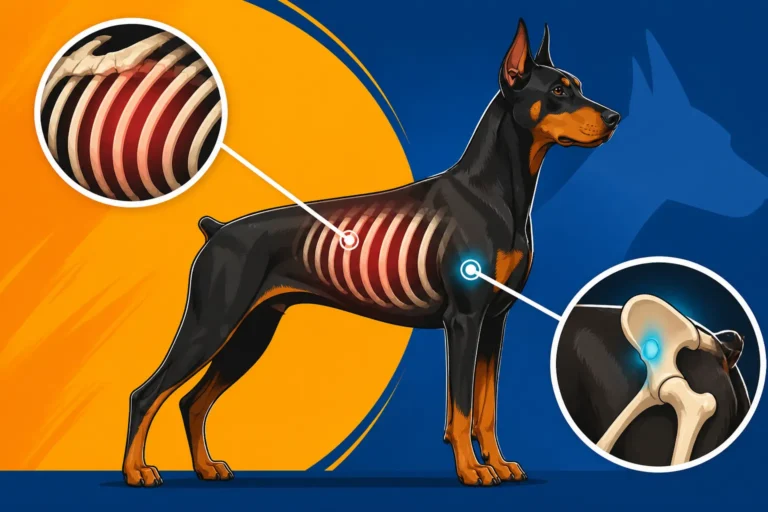
On the flip side, overeating in a single sitting can also cause problems. A Doberman puppy's digestive system isn't mature enough to process a massive meal effectively. This can lead to indigestion, vomiting, diarrhea, and even contribute to conditions like bloat later in life, especially given the Doberman's deep, narrow chest. By splitting their daily food allowance into several smaller meals, you're easing the burden on their stomach and intestines, promoting better digestion, and reducing the risk of them feeling uncomfortably full. It’s a fine balance, but one that frequent, measured meals help you achieve. For more insights on this breed's specific needs, you might find Why a Doberman Is Never Fed One Big Meal a useful read.
A Month-by-Month Guide to Doberman Puppy Feeding Schedules
Navigating the changing feeding needs of a Doberman puppy can feel like trying to hit a moving target. They grow so quickly, and what works at 8 weeks won't necessarily be ideal at 5 months. It's helpful to think of their feeding schedule in phases, understanding that each age brings slight adjustments to both frequency and portion size. This isn't a rigid rulebook, but rather a flexible framework to help you keep your Dobe puppy well-fed and thriving.
| Age Range | Recommended Meals per Day | Key Considerations |
|---|---|---|
| 8 – 12 Weeks | 3-4 meals | Rapid growth, small stomach, high metabolism, easy to become hypoglycemic |
| 3 – 4 Months | 3 meals | Continued rapid growth, teething may affect appetite, developing stamina |
| 5 – 6 Months | 2-3 meals | Approaching adolescent growth spurt, monitor weight and energy, preparing for adult schedule |
Feeding Your Doberman Puppy from 8 to 12 Weeks Old
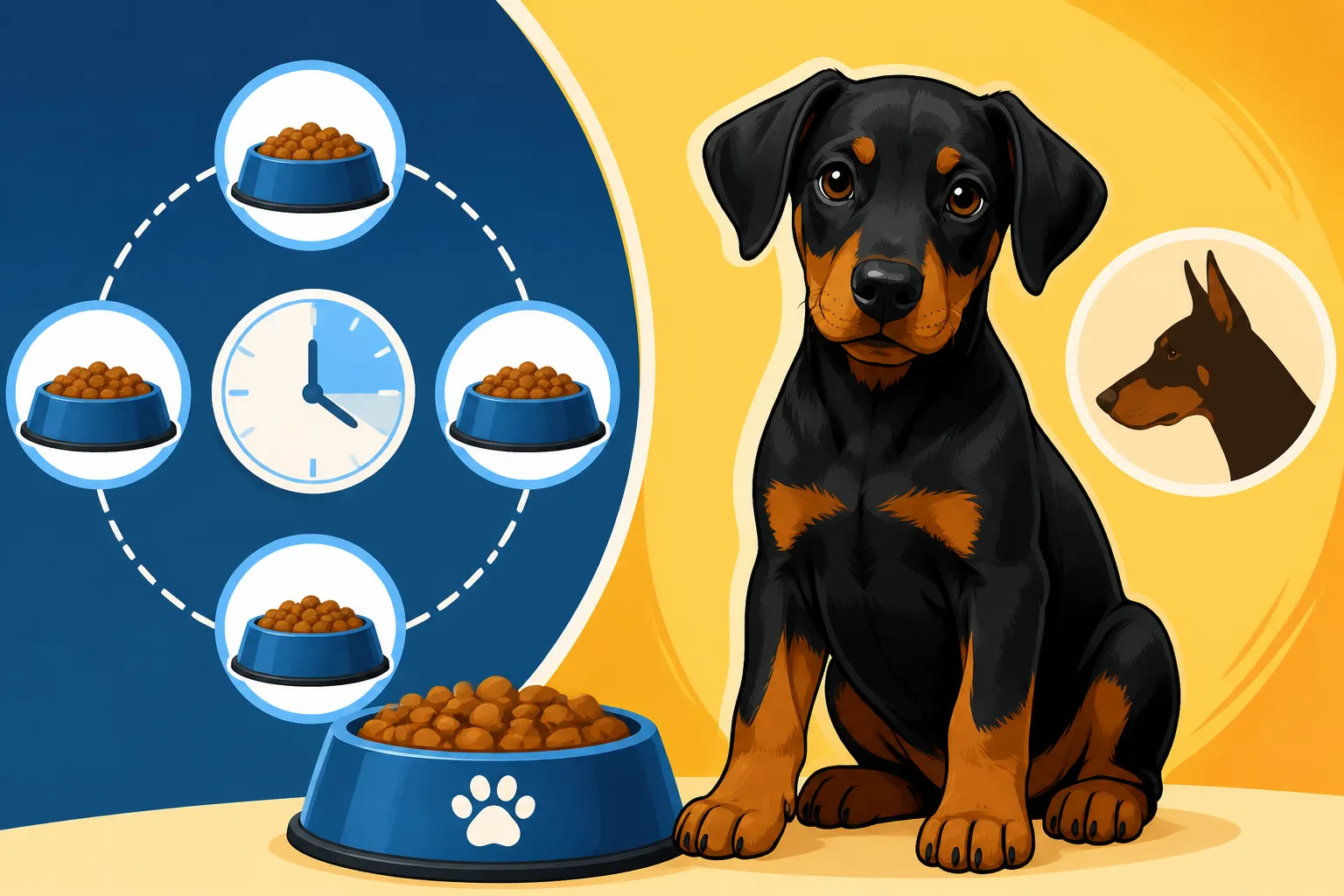
When you first bring home your Doberman puppy, likely between 8 and 10 weeks of age, their feeding schedule will be quite frequent. At this tender age, a Doberman puppy thrives on three to four meals a day. Their little bodies are in overdrive, growing at an exponential rate, and they simply don't have the capacity to store much energy. Spreading their daily food intake into smaller, more digestible portions helps prevent blood sugar drops and ensures a steady supply of nutrients for all that rapid bone and muscle development.
For example, if your puppy's total daily recommended allowance is 3 cups, you might break that into four 3/4 cup servings, spaced roughly 4-5 hours apart. This could look like breakfast at 7 AM, lunch at 12 PM, dinner at 5 PM, and a smaller bedtime snack around 9 PM. This schedule helps them maintain energy throughout their busy day of playing, exploring, and napping. Always follow the guidelines on your puppy food bag, which usually provide a chart based on the puppy's current weight and anticipated adult weight. Brands like Chewy often carry a wide selection of high-quality puppy foods suitable for Dobermans, allowing you to easily find options that support their unique growth curve. Remember, consistency is key during this initial phase.
Adjusting the Schedule for Dobermans Aged 3 to 4 Months
As your Doberman puppy progresses past the 12-week mark and enters the 3 to 4-month range, you'll start to notice them filling out and gaining a bit more stamina. Their stomachs are slightly larger, and their digestive systems are maturing. At this point, you can generally transition them to three meals a day. This reduction in frequency often aligns with their increasing ability to go longer between meals without experiencing energy dips.
Let's say your 4-month-old Doberman is now eating 4 cups of food per day. You might divide this into three servings of approximately 1.3 cups each, perhaps at 7 AM, 1 PM, and 7 PM. This spacing still ensures they are getting regular nourishment while allowing for longer periods of digestion and less interruption to their playtime or training sessions. It's during this time that you'll also be closely monitoring their weight and body condition. Are their ribs easily felt but not seen? Is their waist apparent? Keeping an eye on these physical cues is important, as Dobermans grow tall very quickly and then start to fill out. You can learn more about this by reading The Age a Doberman Reaches Full Height and When a Doberman Fills Out After Growing Tall. Each puppy is an individual, so observe your Dobe closely; a very active puppy might need their meals closer together or a slightly larger portion, while a lazier one might need a small reduction.
The 5 to 6 Month Mark: Preparing for Adulthood
When your Doberman puppy reaches 5 to 6 months old, they are really starting to look less like a clumsy puppy and more like a miniature Doberman. Their energy levels are still incredibly high, but their digestive systems are much more robust, and their bodies are better equipped to handle longer intervals between meals. At this stage, many Doberman owners find success transitioning their puppies to two to three meals a day.
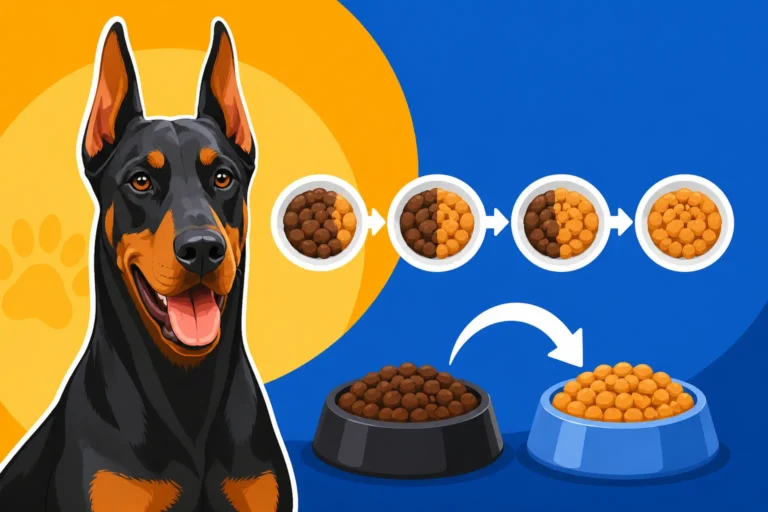
The exact timing for going down to two meals can vary. Some Dobermans might be ready right at 5 months, while others might do better with three meals until closer to 7 or 8 months. A common schedule for two meals would be breakfast around 7 AM and dinner around 6 PM. If you opt for three meals, you could still follow the 7 AM, 1 PM, 7 PM routine. The key is to gradually make the change, perhaps by slowly increasing the size of two meals while phasing out the third, or by simply combining two smaller meals into one larger one. Monitor your Dobe for any signs of hunger or digestive upset during this transition. You're preparing them for the adult feeding schedule, where most Dobermans thrive on two meals a day, a practice vital for their deep chests as discussed in Why a Doberman Is Never Fed One Big Meal.
Recognizing Your Doberman Puppy's Unique Nutritional Needs
Even within the Doberman breed, no two puppies are exactly alike. While general guidelines are incredibly helpful, your puppy will also have individual quirks, energy levels, and growth rates that influence how often and how much they need to eat. Being observant and understanding these nuances will allow you to fine-tune their feeding schedule for optimal health.
Monitoring Growth and Energy Levels
One of the best ways to gauge if your Doberman puppy is on the right feeding schedule is by observing their growth and energy levels. Are they gaining weight steadily without looking chubby or overly thin? You should be able to feel their ribs without pressing hard, and they should have a discernible waist when viewed from above. If they're constantly ravenous, looking gaunt, or seem to run out of steam quickly, it might be a sign they need more frequent meals or larger portions. Conversely, if they're leaving food in their bowl or gaining weight too rapidly, you might need to slightly reduce portion sizes or ensure they're getting enough exercise.
Puppies, especially Dobermans, grow so fast that it's worth checking their body condition weekly. You don't want them to grow too fast, as this can put stress on their developing joints. This is a crucial point addressed in Protecting a Growing Doberman's Joints. Also, pay attention to their stool consistency. Healthy, firm stools are a good indicator that their digestive system is happy with their current diet and feeding frequency. Loose stools or constipation could signal that something isn't quite right with their food or schedule.
The Role of Food Type and Quality in Frequency
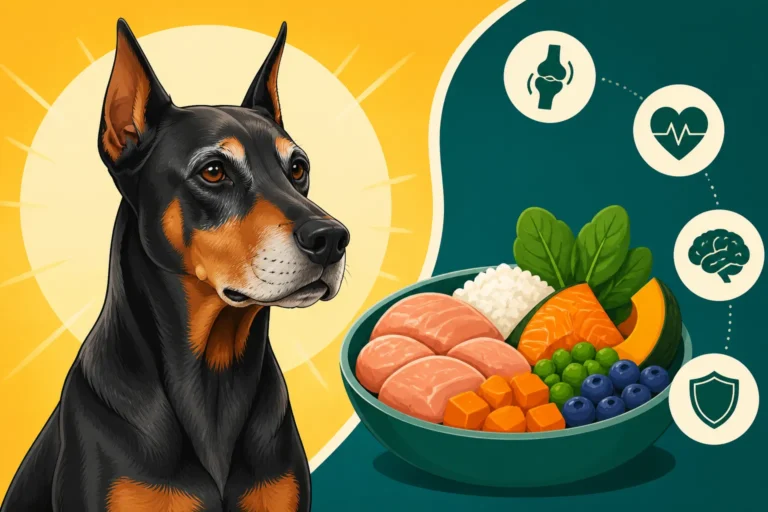
The type and quality of food you offer your Doberman puppy play a significant role in how often they need to eat and how well they absorb nutrients. High-quality puppy food, specifically formulated for large breeds and rapid growth, will be dense in nutrients, meaning your puppy can get more goodness from a smaller volume of food. This often translates to feeling fuller longer and getting the required energy without needing quite as much volume as a lower-quality food.
When selecting puppy food, look for options that list a named meat source (like "chicken meal" or "beef") as the first ingredient. Many owners also consider specific brands known for their quality, whether it's a kibble from a well-regarded manufacturer or even fresh food services like Ollie, which deliver pre-portioned, human-grade meals that can be a fantastic option for precise nutrition. Be cautious about the "grain-free" craze, as some research suggests a potential link between certain grain-free diets and heart issues in some breeds, including Dobermans. Always discuss your chosen food with your veterinarian, especially one familiar with Doberman health. For more detailed insights into puppy nutrition, consider reading What a Doberman Puppy Needs at Each Age.
Transitioning and Troubleshooting Common Feeding Challenges
Transitioning your Doberman puppy from very frequent small meals to fewer, larger ones is a gradual process. It's not always smooth sailing, and you might encounter some bumps along the way. Understanding what signs to look for and how to troubleshoot common issues will help you navigate this period with confidence and keep your Dobe puppy happy and healthy.
Signs It's Time to Change the Feeding Schedule
Your Doberman puppy will give you clues when they're ready for a change in their feeding schedule. One of the most common signs is that they start to leave some food in their bowl at one of their usual meal times, particularly if they're on three or four meals a day. If this happens consistently, it might indicate they're ready to drop a meal and consolidate their daily intake into fewer, larger portions. For instance, if they're consistently picking at their mid-day meal, it could be a sign that two meals (breakfast and dinner) are now sufficient.
Another indicator is their energy levels. If they seem perfectly content and energetic between meals and aren't begging for food constantly, their current schedule is likely working well. If they are consistently acting ravenous long before their next meal, or seem lethargic, it might mean they need slightly more food or that their meals are spaced too far apart. Observe their bathroom schedule too; a consistent routine often means their feeding schedule is well-tuned to their digestive system. Pay attention to how their body is developing; are they holding a healthy weight, or are they getting too chunky or too thin? You can monitor your Dobe’s progress against general recommendations found in articles like Whether a Doberman Puppy Is Growing on Schedule.
When Your Doberman Puppy Refuses a Meal or Eats Too Fast
It can be concerning if your Doberman puppy suddenly refuses a meal. First, rule out any illness. Is your puppy otherwise acting normal, or are there other symptoms like lethargy, vomiting, or diarrhea? If they seem fine, it could be something as simple as teething pain, which can make eating uncomfortable. In such cases, softening their kibble with warm water can help. Stress or changes in their environment can also temporarily impact appetite. If refusal is consistent or accompanied by other symptoms, a vet visit is always warranted.
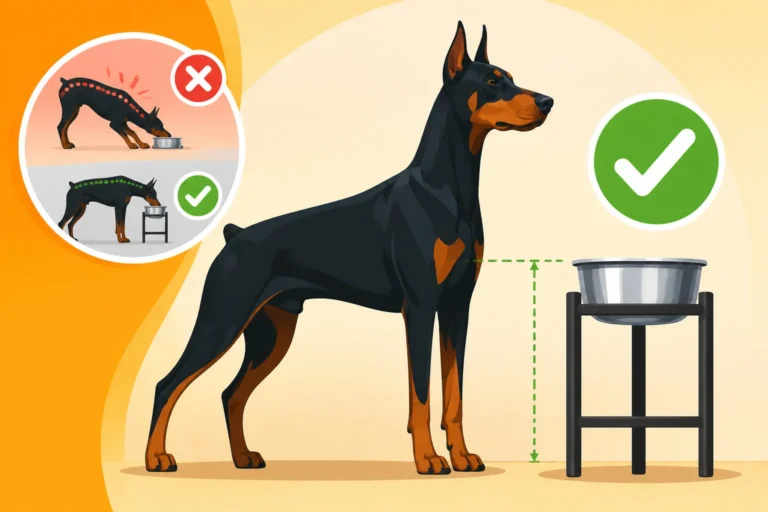
On the opposite end, some Doberman puppies are notoriously fast eaters. They'll inhale their food in seconds, which can lead to indigestion, gas, and even an increased risk of bloat later in life. If your Dobe is a gobbler, consider investing in a slow-feeder bowl or a puzzle feeder. These clever inventions make your puppy work for their food, slowing down their intake significantly. You can find many options on platforms like Amazon or Chewy that are designed to challenge even the most enthusiastic eaters. This isn't just about slowing them down; it's also a great way to provide mental enrichment, making mealtime a more engaging activity rather than just a race to the bottom of the bowl.
Disclaimer
This article is for general informational purposes only and does not constitute professional advice. Laws, prices and regulations vary by location and change over time. Consult a qualified professional for guidance on your specific situation.