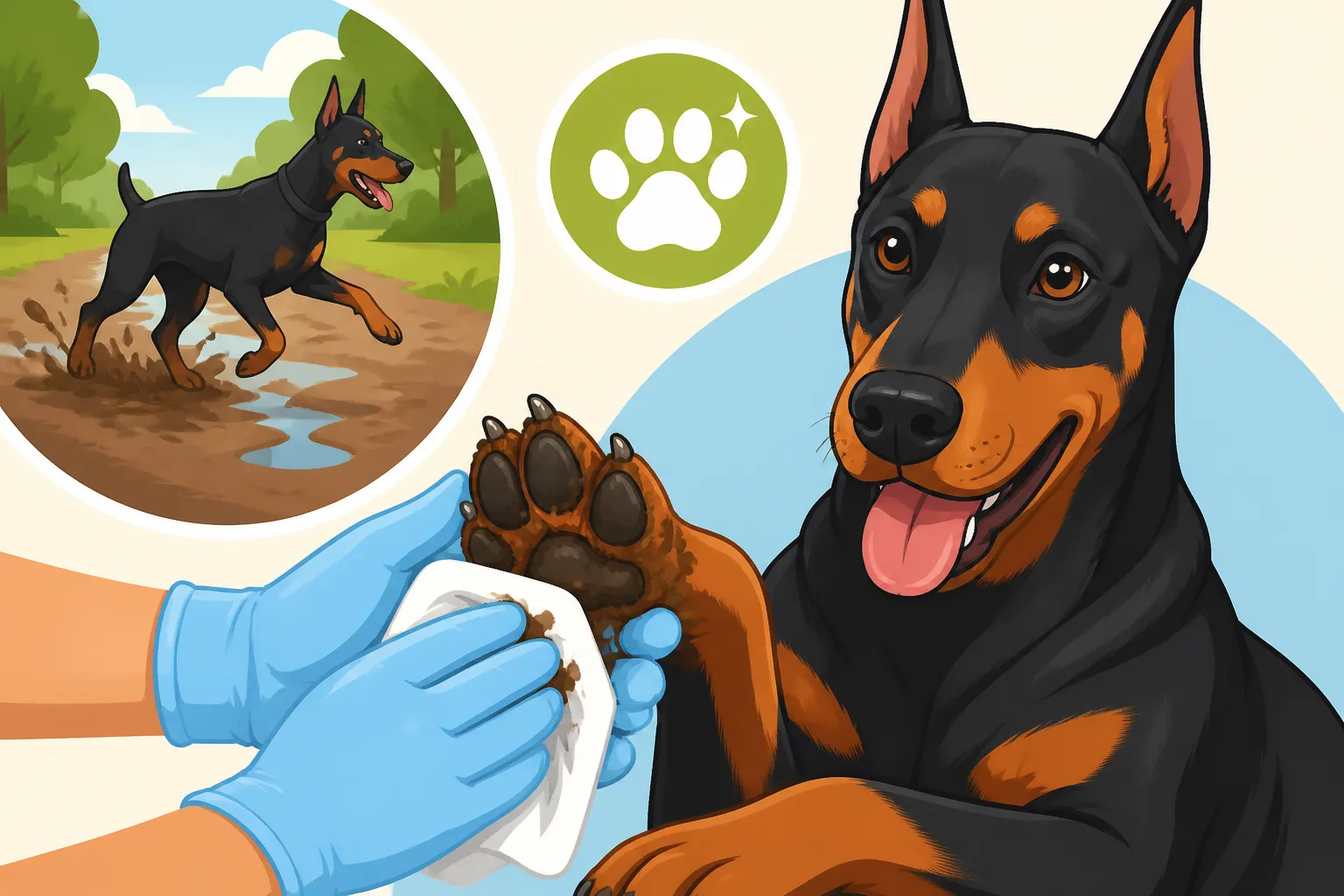
Cleaning a Doberman’s Feet After Muddy Walks
There’s nothing quite like the joy of watching your Doberman bound through a field, exploring every scent and splashing through every puddle with unbridled enthusiasm. But let’s be honest, that joy often comes with a dose of dread when you eye those muddy paws heading straight for your clean floors. It's a universal struggle for Doberman owners: how do you keep your house pristine without dampening your dog's adventurous spirit? This guide will walk you through the most effective and gentle ways to clean your Doberman's feet after those wonderfully messy walks, ensuring both a happy pup and a cleaner home.
Why Muddy Paws Are More Than Just a Mess
It's easy to dismiss muddy paws as just a superficial nuisance, a little extra cleaning for us humans. But for your Doberman, a seemingly harmless coat of mud can quickly turn into a source of discomfort or even lead to health complications if not addressed properly. Understanding why those paws get so messy and what it means for their well-being is the first step towards proactive care.
The Doberman's Energetic Nature and Love for the Outdoors
Dobermans are athletes, plain and simple. They possess an incredible drive, intelligence, and an insatiable curiosity that makes them excellent companions for outdoor adventures. Whether it's a vigorous hike on a muddy trail, a spirited game of fetch in a damp park, or simply exploring the backyard after a rain shower, their zest for life means they're often knee-deep (or at least paw-deep) in whatever nature throws their way. They're not dogs that are content to sit idly by; they want to engage with their environment.
Unlike some breeds with thick, double coats that might catch some of the mud higher up on their legs, a Doberman's sleek, short coat offers very little protection. Mud, damp leaves, tiny pebbles, and all sorts of outdoor debris adhere directly to their paws and lower legs with surprising tenacity. This isn't a breed that shies away from getting dirty, and frankly, we wouldn't want them to! Their lean, muscular build is designed for movement, not for staying spotless. The trick is embracing their natural inclinations while also being prepared for the inevitable clean-up.
Potential Health Issues from Uncleaned Paws
Beyond the aesthetic annoyance of muddy paw prints, there are legitimate health concerns that arise from consistently dirty or damp paws. Your Doberman's paw pads are surprisingly tough, but the skin between their toes and around their nails is much more delicate. When mud, dirt, and moisture are left to linger, they create a perfect breeding ground for bacteria and fungi. This can lead to conditions like interdigital dermatitis, which is an inflammation of the skin between the toes, characterized by redness, swelling, and sometimes a foul odor.
Moreover, abrasive particles like grit, tiny sharp pebbles, or even road salt and chemical de-icers can become lodged in the crevices of their paws. If not removed, these can cause irritation, cuts, or abrasions to the paw pads and the sensitive skin around them. Dobermans, with their relatively thin skin, can be particularly susceptible to nicks and scrapes that, when exposed to persistent dampness and dirt, can become infected. Wound Healing in a Doberman With Thin Skin is something every Doberman owner should be mindful of, and paws are a prime area for such issues. Left unaddressed, these minor irritations can escalate into painful infections, causing your Doberman significant discomfort. You might notice them licking their paws excessively, limping, or even showing reluctance to put weight on a particular foot. Sometimes, a subtle change in behavior, such as being a bit more withdrawn or even a little snappy, can be a sign of underlying pain. A Doberman That Stiffens Before It Growls might indicate they're hurting.
The "Indoor Mud Trail" Dilemma
Let’s be honest, this is often the immediate frustration that drives us to perfect our paw-cleaning routine. The moment your Doberman steps inside with muddy paws, they leave an undeniable trail. It’s on your pristine hardwood floors, the plush carpet, and often, if they decide to relax after their adventure, on your favorite couch or bedspread. Even when the mud appears to have dried, it often crumbles into fine dust that then disperses throughout your home, clinging to fabrics and settling on surfaces.
This isn't just about superficial dirt; it can affect your home's hygiene and your own peace of mind. No one wants to constantly be scrubbing floors or vacuuming furniture because of a beloved pet's outdoor exploits. The good news is that you don't have to choose between a happy, exercised Doberman and a clean home. With the right tools and a consistent routine, you can effectively manage the "indoor mud trail" and keep your living space much tidier, allowing both you and your Doberman to enjoy the benefits of their active lifestyle without the constant clean-up headache.
Assembling Your Doberman Paw Cleaning Arsenal
Facing a muddy Doberman at the back door without the right supplies can feel like trying to stop a waterfall with a teacup. Having a dedicated collection of tools at the ready makes the task less daunting, more efficient, and far less messy for both of you.
Essential Tools for an Effective Clean
Think of your paw cleaning station as a mini spa for your Doberman's feet. Here's what you'll want to have on hand:
- Paw Washers: These clever devices, often available from retailers like Chewy or Amazon, are a game-changer. They're typically a cup-shaped container with soft silicone bristles inside. You add a little warm water, insert your Doberman's muddy paw, and gently twist. The bristles work to dislodge mud and dirt from between pads and around nails without being harsh. They come in various sizes, so make sure to get one appropriate for an eighty-pound Doberman's paw.
- Soft, Absorbent Towels: You'll need more than one. Keep a stack of dedicated "dog towels" specifically for paw duty. Old bath towels work perfectly. The goal is maximum absorption to get those paws thoroughly dry after washing.
- Gentle Dog Shampoo or Cleanser: Never use human shampoo on your Doberman. Their skin pH is different, and human products can be drying or irritating. Opt for a mild, dog-specific shampoo. Some brands offer paw-specific cleansers that are designed for quick rinses and gentle on sensitive skin. A small amount goes a long way.
- Warm Water Source: A bucket or a small basin filled with warm water can be your best friend. For larger Dobermans, a utility sink or a handheld shower sprayer in a shower stall can also be incredibly useful.
- Optional but Handy Additions:
- Non-slip Mat: To place your Doberman on during the cleaning process, preventing slips and providing a comfortable, stable surface.
- Paw Balm: After a thorough cleaning and drying, especially in harsh weather, a paw balm can help moisturize and protect their pads from cracking.
- Doggy Wipes: These aren't for deep cleaning but are fantastic for quick touch-ups or removing light dust.
Creating a Dedicated Cleaning Zone
Establishing a specific "cleaning zone" can dramatically streamline your post-walk routine and help your Doberman understand what's expected of them. Ideally, this spot should be near the door your Doberman uses to enter the house after outdoor excursions. A mudroom is perfect, but a corner in the garage, a designated spot in the kitchen with a non-slip mat, or even a utility room works wonderfully.
The key is consistency. When your Doberman knows they're always going to the same spot for paw cleaning, they're more likely to cooperate. Prepare the area before your Doberman comes in. Have your paw washer filled, towels laid out, and shampoo ready. This prevents you from frantically searching for supplies while your Doberman tracks mud further into the house. A routine, reinforced with positive attention and perhaps a treat, will make the process much smoother and less stressful for both of you.
On-the-Go Mud Solutions for Car Rides and Quick Trips
Sometimes, the muddy adventure happens far from home. A hike in the woods, a visit to a friend’s house with a wet yard, or a stop at a dog park after a rainy day can leave your Doberman’s paws caked in mud before you even get home. This is where a portable "paw kit" comes in handy.
Keep a travel-sized paw washer, a small bottle of water, and a couple of dedicated towels in your car. This allows you to do a quick, effective clean before your Doberman jumps onto the back seat. Trust me, it’s much easier to clean mud off paws than off car upholstery! Car Restraints for an Eighty-Pound Doberman can help keep them secure while you clean their paws, and then help keep the car cleaner once they are settled. For lighter dirt or dust, pet-safe wipes (available widely, including on Amazon) can be a good interim solution until you can get home for a more thorough wash. These portable solutions are about minimizing the mess and preventing your Doberman from tracking dirt into spaces that are hard to clean, like your vehicle, or having to walk around uncomfortably with grit between their toes until you reach home.
A Step-by-Step Ritual for Sparkling Doberman Paws
Now that you have your arsenal, it's time to put it into action. Cleaning your Doberman's paws doesn't have to be a wrestle; with a methodical approach and a calm demeanor, it can become a cooperative and even pleasant routine.
Preparing Your Doberman (and Yourself!) for the Wash
Before you even think about grabbing a paw, take a deep breath. Your Doberman is incredibly attuned to your emotions. If you're stressed or annoyed by the mud, they’ll pick up on that, making them less likely to cooperate. Approach the task with a calm, reassuring attitude.
Start by getting your Doberman to their designated cleaning spot. Use gentle verbal cues like "Paws up!" or "Time for clean feet!" and reward them for calmly going to their spot. Having a few high-value treats ready is crucial. The goal is to make this experience a positive one, not a punishment for getting dirty. If your Doberman is particularly wiggly, a second person can be helpful for gentle restraint, or you might consider keeping them on a leash for better control, especially in the early stages of training. Remember, patience and positive reinforcement are key to building a cooperative Doberman.
The Art of the Thorough Paw Clean
Once your Doberman is in place, it’s time to get down to business. The method you choose will depend on the level of mud and your available tools.
-
Method 1: Using a Paw Washer (e.g., from Chewy or Amazon):
- Fill the paw washer with lukewarm water, adding a tiny drop of dog shampoo if desired.
- Gently guide one of your Doberman's muddy paws into the cup, ensuring it goes deep enough for the bristles to work effectively.
- Twist the cup back and forth, or move your Doberman's paw up and down, allowing the soft silicone bristles to scrub away the mud from the pads and between the toes. Do this for about 10-20 seconds.
- Carefully remove the paw and wipe off any excess water and mud before repeating with the remaining three paws.
- Periodically empty and refill the paw washer if the water becomes excessively dirty.
-
Method 2: Basin/Small Tub Soak: For really caked-on mud, or if you don't have a paw washer, a small basin or tub can work wonders.
- Fill the basin with a few inches of lukewarm water and a small amount of dog shampoo.
- Place one of your Doberman's paws into the water, letting it soak for a few seconds to soften the mud.
- Gently massage the paw, using your fingers or a soft washcloth to dislodge mud from the pads and between the toes. Pay close attention to the often-missed areas around the dewclaws (if present) and higher up on the leg.
- Rinse the paw thoroughly with clean water to ensure no soap residue remains.
- Repeat for all paws.
-
Method 3: Handheld Sprayer: If you have access to a utility sink or a shower with a handheld sprayer, this can be an efficient way to rinse off.
- Guide your Doberman into the sink or shower.
- Use lukewarm water to gently spray and rinse each paw, working from the top of the leg down to the pads.
- You can use a soft brush or your fingers to help scrub away stubborn mud.
- Ensure thorough rinsing to remove all dirt and any shampoo residue.
Regardless of the method, remember to inspect each toe and pad carefully. Grass seeds, small thorns, or bits of gravel can easily get embedded, causing irritation or infection. Grass Seeds and a Short-Coated Doberman can be a serious issue, and a thorough paw clean is your best chance to spot them early.
The All-Important Drying and Inspection Phase
This step is just as, if not more, important than the washing itself. Damp paws are a breeding ground for yeast and bacteria, leading to itchy, inflamed skin and potential infections.
- Thorough Drying: Grab those absorbent towels! Blot and gently rub each paw until it is as dry as possible. Pay particular attention to the spaces between the toes, as moisture loves to hide there. Don't be shy about really getting in there with the towel. For Dobermans, who lack the thick fur insulation of some breeds, drying well is relatively quick but absolutely essential.
- Post-Clean Inspection: Once dry, give each paw a final, close inspection.
- Pads: Check for any cuts, scrapes, punctures, or excessive dryness/cracking.
- Between Toes: Look for redness, swelling, skin irritation, or any lingering debris.
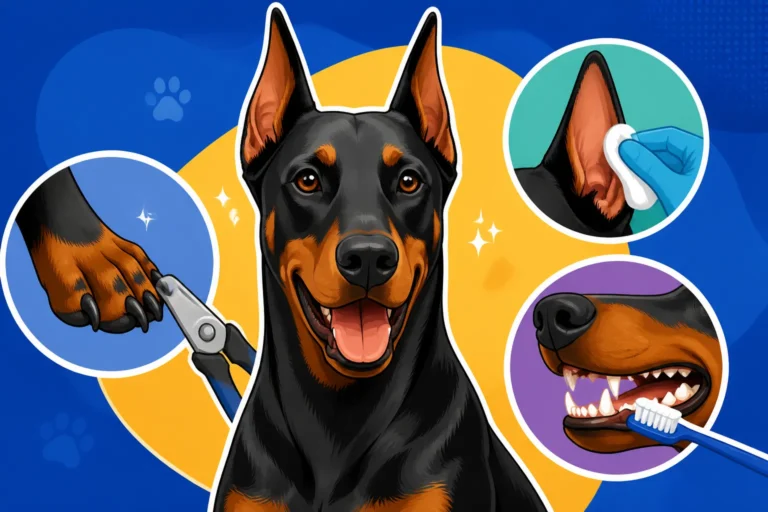
- Nails: This is a perfect time to check the length of their nails and consider if it's time for a trim. Cutting Nails a Doberman Will Not Show You is a task many owners dread, but regular checks during paw cleaning make it easier to keep on top of.
- Dewclaws: Don't forget to check these, as they can sometimes get snagged or become irritated.
If you notice any dryness or minor cracking on their pads, applying a paw balm after drying can help keep them supple and protected. Make this final inspection part of the routine; it’s a quick check-up that can prevent bigger problems down the line.
Proactive Paw Care: Beyond Just Cleaning
Cleaning muddy paws is a reactive measure, but true paw health involves a proactive approach. By integrating regular care and being aware of environmental factors, you can significantly reduce the chances of problems arising in the first place, making those post-walk clean-ups even easier.
Daily Paw Health Checks: A Quick Routine
Just like you might check your Doberman's ears or teeth, a quick daily paw check can be invaluable. This doesn't need to be an elaborate affair; it can be integrated into cuddle time on the couch or a brief moment after their evening walk. Gently handle each paw, feeling the pads and between the toes.
What are you looking for?
- Tenderness or unusual warmth: These could indicate inflammation or injury.
- Lumps or bumps: Sometimes cysts or foreign bodies can develop.
- Excessive hair growth between pads: While Dobermans have short coats, hair can still grow a bit long between their pads, trapping moisture, dirt, and even small debris. A quick trim with blunt-nosed scissors (if you're comfortable and your Doberman is cooperative) can help.
- Changes in pad texture: Are they unusually rough, cracked, or excessively soft?
- Signs of licking or chewing: Any persistent attention your Doberman pays to their paws should raise a flag.
Catching these issues early means you can address them before they escalate into painful, costly problems. Think of it as preventative maintenance for their most vital "equipment" for exploring the world.
Environmental Considerations for Doberman Paws
Your Doberman's environment plays a huge role in the condition of their paws. Being aware of potential hazards can help you protect them.
- Weather Extremes:
- Hot Pavement: In summer, asphalt can get scorching hot, causing painful burns to paw pads. Always test the pavement with your hand; if it's too hot for you to hold your hand on for five seconds, it's too hot for your Doberman's paws. Walk during cooler parts of the day or seek out grassy areas.
- Ice, Salt, and Chemicals: Winter walks present their own challenges. Ice can be abrasive, and de-icing salts and chemicals commonly used on sidewalks can be corrosive and toxic. These substances can dry out and crack paw pads, and if ingested (when your Doberman licks their paws), can cause internal issues. Consider a coat for warmth Winter Coats and Cold-Weather Gear for a Doberman, and always rinse paws thoroughly after winter walks, even if they don't look muddy.
- Terrain Awareness: While Dobermans are hardy, constantly running on rough, rocky, or sharp terrain can take a toll on their paw pads. If you're frequently hiking on challenging ground, consider paw booties for extra protection. Conversely, too much time on very soft, manicured surfaces can make their pads less resilient, so a mix of textures is generally beneficial.
When to Call the Vet: Recognizing Warning Signs
Sometimes, despite your best efforts, paw problems can arise, or what seems minor might be something more serious. It's crucial to know when to seek professional veterinary advice. Don't hesitate to contact your vet if you observe any of the following:
- Persistent Limping: If your Doberman is limping for more than a few hours, or if the lameness is severe.
- Obsessive Licking or Chewing: If they are constantly grooming or gnawing at a paw, especially to the point of redness, hair loss, or irritation.
- Swelling or Oozing: Any noticeable swelling, pus, or discharge from a paw or between the toes.
- Foul Odor: A strong, unpleasant smell can indicate a bacterial or fungal infection.
- Deep Cracks or Non-Healing Wounds: While minor scrapes might heal on their own, deep cracks in the pads or wounds that aren't improving should be checked by a vet.
- Color Changes: Any unusual discoloration of the paw pads or nails.
- Sudden Reluctance to Walk or Put Weight Down: This is a clear sign of pain or discomfort. Why a Doberman Can Look Fine and Be Ill applies to paw issues too; sometimes discomfort isn't immediately obvious until it significantly impacts their movement.
Early intervention is key to preventing minor paw issues from becoming chronic or severely painful conditions. Your vet can accurately diagnose the problem and recommend the best course of treatment, ensuring your Doberman's paws remain healthy and ready for their next adventure.
Paw Cleaning Tools Comparison
To help you choose the best tools for your Doberman's muddy paws, here's a quick comparison of common cleaning methods.
| Tool Type | Best Use Case | Pros | Cons | Where to Find (Concept) |
|---|---|---|---|---|
| Paw Washer Cup | Moderate to heavy mud, quick cleans | Portable, efficient, contains mess, gentle bristles | May require water refills for multiple dirty paws, not for deep wounds | Pet stores, Chewy, Amazon |
| Basin/Small Tub | Very heavy mud, full paw immersion, soaking | Thorough cleaning, good for sensitive paws, versatile | Requires more water, less portable, Doberman needs to stand still | Home goods stores, many online retailers |
| Doggy Wipes | Light dirt, quick touch-ups, travel | Super convenient, no water needed, travel-friendly | Not effective for caked-on mud, can be costly long-term | Pet stores, grocery stores, Chewy, Amazon |
| Handheld Sprayer | Moderate mud, at-home rinse (utility sink/shower) | Good for rinsing, less bending for owner, quick | Requires a cooperative Doberman, can make area wet | Hardware stores, online |
| Dedicated Towels | Drying, initial mud removal, general wiping | Always essential, multi-purpose, inexpensive | Get very dirty quickly, requires frequent washing | Any textile retailer, Chewy for pet-specific towels |
Disclaimer
This article is for general informational purposes only and does not constitute professional advice. Laws, prices and regulations vary by location and change over time. Consult a qualified professional for guidance on your specific situation.