The Black and Rust Doberman
Many Doberman owners, and even those just admiring the breed from afar, often wonder about the specific genetic blueprint that creates that stunning, classic black and rust coat. It’s not just a color; it’s an integral part of the breed’s powerful silhouette and noble bearing. This guide will delve into the distinct visual characteristics, historical significance, and genetic underpinnings of the black and rust Doberman, helping you appreciate what makes this particular coloration so iconic and beloved.
The Enduring Icon: Why Black and Rust Defines the Doberman
When most people picture a Doberman, they envision that sleek, commanding presence clad in deep black with sharp, contrasting rust-colored markings. This isn't by accident; the black and rust combination isn't just common, it's the very image that has been cultivated and celebrated for generations, becoming synonymous with the breed itself. There's an undeniable gravitas and elegance that comes with this specific coat, setting it apart and making it the quintessential Doberman look.
Visual Impact and Immediate Recognition
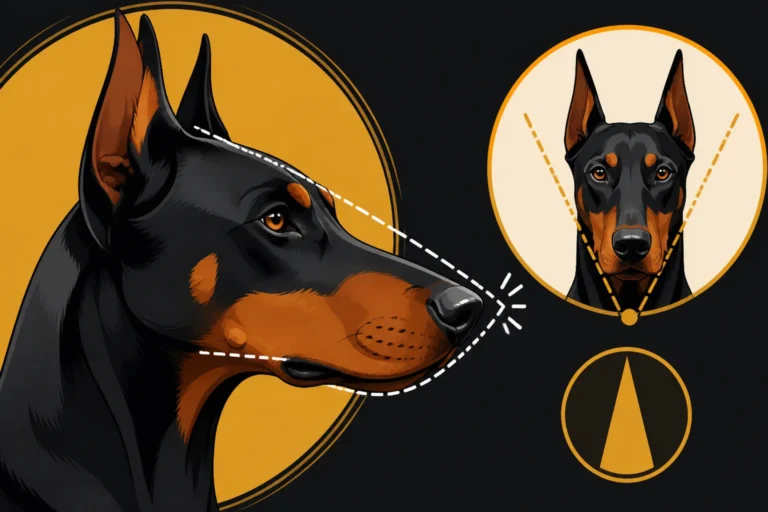
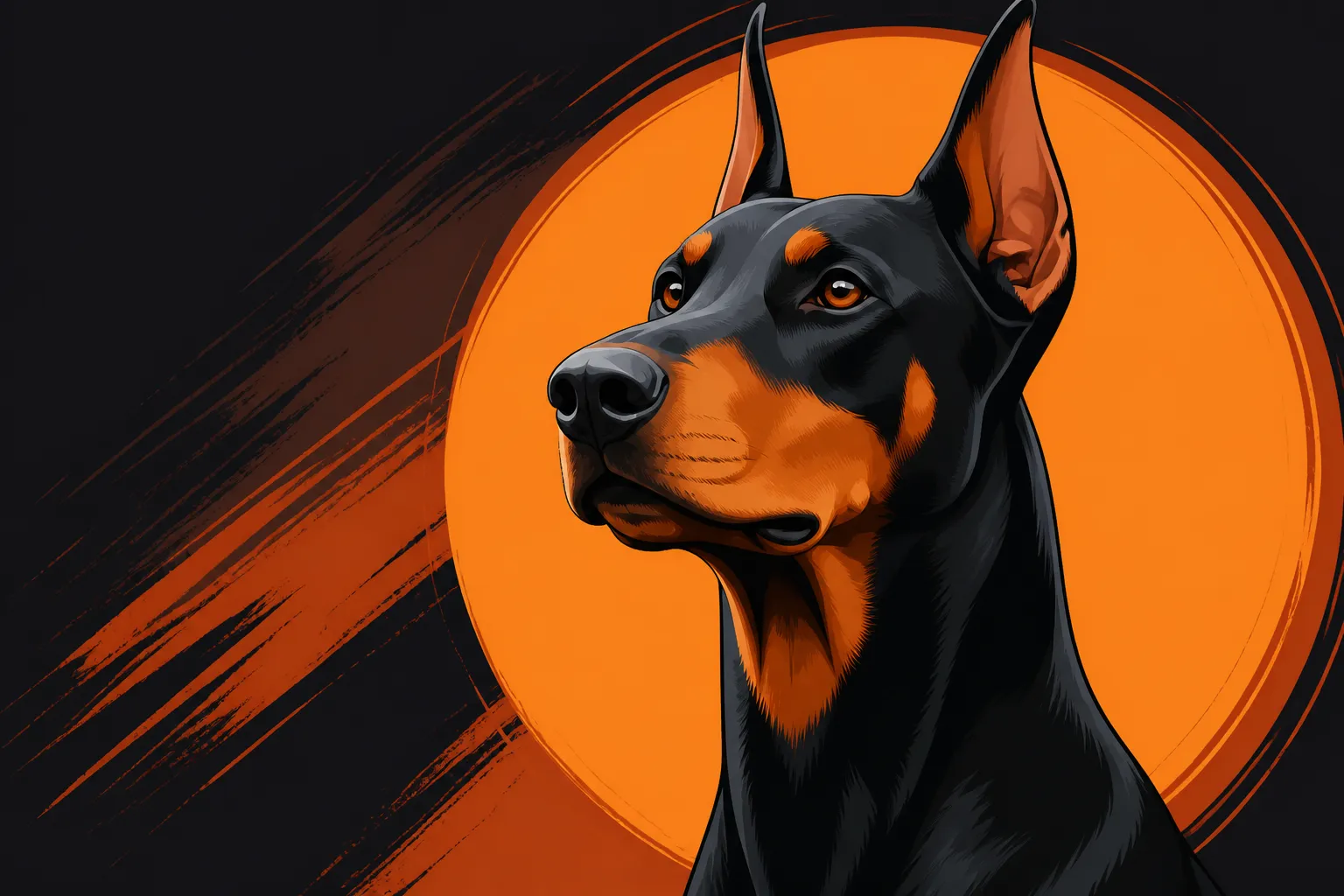
The visual impact of a black and rust Doberman is truly something to behold. The intense, almost patent-leather black of the main coat, often glistening in the sun, forms a striking canvas for the rich, warm rust markings. These markings are not haphazard; they appear in very specific locations – over each eye, on the muzzle, throat, chest, on all four legs and feet, and underneath the tail. It creates a bold, defined pattern that accentuates the Doberman's athletic build and intelligent expression. It’s a color scheme that demands attention, conveying a sense of strength, alertness, and refined power.
From a distance, even without a full view, a Doberman's black and rust coloring often makes it instantly recognizable. Think about the way sunlight catches the highlights on their dark coat or how those rust points on their chest or legs stand out. This distinct patterning isn't just pretty; it's a hallmark that has been ingrained in the public consciousness as the Doberman look. It’s no wonder that this color combination is often the first, and sometimes only, one people recall when asked to describe a Doberman.
The Standard's Preference for a Classic Look
The Doberman breed standard, established by organizations like the American Kennel Club (AKC), clearly outlines the accepted colors, and black with rust markings holds a prominent, if not primary, place. While other colors like red, blue, and fawn are also recognized, black and rust is historically the most prevalent and often seen as the ideal. This preference isn't merely aesthetic; it often harks back to the breed's origins and the desire to maintain a uniform, striking appearance. Judges in the show ring, while assessing all aspects of the dog, often have a deep appreciation for a well-presented black and rust specimen that perfectly embodies the standard.
The breed standard explicitly describes the placement and depth of the rust markings, reinforcing the importance of this classic presentation. A Doberman that deviates significantly from these expectations, either in the shade of rust or its distribution, might be considered less ideal in conformation circles. This emphasis by breed clubs and standards has naturally led breeders to prioritize and perpetuate the black and rust coloration, solidifying its status as the breed's signature look. Understanding The Doberman the AKC Standard Describes helps to truly appreciate these nuances.
A Peek into the Past: Origins of the Black and Rust Doberman
To truly understand the prominence of the black and rust Doberman, we have to journey back to the late 19th century in Apolda, Germany, and the vision of Karl Friedrich Louis Dobermann. He wasn't just breeding dogs for looks; he sought a courageous, intelligent, and protective companion for his work as a tax collector and night watchman. The early days of the breed were less about consistent color and more about consistent temperament and working ability, but the black and rust pattern quickly emerged as a defining characteristic.
Early Breeding Goals and Color Selection
When Karl Dobermann began his ambitious breeding project, he was working with a mix of dogs available in his region, including old German Shepherds, Rottweilers, German Pinschers, and possibly even Greyhounds and Weimaraners. His primary goal was to create a fearless, loyal, and highly intelligent guardian. While there wasn't an immediate focus on establishing a fixed color, it's believed that many of the foundation dogs carried genes for black and tan markings. These were robust, dark-colored dogs, and the sharp contrast of the tan (or rust) points would have naturally stood out, perhaps even enhancing their intimidating appearance.
As the breed developed and became more established, breeders began to refine the Doberman's appearance, moving beyond pure utility. The desire for a recognizable and aesthetically pleasing dog grew, and the black and rust pattern naturally became a favored trait. It’s a color that speaks to strength and nobility, aligning perfectly with the Doberman's intended role. The concerted effort to standardize the breed's look, including its coloration, was a crucial step in its evolution, moving it from a working dog "type" to a recognized and admired breed.
The Role of Foundation Stock
The genetic makeup of the early Doberman's ancestors played a critical role in establishing black and rust as the dominant color. Breeds like the German Pinscher and Rottweiler, both known for their black and tan (or rust) coats, were significant contributors to the Doberman's genetic pool. These foundation breeds passed on the genes responsible for dense black pigmentation and the characteristic tan points. Without these specific ancestral contributions, the Doberman might have developed an entirely different appearance.
As the breed gained popularity and formal clubs were formed, like the Doberman Pinscher Club of America, the black and rust color was codified within the official breed standards. This meant that breeders consciously selected for dogs exhibiting these traits, further solidifying the color's prevalence. It’s a testament to the foresight of those early breeders and the enduring appeal of this classic coloration that it remains so central to the Doberman's identity today. You can learn more about What Went Into the First Dobermans to see how diverse the genetic contributions were.
Understanding the Genetics Behind the Black and Rust Coat
Delving into the genetics of the black and rust Doberman can feel a bit like a science lesson, but it’s fascinating to see how specific genes combine to create this iconic coat. It's not just a single gene at play but a precise interaction of several, each dictating aspects of the pigment and its distribution. Understanding these genetic factors helps explain why some Dobermans are black and rust, while others express red, blue, or fawn coats, or even lack the distinctive rust points entirely.
The Dominant Black Gene
The deep, rich black of a Doberman's coat is primarily controlled by the K locus, specifically the K^B allele, which is dominant. This "dominant black" gene effectively prevents the expression of phaeomelanin (red/yellow pigment) in the dog's coat, allowing only eumelanin (black/brown pigment) to be expressed. So, a Doberman needs at least one copy of this K^B gene to have a black base coat. If a dog inherits two copies of the recessive k^y allele (k^y/k^y), it would express the agouti pattern, which in Dobermans, means they would display a red or fawn base coat instead of black.
However, the K^B gene itself doesn't guarantee the Doberman will be black and rust. It only dictates that the dog can be black. For the rust markings to appear, another gene must be at work. Think of it like this: the K^B gene sets the stage for a black coat, but other genetic players then decide where that black pigment will actually show up and where the tan points will interrupt it. Without the K^B, the Doberman wouldn't have that striking black backdrop to begin with.
The Tan Point Gene and Its Expression
The "rust" or tan points in a Doberman are controlled by the A locus, specifically the a^t allele for tan points. This allele is recessive to the dominant black (A^S) or sable (A^y) alleles, but it is expressed when a dog also carries the K^B allele for dominant black. So, a Doberman that is genetically black (K^B/K^B or K^B/k^y) and also has two copies of the tan point gene (a^t/a^t) will display the classic black and rust pattern. The a^t gene tells the dog's body to produce phaeomelanin (red pigment) in specific areas (the "points") and eumelanin (black pigment) everywhere else.
This is why you don't typically see solid black Dobermans without any markings; the a^t gene is almost universally present in the breed, ensuring those characteristic points appear. The depth and richness of the rust color itself can vary slightly due to other modifying genes, but the presence and placement of the points are dictated by the a^t allele. It's a beautiful example of genetic cooperation, where one gene provides the black canvas, and another paints the signature rust details.
Differentiating from Dilute Colors
It’s crucial to understand that black and rust is distinct from the dilute colors: blue and rust, and fawn and rust. While blue Dobermans also have black pigment, it's "diluted" due to another gene (the D locus, specifically the d/d genotype). This dilution gene causes the black pigment granules to be spaced out or clumped, resulting in a grayish, faded appearance rather than a dense, true black. Similarly, fawn Dobermans are essentially dilute reds, appearing as a light tan or Isabella color. This dilution gene affects all eumelanin (black/brown) pigment, including in the eyes and nose, often making them lighter as well.
Here's a quick comparison:
| Trait | Black and Rust Doberman | Blue and Rust Doberman | Fawn and Rust Doberman |
|---|---|---|---|
| Main Coat Color | Deep, dense black | Steel gray/slate blue | Light tan/Isabella |
| Rust Markings | Rich red/orange-brown | Lighter, faded rust | Even lighter, cream-like |
| Nose/Paw Pad Color | Solid black | Slate gray | Liver/brownish-gray |
| Eye Color | Dark brown (preferred) | Lighter shades of brown | Lighter shades of brown |
| Underlying Gene | K^B + a^t + D/D or D/d | K^B + a^t + d/d | k^y/k^y + a^t + d/d |
A black and rust Doberman will have a truly black nose, dark brown eyes, and black paw pads, reflecting the undiluted eumelanin. Blue and fawn Dobermans, while still having the same pattern of markings, display a softened overall hue due to the d/d dilution gene. If you're considering a Doberman, it's vital to recognize these differences, especially since colors like blue and fawn can be associated with specific health concerns like Color Dilution Alopecia in Blue and Fawn Dobermans.
The Distinctive Markings: What Makes a True Black and Rust
The "rust" in black and rust isn't just any reddish-brown; it's a specific shade and pattern that completes the Doberman's classic look. These markings are not random splashes but follow a defined anatomical map, contributing to the breed's balanced and elegant appearance. The quality and placement of these rust points are often noted in breed evaluations, showcasing the attention to detail within the Doberman world.
Placement and Distribution of Rust Points
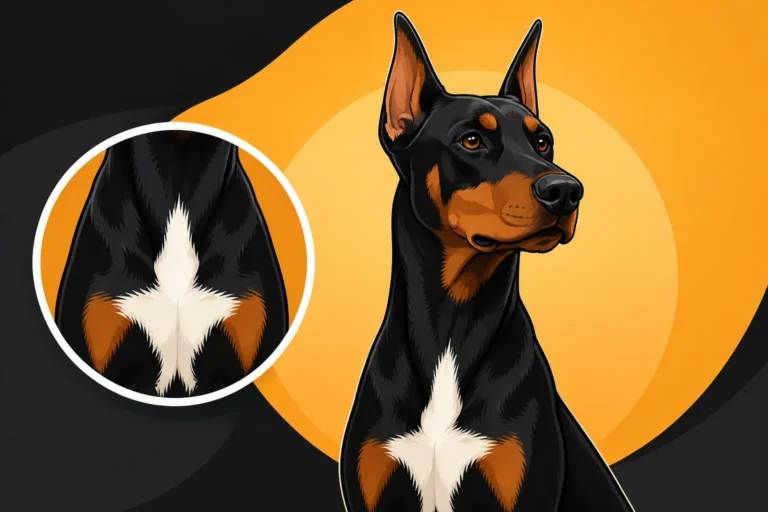
The rust markings on a Doberman are incredibly precise and contribute significantly to its aesthetic appeal. According to the breed standard, these markings should appear sharply defined and well-defined. You'll find them above each eye, giving the Doberman a distinctive "eyebrow" effect, and on the muzzle, forming a band that might extend up the cheeks. The throat will feature a rust patch, along with a clearly visible rust marking on each side of the forechest. These chest markings are particularly striking, often forming a "bow tie" or inverted triangle shape.
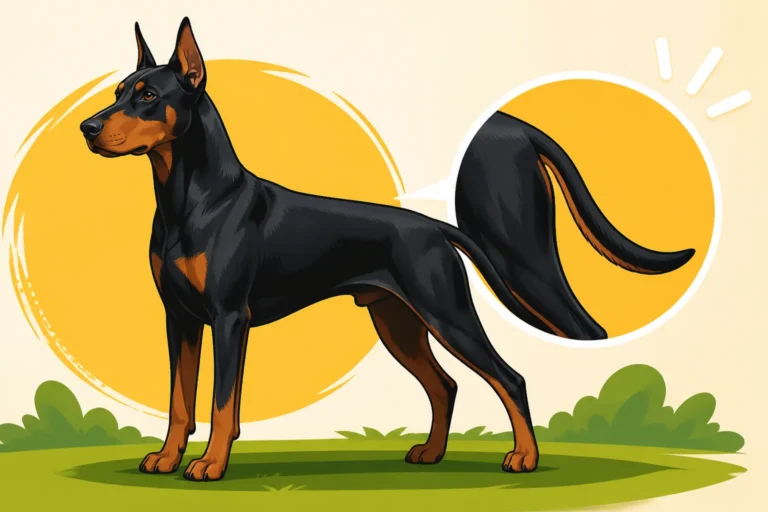
Further down the body, rust points are present on all four legs, appearing on the insides of the legs and extending down to the feet. Individual toes often have distinct rust markings. Lastly, the area beneath the tail should also display rust coloring. These markings are meant to be a rich, clear tan to rust, not faded or smudged, truly standing out against the dense black coat. Understanding Where Rust Markings Belong on a Doberman is key to appreciating the ideal.
Coat Texture and Pigmentation
Beyond just the color, the quality of the Doberman's coat itself plays a role in how the black and rust appears. A true Doberman coat is short, hard, thick, and lies smoothly close to the body. There's no undercoat, which contributes to its sleek, almost velvety feel. This texture allows the black to appear incredibly dense and the rust markings to stand out sharply without being obscured by fluff or longer hairs. A soft, sparse, or dull coat can diminish the vibrancy of even the most perfectly colored black and rust Doberman.
The depth of the black pigmentation is equally important. A Doberman with a truly black coat will have hair follicles producing a rich, undiluted eumelanin pigment, resulting in a dark, lustrous appearance. The rust points should also be deeply pigmented, often described as a rich, clear tan to rust. Faded or yellowish rust points are typically considered less desirable in the show ring. The combination of dense, hard black coat with vividly pigmented rust markings creates that undeniable, classic Doberman elegance we all admire.
Living with a Black and Rust Doberman: Care and Considerations
Owning a Doberman, regardless of color, is a commitment, but the black and rust variety shares many of the same care requirements as its red, blue, or fawn counterparts. However, there are some specific considerations that come with their short, single coat and often striking appearance that are worth highlighting. Responsible ownership ensures not only their physical well-being but also their positive integration into society.
General Coat Care for a Short, Sleek Coat
One of the great joys of owning a Doberman is their relatively low-maintenance coat. The short, sleek, black and rust coat doesn't tangle or mat, and regular brushing helps to keep it looking its best. A soft bristled brush or a grooming mitt works wonders for removing loose hairs and stimulating the skin, enhancing that natural sheen that makes the black appear so rich. You'll likely find that your Doberman sheds a fair bit, even with a short coat, so regular brushing, perhaps a few times a week, can help keep loose hair off your furniture and clothes. Tools designed for short-coated breeds are readily available on sites like Chewy and make grooming a breeze.
Bathing a black and rust Doberman is also straightforward. They don't need frequent baths unless they've rolled in something unspeakable. When you do bathe them, use a good quality dog shampoo and conditioner to maintain their skin and coat health. Because they have a single coat with no insulating undercoat, they can get chilly easily, especially in colder climates. After a bath, make sure they are thoroughly dried, particularly if it's cool outside. Consider a cozy dog robe or towel-drying them vigorously to avoid any post-bath shivers.
Public Perception and Responsible Ownership
While the black and rust Doberman is universally recognized for its striking beauty, its powerful appearance can sometimes lead to misunderstandings from the public. Their imposing stature and intense gaze, combined with the traditional "guard dog" image, can unfortunately lead some people to feel apprehensive. As an owner, it’s a responsibility to ensure your Doberman is well-socialized and well-trained, behaving impeccably in public to help counteract any negative stereotypes. A well-behaved Doberman is the best ambassador for the breed. If you're concerned about your Doberman's reaction to strangers, consider exploring topics like Teaching a Doberman to Accept Visitors.
This means starting socialization early with a Doberman puppy, exposing them to a wide variety of sights, sounds, people, and other well-behaved dogs. Continued positive reinforcement training throughout their lives helps to build a confident, stable temperament. It's also wise to be mindful of how your Doberman is perceived. A black and rust Doberman trotting calmly by your side, ignoring distractions, speaks volumes about the breed's true nature as a loyal and intelligent companion. Stocking up on good training treats from a place like Chewy can be a great way to reward positive behavior in public.
Dressing for the Weather: Keeping a Black and Rust Doberman Comfortable
One significant consideration for black and rust Dobermans, indeed all Dobermans, is their intolerance to cold weather. Their sleek, short coat, while stunning, offers very little insulation. Unlike double-coated breeds, Dobermans lack that dense undercoat to trap warmth, making them susceptible to chilling winds and low temperatures. This is particularly true for a black Doberman, whose dark coat can absorb heat in the sun but offers no additional warmth when the sun isn’t shining. For more information on this, check out Why a Doberman Feels the Cold Before Other Dogs.
When the mercury drops, or if you live in a climate with harsh winters, a well-fitting coat or sweater is not just a fashion statement; it's a necessity. Look for warm, insulated options, perhaps even waterproof ones if you'll be out in snow or rain. These are widely available, including through online retailers like Chewy. Inside the home, ensure your Doberman has warm, comfortable bedding, away from drafts. Many Doberman owners opt for elevated beds or thick, orthopedic mattresses to keep their bony, thin-skinned dogs off cold floors. Even in moderate temperatures, if your Doberman is prone to shivering or seeking warmth, a light jacket might be appreciated.
The Cultural Significance and Beauty of Black and Rust
The black and rust Doberman isn't just a dog; it's a symbol. It embodies the powerful, elegant, and often misunderstood spirit of the breed. This specific color combination has played a massive role in shaping public perception and the artistic representation of Dobermans throughout history. It’s a testament to the enduring appeal of the classic look that it remains the most commonly associated and admired color within the breed.
Dobermans in Media and Art
From Hollywood movies to classical paintings and promotional materials, the black and rust Doberman has been the star. This iconic coloration is frequently chosen for its dramatic effect, symbolizing strength, intelligence, and sometimes, a formidable presence. Think of any film featuring a Doberman as a guard dog or a loyal companion, and chances are it’s a black and rust one. This consistent portrayal has solidified its image as the definitive Doberman in the collective consciousness. Artists are drawn to the sharp contrast and defined lines the color provides, making for striking compositions.
This pervasive image in media has both positive and negative consequences. On one hand, it celebrates the breed's distinctive beauty and regal bearing. On the other, it can inadvertently perpetuate stereotypes about their temperament, sometimes fueling the fear that Dobermans are inherently aggressive. As mentioned earlier, responsible ownership and showcasing the breed's true, balanced temperament are crucial to balancing these perceptions.
The Enduring Popularity Among Enthusiasts
Despite the recognition of other Doberman colors, the black and rust remains incredibly popular among breed enthusiasts, exhibitors, and ethical breeders. Many breeders specifically strive to produce puppies that exhibit ideal black coats and rich rust markings, adhering closely to the breed standard. This isn't to say other colors aren't beautiful or equally deserving, but there’s a timeless quality to the black and rust that continues to captivate. It represents the historical integrity and foundational vision of Karl Dobermann himself.
For many, owning a black and rust Doberman is like holding a piece of living history, a direct connection to the breed's origins and its most celebrated form. It’s a classic choice that continues to define the Doberman Pinscher in the hearts and minds of those who love them. When researching responsible breeders, you'll often find extensive discussions about maintaining the quality of this classic coloration, alongside critical health testing, a point well covered in The Health Testing a Doberman Breeder Must Show.
Disclaimer
This article is for general informational purposes only and does not constitute professional advice. Laws, prices and regulations vary by location and change over time. Consult a qualified professional for guidance on your specific situation.