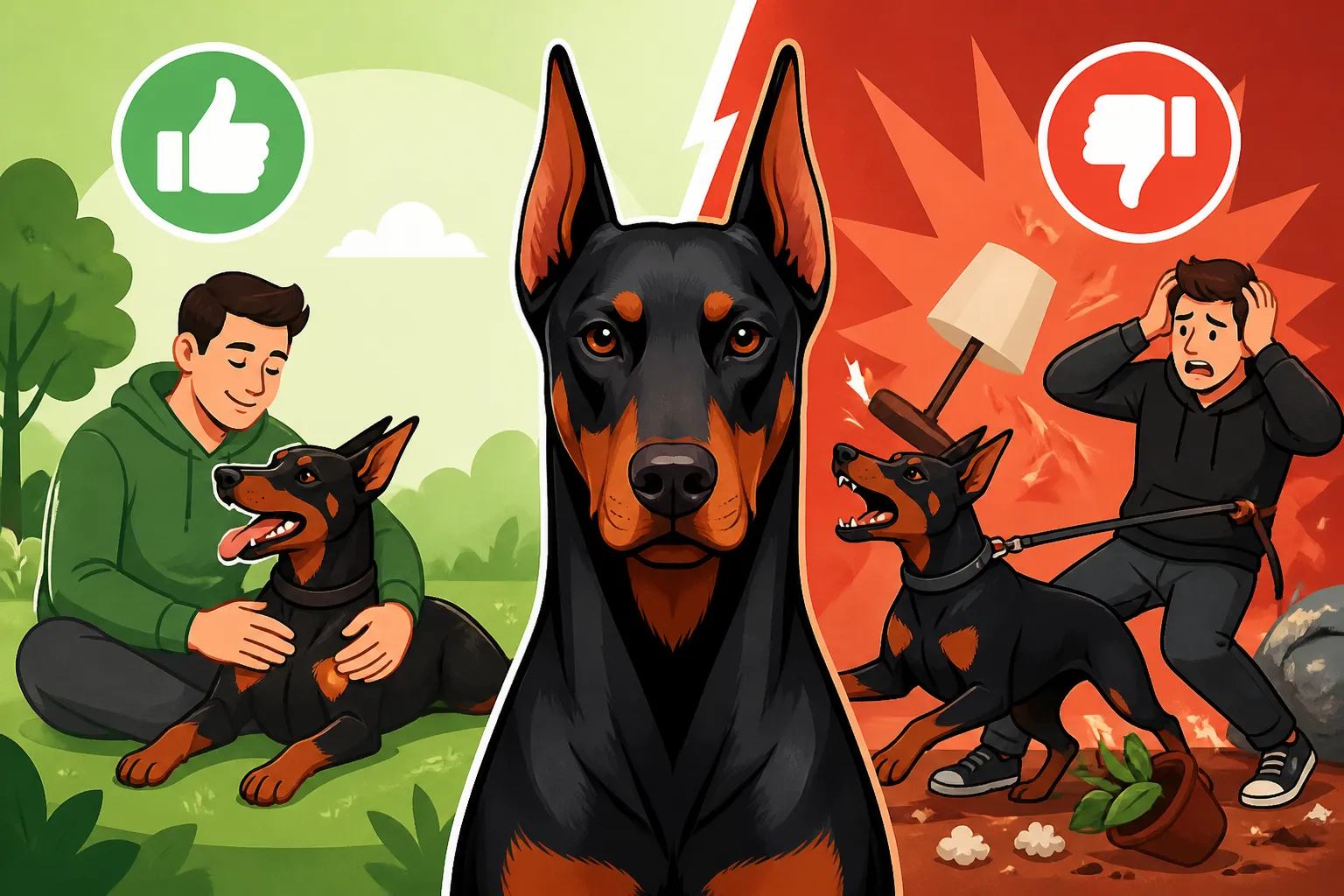
Whether a European Doberman Is Harder to Live With
Many prospective Doberman owners find themselves caught in the online debate about "European Dobermans" versus "American Dobermans," often hearing tales that European lines are inherently more challenging, more intense, or simply "harder" to live with. This can feel overwhelming, especially if you’re trying to understand what those perceived differences actually mean for your daily life with a Doberman. This guide aims to cut through the jargon and shed some light on the reality of living with a European-line Doberman, exploring their common traits and what kind of commitment they truly require from an owner.
Unpacking the "European Doberman" Label
When people talk about a "European Doberman," it's easy to picture a monolithic type, a single, distinct category that stands in stark contrast to its American counterpart. In reality, the term "European Doberman" is a broad umbrella encompassing Dobermans from various European countries, each with their own national breed clubs, breeding philosophies, and even subtle variations in their respective breed standards. It's not one unified "type" but rather a collection of Doberman lines that have generally retained a strong emphasis on working ability, temperament, and a more robust physical build compared to many American lines.
Historically, Dobermans in Europe, particularly in Germany where the breed originated, were selected for their utility as working dogs – intelligent, courageous, and capable of performing demanding tasks like protection work or police duties. This historical context continues to heavily influence European breeding programs today. While American lines have largely shifted towards conformation showing and companion animal traits, often prioritizing a sleeker appearance and a softer, more amenable temperament for family life, many European breeders still prioritize maintaining the breed's original working drive and protective instincts. This isn't to say all European Dobermans are identical, or that all American Dobermans lack drive; there's a spectrum within both, but the general trends lean in these directions. You can learn more about these overarching differences in American Against European Dobermans.
The perception of them being "harder" often stems from this emphasis on working traits. Owners accustomed to more docile breeds, or even to the generally mellower temperament of many modern American Dobermans, might find the higher energy levels, pronounced guarding instincts, and intense intelligence of a European Doberman to be a significant adjustment. It’s less about a dog being inherently "difficult" and more about the mismatch between an owner’s expectations or lifestyle and the dog’s intrinsic needs and capabilities. Understanding this fundamental difference is the first step in deciding if a European Doberman is the right fit for your home and heart.
Decoding Temperament and Drive Differences
The core of the discussion around European Dobermans often boils down to their perceived temperament and higher drive. These aren't just abstract concepts; they translate into tangible behaviors and needs that directly impact daily life.
Higher Energy and Physical Needs
One of the most immediate differences you'll notice in many European Doberman lines is their elevated energy level. These are dogs bred for work, which means they come with an innate desire and capacity for sustained physical activity. This isn't just about a couple of casual walks around the block each day; it's about needing vigorous exercise that truly expends their physical and mental reserves. Think long, brisk runs, engaging games of fetch, or structured training sessions that involve a lot of movement. A European Doberman that doesn't get enough appropriate exercise can become restless, destructive, or even anxious, manifesting in behaviors like incessant barking, chewing up furniture, or pacing.
Imagine a Doberman from a strong European working line: you might spend an hour in the morning jogging or hiking, followed by some obedience drills. In the afternoon, they might need another long session, perhaps playing fetch in a large, fenced yard, or working on scent detection. On rainy days, when outdoor exercise is limited, you'll need to double down on indoor mental stimulation. This level of physical output is a serious commitment, and it's something that often catches new owners off guard, especially if they're used to dogs that are content with less. Without this outlet, that magnificent energy can quickly turn into frustration for both dog and owner.
Enhanced Mental Acuity and Training Requirements
Beyond physical energy, European Dobermans typically possess a keen intelligence and a high degree of mental drive. They are problem-solvers by nature and thrive on having a "job" to do, whether it's learning complex obedience routines, excelling in dog sports, or simply engaging in challenging puzzle toys. This intelligence, while a fantastic asset, can also be a double-edged sword. A smart Doberman that isn't mentally challenged can become bored, and a bored Doberman is often a creative Doberman – finding its own "jobs" to do, which might include redecorating your living room or opening cupboards.
Training a European Doberman isn't just about teaching basic commands; it's an ongoing dialogue and a lifestyle. They respond exceptionally well to consistent, fair, and engaging training methods. Positive reinforcement, clear communication, and varied sessions keep them motivated and prevent them from becoming complacent or disengaged. If you’re looking for a dog that will enthusiastically participate in advanced obedience, agility, or protection sports, a European Doberman could be an incredible partner. However, if you prefer a dog that's happy with minimal training input after puppyhood, you might find their constant need for mental engagement to be demanding. They are often described as being Smarter Than You Expect, which comes with its own set of training challenges and rewards.
Stronger Guarding and Protective Instincts
The Doberman was originally bred as a personal protection dog, and these guarding instincts are often more pronounced in European lines that have maintained a focus on their working heritage. This means they are naturally more watchful, more suspicious of strangers, and quicker to alert or protect their family and property. While this can be a highly desirable trait for some owners seeking a dedicated guardian, it also requires significant socialization and responsible management to ensure these instincts are channeled appropriately.
Early and ongoing socialization is absolutely critical for a European Doberman. They need to be exposed to a wide variety of people, places, sounds, and other dogs in a positive and controlled manner from a very young age. This helps them learn what is normal and safe, preventing them from developing excessive wariness or aggression towards perceived threats. Without proper socialization, their natural protective instincts can become overreactive, leading to fear-based aggression or an inability to relax in public settings. It's a huge responsibility to ensure that a dog with such powerful guarding capabilities grows up to be a confident, well-adjusted member of society rather than a liability. Learning How a Doberman Behaves When You Come Home or Teaching a Doberman to Accept Visitors are vital aspects of ownership.
Living with a European Doberman: What to Expect in Daily Life
Bringing a European Doberman into your home isn't just about admiring their impressive physique; it's about integrating a highly intelligent, energetic, and protective animal into your daily routine. This requires forethought, consistency, and a deep understanding of their needs.
Exercise Routines That Go Beyond a Walk
As we've discussed, these Dobermans aren't typically content with a short stroll. Expect to dedicate a significant portion of your day to physical activity. This might mean starting your morning with a 45-minute jog or intense fetch session, followed by another substantial outing in the evening. Many owners find that incorporating activities like running alongside a bicycle, exploring hiking trails, or engaging in flirt pole games is necessary to truly tire out their Doberman. These dogs can be fantastic partners for active individuals or families who enjoy outdoor adventures.
Consider the practicalities: Do you have access to safe, open spaces where your Doberman can run freely (responsibly, of course)? Do you live in a climate where you can consistently provide outdoor exercise? For urban dwellers, this might mean frequent trips to dog parks or open fields outside the city. For those in colder climates, investing in quality winter gear, like warm coats from a reliable retailer like Chewy, will be essential to ensure your Doberman stays comfortable during outdoor activity, as their short coats offer little insulation. Without adequate physical outlet, that impressive energy can become destructive indoors, leading to chewed furniture, scratched doors, and an overall restless demeanor.
Mental Stimulation as a Daily Necessity
Physical exercise is only half the battle; mental stimulation is equally, if not more, important for a European Doberman. Their keen minds need to be engaged regularly to prevent boredom and destructive behaviors. This means going beyond basic commands and incorporating puzzle toys, scent work, trick training, or even advanced obedience drills into your daily routine. Rotate their toys frequently to keep things fresh, and invest in durable, stimulating options that challenge their intellect.
For example, a solid 15-20 minute session of structured obedience training where they're learning new commands or refining old ones can be as tiring as a long walk. Snuffle mats, treat-dispensing toys, or hide-and-seek games where they have to find hidden treats or toys can be excellent ways to engage their brains. Many European Dobermans thrive in dog sports like Schutzhund, IPO, or IGP (which you can read about in The Working Sports a Doberman Was Built For), competitive obedience, or even dock diving, as these activities provide both physical and mental challenges. Enrolling in advanced training classes or working with a professional trainer who understands high-drive breeds can be invaluable. This continuous mental engagement isn't just a recommendation; it's a requirement for a happy, well-adjusted European Doberman.
Socialization and Management of Protective Instincts
Living with a Doberman whose protective instincts are more pronounced demands a proactive approach to socialization and ongoing management. It's not enough to introduce them to a few people as puppies; socialization is a lifelong process. Expose them to diverse environments, sounds, and situations in a positive and controlled manner. This helps them build confidence and discernment, learning when to be watchful and when to simply relax.
Management strategies are also key. When guests visit, perhaps your Doberman goes to a "place" command on their mat in another room, or they are introduced calmly on-leash initially. When out in public, keep them on a secure leash, and be mindful of their reactions to strangers or other dogs. A good quality harness and leash, easily found on Chewy, can help you maintain control. These dogs are often keenly observant, picking up on your emotions and intentions, so a calm and confident handler is essential. It's about setting them up for success and teaching them appropriate responses to the world around them, rather than suppressing their natural drives. Remember, a Doberman's protective nature, when responsibly managed, can be a wonderful asset, but left unchecked, it can become problematic.
| Aspect | American Doberman (General Trend) | European Doberman (General Trend) | Implications for Daily Life |
|---|---|---|---|
| Energy Level | Moderate to High | High to Very High | European lines often require more intense and prolonged physical exercise daily to prevent restlessness and destructive behavior. Less downtime. |
| Mental Drive | High | Very High | Constant need for mental engagement, training, and problem-solving activities. Can become bored and destructive without sufficient mental stimulation. |
| Guarding Instincts | Present, Varies | More Pronounced | Requires extensive early and ongoing socialization to channel protective instincts appropriately. May be more wary of strangers and external stimuli. |
| Physical Build | Often leaner, more refined | More robust, substantial | Can tolerate more rigorous physical activity. May require more durable equipment and potentially larger living spaces to accommodate their size and activity. |
| Training Approach | Responds well to positive methods | Thrives on consistent, engaging work | Needs an owner dedicated to consistent, structured training, possibly involving advanced obedience or dog sports to meet their drive. Not suitable for casual training. |
| Suitability for Novice Owners | Potentially with good support | Challenging; best for experienced owners | Their intensity can be overwhelming for first-time dog owners or those new to strong-willed, high-drive breeds. Requires significant commitment and knowledge. |
Health Considerations Unique to European Lines
While many health issues like Dilated Cardiomyopathy (DCM) are prevalent across the Doberman breed regardless of lineage, some European lines may have different predispositions or lines of focus in health testing. It's crucial to understand the specific health testing that a breeder of European Dobermans should be doing. For instance, some European countries may have specific screening protocols or different emphasis on certain genetic tests.
Always inquire about health clearances for both parents, including cardiac screenings like echocardiograms and Holter monitoring, as well as genetic tests for DCM1 and DCM2 if available in the specific lines. Reputable breeders will be transparent about their dogs' health histories and test results. Don't shy away from asking detailed questions about the prevalence of common Doberman ailments like Von Willebrand's Disease or Wobbler Syndrome within their specific lines. A proactive approach to health is part of responsible Doberman ownership, regardless of origin, and you can delve into required breeder testing in The Health Testing a Doberman Breeder Must Show.
Is a European Doberman the Right Fit For You?
Deciding whether a European Doberman is "harder" to live with isn't about whether they are difficult, but whether you are prepared for what they demand. It's a question of compatibility between the dog's inherent nature and your lifestyle, experience, and commitment level.
Assessing Your Lifestyle and Time Commitment
The biggest factor in successfully living with a European Doberman is your ability to meet their profound needs for exercise, mental stimulation, and consistent training. If your idea of a perfect evening involves quiet relaxation after a long workday, and your weekend consists of leisurely activities, a European Doberman might not be the best companion. These dogs thrive with owners who have an active lifestyle, enjoy training, and are genuinely dedicated to integrating their dog into many aspects of their lives.
Consider how much time you genuinely have each day. Are you prepared to spend 1-2 hours or more on rigorous physical exercise, plus additional time on mental games and training sessions? Do you have the financial resources to potentially enroll in regular training classes or dog sports? Do you enjoy activities like hiking, running, or exploring new places that your Doberman can participate in? If you travel frequently, finding care for a high-drive Doberman can also be more challenging, as not all boarders or pet sitters are equipped to handle their specific needs. It's a significant time investment, almost like having a furry, athletic, and incredibly smart full-time job.
Experience with High-Drive Breeds
While there's certainly an argument to be made that any Doberman isn't a "beginner dog," a European Doberman often pushes that boundary even further. Their intensity, intelligence, and strong guarding instincts can be overwhelming for first-time dog owners or those who lack experience with high-drive, powerful breeds. Owners new to the breed might struggle with their strong will, their seemingly endless energy, or how to properly channel their protective nature.
Experience helps you anticipate behaviors, understand their body language, and implement effective training strategies from day one. An experienced owner is more likely to establish themselves as a calm, consistent leader, which is crucial for a breed that thrives on clear boundaries and structure. This isn't to say a novice cannot own a European Doberman, but it means they must be exceptionally dedicated to learning, seeking professional guidance early and often, and committing to intensive training from puppyhood. For a general understanding of what kind of owner a Doberman needs, refer to The Owner a Doberman Actually Needs.
Commitment to Ongoing Training and Socialization
Owning a European Doberman is a lifelong commitment to training and socialization. This isn't a "train them once and you're done" kind of dog. Their intelligence means they learn quickly, but their drive means they need consistent reinforcement and new challenges to stay engaged. Obedience refreshers, learning new tricks, or engaging in advanced sports should be part of their routine for their entire lives.
Similarly, socialization doesn't end when they're a puppy. While the critical window is early, ongoing positive exposure to different people, places, and controlled interactions with other well-behaved dogs helps maintain their balanced temperament. This proactive approach prevents them from becoming overly wary or reactive as they mature. The commitment here is not just to the dog, but to being a responsible ambassador for the breed in your community, demonstrating that a powerful, protective dog can also be a well-mannered and respected companion. This also means being prepared to manage their natural instincts when out in public, using good quality equipment that you can trust, like a sturdy leash and collar from Chewy, ensuring control and safety for everyone.
In conclusion, "harder to live with" isn't a condemnation of European Dobermans; it's a statement about their inherent traits and the demands they place on an owner. They are incredible dogs for the right person – an active, experienced owner willing to invest the time, energy, and resources into fulfilling their profound physical and mental needs. If you are seeking a highly intelligent, intensely loyal, and athletic partner for life, and you are prepared for the commitment, a European Doberman can be an incredibly rewarding companion.
Disclaimer
This article is for general informational purposes only and does not constitute professional advice. Laws, prices and regulations vary by location and change over time. Consult a qualified professional for guidance on your specific situation.