Why the AKC Took the Doberman In 1908
It’s a common frustration for many Doberman enthusiasts today: trying to navigate the often complex world of breed standards, historical registries, and understanding just why certain breeds rose to prominence in the first place. When you look at the Doberman, a dog so distinct and powerful, it's natural to wonder about its journey to official recognition. This guide will take you back in time to explore the unique circumstances and the undeniable qualities that led the American Kennel Club (AKC) to officially recognize the Doberman Pinscher in 1908, shedding light on the early days of this magnificent breed in the United States.
The Burgeoning World of Purebred Dogs in Early 20th Century America
At the turn of the 20th century, the United States was experiencing a significant cultural shift. The concept of "purebred" animals, particularly dogs, was gaining immense popularity, moving beyond just the practical working dog to an appreciation for specific characteristics, lineage, and the prestige associated with owning a dog of documented heritage. This era set the stage for breeds like the Doberman to find their place.
A Growing Fascination with Purebreds and Pedigrees
Before the early 1900s, many dogs were simply known by their type – a hound, a terrier, a guard dog – without the rigid adherence to specific breed standards we see today. However, as the Victorian era gave way to the Edwardian period, there was a growing fascination with aesthetics, gentility, and the careful cultivation of specific traits in animals. Dog shows began to flourish, becoming social events where families showcased their meticulously bred companions. Owning a purebred dog wasn't just about utility anymore; it was a status symbol, a hobby, and a passionate pursuit for many. People wanted dogs with predictable temperaments and appearances, and a verifiable pedigree became the golden ticket.
This increasing demand for consistency and documented ancestry naturally led to a greater need for formal registration. People wanted to know their dogs were "the real deal" and that they could trace their dog's family tree. This sentiment drove the expansion of kennel clubs and registries, which served as the official record-keepers for these emerging and established breeds. Without such a system, the careful breeding programs and the pride in specific bloodlines wouldn't have had the necessary framework to grow.
The Integral Role of the American Kennel Club
The American Kennel Club, established in 1884, was at the forefront of this movement in the United States. Its mission was to promote the study, breeding, exhibiting, running, and maintenance of purebred dogs. Essentially, they were the arbiters of what constituted a "breed" in America. For a dog type to be formally recognized by the AKC, it typically needed to demonstrate a stable population, a consistent breed type (meaning dogs of that breed looked and behaved predictably), and a dedicated group of enthusiasts actively working to maintain and promote it.
The AKC provided the structure that organized dog sports, established breed standards (the detailed descriptions of ideal physical traits and temperament for each breed), and maintained studbooks. This infrastructure was crucial for breeders who wanted to legitimize their efforts and for owners who sought the assurance of a genuine purebred. Recognition by the AKC wasn't just a formality; it was a powerful endorsement that validated a breed's existence and future in American dog culture. It opened doors for Dobermans to compete in shows, contributing to their visibility and solidifying their status.
The Doberman's Grand Entrance: Appeal and Arrival in the United States
The Doberman Pinscher, a relatively new breed even in its native Germany, possessed a unique combination of traits that quickly captured the attention of dog enthusiasts across the Atlantic. Its impressive appearance and undeniable utility made it an exciting prospect for American dog lovers.
Early Imports and the German Influence
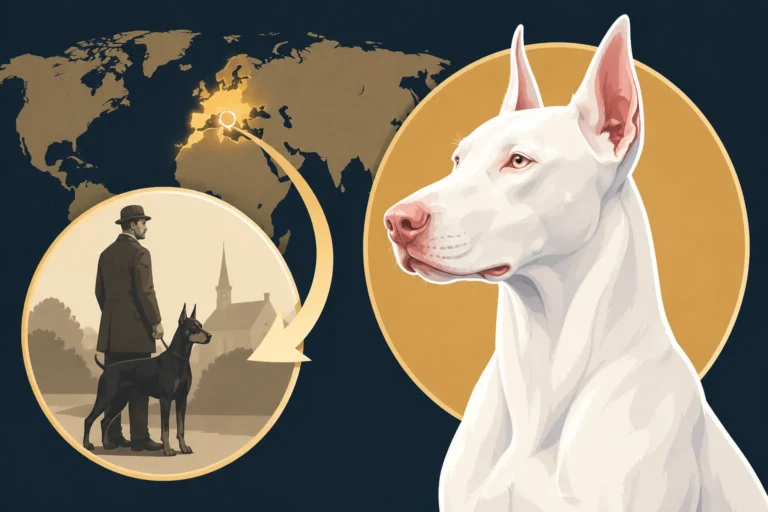
The Doberman Pinscher originated in Germany in the late 19th century, largely credited to Karl Friedrich Louis Dobermann, a tax collector who sought a fearless companion for protection. By the early 1900s, these impressive dogs began making their way to American shores. The first Dobermans to arrive were often imported by wealthy individuals, military personnel, or those involved in the burgeoning dog fancy who recognized the breed's potential. These early imports typically came with strong European pedigrees, showcasing the careful breeding efforts already underway in Germany.
The German influence was significant. European breeders, particularly those in Germany, had already established initial breed standards and dedicated breeding programs. This meant that the Dobermans arriving in the U.S. were not random crosses but animals with a clear and consistent type, which was exactly what the AKC looked for. The Doberman’s reputation as a formidable guardian and an intelligent, trainable dog preceded it, sparking curiosity and desire among American dog owners looking for something more than just a pet. You can learn more about The Tax Collector Who Invented the Doberman and What Went Into the First Dobermans to understand this foundation.
A Dog Built for Purpose: Protection and Intelligence
What truly set the Doberman apart and made it so appealing for formal recognition was its compelling blend of purpose, intelligence, and imposing presence. This was a dog bred to be a personal protector, a role it excelled at with remarkable prowess. Their sleek, muscular build, alert expression, and natural inclination to guard made them highly desirable for those seeking a dog that offered both companionship and security.
Beyond their physical attributes, Dobermans quickly demonstrated exceptional intelligence and trainability. They were eager to learn and capable of mastering complex commands, which made them suitable for a variety of roles, including police and military work, even in these early stages. This combination of protective instinct, mental acuity, and a striking appearance meant the Doberman wasn't just another pretty face; it was a highly functional and adaptable breed. This inherent intelligence and willingness to work would have been a significant factor in their quick acceptance, as it aligned with the practical values often sought in dogs at the time.
Meeting the AKC's Strict Standards: What Made the Doberman Fit
For a breed to gain official recognition from the AKC, it wasn't enough to simply be popular or visually appealing. There were specific criteria that needed to be met, demonstrating the breed's stability, consistency, and the commitment of its proponents. The Doberman Pinscher successfully ticked all these boxes.
Establishing a Recognizable and Consistent Breed Type
One of the primary requirements for AKC recognition was the establishment of a consistent breed type. This meant that Dobermans, whether imported or bred in the US, needed to look and behave in a predictable manner, adhering to a common standard. Early American breeders and enthusiasts worked diligently to ensure their Dobermans conformed to the emerging German standard, which described everything from coat color and ear set to body proportions and gait.
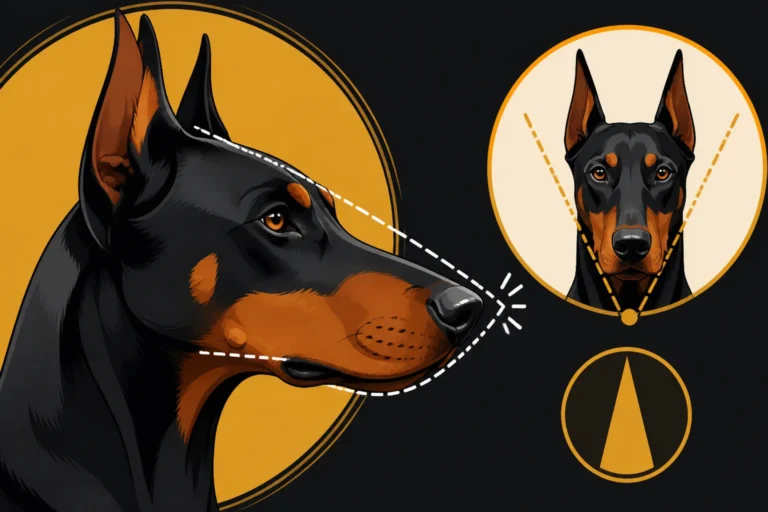
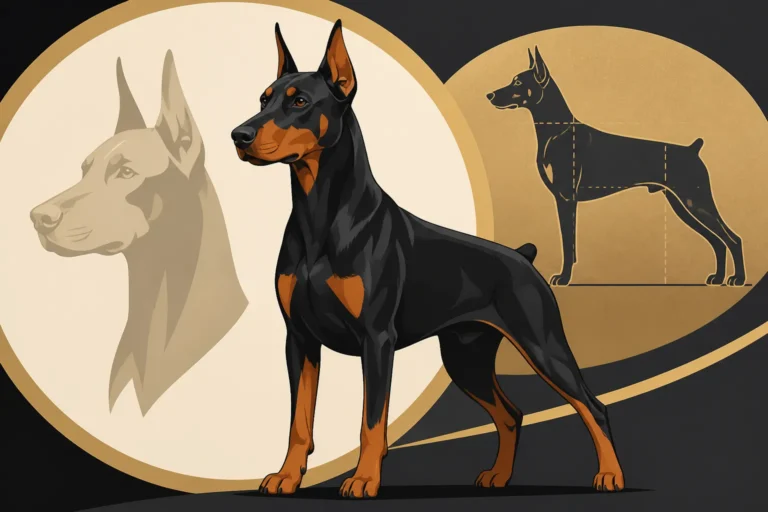
This consistency was vital for the AKC. It allowed judges to evaluate dogs fairly in the show ring and assured prospective owners that they knew what to expect from a Doberman puppy. The breed's distinctive silhouette—a deep chest, tucked abdomen, and powerful, athletic build—along with its typically black and rust or red and rust markings, made it easily identifiable. The Doberman the AKC Standard Describes would have been closely adhered to by these early fanciers. This clear definition of type demonstrated that the Doberman was a true breed, not just a collection of similar-looking dogs.
Early Health and Temperament Considerations
While health testing as we know it today was still in its infancy in the early 1900s, breeders were nonetheless concerned with the vigor and soundness of their lines. Strong, healthy dogs were essential for any breed hoping to establish itself. The Doberman, being bred for demanding work, naturally possessed a robust constitution in its foundational lines.
Temperament was also a critical factor. The AKC sought breeds with stable, predictable temperaments suitable for integration into society, even if their primary role was guarding. While the Doberman was known for its protective nature, a well-bred Doberman was (and still is) expected to be confident, alert, and trainable, not inherently aggressive or fearful. Breeders focused on producing dogs that were steadfast guardians but also loyal, intelligent companions within their families. This nuanced understanding of Doberman Temperament as the Standard Describes It helped them present the breed as a valuable addition to American homes, not just a menacing guard dog.
The Role of Organized Breed Enthusiasts
No breed gains AKC recognition without a dedicated group of advocates pushing for it. For the Doberman, this came in the form of early breed clubs and passionate individual fanciers. These pioneers were instrumental in importing dogs, promoting the breed through exhibitions, and educating the public about the Doberman's qualities. They maintained breeding records, organized informal competitions, and collaborated to establish the breed firmly in the American consciousness.
The formation of a national breed club, or the clear intent to form one, was often a prerequisite for AKC recognition. These clubs served as the official voice for the breed, defining its purpose and safeguarding its future. Their collective efforts in demonstrating the Doberman's consistency, quality, and growing popularity were crucial in presenting a compelling case to the AKC for formal acceptance.
The Significant Impact of Official Recognition
When the American Kennel Club officially recognized the Doberman Pinscher in 1908, it wasn't just a bureaucratic formality; it was a pivotal moment that profoundly shaped the breed's future in the United States and beyond.
A Surge in Popularity and Breeding Programs
AKC recognition brought an immediate surge in visibility and desirability for the Doberman. Suddenly, the breed had official legitimacy, making it more attractive to potential owners and breeders alike. This stamp of approval meant Dobermans could compete in prestigious dog shows, gaining exposure to a wider audience and solidifying their place among established breeds. The notoriety of winning ribbons and championships further fueled interest, leading to more extensive breeding programs across the country.
This increased demand, however, also brought challenges. While many dedicated breeders worked to maintain the quality and temperament of the Doberman, rapid popularity can sometimes lead to less scrupulous breeding practices. Nevertheless, the initial recognition provided a robust foundation for the breed's growth. Owners, now with an officially recognized breed, sought out specialized care and products. Even back then, people would be looking for the best food, training tools, and grooming supplies for their Dobermans, much like today's owners rely on retailers like Chewy for a wide selection of Doberman-specific items.
Shaping the American Doberman Pinscher
The official recognition by the AKC also played a significant role in shaping what would become known as the "American Doberman Pinscher." While early imports adhered to German standards, over time, American breeders began to develop their own interpretations and preferences within the framework of the AKC standard. This led to subtle differences in type, often emphasizing elegance and refinement in the show ring, which gradually distinguished the American lines from their European counterparts. You can delve deeper into American Against European Dobermans to see how these distinctions developed.
The AKC's influence also helped to formalize the practice of health and temperament evaluation, even if the methods were rudimentary by modern standards. Breeders who registered their dogs with the AKC were implicitly agreeing to uphold certain standards of care and breeding ethics. This early structure laid the groundwork for future advancements in breed health and genetic testing, ensuring that the Doberman, as an officially recognized breed, would continue to be a source of pride and companionship for generations of owners. Understanding The Doberman Years When Everything Shows Up might help owners plan for typical Doberman health concerns.
Doberman's Enduring Legacy
The decision by the AKC to recognize the Doberman Pinscher in 1908 was a testament to the breed's undeniable qualities: its striking appearance, formidable protective instincts, keen intelligence, and the dedication of its early proponents. This recognition propelled the Doberman into the American mainstream, setting it on a path to become one of the most beloved and respected working breeds in the country. From guarding homes to serving in wartime, the Doberman's journey from its German origins to its official place in American dogdom is a fascinating story of purpose, passion, and enduring appeal. Modern owners continue to cherish these traits, often seeking out specific gear or foods online through platforms like Chewy to ensure their Doberman thrives.
Today, the Doberman remains a powerful and elegant presence, a loyal companion, and a vigilant protector. The foundations laid in those early years, with the support of organizations like the AKC and the tireless efforts of devoted breeders, ensured that the Doberman Pinscher would secure its rightful place in canine history. If you're considering welcoming one of these incredible dogs into your life, remember that The Owner a Doberman Actually Needs is someone who appreciates their history, understands their needs, and is committed to their well-being.
Doberman Recognition Timeline: From Creation to American Acceptance
Here’s a brief overview of key moments in the Doberman's early history and path to recognition:
| Event | Approximate Year(s) | Significance |
|---|---|---|
| Karl Dobermann develops the breed | 1870s – 1890s | Initial creation of the Doberman Pinscher in Apolda, Germany. |
| First Doberman club formed in Germany | 1899 | Official breed standard begins to be established and formalized in its homeland. |
| First Dobermans arrive in the United States | Early 1900s | Introduction of the breed to American fanciers and potential owners. |
| American Kennel Club (AKC) Recognition | 1908 | Formal acceptance of the Doberman Pinscher as a distinct breed in the U.S. |
| The Doberman Pinscher Club of America (DPCA) | 1921 | Formation of the official parent club in the U.S. to oversee the breed. |
This timeline illustrates a relatively swift journey for a breed to go from its inception to gaining recognition in a foreign country, highlighting the Doberman's immediate impact and appeal.
Disclaimer
This article is for general informational purposes only and does not constitute professional advice. Laws, prices and regulations vary by location and change over time. Consult a qualified professional for guidance on your specific situation.