Whether an American Doberman Is Softer
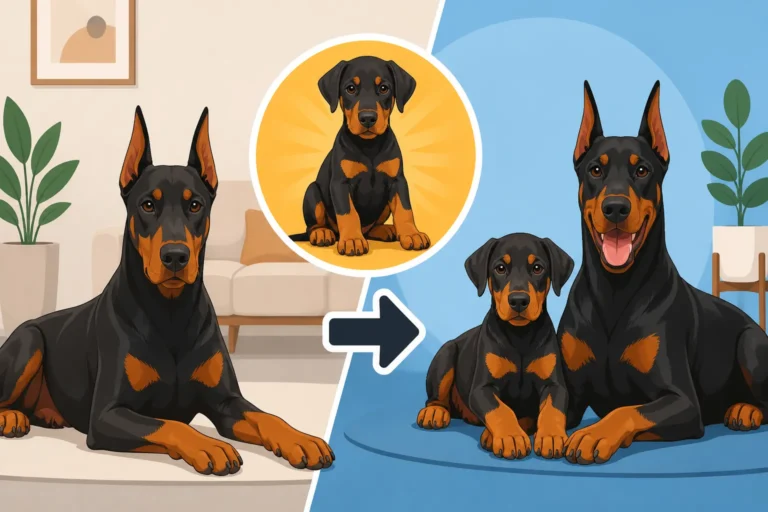
It's a question I hear so often from prospective Doberman owners, and honestly, it’s one that carries a lot of weight and sometimes, a little bit of anxiety: "Is an American Doberman really 'softer' than a European Doberman?" This isn't just a casual query; it touches on deep-seated concerns about temperament, trainability, and whether you’re truly ready for the dog you’re bringing into your home. This guide will peel back the layers of this common perception, exploring the history, characteristics, and practical realities of living with an American Doberman, so you can make an informed decision and understand what to truly expect.
Understanding the Divergence: American vs. European Dobermans
The Doberman Pinscher, as a breed, originated in Germany, but over the decades, different breeding philosophies and cultural preferences in various regions led to distinct types. When people talk about "American" versus "European" Dobermans, they're often referring to these divergent lines that have developed different characteristics. It's not just a matter of geography; it's a reflection of distinct breeding goals.
Historical Breeding Goals and Standards
In Europe, particularly in Germany and Eastern European countries, the Doberman's heritage as a working dog was largely preserved. Breed standards there often emphasized working ability, physical robustness, and a certain level of intensity that made them suitable for protection work, police roles, and military service. Dogs were, and often still are, required to pass working aptitude tests before being bred. This meant that traits like strong nerves, high prey drive, and a formidable presence were actively selected for. The focus remained on a dog that could perform demanding tasks and possess the mental fortitude to back it up.
On the other hand, the American Doberman, while still a magnificent and capable guardian, evolved with a slightly different emphasis, particularly within show lines. The American Kennel Club (AKC) standard, while calling for a dog that is "fearless, bold, and alert," also highlights elegance, refinement, and a stable, tractable temperament suitable for conformation showing and companionship. Over generations, many American breeders focused more on aesthetics—a sleeker, more refined build, a particular head shape, and an elegant gait—as well as a temperament that would thrive in a family home and be manageable in public settings like dog shows. This isn't to say American Dobermans lost their protective instinct, but the intensity of certain working drives might have been de-emphasized in favor of a more generalized companion dog temperament. The nuances between these lines are important to appreciate when thinking about the question of "softness." For a deeper dive, you might find American Against European Dobermans to be an informative read.
Physical and Temperamental Differences
When someone asks if an American Doberman is "softer," they might be indirectly acknowledging these physical and temperamental shifts. European Dobermans tend to be heavier boned, often appearing more muscular and square-bodied. Their heads can be broader, and their overall impression is often one of raw power and substance. Their working temperament might manifest as higher drive, more assertiveness, and sometimes a less forgiving nature if not trained consistently and handled firmly.
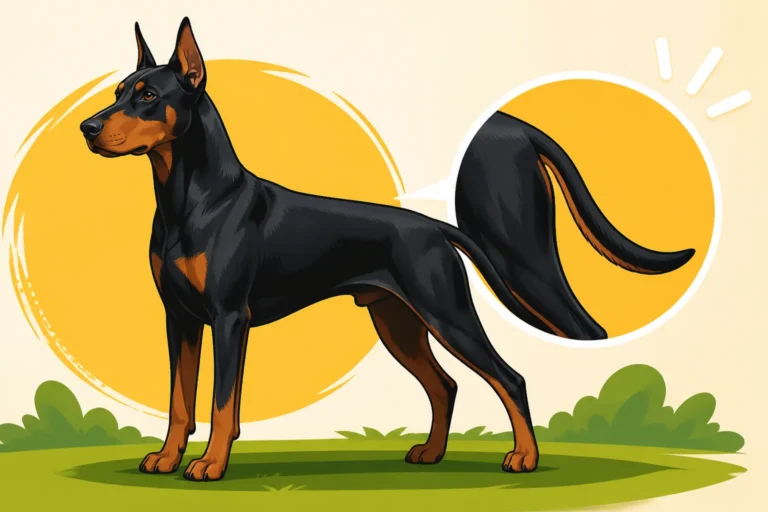
American Dobermans, in contrast, are generally bred for a more refined, elegant, and athletic look. They are often lighter in bone, with a longer, more graceful neck and a sleek, almost aerodynamic body shape. Temperamentally, while they retain the Doberman's characteristic loyalty and protective instincts, they are often described as more sensitive, handler-oriented, and eager to please. This doesn't make them less intelligent or less capable, but it can mean they respond differently to training methods and environmental stimuli. Understanding these subtle differences is key to deciphering the "softness" perception. You can also explore How a European Doberman Is Built Differently for more details on their physical traits.
Deconstructing "Softness" in the American Doberman
The term "softer" can be a bit loaded, carrying implications that might not be entirely accurate or fair. It’s crucial to break down what people usually mean by it and discuss the reality behind these perceptions. "Softer" doesn't mean weak or cowardly; it usually refers to nuances in sensitivity, drive, and overall temperament that differ from the traditional working Doberman.
Sensitivity and Training Response
One of the most common ways an American Doberman might be described as "softer" relates to their sensitivity. These dogs are often incredibly attuned to their handler's emotions and tone. They can be more prone to shutting down or becoming anxious if subjected to harsh training methods or an inconsistent environment. Where a European working line Doberman might shrug off a sharp correction and continue working, an American Doberman might internalize it, becoming withdrawn, confused, or even resistant. This isn't a flaw; it's a characteristic that demands a different approach to training.
Positive reinforcement, clear communication, and consistent, fair expectations work wonders with American Dobermans. They thrive on praise and positive feedback. They are highly intelligent, as discussed in Training a Doberman That Is Smarter Than You Expect, and eager to learn, but they need to feel like a valued partner in the process, not just a subordinate. This means a handler must be patient, understanding, and committed to building a strong bond based on trust. For example, if you're trying to teach a new obedience command, a loud, frustrated tone might cause an American Doberman to hesitate or offer incorrect behaviors, whereas calm, encouraging words and a treat will likely elicit a quick, enthusiastic response.
Drive Levels and Working Aptitude
Another aspect of "softness" often points to perceived differences in drive levels, particularly in protection or prey drive. While an American Doberman still possesses natural protective instincts and will absolutely defend its family and home, its level of inherent working drive might be less intense than that typically found in European working lines. This means they might not have the same innate drive for bite work or continuous high-intensity training that some working enthusiasts seek.
However, a lower inherent drive for specific protection sports doesn't mean they lack drive entirely. American Dobermans excel in many other activities like competitive obedience, agility, tracking, and even nose work. Their intelligence and desire to please make them highly capable in these arenas. They simply might not come "pre-programmed" with the same level of intensity for confrontational work. A breeder focusing on the AKC standard aims for a dog that is bold and alert but also biddable and a suitable family companion, which can naturally lead to a slightly different expression of drive.
Adaptability and Family Life
Many American Dobermans are specifically bred to be excellent family companions. Their "softer" nature often translates into greater adaptability to various home environments and a more pronounced desire to be physically close to their people – hence the "Velcro dog" nickname. They typically form incredibly strong bonds with their human family members, often shadowing them from room to room. This strong attachment, while endearing, can sometimes lead to issues like separation anxiety if not managed with proper training and alone-time conditioning from a young age.
They are generally good with children and other pets, provided they are properly socialized as puppies and the interactions are supervised. Their sensitivity means they often pick up on household dynamics and human moods very quickly. A well-bred, well-socialized American Doberman is a joy to live with, combining loyal guardianship with a loving, affectionate nature. They might not be the hardcore working dog some envision, but they are magnificent companions that thrive on interaction and mental stimulation.
| Characteristic | European Doberman (General Tendency) | American Doberman (General Tendency) |
|---|---|---|
| Physical Build | Heavier bone, more muscular, stockier | More refined, sleeker, athletic, often lighter bone |
| Temperament | Strong nerves, higher drive, more assertive, less forgiving | More sensitive, handler-oriented, eager to please, adaptable |
| Training Style | Can handle firm corrections, thrives on consistent structure | Responds best to positive reinforcement, can shut down with harshness |
| Working Drive | High inherent prey/protection drive, often bred for working titles | Strong protective instinct, but working drive can be less intense |
| Family Suitability | Requires experienced handler, extensive socialization, structure | Excellent family companion, often more easily integrated, strong bonds |
| Sensitivity | Generally less sensitive to corrections/tonal changes | Highly sensitive to handler's mood, tone, and environment |
Living with an American Doberman: What This Means for You
Deciding on an American Doberman (or any Doberman, for that matter) means understanding and embracing their particular traits. Their "softness," when understood correctly, isn't a deficit but a characteristic that informs how you should approach their training, socialization, and daily care.
The Importance of Early Socialization
Regardless of whether you choose an American or European Doberman, early and extensive socialization is paramount, especially considering their watchful nature. For an American Doberman, whose sensitivity might make them more prone to shyness or reactivity if not exposed widely, this is even more critical. From the moment your puppy comes home, they need positive exposure to a wide variety of sights, sounds, people, and environments.
Think of it as building a strong foundation of confidence. Take your puppy to busy parks (after vaccinations, of course), expose them to different flooring textures, introduce them to friendly, vaccinated dogs, and let them meet people of all ages, shapes, and sizes. Enroll in a good puppy class where they can learn to navigate new experiences in a safe, structured environment. Without this early exposure, even the most inherently "soft" Doberman can develop anxieties or reactiveness. As our guide Building a Doberman Puppy That Is Confident, Not Sharp emphasizes, a well-socialized Doberman is a joy to live with.
Tailoring Your Training Approach
Given their sensitivity and eagerness to please, American Dobermans thrive on positive, reward-based training. They are incredibly smart, and they want to do well for you. Instead of relying on force or intimidation, focus on making training fun, engaging, and clear. Use high-value treats (like those you might pick up from Chewy), engaging toys, and enthusiastic praise to reward desired behaviors.
They pick up on cues quickly, but consistency is key. A Doberman can learn a new command in just a few repetitions, but if you're not consistent in your expectations, they'll learn to test boundaries just as quickly. Avoid harsh corrections or punishment, as this can easily damage their trust and lead to a fearful or resistant dog. Instead, focus on redirecting unwanted behaviors and rewarding what you do want. For instance, if your Doberman jumps on guests, instead of yelling, teach them to "sit" for greetings and reward that calm behavior lavishly. Their desire to please you is a powerful training tool; use it wisely. If you're struggling, finding a trainer experienced with Dobermans and positive reinforcement can make all the difference.
Managing Expectations and Temperament
Ultimately, whether an American Doberman is "softer" is less about a definitive truth and more about recognizing the breed's nuanced temperament and adjusting your expectations and handling accordingly. If you're seeking a robust, high-drive working dog for competitive protection sports, you might find a European working line more aligned with those specific goals. However, if you're looking for a highly intelligent, intensely loyal, affectionate, and protective family companion who thrives on a close bond and positive interaction, the American Doberman is an outstanding choice.
It's about finding the right fit for your lifestyle and commitment. A "softer" Doberman doesn't mean a lesser Doberman; it simply means a Doberman that might require a gentler hand, a more nuanced understanding of their emotional landscape, and a commitment to positive reinforcement. They are still powerful, athletic, and intelligent dogs with a strong will and protective instincts. The Doberman's natural temperament, as described in The Doberman Temperament as the Standard Describes It, regardless of origin, still calls for an owner who is confident, consistent, and ready to provide ample physical and mental exercise.
They may not be as stoic as some of their European counterparts, but their devotion and responsiveness make them incredibly rewarding companions. The key is to understand the dog in front of you, whether American or European, and to meet their individual needs with patience, love, and appropriate training.
The Reality of Owning an American Doberman
Owning any Doberman is a significant commitment, and the American Doberman is no exception. While they may be perceived as "softer," they are still a powerful, intelligent, and driven breed that requires an active, engaged owner.
Exercise and Mental Stimulation
Don't let the term "softer" fool you into thinking an American Doberman is a couch potato. They are still highly energetic and intelligent dogs who need a significant amount of daily exercise and mental stimulation. A lack of either will quickly lead to boredom, destructive behaviors, and potentially anxiety. This breed thrives on having a job to do, even if that job is "family companion" and includes activities like long walks, runs, playing fetch, and brain games.
Aim for at least 1-2 hours of vigorous exercise daily. This could be a combination of walks, off-leash play in a secure area, or structured training sessions. Mental exercise is just as important; puzzle toys, scent work, and learning new tricks can tire their minds as much as physical activity tires their bodies. You can find many interactive toys and enrichment tools on sites like Chewy that can help keep their intelligent minds occupied. Without sufficient outlets, an American Doberman can become frustrated and channel that energy into less desirable activities, like chewing your furniture or barking incessantly.
The Bond of a "Velcro Dog"
The American Doberman’s tendency to form an incredibly strong bond with its family is a hallmark of the breed, often earning them the nickname "Velcro Doberman." This isn't just a cute quirk; it's a deep-seated characteristic. They want to be involved in everything you do, whether you're cooking dinner, watching TV, or working in the yard. This can be wonderful for owners who desire a constant companion, but it also means they don't do well when left alone for extended periods.
If you have a demanding work schedule that requires leaving your dog alone for many hours daily, an American Doberman might struggle, potentially developing separation anxiety. Early training for alone time, consistent crate training, and providing plenty of enrichment before you leave can help, but it's something to seriously consider. They thrive on companionship and active participation in family life. For insights into managing this strong bond, consider reading Living With a Doberman That Follows You Everywhere.
Health Considerations
While the "softer" label primarily refers to temperament, it's vital to remember that both American and European Doberman lines face significant health challenges. Heart disease, specifically Dilated Cardiomyopathy (DCM), is prevalent in the breed, regardless of lineage. Other concerns include Von Willebrand's Disease (a bleeding disorder), Wobbler Syndrome, and certain cancers.
Responsible breeders, whether focusing on American or European lines, will conduct extensive health testing on their breeding dogs. When seeking a Doberman, always ask for proof of health clearances, particularly for cardiac health (annual echocardiograms and Holter monitors), Von Willebrand's, thyroid, and hip evaluations. Don't be shy about asking questions and understanding the health history of the puppy's parents and extended family. A Doberman's lifespan can be sadly short due to these genetic predispositions, so informed choices are crucial. Understanding The Health Testing a Doberman Breeder Must Show is non-negotiable for any prospective owner.
Finding the Right American Doberman for You
If you've decided an American Doberman is the right fit for your lifestyle, the next step is finding a responsible breeder. Look for breeders who are transparent about their breeding practices, health testing, and the temperaments of their dogs. They should be willing to show you where the puppies are raised, introduce you to the dam (and potentially the sire), and ask you many questions about your living situation and experience with dogs.
A good breeder isn't just selling a puppy; they are placing a family member. They will want to ensure their puppies are going to homes that understand the breed's needs and can provide a loving, structured environment. Don't be swayed by breeders who offer "cheap" puppies or claim their dogs are "100% European" without providing verifiable pedigrees and health clearances. Researching What Breeders Ask for a Doberman Puppy can help you prepare for these conversations. A responsible breeder understands the differences in lines and strives to produce stable, healthy, and well-tempered dogs that align with the specific characteristics desired for their region's standard.
Disclaimer
This article is for general informational purposes only and does not constitute professional advice. Laws, prices and regulations vary by location and change over time. Consult a qualified professional for guidance on your specific situation.