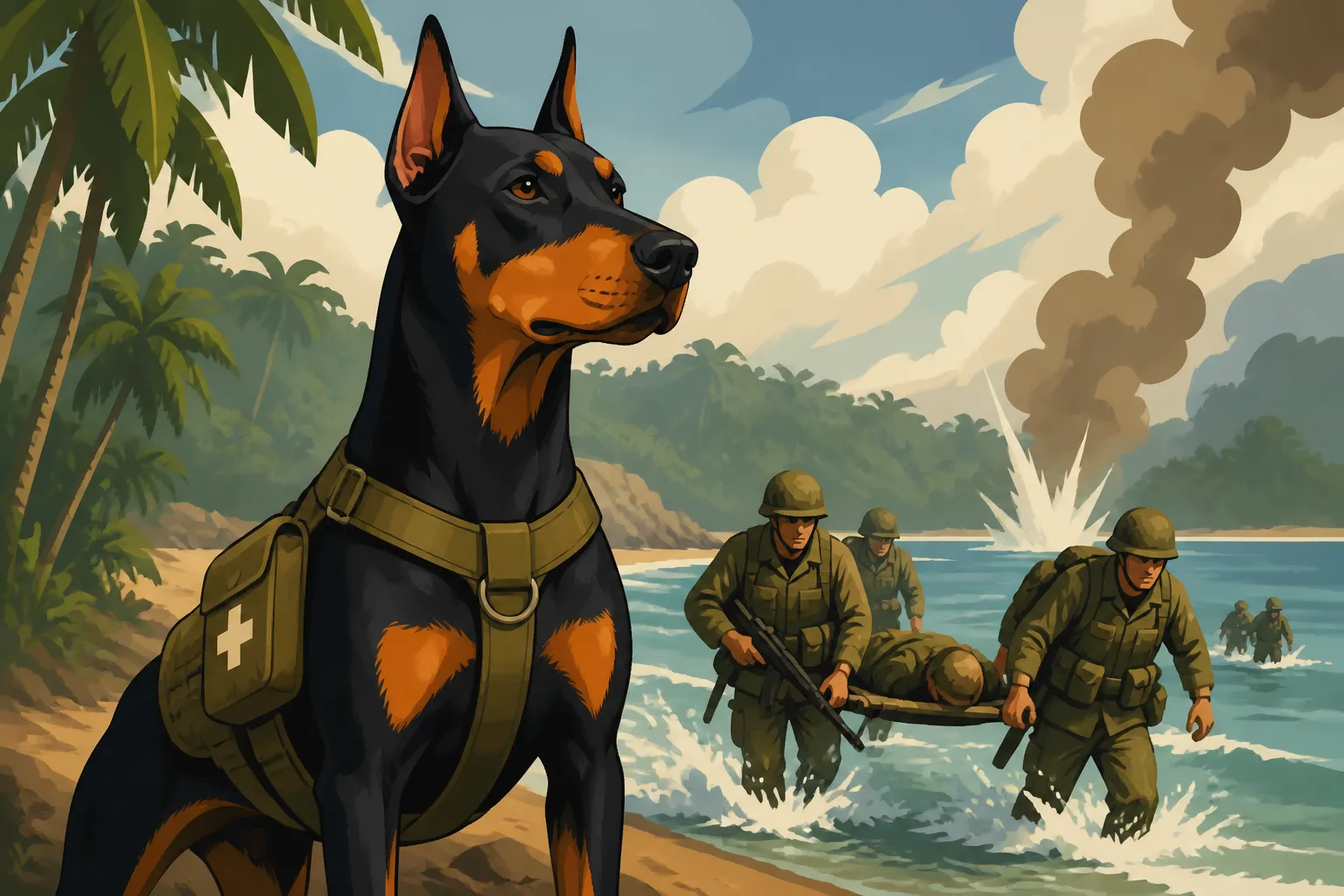
The Doberman That Saved Marines in the Pacific
Dobermans often carry a fierce reputation, sometimes unfairly, leading many to overlook the deep loyalty and incredible bravery that define this magnificent breed. Yet, for some of us, particularly those who have lived with or trained these dogs, we know their true character shines brightest when faced with adversity, as proven by the Dobermans who served with unwavering courage, saving countless lives, particularly during the grueling campaigns of World War II in the Pacific. This guide will explore the profound impact one such Doberman had on the lives of Marines and honor the legacy of all Doberman war dogs.
The Doberman's Crucial Role in World War II
When war descended upon the world, nations quickly realized the invaluable assets dogs could be on the battlefield. Not just for companionship, but for their keen senses, speed, and unwavering devotion to their handlers. The Doberman Pinscher, with its formidable presence, intelligence, and trainability, quickly rose to prominence as an ideal candidate for military service. Their natural protective instincts and sharp intellect made them perfectly suited for dangerous and demanding roles.
Training the Canine Soldiers
The dogs selected for military service, often volunteers from civilian homes, underwent rigorous training to prepare them for the harsh realities of combat. They weren't just taught basic obedience; they were transformed into highly specialized soldiers with fur. This intensive training focused on tasks vital for survival and mission success: silent scouting, detecting enemy positions, carrying messages, and even guarding prisoners. Imagine the patience and dedication required from both dog and handler to achieve such a high level of precision under immense pressure. It was a bond forged in purpose, trust, and the shared understanding that their lives depended on each other. These dogs learned to navigate complex terrains, ignore the deafening sounds of battle, and focus entirely on their handler's commands, often working silently in the dead of night.
Why the Marine Corps Chose Dobermans
The United States Marine Corps, known for its demanding standards, specifically sought out breeds like the Doberman for their war dog program. They needed dogs that were not only intelligent and athletic but also possessed a certain mental toughness. The Doberman's inherent alertness, courage, and strong drive to protect its handler made it a natural fit for the intense conditions of jungle warfare in the Pacific theater. While other breeds served valiantly, the Doberman's sleek build, formidable appearance, and legendary "velcro" attachment to its human partner often meant they excelled in roles where stealth and unwavering loyalty were paramount. The trust built between a Marine and his Doberman was absolute, a silent pact that often meant the difference between life and death. The breed's ability to discern friend from foe, often in chaotic situations, cemented its reputation. You can read more about Why the Marine Corps Chose Dobermans in another post.
Cappy: A Hero's Story on Guam
Among the many Dobermans who served with distinction, one dog named Cappy stands out as a true testament to the breed's courage and dedication. His story, deeply etched into the annals of Marine Corps history, is a powerful reminder of the sacrifices made by all, two-legged and four-legged alike, during the fight for freedom. While many Dobermans played crucial roles, Cappy's actions exemplify the profound impact these dogs had.
The Attack on the Patrol
The year was 1944, and the Battle of Guam raged fiercely. American forces were engaged in brutal jungle warfare, rooting out entrenched Japanese forces. It was a perilous environment where danger could emerge from any shadow, and hidden enemy soldiers were a constant threat. One day, a Marine patrol was moving cautiously through the dense, unforgiving terrain, every sense alert for signs of the enemy. Suddenly, without warning, they were ambushed by Japanese soldiers who had been expertly concealed. The attack was swift and brutal, catching the Marines off guard in the thick undergrowth. Chaos erupted, and the patrol found itself in a desperate fight for survival, pinned down and vulnerable.
Cappy's Instinctive Alert and Action
Amidst the confusion and gunfire, Cappy, a Doberman assigned to the patrol, didn't hesitate. His acute senses, honed by training and natural instinct, immediately registered the hidden threats the human eye couldn't perceive. He moved without command, barking fiercely and straining against his leash, not in fear, but with a clear intent to warn and protect. He located the primary ambush site, exposing the enemy's positions, giving the Marines precious seconds to react and re-establish their defense. As the fight continued, Cappy’s bravery was unwavering. He reportedly broke free and charged directly towards the enemy, a living, breathing shield, diverting attention and drawing fire. In that critical moment, his selflessness bought his human comrades the time they needed to regroup, return fire, and eventually repel the attack. His actions were not just an act of bravery; they were a pivotal turning point in the skirmish, undoubtedly saving lives that day. The incident showcased the raw courage of a Doberman when its human family is threatened, much like Whether a Doberman Would Really Defend You in a domestic setting.
The Price of Heroism
Sadly, Cappy paid the ultimate price for his heroism. During his courageous charge, he was struck by enemy fire. He succumbed to his wounds shortly after the battle, having successfully protected his patrol. His sacrifice was not in vain; his quick thinking and fearless actions allowed his fellow Marines to survive and ultimately win the engagement. The Marines who fought alongside him that day never forgot Cappy's bravery. They carried his story forward, ensuring his name would be remembered as one of the many unsung heroes of the Pacific theater. His story is a poignant reminder that while Dobermans possess incredible strength and intelligence, their capacity for loyalty and self-sacrifice is truly boundless.
The Doberman Memorial on Guam: A Lasting Tribute
The sacrifices of Doberman war dogs like Cappy did not go unnoticed. Their courage, loyalty, and vital contributions to the war effort were recognized and honored, culminating in a powerful and lasting tribute on the very soil they helped secure. The "War Dog Memorial" stands as a solemn reminder of their service.
Erecting the Monument
Dedicated on July 21, 1994, the 50th anniversary of the Liberation of Guam, The Doberman War Dog Memorial stands proudly at the National War Dog Cemetery within the US Naval Base in Guam. This isn't just a statue; it's a profound statement, a permanent recognition of the approximately 25 Doberman war dogs who gave their lives protecting American troops during the bloody battle for the island. The memorial features a life-sized bronze sculpture of a Doberman standing guard, stoic and vigilant, atop a granite base. It perfectly encapsulates the breed's dedication and spirit. Engraved on the base are the names of all the Doberman war dogs known to have died in service on Guam, a silent roll call of heroes who served without question.
Symbolism and Significance
The memorial serves as a powerful symbol of loyalty, sacrifice, and the unbreakable bond between humans and animals in times of war. It's a place where Marines, veterans, and visitors can reflect on the courage of these four-legged soldiers. The Doberman figure itself is depicted in a natural, alert stance, ears up, eyes forward, as if still on patrol. This pose captures the essence of their role: constantly vigilant, ready to face danger to protect their handlers. It reminds us that these dogs weren't just animals; they were integral members of their platoons, partners in the truest sense of the word. They faced the same dangers, endured the same hardships, and ultimately, made the same sacrifices as their human counterparts. The memorial is a crucial part of remembering the broader history of the Doberman's military contributions, often overlooked in mainstream narratives.
Honoring All War Dogs
While the memorial specifically honors the Dobermans of Guam, its spirit extends to all war dogs, past and present, who have served in conflicts around the globe. It's a recognition of the universal truth that dogs, across many breeds, have played an indispensable role in military operations, often performing tasks humans simply could not. From detecting explosives to tracking enemy combatants, their senses, agility, and unwavering bravery have saved countless lives and changed the course of battles. The memorial encourages us to appreciate the intelligence and heart of these animals, and to understand that the reputation of breeds like the Doberman is built not just on their appearance, but on a history of extraordinary service and profound connection to humanity. It’s a testament to the fact that even today, dogs continue to serve in various capacities, embodying the qualities of courage and loyalty that define them.
The Lasting Legacy of the War Dog
The stories of war dogs like Cappy profoundly shaped the perception of the Doberman breed and cemented their place in history as courageous and intelligent working animals. Their contributions during World War II, particularly in the Pacific theater, offered tangible proof of their capabilities far beyond what many civilian owners might ever imagine. This legacy continues to influence how we view, train, and appreciate Dobermans today.
Changing Public Perception of the Breed
Before their extensive military service, Dobermans were often viewed primarily as intimidating guard dogs, sometimes misunderstood by the general public. Their sleek, muscular appearance and intense gaze could be off-putting to those unfamiliar with the breed's true temperament. However, their heroic actions in wartime showcased a deeper, more admirable side: unparalleled loyalty, immense bravery, and a profound capacity for work and partnership. These real-world applications of their intelligence and courage helped to shift public perception, proving they were not just aggressive animals, but highly trainable, devoted companions capable of incredible feats. This new understanding helped to build a foundation of respect for the breed, paving the way for Dobermans to be recognized for their intelligence and suitability for diverse roles, from family protectors to service animals.
Influencing Training and Breeding
The success of war dogs also significantly influenced breeding programs and training methodologies. Breeders began to further emphasize traits like intelligence, biddability, stable temperament, and courage, recognizing their importance beyond mere aesthetics. Military trainers developed advanced techniques that harnessed the Doberman's natural instincts, focusing on positive reinforcement and building a strong working relationship with the dog. These methods trickled down into civilian dog training, impacting how Dobermans, and indeed many working breeds, are trained even today. The understanding gained from working with Dobermans in high-stakes environments showed that a balanced approach, valuing both physical prowess and mental fortitude, was key to unlocking their full potential. Even when searching for quality nutrition, owners benefit from this legacy, seeking out reputable products on platforms like Chewy that cater to their specific needs. Ensuring a Doberman is properly cared for from puppyhood is critical for their development, as highlighted in The Doberman Years When Everything Shows Up.
Dobermans in Modern Service and as Companions
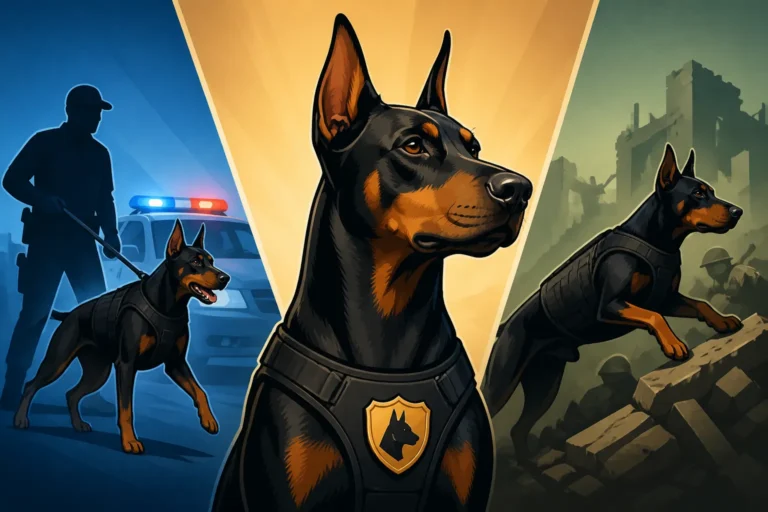
Today, while direct combat roles for Dobermans are less common, their legacy lives on. Many Dobermans continue to serve in various capacities, including police K9 units, search and rescue operations, and as therapy and service dogs. Their keen noses, athleticism, and unwavering focus make them excellent candidates for these demanding jobs. Beyond professional roles, the vast majority of Dobermans thrive as devoted family companions. Owners who understand and respect their breed's heritage often find immense joy in channeling their Doberman's intelligence and energy into activities like obedience, agility, or scent work. The trust and loyalty demonstrated by war heroes like Cappy continue to inspire Doberman enthusiasts, reminding us that with proper training, socialization, and a loving home, these incredible dogs offer companionship that is truly unmatched. Understanding The Doberman's War Record can give an owner a deeper appreciation for their own Doberman's temperament and drives.
| Trait | Doberman War Dog | Modern Pet Doberman |
|---|---|---|
| Primary Role | Scout, Sentry, Messenger, Guard, Patrol Dog in active combat zones. | Family companion, protector, active sport participant (obedience, agility, scent work), service animal. |
| Key Characteristics | Extreme courage, unwavering loyalty under fire, keen senses for detection, high trainability, mental toughness, self-sacrifice. | Intense loyalty to family, protective instincts (often family-focused rather than territorial to all strangers), high intelligence, playful, energetic, prone to "velcro dog" behavior, sensitive. |
| Training Focus | Combat readiness, silent patrols, enemy detection, remaining calm amidst chaos, specific military commands. | Socialization, basic and advanced obedience, confidence building, impulse control, manners around visitors and other animals, channeling energy into appropriate activities. |
| Environment | Harsh battlefields, dense jungles, extreme stress, constant danger. | Loving home environment, secure yard, regular exercise and mental stimulation, consistent routine, access to high-quality nutrition (e.g., from Chewy). |
| Legacy & Reputation | Heroic, brave, life-saving, crucial to victory, respected as a military asset. | Devoted, intelligent, protective, sometimes misunderstood, requires experienced owner, excellent family member with proper care and training. |
Disclaimer
This article is for general informational purposes only and does not constitute professional advice. Laws, prices and regulations vary by location and change over time. Consult a qualified professional for guidance on your specific situation.