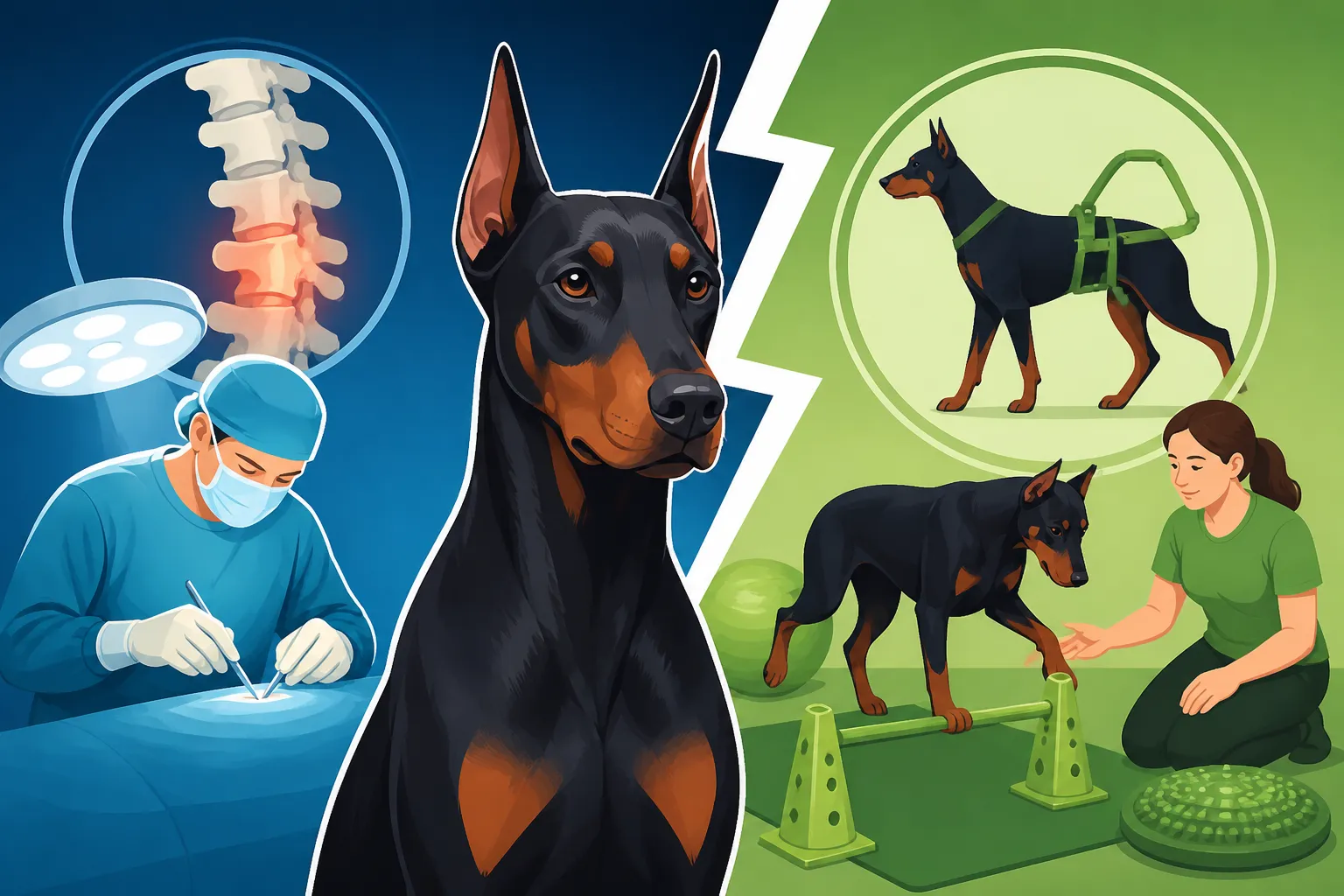
Surgery Against Management for Doberman Wobblers
Discovering your beloved Doberman is struggling with Wobbler Syndrome is a heart-wrenching experience, leaving many owners feeling overwhelmed and uncertain about the best path forward. This comprehensive guide aims to demystify the complex choice between surgical intervention and conservative management, offering you the detailed insights needed to make an informed decision for your Doberman's future.
Understanding Wobbler Syndrome in Dobermans
Wobbler Syndrome, formally known as Cervical Spondylomyelopathy (CSM), is a neurological condition that disproportionately affects large and giant breed dogs, and Dobermans are, unfortunately, among those particularly susceptible. It's a condition that can steal your dog's coordination, grace, and comfort, leaving them literally "wobbling" through their lives. It's a tough diagnosis to hear, but understanding what you're up against is the first step in helping your Doberman.
What Exactly is Wobbler Syndrome?
At its core, Wobbler Syndrome is a compression of the spinal cord and/or nerve roots in the neck (cervical spine). This compression can be caused by a variety of issues, from malformed vertebrae and narrowed spinal canals to disc herniations and ligament thickening. Think of it like a pinched nerve, but on a much grander, more debilitating scale, affecting the crucial signals traveling from the brain to the rest of the body. When these signals are interrupted or distorted, the dog's ability to coordinate its limbs and maintain balance is severely compromised. It's a painful and frustrating condition for dogs and their owners alike.
There are two main types of Wobbler Syndrome seen in Dobermans: disc-associated CSM (DACSM) and bony-associated CSM (BACSM). DACSM typically affects older, larger dogs, resulting from disc degeneration and protrusion, while BACSM is often seen in younger, larger breeds due to malformation of the vertebrae. Dobermans can fall into either category, with symptoms often starting subtly and progressing over time. Learning about Why Doberman Neck Vertebrae Compress the Cord can help clarify the underlying mechanisms.
Recognizing the Signs and Symptoms
The most telling sign, of course, is the "wobble" itself. Dogs with Wobbler Syndrome often exhibit an uncoordinated, swaying gait, particularly in their hind limbs, which can look like they're walking on ice or drunk. This can progress to affecting the front limbs as well. Beyond just the gait, there are other signs that might alert you. You might notice A Doberman That Walks With Its Head Down, perhaps due to neck pain or discomfort. They might be reluctant to go up or down stairs, struggle to get up from a lying position, or show weakness.
Other subtle symptoms can include scuffing of the nails, particularly on the hind paws, as the dog doesn't lift its feet high enough. Muscle atrophy in the shoulders can also occur due to nerve damage. Some Dobermans might show signs of neck pain, yelping when touched or when trying to look up or down. These signs can sometimes emerge slowly, making them easy to miss in the early stages, especially in an active Doberman. It's important to be vigilant for changes in your dog's movement or behavior. Often, The Age Doberman Wobbler Signs Appear can range from middle age to senior years, but some can show signs earlier.
Diagnosing the Condition
Diagnosing Wobbler Syndrome isn't a simple matter of a quick blood test. It requires a thorough neurological examination by your veterinarian, which can indicate spinal cord compression in the neck region. However, to truly pinpoint the location and cause of the compression, advanced imaging is essential. This usually means a specialized MRI or CT scan. These imaging techniques allow veterinarians to visualize the soft tissues and bones of the spinal column, revealing disc protrusions, bone abnormalities, or ligament thickening that are pressing on the spinal cord.
Before an MRI or CT, your vet might suggest X-rays, but it's important to understand that X-rays alone often aren't sufficient to confirm Wobbler Syndrome or detail the extent of the compression. They can give some clues about bony changes, but soft tissue compression won't be visible. Myelography, an older technique involving injecting dye into the spinal canal before X-rays, is still used in some cases, but it carries higher risks and is less precise than MRI or CT. If your vet recommends Scanning a Doberman for a Compressed Neck, they're taking a critical step toward a definitive diagnosis. What a Doberman MRI Shows for Wobblers will be crucial in guiding treatment decisions.
The Surgical Approach to Doberman Wobblers
For many Doberman owners facing a Wobbler Syndrome diagnosis, surgery is often presented as the most definitive option. The goal of surgery is to decompress the spinal cord, relieving the pressure that is causing the neurological symptoms. This can lead to significant improvement in many cases, especially when the condition is caught relatively early. However, it's not a decision to be taken lightly, as it involves significant risks and a substantial recovery period.
Types of Surgical Procedures
There are several surgical techniques employed to address Wobbler Syndrome, and the choice depends on the specific cause and location of the compression. One common procedure is ventral slot decompression, where the surgeon removes a small section of bone and disc material from the underside of the vertebrae to relieve pressure. Another approach is dorsal laminectomy, performed from the top of the spine, which involves removing part of the vertebral arch. In some cases, stabilization techniques might be used, where the vertebrae are fused together to prevent further movement and compression, often using screws, plates, or bone grafts.
More advanced techniques, such as artificial disc replacement or dynamic stabilization systems, are also emerging, offering potentially less invasive options or greater flexibility. The specific procedure will be recommended by a veterinary neurosurgeon based on the detailed findings from your Doberman's MRI or CT scans. They'll consider factors like the exact location of the compression, whether it's bony or soft tissue, and the stability of the spine. While surgery can offer hope, it's crucial to understand that it's a complex procedure performed on a delicate part of your Doberman's body.
Potential Benefits and Risks of Surgery
The primary benefit of surgery is the potential for significant improvement or even resolution of neurological symptoms. Many Dobermans experience a reduction in pain, improved coordination, and a better quality of life post-surgery. Early intervention with surgery can sometimes prevent the progression of severe neurological deficits and can be a good option for Dobermans with severe or rapidly worsening symptoms. It can offer the best chance for long-term stability and mobility.
However, surgery for Wobbler Syndrome carries inherent risks. Anesthesia always poses a risk, particularly for Dobermans who may have underlying heart conditions like Dilated Cardiomyopathy (DCM). There's also the risk of further spinal cord damage during the operation, infection at the surgical site, or implant failure if stabilization is performed. Additionally, some Dobermans may not fully recover, or symptoms may recur years later due to new compressions forming at adjacent sites. The cost is also a significant factor, with Wobbler Surgery Prices for a Doberman often running into many thousands of dollars, making financial planning or pet insurance like Healthy Paws incredibly important.
The Recovery Process After Surgery
The road to recovery after Wobbler surgery is a long and dedicated one, requiring immense commitment from owners. Immediately after surgery, your Doberman will require strict cage rest for several weeks, meaning limited movement to allow the surgical site to heal. Pain management will be crucial during this period. Following the initial rest phase, a comprehensive rehabilitation program is usually recommended. This can involve physical therapy exercises, hydrotherapy (underwater treadmill), massage, and passive range of motion exercises to rebuild muscle strength, improve balance, and restore proprioception.
This rehabilitation is not just an optional extra; it's often a critical component of successful surgical outcomes. Without it, muscle atrophy can persist, and your Doberman might not regain optimal function. Rehabilitation Costs After Doberman Spinal Surgery can add significantly to the overall expense, but it's an investment in your dog's mobility and comfort. The entire recovery process can take months, and some Dobermans may need ongoing supportive care throughout their lives. It's a journey that demands patience, consistency, and a strong partnership with your veterinary team and rehabilitation therapist.
Conservative Management Strategies for Wobbler Syndrome
For some Dobermans, either due to the mildness of their symptoms, financial constraints, age, or other health concerns, surgery might not be the ideal or even a viable option. In these cases, conservative management focuses on reducing pain, minimizing inflammation, and improving quality of life without invasive procedures. This approach can be highly effective for Dobermans with less severe compression or slower disease progression.
Medication and Pain Management
A cornerstone of conservative management is medication to control pain and inflammation. Non-steroidal anti-inflammatory drugs (NSAIDs) are commonly prescribed to reduce swelling around the spinal cord and alleviate discomfort. For more severe pain or during flare-ups, corticosteroids, like those discussed in Steroids and Rest for a Doberman Wobbler, might be used, but these often come with side effects with long-term use. Muscle relaxants can also help alleviate muscle spasms in the neck and shoulders. Your veterinarian will carefully monitor your Doberman for side effects and adjust dosages as needed.
Beyond traditional pharmaceuticals, some owners explore complementary therapies. Acupuncture, for example, has shown promise in managing pain and improving neurological function in some dogs with Wobbler Syndrome. Nutraceuticals, such as joint supplements containing glucosamine and chondroitin, or omega-3 fatty acids, are often used for their anti-inflammatory properties, though their direct impact on spinal cord compression is less clear. The goal is always to keep your Doberman as comfortable as possible, allowing them to move and function with less discomfort.
Physical Therapy and Rehabilitation
Just as with post-surgical recovery, physical therapy and rehabilitation are invaluable for Dobermans undergoing conservative management. These therapies aim to strengthen supporting muscles, improve balance and coordination, and maintain range of motion. Exercises might include therapeutic stretches, core strengthening activities, balance exercises on wobble boards or physio-balls, and controlled leash walks. Hydrotherapy, especially an underwater treadmill, is particularly beneficial as it allows movement with reduced weight-bearing, strengthening muscles without putting undue stress on the spine.
A certified canine rehabilitation therapist can design a tailored program for your Doberman, teaching you how to perform exercises safely at home. Regular, consistent therapy can make a significant difference in a Doberman's mobility and comfort, slowing the progression of muscle atrophy and maintaining nerve function. It requires dedication, but seeing your Doberman regain some of their previous agility and confidence is incredibly rewarding.
Lifestyle Adjustments and Support
Living with a Doberman with Wobbler Syndrome requires significant lifestyle adjustments to ensure their safety and comfort. One of the most critical changes is switching from a neck collar to a well-fitting harness. This prevents any pressure on the sensitive neck area that could exacerbate compression or pain. You can find more information on this in Whether a Wobbler Doberman Should Wear a Collar. Raised food and water bowls can also help, as they prevent your Doberman from having to bend their neck down excessively, reducing strain.
Modifying your home environment is also key. Non-slip rugs or runners on hard floors can provide much-needed traction, preventing slips and falls that could lead to injury. Ramps can be introduced to help your Doberman get into and out of vehicles or onto furniture if they're allowed. Limiting strenuous activities, such as jumping, roughhousing, or excessive stair climbing, is also vital. The focus is on providing a safe, supportive, and low-stress environment that minimizes the physical demands on their compromised spine.
Factors Influencing the Decision: Surgery vs. Management
Deciding between surgery and conservative management for your Doberman's Wobbler Syndrome is a deeply personal and often agonizing choice. There's no one-size-fits-all answer, and what's right for one Doberman might not be suitable for another. Several key factors come into play when making this critical decision, and discussing them thoroughly with your veterinary team is essential.
Severity and Progression of Symptoms
The extent and progression of your Doberman's neurological symptoms are perhaps the most significant factors. If your Doberman has severe neurological deficits, such as significant ataxia (incoordination), profound weakness, or is rapidly losing the ability to walk, surgery is often recommended as the best chance for improvement. These rapidly progressive cases typically don't respond well to conservative treatment alone. Surgical intervention aims to prevent further irreversible damage to the spinal cord.
Conversely, for Dobermans with mild, intermittent, or slowly progressing signs, conservative management might be a very appropriate first step. If the symptoms are primarily pain-related without severe neurological deficits, or if they only appear after strenuous activity, a non-surgical approach focused on pain control and supportive care could provide an excellent quality of life. Sometimes, conservative management is attempted first, and if the Doberman's condition worsens, surgery can then be reconsidered.
Age and Overall Health of Your Doberman
Your Doberman's age plays a crucial role. While younger Dobermans may tolerate surgery and its intensive recovery better, older Dobermans might have other health issues that make anesthesia or a prolonged recovery period riskier. Many Dobermans, sadly, are predisposed to conditions like The Heart Disease That Reaches Most Dobermans (Dilated Cardiomyopathy), which can complicate any surgical procedure involving general anesthesia. A thorough cardiac workup would be essential before considering surgery for an older Doberman.
Beyond age, a comprehensive assessment of your Doberman's overall health is paramount. Conditions such as kidney disease, liver issues, or uncontrolled thyroid problems could increase surgical risks or complicate recovery. A Doberman with other serious health challenges might benefit more from conservative management aimed at comfort and maintaining existing function, rather than risking a major surgical procedure. Your vet will conduct extensive pre-surgical screenings to evaluate these risks.
Financial Realities and Insurance Coverage
Let's be blunt: both surgical and conservative management of Wobbler Syndrome can be incredibly expensive. What Bloat Surgery Costs a Doberman Owner is one thing, but complex neurosurgery often surpasses many other common veterinary procedures. Surgery can easily cost thousands, sometimes tens of thousands of dollars, depending on the complexity of the procedure, location, and post-operative care, including rehabilitation. Even conservative management, with ongoing medication, specialist consultations, and physical therapy sessions, can accumulate significant costs over a Doberman's lifetime.
This is where pet insurance can be a lifesaver, especially if your Doberman was enrolled before any signs of Wobbler Syndrome appeared. Companies like Healthy Paws offer robust coverage for unforeseen accidents and illnesses. If you have a Doberman, understanding Insuring a Doberman Before the Heart Turns or before any other major health issues arise is incredibly smart. For those without insurance, the financial burden can be a major stressor, often influencing the treatment path chosen. It’s important to have honest conversations with your veterinary team about costs and what you can realistically manage.
Life After Diagnosis: Living with a Wobbler Doberman
A diagnosis of Wobbler Syndrome doesn't mean the end of your Doberman's happy life. Whether you choose surgery or conservative management, many Dobermans can go on to live fulfilling lives with the right care and support. It does, however, mean embracing a "new normal" and making adjustments to ensure their comfort and safety.
Home Modifications for Safety and Comfort
Creating a safe and accommodating environment is paramount. As mentioned, covering slippery floors with rugs or carpet runners is non-negotiable to prevent slips and falls that could aggravate their condition or cause injury. Using baby gates to block off stairs or areas where your Doberman might try to jump can also be very helpful. Investing in orthopedic dog beds can provide superior joint support and comfort, easing pressure points, especially for a bony breed like the Doberman.
Consider assistive devices if your Doberman struggles with mobility. Canine wheelchairs, slings, or harnesses with handles can help you support them during walks or when navigating obstacles. Even simple things like using a stool or ramp to help them get on the couch for cuddles can make a huge difference in their daily comfort and ability to participate in family life. The goal is to reduce strain and make their environment as easy to navigate as possible.
Ongoing Monitoring and Adjustments
Regardless of the chosen treatment path, ongoing monitoring of your Doberman's condition is crucial. Regular veterinary check-ups, potentially including follow-up neurological exams and imaging, will help assess the effectiveness of treatment and catch any signs of progression or new issues early. You'll need to be observant at home, noting any changes in gait, pain levels, appetite, or overall demeanor.
Your Doberman's treatment plan will likely evolve over time. Medication dosages may need adjusting, new pain management strategies might be introduced, or physical therapy exercises could be modified. It's a dynamic process that requires close collaboration with your veterinary team. Don't hesitate to communicate openly about what you're observing at home, as your insights are invaluable.
Maintaining Quality of Life
The ultimate goal for any Doberman owner is to maintain their pet's quality of life. This means balancing necessary restrictions with opportunities for mental and emotional enrichment. While strenuous activities might be off-limits, controlled leash walks, gentle playtime, and puzzle toys can keep their minds engaged. Continued positive reinforcement training and praise are also vital, as Dobermans thrive on interaction and purpose.
Ensuring they have comfortable resting spots, plenty of fresh water, and a consistent routine can also contribute significantly to their well-being. Regular grooming and massages can help them feel good and also provide opportunities to check for new lumps, bumps, or tender spots. Ultimately, focusing on their comfort, emotional needs, and adapting to their abilities will allow your Wobbler Doberman to continue being a cherished member of your family.
Financial and Emotional Considerations
Caring for a Doberman with Wobbler Syndrome isn't just a medical journey; it's a significant financial and emotional commitment. Understanding the full scope of these aspects from the outset can help you prepare and make the best decisions for both your Doberman and your family.
Cost Implications of Each Path
The financial impact of Wobbler Syndrome is undeniable. As previously mentioned, surgical intervention is typically the most expensive single event, with procedures often ranging from $5,000 to $15,000 or more, not including diagnostic imaging (like What a Doberman MRI Shows for Wobblers), pre-surgical bloodwork, hospitalization, and post-operative medications. The Rehabilitation Costs After Doberman Spinal Surgery can also add hundreds to thousands of dollars over several months. This initial outlay can be a shock for many.
Conservative management, while avoiding a large upfront surgical bill, incurs ongoing expenses. Monthly medication costs, regular vet visits, specialist consultations, and long-term physical therapy sessions (which might be weekly or bi-weekly) can quickly add up. Over several years, the cumulative cost of conservative management can sometimes rival, or even exceed, the cost of surgery, depending on the severity and duration of the condition. Many owners use a combination of approaches. For example, Pimobendan Before a Doberman Shows Signs of heart disease is a separate cost, but these are the types of expenses Doberman owners regularly face. Having a robust pet insurance policy, especially from providers like Healthy Paws, can certainly alleviate some of this burden.
The Emotional Toll on Owners
Beyond the financial strain, caring for a Doberman with Wobbler Syndrome takes a considerable emotional toll. Watching your active, graceful Doberman struggle with basic movements can be heartbreaking. The constant worry about their comfort, their prognosis, and whether you're making the right choices can lead to significant stress and anxiety. Owners often feel a deep sense of guilt, frustration, or helplessness.
The intensive nature of the care, especially during post-surgical recovery or ongoing physical therapy, can also be physically and emotionally exhausting. It can feel like a full-time job, requiring immense patience and dedication. It's crucial for owners to acknowledge these feelings and seek support, whether from online communities, support groups, or trusted friends and family. Remember, you're doing your best for your Doberman, and your feelings are valid.
Considering Pet Insurance
If you don't already have pet insurance for your Doberman, it's worth considering, though it's important to understand the limitations once a condition like Wobbler Syndrome has been diagnosed. Most pet insurance policies will consider Wobbler Syndrome a pre-existing condition if signs or a diagnosis were present before enrollment or during the waiting period, meaning it won't be covered. This highlights the importance of getting insurance early in a Doberman's life, ideally when they are a puppy and before any health issues manifest.
However, if your Doberman is young and healthy, or if you're looking for coverage for other potential issues (and Dobermans, sadly, have many, from The Bleeding Disorder Almost Every Doberman Line Carries to Copper Liver Disease in Doberman Females), a provider like Healthy Paws can provide immense peace of mind. A good policy can cover a significant portion of unexpected veterinary bills, including diagnostics, specialist visits, medications, and even rehabilitation, making the financial aspect of long-term care much more manageable. Always read policy details carefully to understand what is and isn't covered.
Disclaimer
This article is intended for informational purposes only and does not constitute veterinary medical advice. Always consult with a qualified veterinary professional for any health concerns or before making any decisions about your Doberman's treatment plan.